Spearmint
A classic, sweet mint for tea, sauces, and salads. It is a strong grower and a good choice for pots.
Mentha spp.
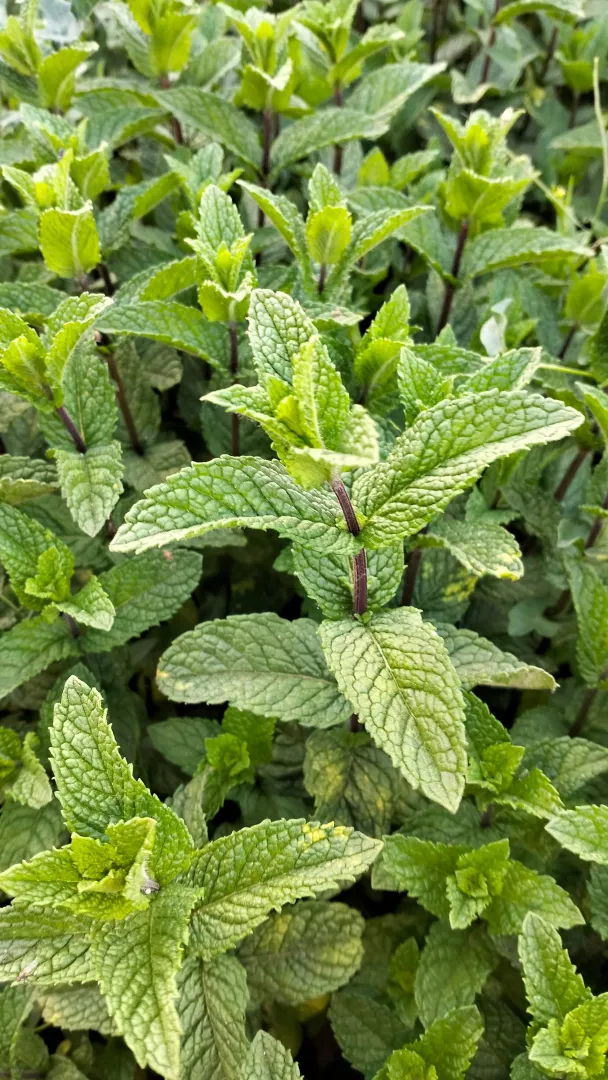
Mint is a hardy, vigorous herb that grows well in the ground or in pots across the UK. It spreads quickly, so containers or a contained bed are usually the easiest way to keep it under control.
60 cm · Partial Shade · Moderate Water
| Activity | January | February | March | April | May | June | July | August | September | October | November | December |
|---|---|---|---|---|---|---|---|---|---|---|---|---|
| Sow outdoors | No | No | Yes | Yes | Yes | No | No | No | No | No | No | No |
| Plant out | No | No | No | No | Yes | Yes | Yes | No | No | No | No | No |
| Harvest | No | No | No | No | Yes | Yes | Yes | Yes | Yes | Yes | No | No |
UK averages · set your town for dates worked out from your local frost records · how dates are worked out
What to do through the growing season
Change the guide to see different planting timelines and tips.
Grow mint in a pot to stop it spreading and to keep the flavour fresh. It suits a bright windowsill, patio, or sheltered spot outdoors.
01
Sow seed thinly on the surface of moist seed compost around mid-March to mid-May and press it in lightly. Do not cover deeply, as mint seed needs light to get going.
02
When seedlings are large enough to handle from early April, prick them out into small individual pots. Keep them just moist and grow them on in a bright place.
03
Move plants into their final pots from early May, using free-draining compost and a container with good drainage holes. Water in thoroughly straight after planting and keep the compost lightly moist while roots settle.
04
From early May, pinch out the growing tips regularly to keep plants bushy and delay flowering. If stems get leggy, trim them back lightly and the plant will usually reshoot.
05
Check the pot often from early May and water whenever the compost starts to dry at the top. A light liquid feed every 14 days helps pots keep producing fresh growth.
06
Start picking from late May once plants are well established. Snip shoots regularly from late May to late October, taking a little and often so the plant stays leafy and does not flower too early.
Popular varieties of Mint to consider
A classic, sweet mint for tea, sauces, and salads. It is a strong grower and a good choice for pots.
A sharper mint with a strong menthol flavour. It grows well in a container and is best picked young for the cleanest taste.
A milder mint with a hint of cocoa in the scent. It spreads just as freely as other mints, so keep it contained.
Explore similar plants you might like