Crown Prince
A classic grey-blue winter squash with deep orange, dense flesh. It crops reliably in cool, wet summers and keeps for months, making it a solid choice for UK plots.
Cucurbita spp.
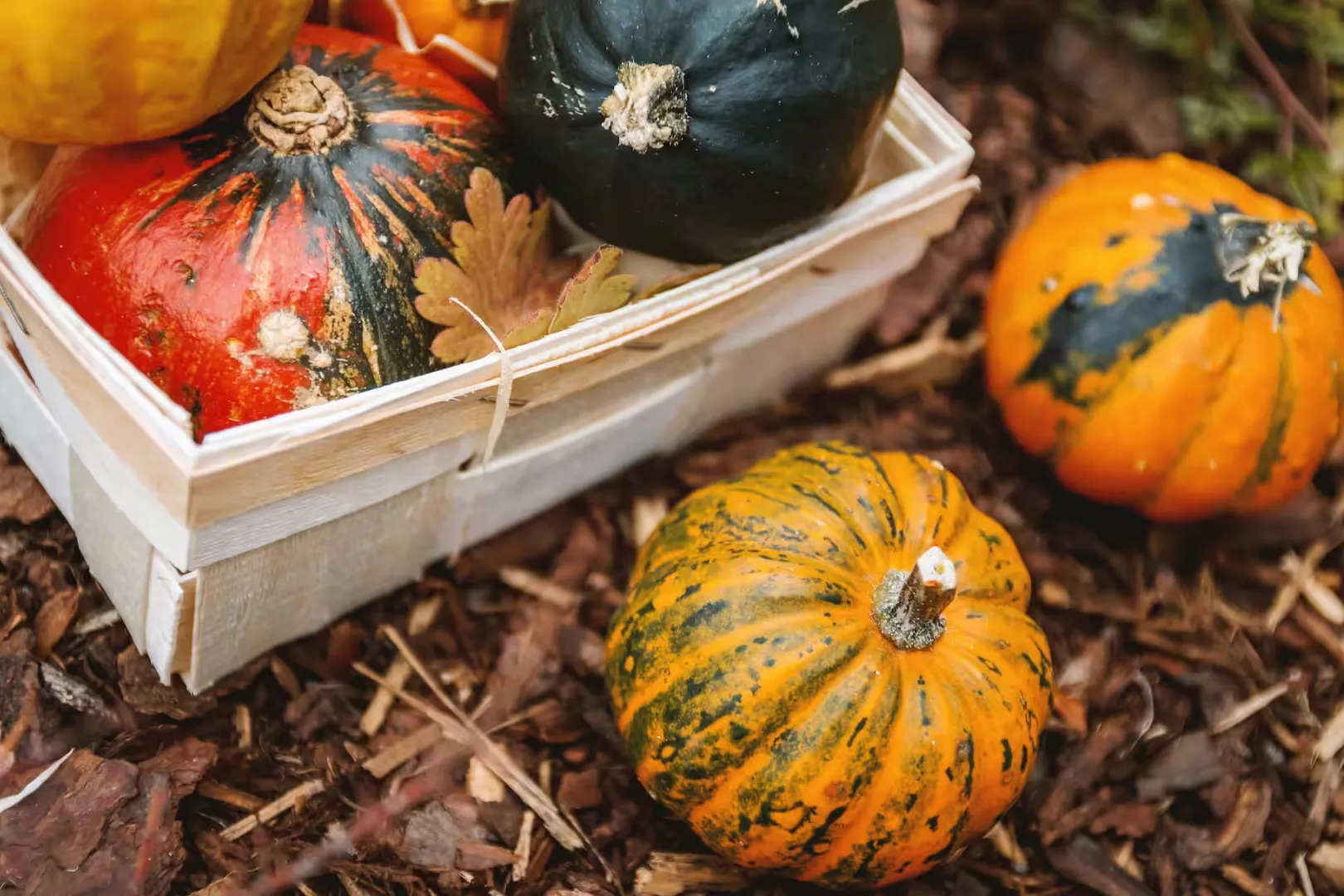
Squash come in summer and winter types, offering versatile fruits from tender courgette-like harvests to hard-skinned varieties that store through winter. They're vigorous plants that love sun and rich soil, producing colourful, flavourful crops perfect for roasting, soups, or stuffing. With trailing or compact options, there's a squash for every garden size.
60 cm · Full Sun · High Water
| Activity | January | February | March | April | May | June | July | August | September | October | November | December |
|---|---|---|---|---|---|---|---|---|---|---|---|---|
| Sow indoors | No | No | No | Yes | No | No | No | No | No | No | No | No |
| Harvest | No | No | No | No | No | No | Yes | Yes | Yes | Yes | No | No |
UK averages · set your town for dates worked out from your local frost records · how dates are worked out
What to do through the growing season
Change the guide to see different planting timelines and tips.
Ideal for patios or smaller plots using bush varieties like patty pan or compact butternuts, often grown in large pots or bags.
01
Sow seeds on their side in pots of peat-free compost about deep. Keep them warm at around for good germination, then grow the seedlings on in bright light.
02
Harden plants off outdoors for seven to ten days, then move them into large containers at least wide once frost risk has passed in the UK. Use rich peat-free compost and water them in thoroughly.
03
Water consistently to prevent drying out, especially during dry spells, and feed regularly with high-potash fertiliser as fruits develop.
04
From mid-July, pick summer types while the fruits are young and tender. Let winter types mature until the skins are hard, then cut them with a short stem attached before late October. Do not eat any fruit that tastes unusually bitter.
Popular varieties of Squash to consider
A classic grey-blue winter squash with deep orange, dense flesh. It crops reliably in cool, wet summers and keeps for months, making it a solid choice for UK plots.
An early butternut squash that sets fruit even in poor summers. Its compact plants work well in small gardens, and the small, sweet fruits ripen before autumn frosts.
This red-skinned, onion-shaped squash has a dry, sweet flesh with a chestnut-like flavour. It matures quickly, so it copes with the shorter UK growing season.
A small, cream and green striped squash with a mild, sweet flavour and edible skin. Ideal for single servings and reliable in containers or on a greenhouse boundary.
A novelty squash whose cooked flesh separates into spaghetti-like strands. It's a dependable cropper in UK weather and fun for children to grow.
Explore similar plants you might like