Mizuna
The standard green form, with finely cut leaves and a mild mustard flavour.
Brassica rapa subsp. nipposinica
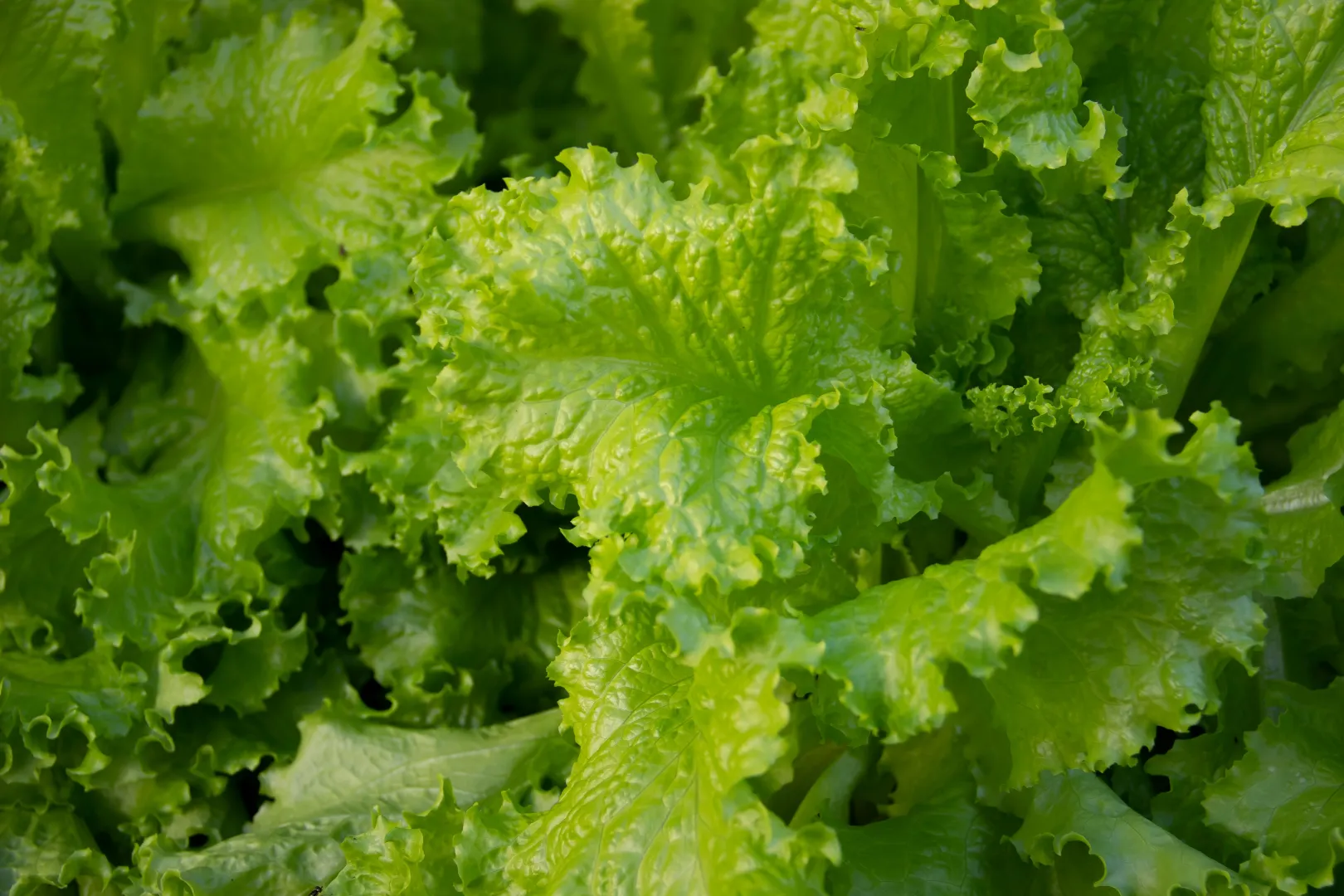
A fast Japanese mustard green for the UK garden. Sow a little at a time, keep the soil evenly moist, and give light shade in heat so plants do not bolt.
30 cm · Full Sun · Moderate Water
| Activity | January | February | March | April | May | June | July | August | September | October | November | December |
|---|---|---|---|---|---|---|---|---|---|---|---|---|
| Sow outdoors | No | No | No | Yes | Yes | Yes | Yes | Yes | Yes | No | No | No |
| Harvest | No | No | No | No | Yes | Yes | Yes | Yes | Yes | Yes | No | No |
UK averages · set your town for dates worked out from your local frost records · how dates are worked out
What to do through the growing season
Change the guide to see different planting timelines and tips.
Sow small batches outside for a long season of cut-and-come-again leaves. This is the usual UK way to grow mizuna in a bed.
01
Sow thinly around mid-April to mid-September in shallow drills. Cover with of fine compost. Sow a fresh batch every 14 days.
02
After each sowing, once seedlings are large enough to handle, thin to apart. Snip extras at soil level so you do not disturb the roots you want to keep.
03
From mid-April, protect each sowing from slugs as soon as it germinates. Use mesh if flea beetle is pinholing the leaves. Keep this up through late October.
04
After each sowing, keep the soil evenly moist from mid-April through late October. Dry spells make plants bolt. Water at the base.
05
Start picking after each sowing from mid-May, once baby leaves are big enough to eat. Take outer leaves, or cut about above the soil so the plant resprouts. Keep picking little and often through late October.
Tap a plant to see why it works (or doesn't) with Mizuna.
Companion planting can deter pests, improve pollination, and make better use of space. Some plants confuse pests or attract beneficial insects; others improve soil or offer shade to neighbours that need it.
Popular varieties of Mizuna to consider
The standard green form, with finely cut leaves and a mild mustard flavour.
A red-tinged selection with the same quick growth and peppery bite.
A common green mizuna type, valued for its neat leaf shape and steady cutting.
A darker ornamental strain that is still good to eat when picked young.
Explore similar plants you might like