Bush Baby
Compact bush marrow with small, tender fruits, useful where space is limited.
Cucurbita pepo
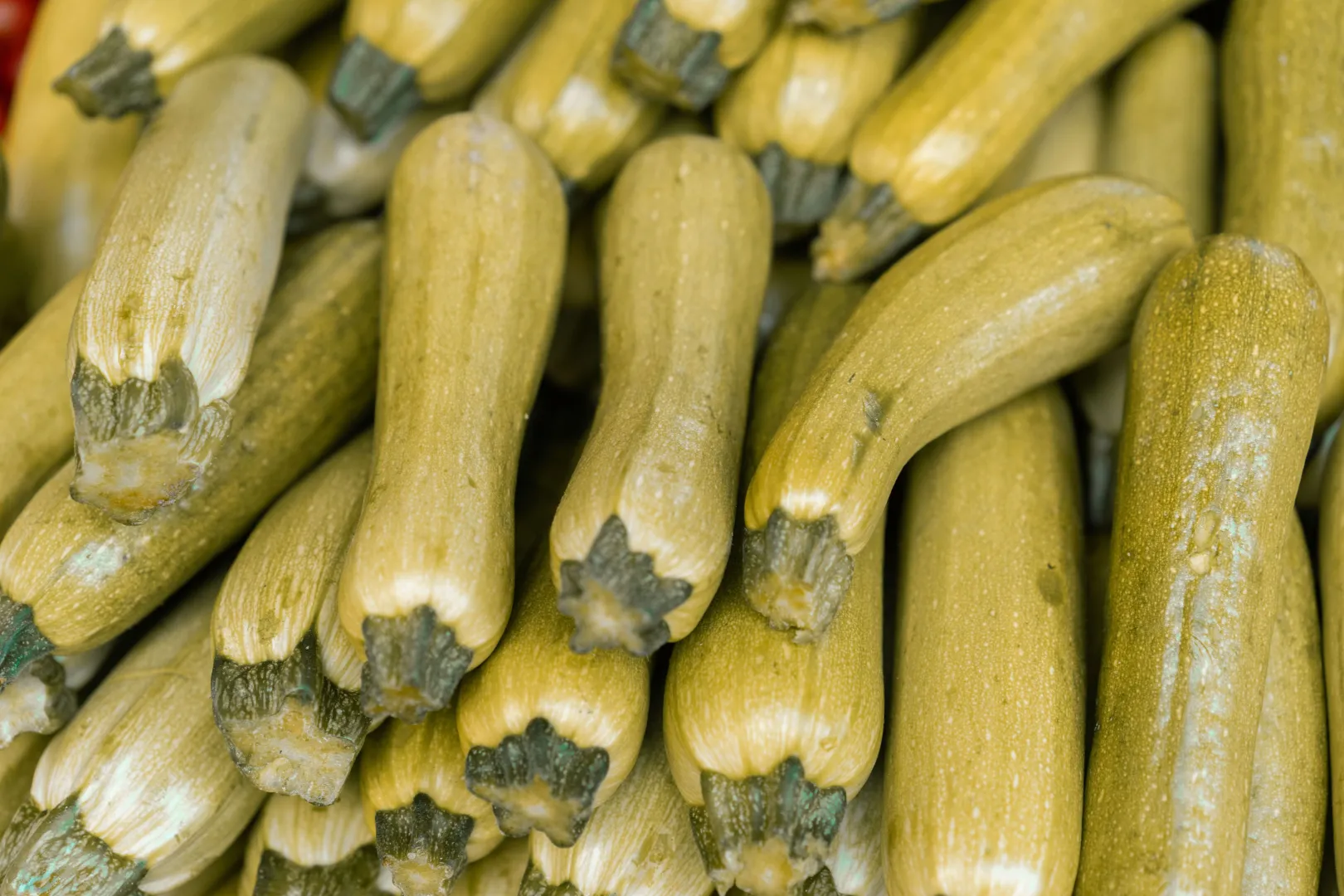
A tender summer squash grown outdoors in rich, moisture-retentive soil once frost risk has passed. Start indoors for the best crop in the UK, then plant out into a sunny, sheltered spot and keep the plants well watered and fed through summer.
60 cm · Full Sun · High Water
| Activity | January | February | March | April | May | June | July | August | September | October | November | December |
|---|---|---|---|---|---|---|---|---|---|---|---|---|
| Sow indoors | No | No | No | Yes | No | No | No | No | No | No | No | No |
| Plant out | No | No | No | No | Yes | No | No | No | No | No | No | No |
| Harvest | No | No | No | No | No | No | Yes | Yes | Yes | Yes | No | No |
UK averages · set your town for dates worked out from your local frost records · how dates are worked out
What to do through the growing season
01
Sow seeds on their edge around mid-April in small pots of warm seed compost. Keep them at and do not sow too early, because marrow seedlings grow fast and can suffer if they become root-bound.
02
When the first true leaves appear, prick out or move each seedling into a larger pot at late April to mid-May. Handle them gently and keep the compost just moist, not wet.
03
From early May to late May, move the plants outside for short periods each day so they adjust to wind, cooler nights and direct sun. Keep them under fleece or in a cold frame at night if conditions are still unsettled.
04
Set plants out at mid-May to late May once frost risk has passed and the soil is warm. Plant into rich, well-watered mounds or pockets, then water in thoroughly without wetting the stem.
05
From late May to late July, keep the plants centred on their mound and tuck the stems back if they stray. In a small garden, use a short frame or straw to keep fruit off damp soil and reduce rot.
06
From mid-June to late October, water deeply around the plant rather than over the leaves, and feed every 14 days once the first fruits set. Keep the compost or soil evenly moist so the fruit fills properly and avoids bitterness.
07
Pick fruits from mid-July while they are still young and tender, then keep harvesting regularly until late October. Cut them with a knife or secateurs so you do not damage the stem, and check plants every few days. Do not eat any fruit that tastes unusually bitter; discard the fruit and remove the plant.
Popular varieties of Marrow to consider
Compact bush marrow with small, tender fruits, useful where space is limited.
A reliable UK-grown type with good vigour and pale-striped fruits.
Round-fruited type that crops well as a baby marrow when picked small.
Explore similar plants you might like