Toscane
A popular savoy-leaved spinach with dark, crinkled leaves and good flavour for repeated picking.
Spinacia oleracea
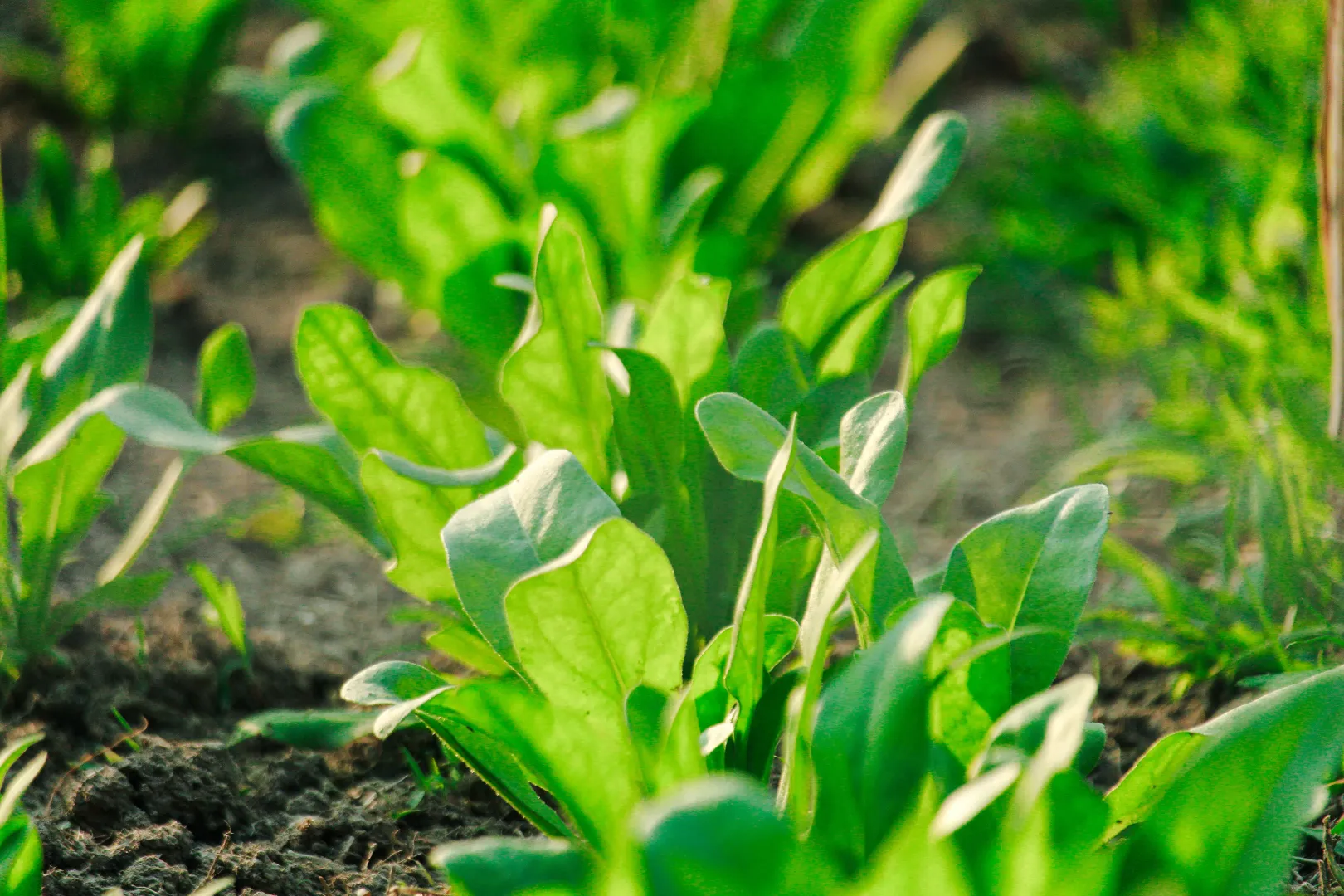
Spinach is a fast-growing leafy crop for cool UK weather. Sow in short runs through spring and late summer, keep the soil moist, and pick leaves regularly before plants run to seed in warm spells.
30 cm · Full Sun · High Water
Calibrated to Old Town · last frost ≈ 16 Feb
| Activity | January | February | March | April | May | June | July | August | September | October | November | December |
|---|---|---|---|---|---|---|---|---|---|---|---|---|
| Sow | Yes | Yes | Yes | No | No | No | No | No | No | No | No | No |
| Harvest | No | No | Yes | Yes | No | No | No | No | No | No | No | No |
Step-by-step instructions for growing Spinach
01
Sow a short row or patch around 2nd January - 18th March, using fresh seed every 21 days for a steady supply. Sow thinly in shallow drills about deep and keep the soil lightly moist until germination.
02
When seedlings are large enough to handle, from 22nd February, thin them to the final spacing so each plant has room to make broad leaves. Use scissors rather than pulling if the roots are tangled, and water the row after thinning.
03
From 15th February, watch young plants closely and clear slugs and snails by hand, traps, or a simple barrier. They can strip a row in one night, especially in damp weather, so check at 15th February - 15th March regularly.
04
From 22nd February through 9th April, keep the soil evenly moist so the plants stay tender and do not bolt early. Water at the base in dry spells, and give container-grown plants extra attention because they dry out fast.
05
Start picking from 15th March and keep going until 29th April. Take outer leaves for cut-and-come-again harvesting, or cut the whole plant just above the crown if you want a single larger crop.
Tap a plant to see why it works (or doesn't) with Spinach.
Companion planting can deter pests, improve pollination, and make better use of space. Some plants confuse pests or attract beneficial insects; others improve soil or offer shade to neighbours that need it.
Popular varieties of Spinach to consider
A popular savoy-leaved spinach with dark, crinkled leaves and good flavour for repeated picking.
A hardy, bolt-resistant variety suited to cool-weather sowing and useful for early and late crops.
A smooth-leaved spinach with a steady habit and useful field performance for home gardens.
Explore similar plants you might like
See how Spinach timing shifts in other towns with different frost dates.