Aurea
Golden-leaved form with a mild lemon scent and pale foliage that brightens a pot or herb bed.
Melissa officinalis
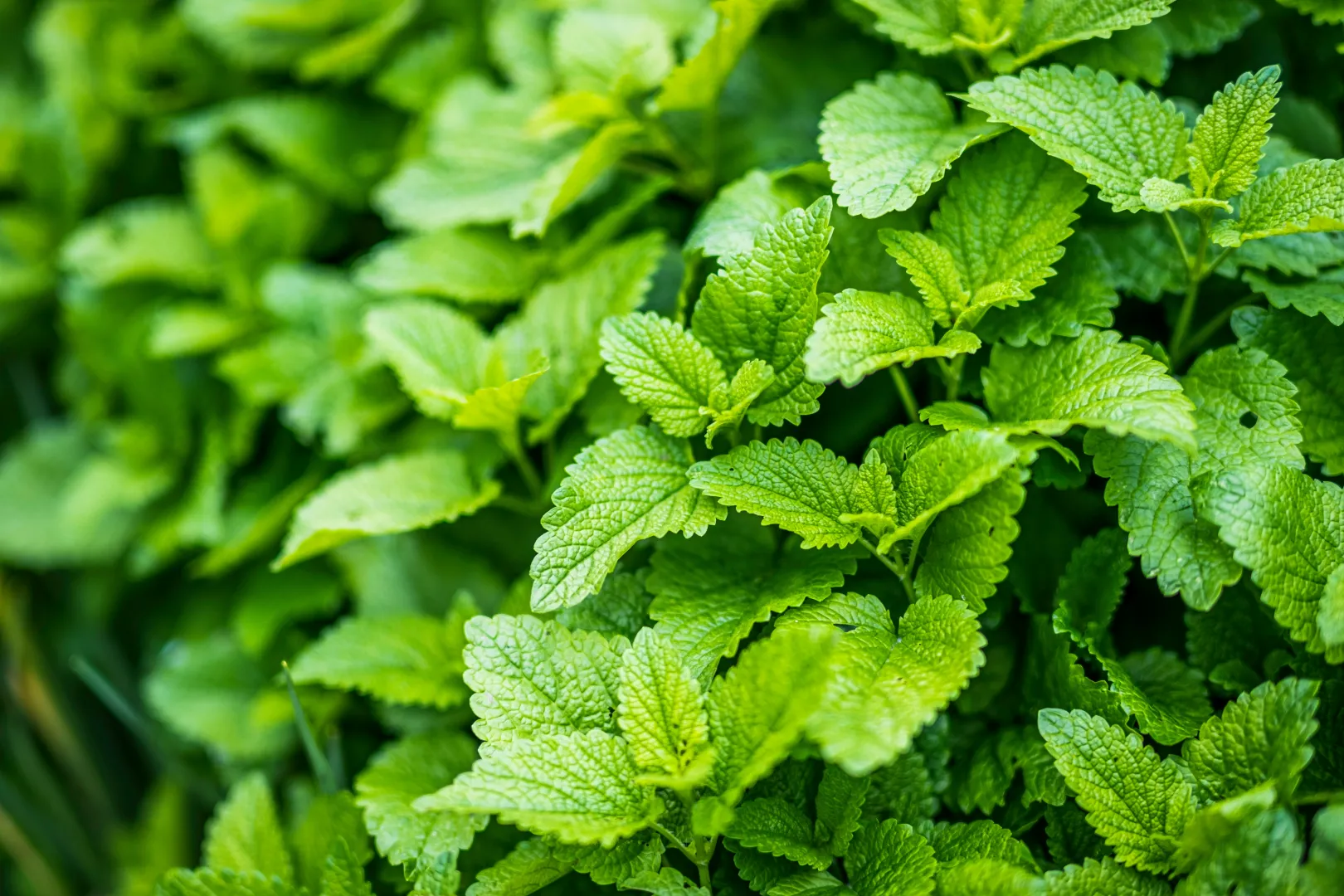
A hardy, bushy herb with a lemon scent and soft leaves. It grows well in the ground or a pot in most UK gardens, and will spread if you let it.
60 cm · Partial Shade · Moderate Water
| Activity | January | February | March | April | May | June | July | August | September | October | November | December |
|---|---|---|---|---|---|---|---|---|---|---|---|---|
| Sow indoors | No | No | Yes | No | No | No | No | No | No | No | No | No |
| Plant out | No | No | No | No | Yes | Yes | No | No | No | No | No | No |
| Harvest | No | No | No | No | No | Yes | Yes | Yes | Yes | Yes | No | No |
UK averages · set your town for dates worked out from your local frost records · how dates are worked out
What to do through the growing season
01
Sow seed thinly on the surface of moist seed compost around late March. Barely cover it, because light helps germination, and keep the compost just damp until seedlings appear.
02
When the seedlings are large enough to handle, thin them or prick them out into small pots. Keep them growing in bright light and water carefully so the roots do not dry out.
03
Move young plants outside gradually over early May to mid-May if they were started under cover. Increase their exposure to wind and cooler air each day before planting out.
04
Plant into a sunny or lightly shaded spot once the soil is workable and the plants are sturdy. Water in thoroughly at mid-May, then keep them moist while they settle, or pot them on into a larger container with free-draining compost.
05
From mid-May, water during dry spells and pinch out the tips regularly to keep plants bushy and delay flowering. If the weather turns very dry, give container plants extra attention so growth stays soft and leafy.
06
Start picking once plants are well established, from early June, by snipping the top growth just above a leaf pair. Harvest often through early June to late October, and cut back any flower stems to keep the flavour best.
Popular varieties of Lemon Balm to consider
Golden-leaved form with a mild lemon scent and pale foliage that brightens a pot or herb bed.
Compact golden selection with soft yellow leaves and the same fresh flavour as the green form.
Strong-growing type with a pronounced lemon scent, useful for regular cutting.
Explore similar plants you might like