Sivri
A reported cucamelon selection sold by some seed merchants, valued for steady cropping in warm conditions.
Melothria scabra
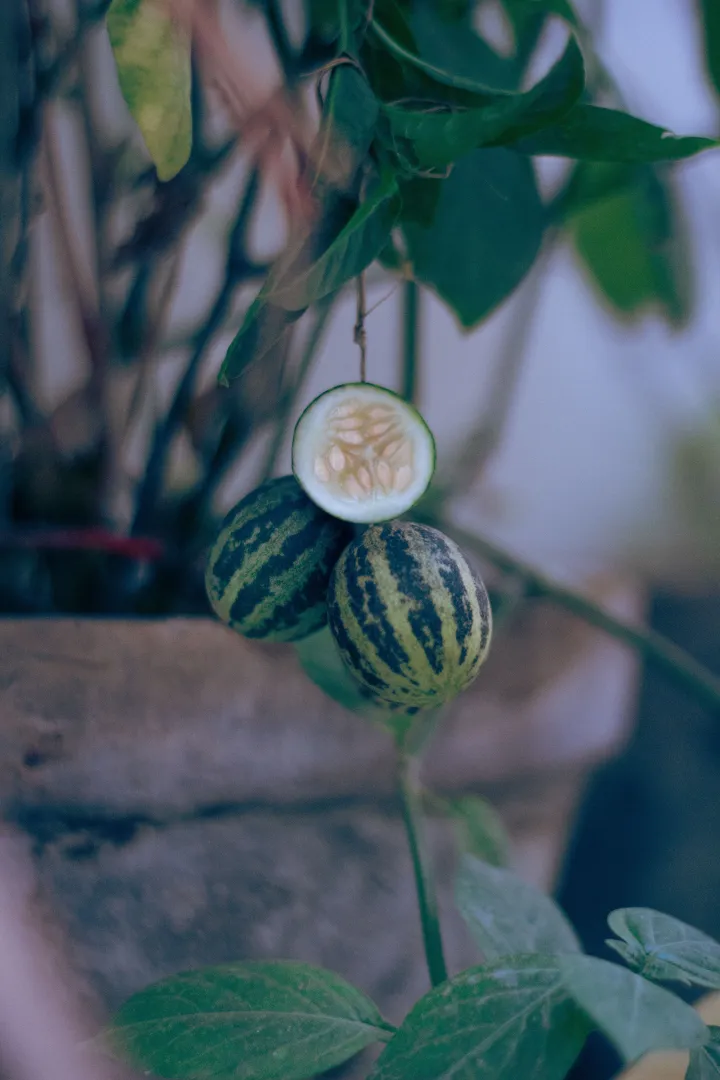
A tender climbing plant grown for its tiny cucumber-like fruits. In the UK, start seed indoors, move plants out only after the last frost, and give them warmth, a sunny sheltered spot, and steady moisture for a reliable crop.
200 cm · Full Sun · Moderate Water
| Activity | January | February | March | April | May | June | July | August | September | October | November | December |
|---|---|---|---|---|---|---|---|---|---|---|---|---|
| Sow indoors | No | No | No | Yes | No | No | No | No | No | No | No | No |
| Plant out | No | No | No | No | Yes | No | No | No | No | No | No | No |
| Harvest | No | No | No | No | No | No | Yes | Yes | Yes | Yes | No | No |
UK averages · set your town for dates worked out from your local frost records · how dates are worked out
What to do through the growing season
01
Sow seeds from mid-April to mid-April on their edge in small pots of moist seed compost. Keep them warm at and do not sow too early, as young cucamelons dislike sitting root-bound. Cover the seed to a depth of .
02
From late April to mid-May, keep seedlings bright and evenly moist, and prick them out or pot them on before they become cramped. A small pot-up early is better than leaving them crowded, because cucamelons make fine roots but resent checks in growth.
03
From early May to mid-May, move plants outside for short spells in a sheltered place, then bring them back in at night. Do this gradually over about 10 days so they adjust without stalling.
04
Set plants out from mid-May to late May after frost risk has passed, planting into rich soil or a large container on a slight mound. Water in thoroughly at once, then give each plant support so the stems stay off damp soil and the fruits are easier to pick.
05
From late May to late October, tie growth loosely to a trellis or canes and keep the soil evenly moist. Water at the base rather than over the foliage, as wet leaves encourage mildew and a wet stem base can rot.
06
Pick fruits from late July to late October while they are still small and firm, before the skins toughen. Harvest often, every 7 days or so, because regular picking keeps the plant cropping for longer.
Popular varieties of Cucamelon to consider
A reported cucamelon selection sold by some seed merchants, valued for steady cropping in warm conditions.
Explore similar plants you might like