German Chamomile
The standard annual chamomile grown for tea and drying, with small scented flowers and a loose habit.
Matricaria chamomilla
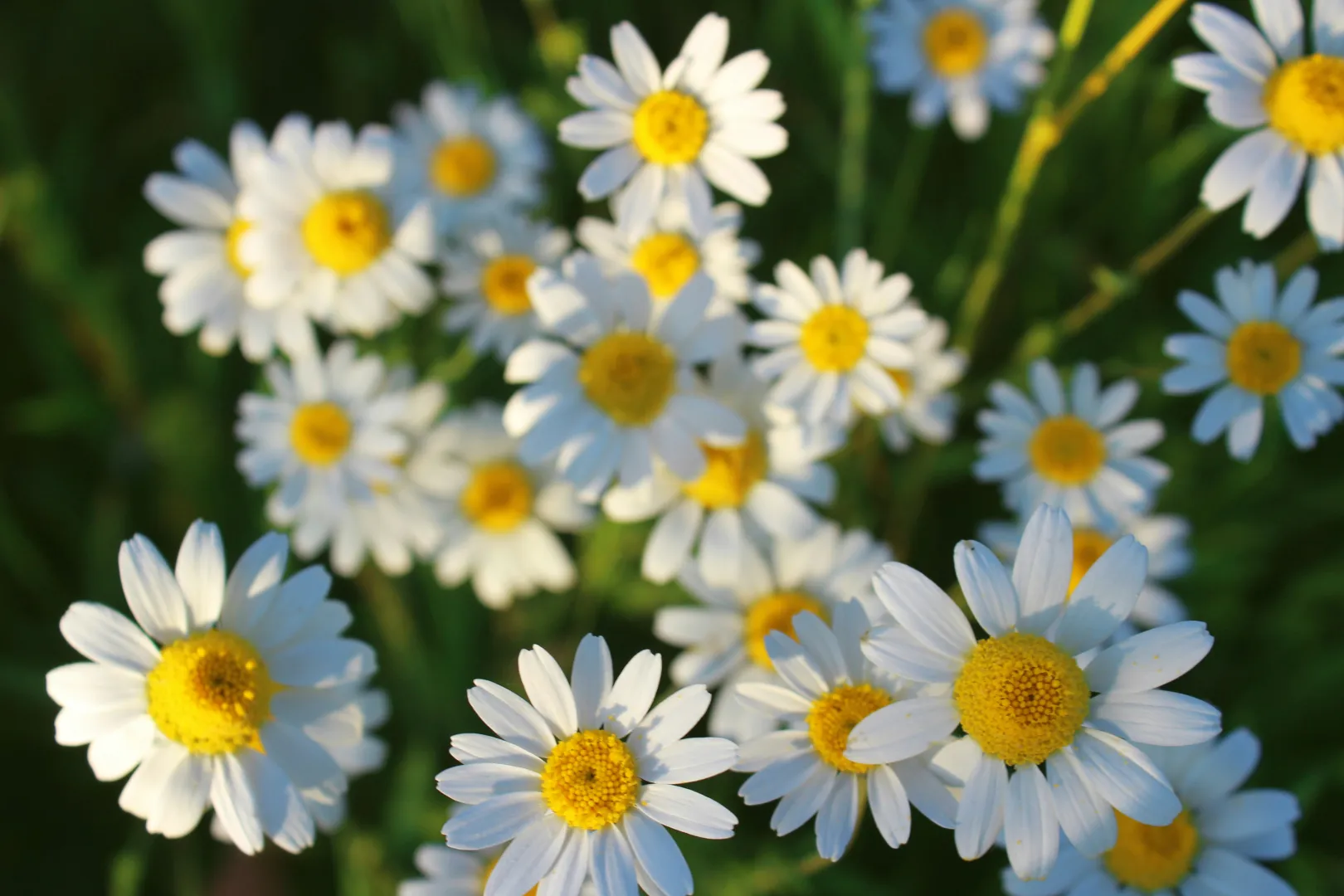
A hardy annual herb grown for its small daisy-like flowers, usually sown in spring in the UK. It grows best in a sunny, well-drained spot and flowers well if picked regularly.
45 cm · Full Sun · Moderate Water
| Activity | January | February | March | April | May | June | July | August | September | October | November | December |
|---|---|---|---|---|---|---|---|---|---|---|---|---|
| Sow outdoors | No | No | No | Yes | Yes | No | No | No | No | No | No | No |
| Harvest | No | No | No | No | No | Yes | Yes | Yes | Yes | Yes | No | No |
UK averages · set your town for dates worked out from your local frost records · how dates are worked out
What to do through the growing season
01
Sow seeds thinly on the surface of fine compost around mid-April to late May. Press them in lightly or cover with only a dusting of compost, then keep the surface just moist until they germinate.
02
When seedlings are large enough to handle from early May to early July, thin them so the strongest plants have room to grow. Keep the compost lightly moist and avoid disturbing the roots more than needed.
03
From mid-April to late October, water only enough to stop the plants drying out while they establish. Once rooted, chamomile prefers the soil to dry a little between waterings, especially in containers.
04
Pick the flower heads from late June to late October when they are fully open and the centres are still fresh. Harvest every few days to keep the plants flowering, then dry the flowers quickly in a warm, airy place.
Popular varieties of Chamomile to consider
The standard annual chamomile grown for tea and drying, with small scented flowers and a loose habit.
A named German chamomile selection grown for reliable flowering and good drying quality.
Explore similar plants you might like