Belstar
A reliable F1 hybrid with good heat tolerance, producing medium-sized blue-green heads and abundant side shoots. It's resistant to bolting and suitable for UK summers.
Brassica oleracea var. italica
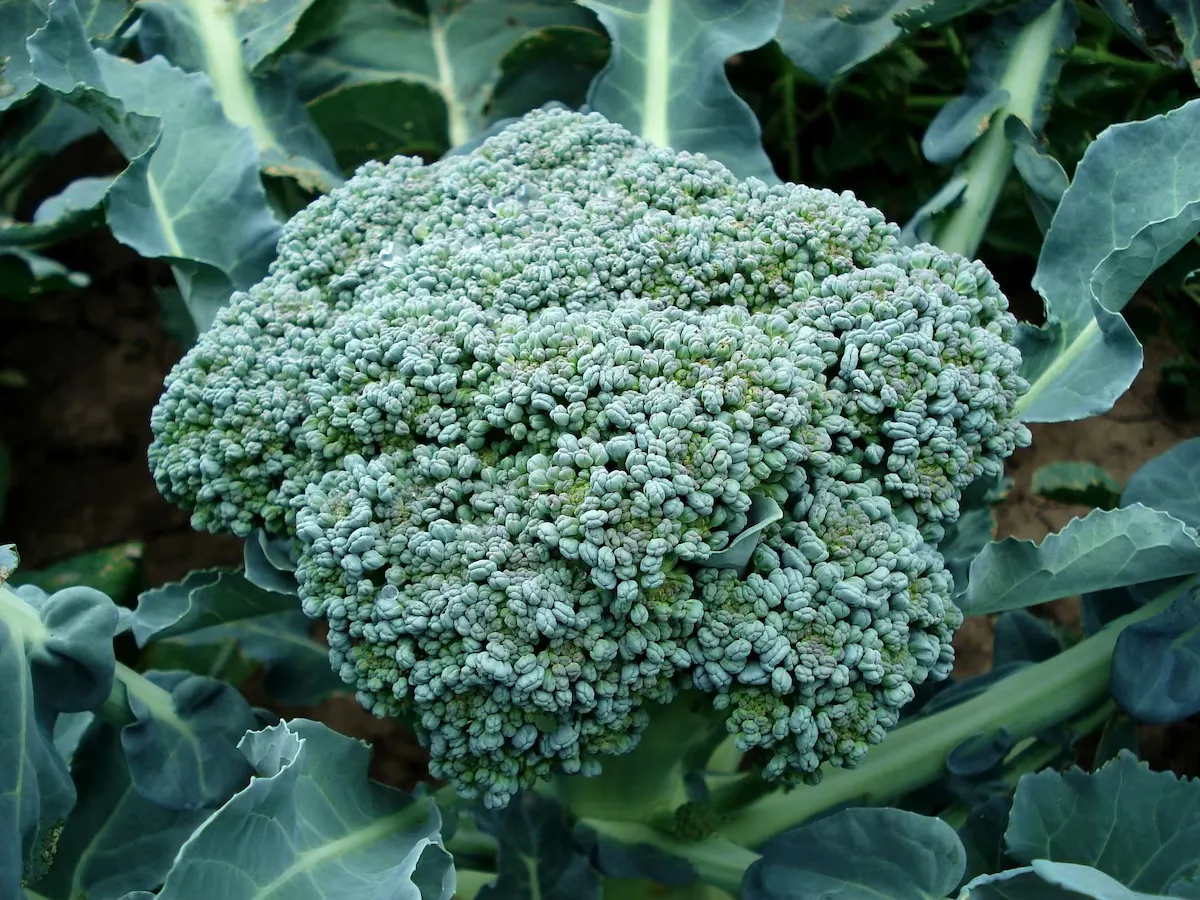
Calabrese (broccoli) produces a large central head of tightly-packed green buds, followed by smaller side-shoots after the main head is cut. It’s a cool-season brassica crop. Grow it in full sun with fertile, well-drained soil and keep plants watered during dry spells. Harvest the heads while firm, then leave the stem in the ground to allow side-shoots to develop.
60 cm · Full Sun · Moderate Water
Calibrated to York · average last frost around 26 Apr
| Activity | January | February | March | April | May | June | July | August | September | October | November | December |
|---|---|---|---|---|---|---|---|---|---|---|---|---|
| Sow outdoors | No | No | No | Yes | Yes | No | No | No | No | No | No | No |
| Harvest | No | No | No | No | No | No | Yes | Yes | Yes | Yes | No | No |
What to do through the growing season
Change the guide to see different planting timelines and tips.
Sow calabrese directly outdoors for a later harvest, extending the cropping season after the main indoor-raised crop.
01
Sow seeds directly into prepared soil from 26th April - 26th May. Make drills deep and space seeds apart, thinning later. Cover lightly with soil and water well. Sow a new batch every 21 days across the displayed sowing window for a steadier crop.
02
Thin seedlings to the final spacing of apart once they have two true leaves, around 10th May - 16th June. Remove the weakest plants, leaving the strongest to grow. Water after thinning to help the remaining plants establish.
03
Protect plants from pests as they grow from 17th May - 23rd June. Use fine mesh netting to cover the bed, securing it well to keep out butterflies and birds. Add brassica collars to each plant to prevent root fly damage.
04
Apply a nitrogen-rich fertiliser every 28 days from 24th May to encourage growth. Use a liquid feed or granular fertiliser, watering it in thoroughly. Discontinue feeding when the central head begins to form.
05
Cut the main head when it's compact and before the flowers open, from 5th July. Harvest side shoots regularly as they develop until 29th October. Keep the soil moist to reduce the risk of bolting during dry spells.
Popular varieties of Calabrese to consider
A reliable F1 hybrid with good heat tolerance, producing medium-sized blue-green heads and abundant side shoots. It's resistant to bolting and suitable for UK summers.
An early-maturing variety with uniform, dense heads and a sweet flavour. It performs well in cooler conditions and is ideal for succession sowing.
A vigorous F1 hybrid known for its large central head and prolific side shoot production. It has good disease resistance and is well-suited to organic growing.
Explore similar plants you might like
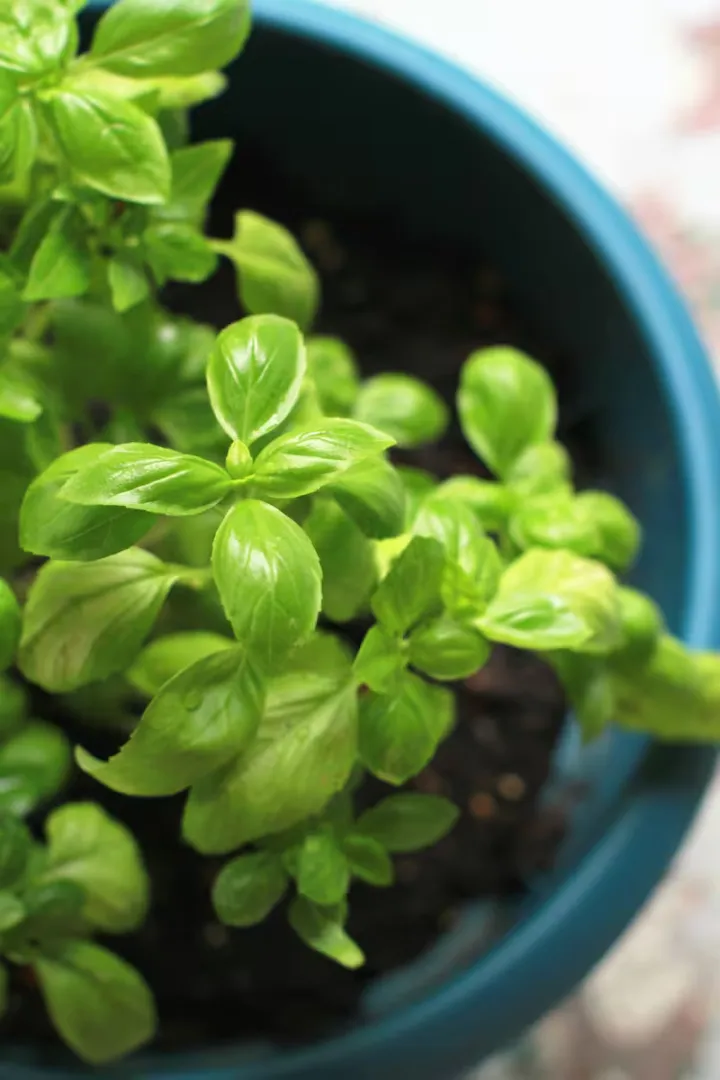
Sow indoors March, plant out May, harvest June to September. Typical frost risk October to April.
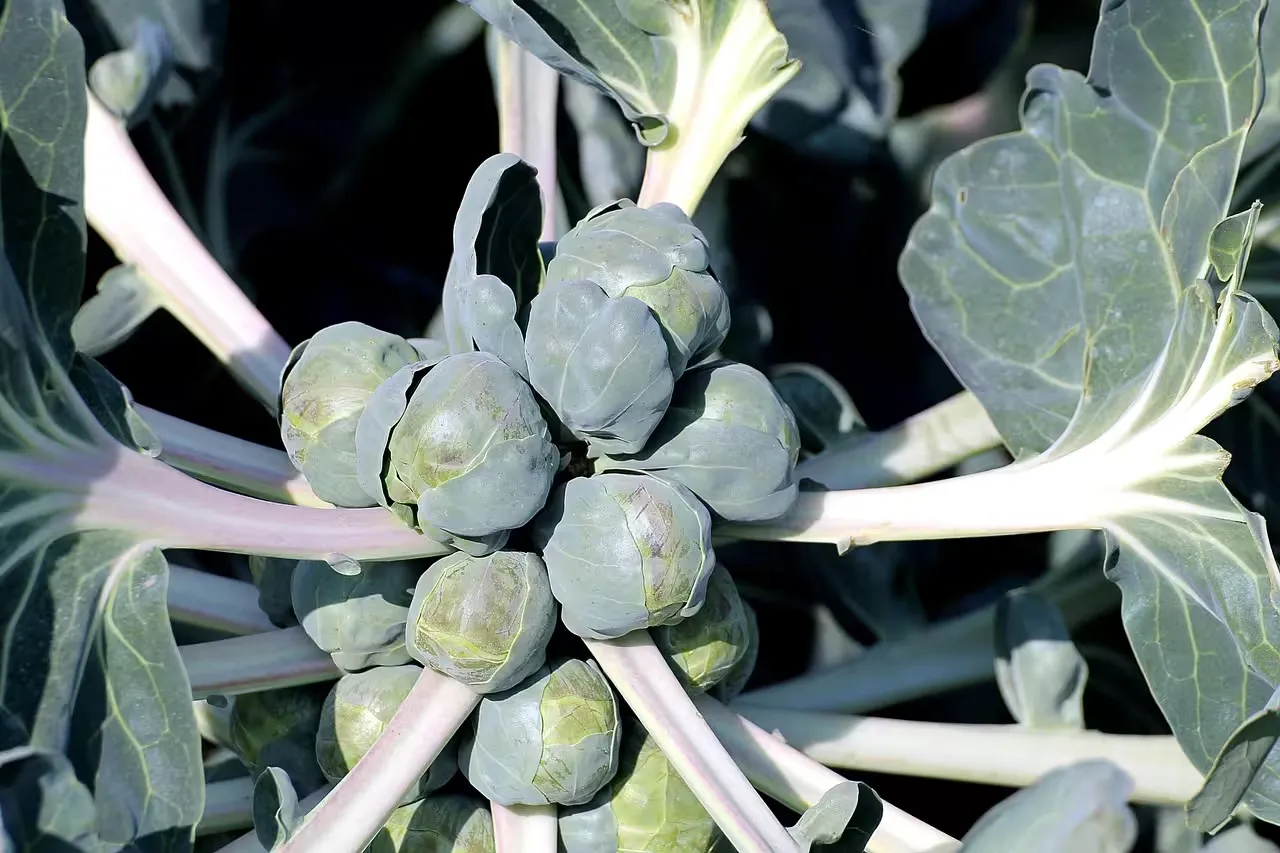
Sow indoors March, plant out May, harvest September to February. Typical frost risk October to April.
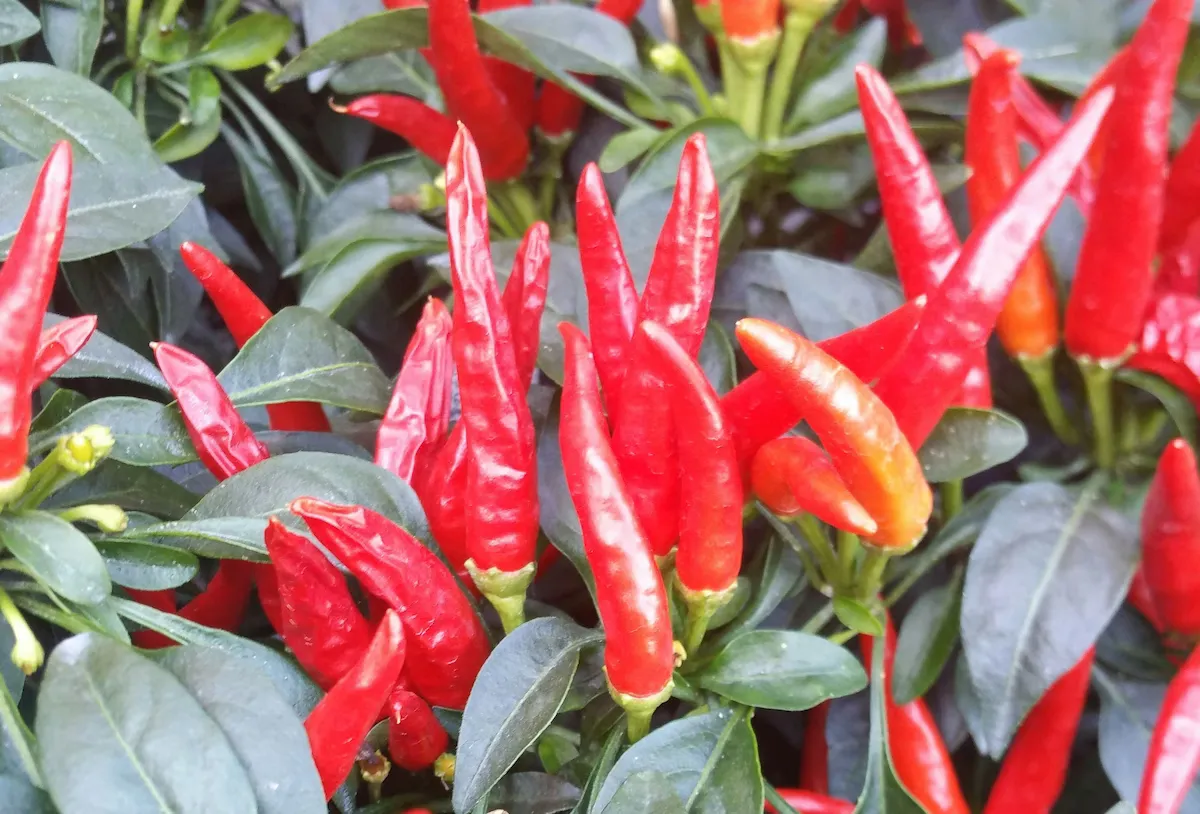
Sow indoors February, plant out May, harvest July to October. Typical frost risk October to April.
See how Calabrese timing shifts in other towns with different frost dates.