Belstar
A reliable F1 hybrid with good heat tolerance, producing medium-sized blue-green heads and abundant side shoots. It's resistant to bolting and suitable for UK summers.
Brassica oleracea var. italica
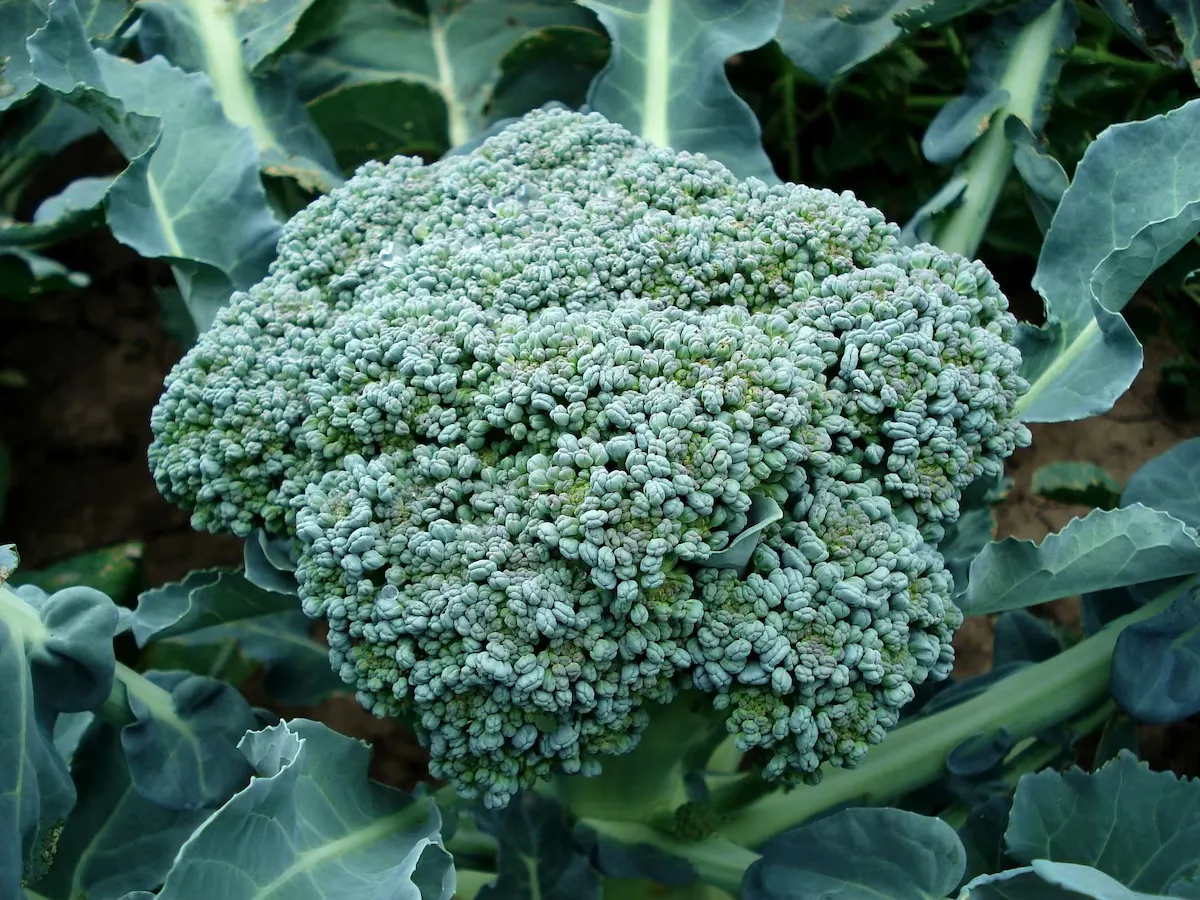
Calabrese (broccoli) produces a large central head of tightly-packed green buds, followed by smaller side-shoots after the main head is cut. It’s a cool-season brassica crop. Grow it in full sun with fertile, well-drained soil and keep plants watered during dry spells. Harvest the heads while firm, then leave the stem in the ground to allow side-shoots to develop.
60 cm · Full Sun · Moderate Water
Calibrated to Durham · average last frost around 10 May
| Activity | January | February | March | April | May | June | July | August | September | October | November | December |
|---|---|---|---|---|---|---|---|---|---|---|---|---|
| Sow indoors | No | No | Yes | Yes | No | No | No | No | No | No | No | No |
| Plant out | No | No | No | No | Yes | Yes | No | No | No | No | No | No |
| Harvest | No | No | No | No | No | No | Yes | Yes | Yes | Yes | No | No |
What to do through the growing season
Change the guide to see different planting timelines and tips.
Grow Calabrese for a main harvest in summer, with side shoots continuing into early autumn. This is the most common method for UK home gardeners.
01
Sow seeds indoors in modules or small pots from 26th March - 10th April. Use a good seed compost and cover lightly with . Keep at for germination, which takes 7-10 days. Water gently to keep the compost moist but not soggy.
02
Once seedlings have two true leaves, prick them out into individual pots from 9th April - 1st May. Handle by the leaves to avoid stem damage and plant at the same depth. Use a potting compost and water well after transplanting to settle the roots.
03
Gradually acclimatise plants to outdoor conditions over 7-10 days from 30th April - 22nd May. Start by placing them outside in a sheltered spot during the day, bringing them in at night. Increase exposure each day to prevent shock when transplanting.
04
Transplant hardened-off plants to their final growing position from 24th May - 7th June. Space them apart in rows apart. Firm the soil well around the roots with your heel to prevent wind-rock, a technique known as the 'Brassica Stomp'. Water in thoroughly.
05
Protect plants from pests immediately after transplanting from 24th May - 14th June. Cover with fine mesh netting to keep out cabbage white butterflies and pigeons. Fit brassica collars around the base of each stem to deter cabbage root fly larvae.
06
Apply a high-nitrogen liquid feed every 28 days from 7th June to encourage strong leafy growth. Water the feed in well. Reduce feeding once the main head starts to form to avoid over-fertilising.
07
Harvest the central head when it's firm and tight, cutting it with a sharp knife about down the stem from 23rd July. Leave the plant in the ground to produce side shoots, which you can pick regularly until 5th October. Water consistently during dry spells to keep heads developing nicely and reduce the risk of bolting.
Popular varieties of Calabrese to consider
A reliable F1 hybrid with good heat tolerance, producing medium-sized blue-green heads and abundant side shoots. It's resistant to bolting and suitable for UK summers.
An early-maturing variety with uniform, dense heads and a sweet flavour. It performs well in cooler conditions and is ideal for succession sowing.
A vigorous F1 hybrid known for its large central head and prolific side shoot production. It has good disease resistance and is well-suited to organic growing.
Explore similar plants you might like
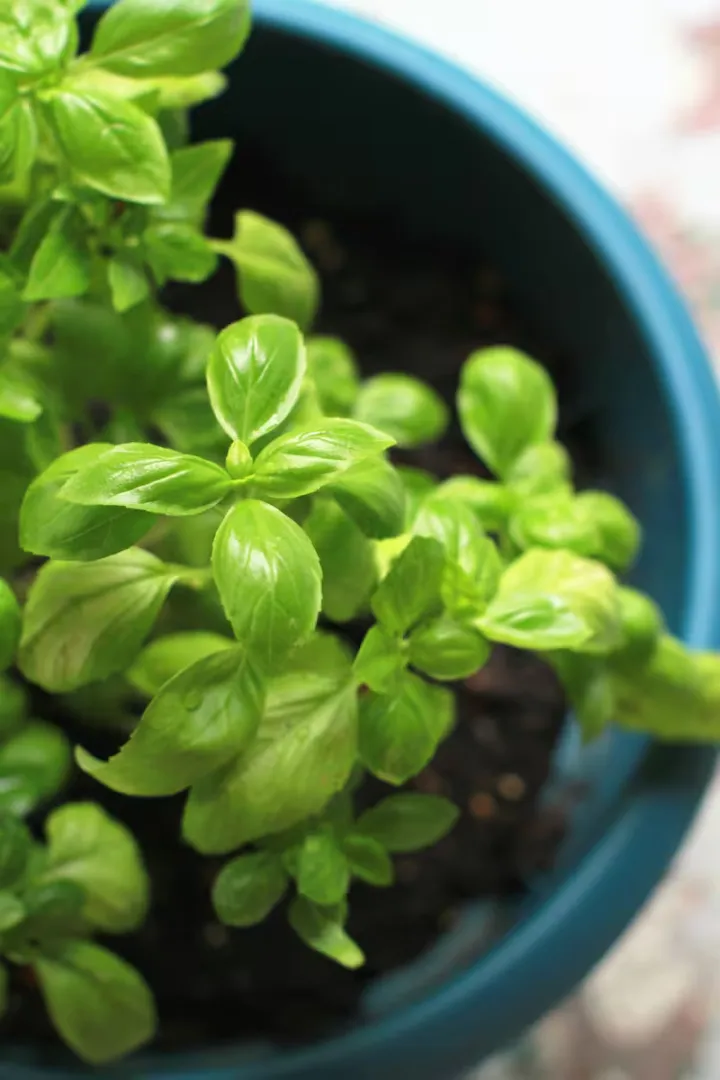
Sow indoors March to April, plant out May to June, harvest July to October. Typical frost risk October to May.
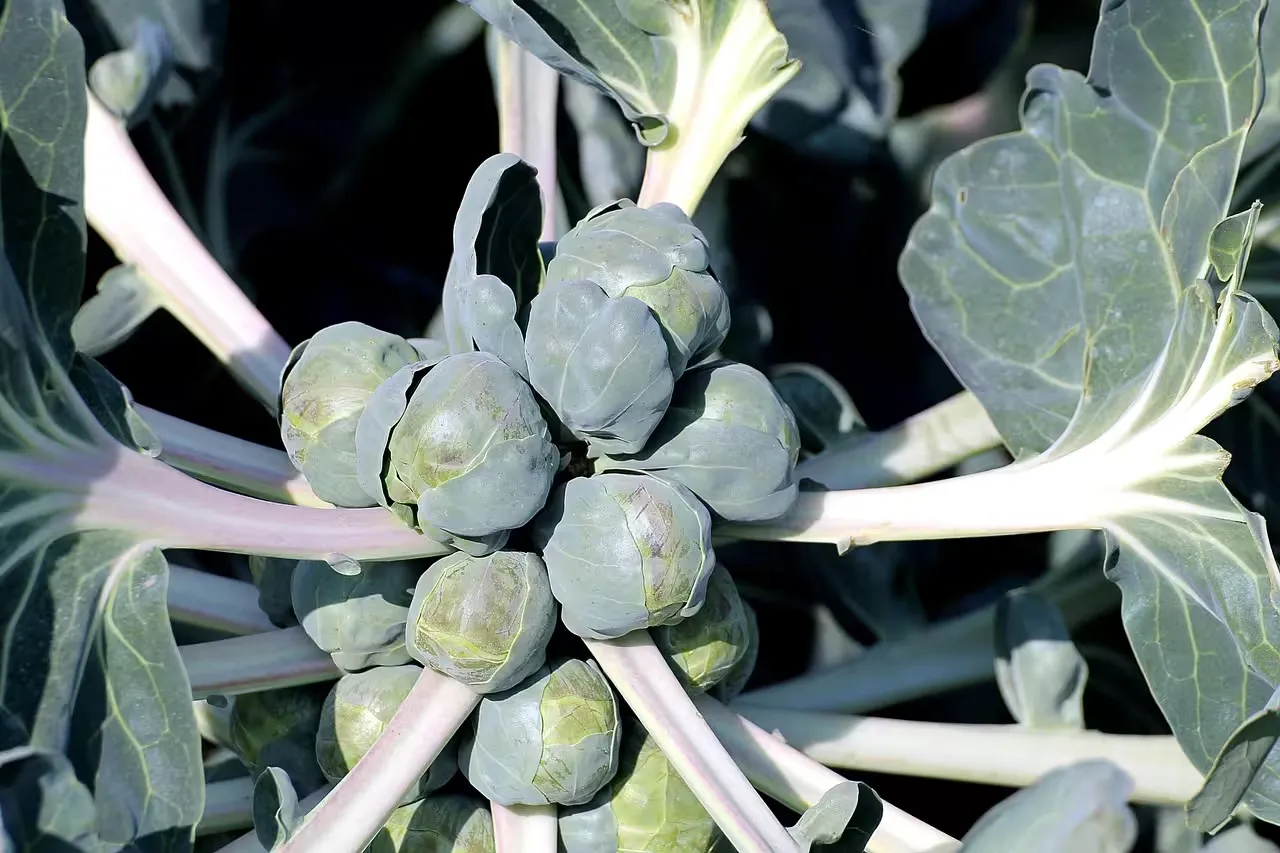
Sow indoors March to April, plant out May to June, harvest September to February. Typical frost risk October to May.
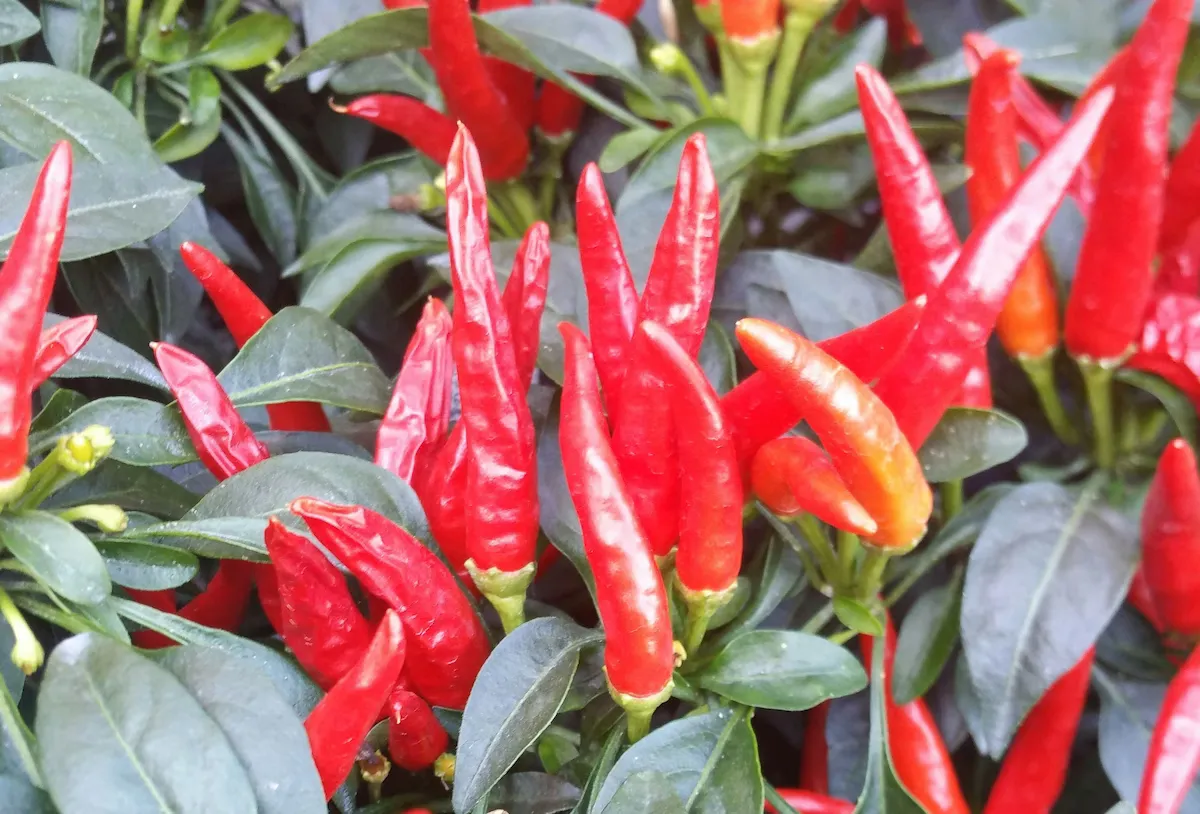
Sow indoors February to March, plant out May to June, harvest July to October. Typical frost risk October to May.
See how Calabrese timing shifts in other towns with different frost dates.