Sweet Basil
The classic variety with large, aromatic green leaves, ideal for pesto and Italian dishes.
Ocimum basilicum
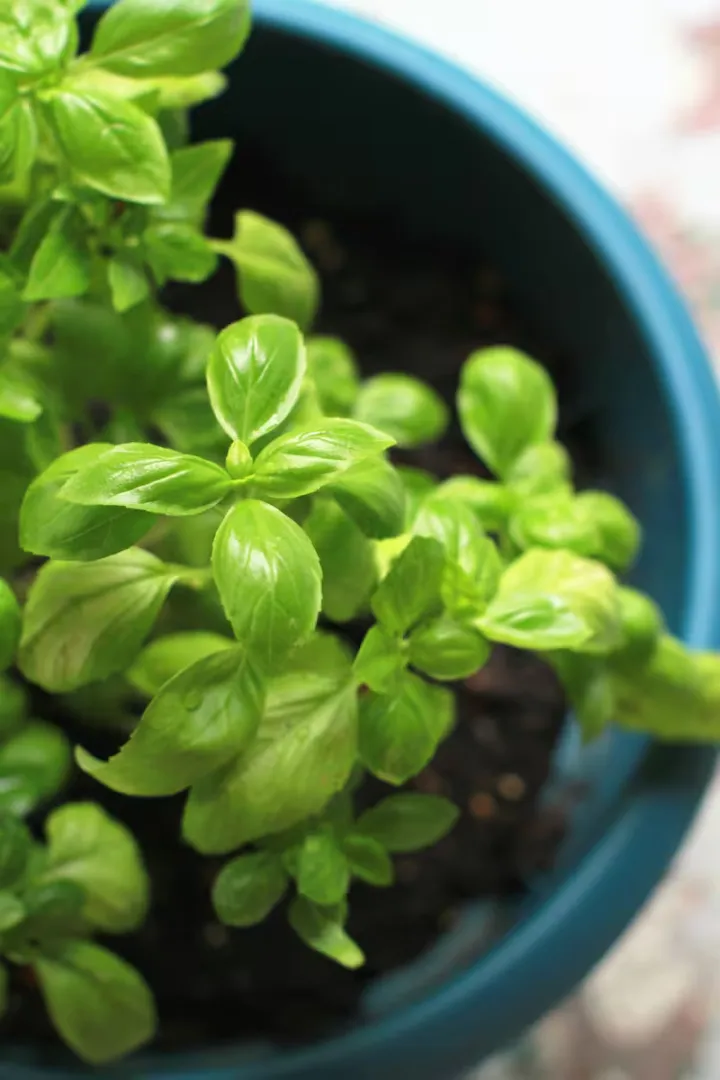
Basil is a fragrant, tender herb whose leaves are a staple of summer cooking. Native to tropical regions, basil is treated as an annual in temperate climates like the UK because it cannot tolerate frost. It thrives in warm, sunny conditions and can be grown in garden beds or pots for a steady supply of fresh, flavourful leaves throughout the summer.
60 cm · Full Sun · Moderate Water
What to do through the growing season
Change the guide to see different planting timelines and tips.
Guide to growing new basil plants from cuttings taken from an existing basil plant.
01
Take healthy basil cuttings about long around 30th August - 29th September. Cut just below a leaf node with clean scissors, remove the lower leaves and place the cut end in water or moist compost. Keep warm and bright, out of direct sun. Roots usually begin to form within one to two weeks.
02
Once the cuttings have developed roots a few centimetres long, pot each one into its own container. Use small pots filled with fresh, peat-free multipurpose compost. Plant the rooted cutting gently into the compost and firm it in. Water the newly potted basil and keep it in a warm, light spot (but sheltered from harsh sun) to help it settle in. Soon the cutting will resume growth as a new basil plant.
03
Begin keeping rooted cuttings indoors from 29th October, as basil cannot tolerate frost. Keep them warm and bright throughout the full frost season. Water when the compost surface dries, taking care not to leave it wet in low light. Keep plants indoors until the return-outside step after the local last frost.
04
After the local last frost, harden overwintered plants off over 26th April - 10th May. Put them outside in shelter for a few hours at first, then increase exposure each day. Move them outside permanently once nights reliably stay above and no frost is forecast.
Popular varieties of Basil to consider
The classic variety with large, aromatic green leaves, ideal for pesto and Italian dishes.
A compact, bushy variety with small leaves, perfect for container growing and slower to bolt.
Adds colour to the garden with deep purple leaves and a slightly stronger flavour, great for garnishes.
Explore similar plants you might like
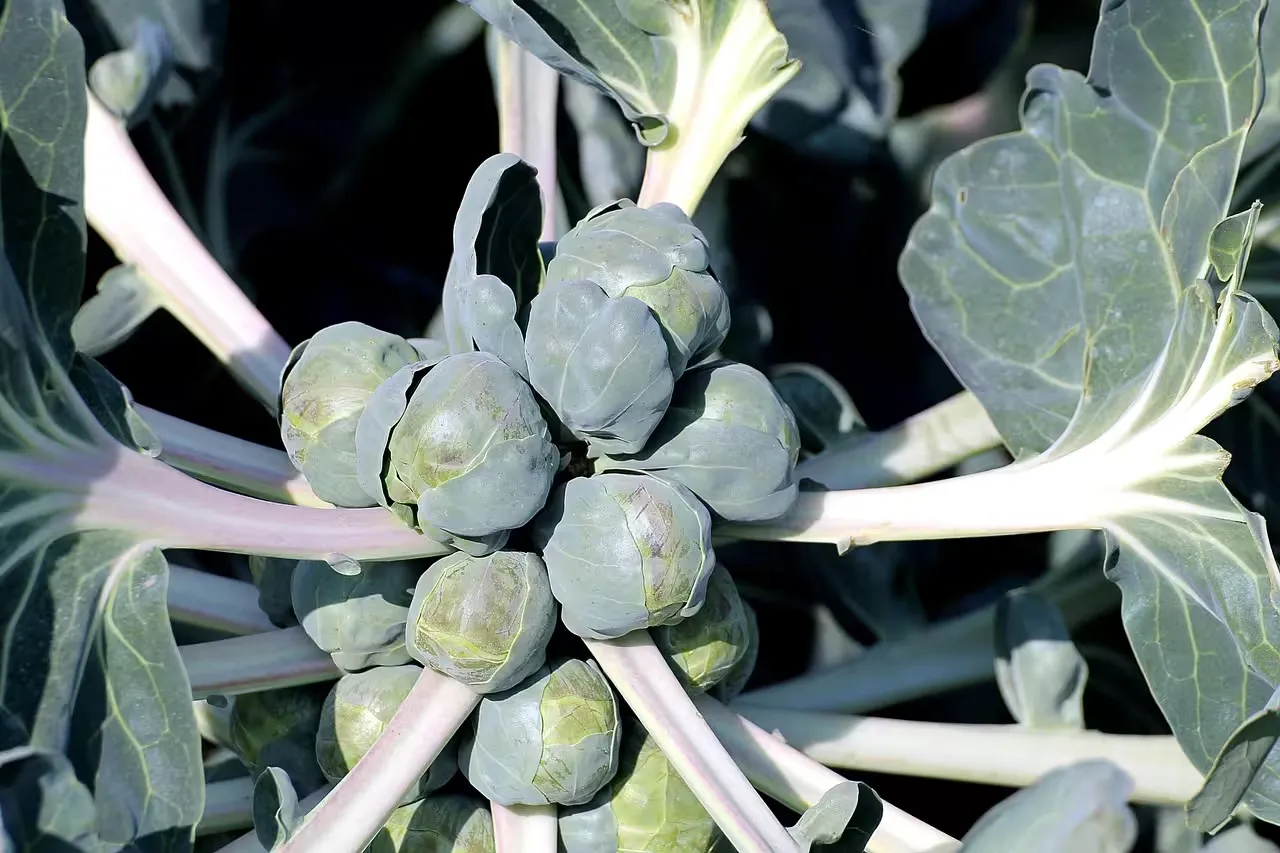
Sow indoors March, plant out May, harvest September to February. Typical frost risk October to April.
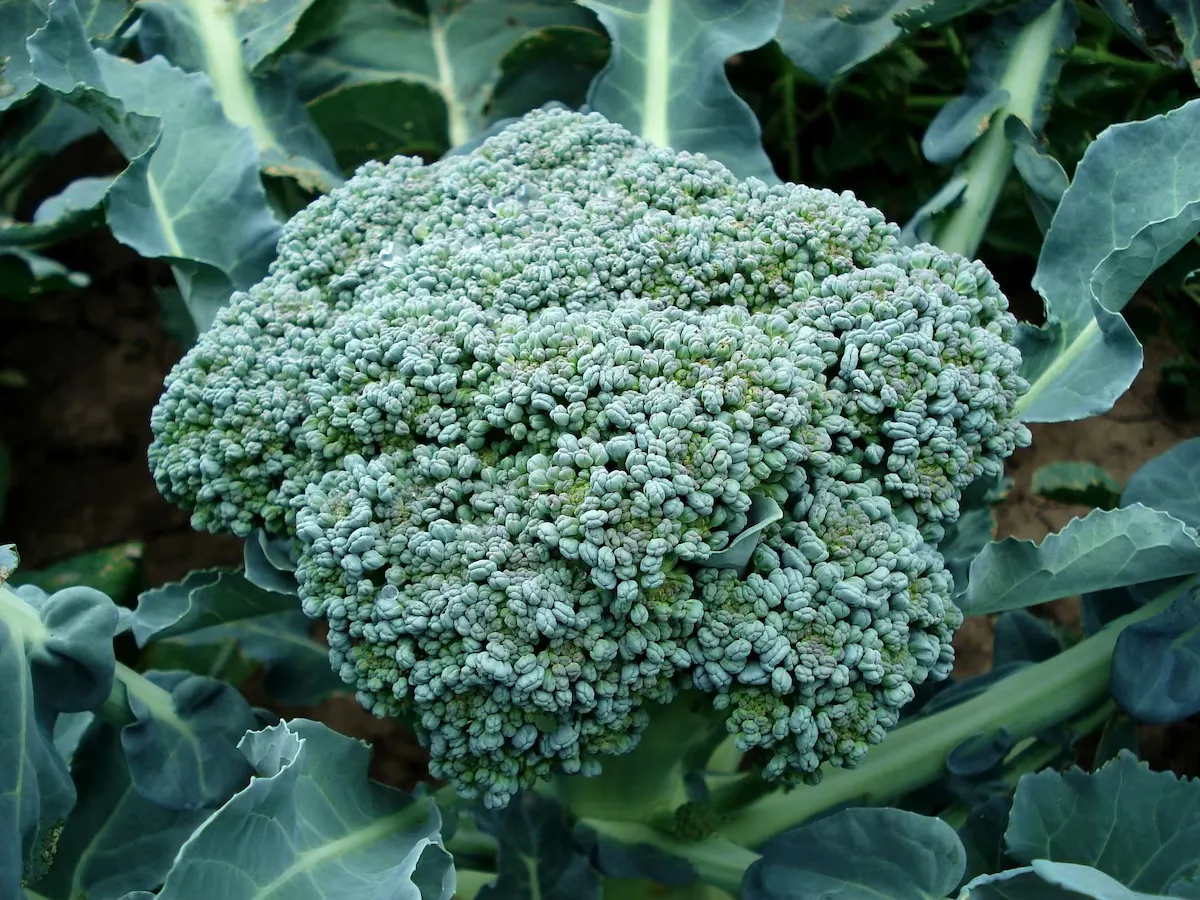
Sow indoors March, plant out May, harvest July to September. Typical frost risk October to April.
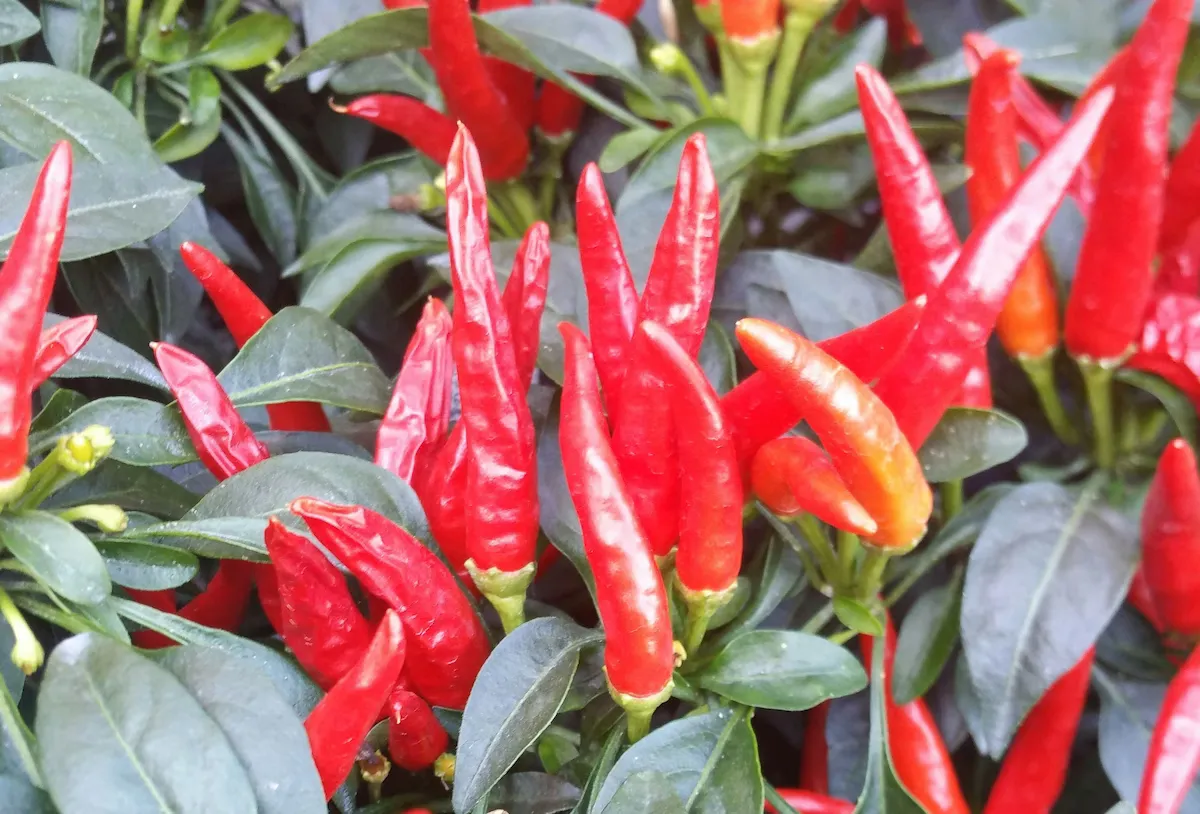
Sow indoors February, plant out May, harvest July to October. Typical frost risk October to April.
See how Basil timing shifts in other towns with different frost dates.