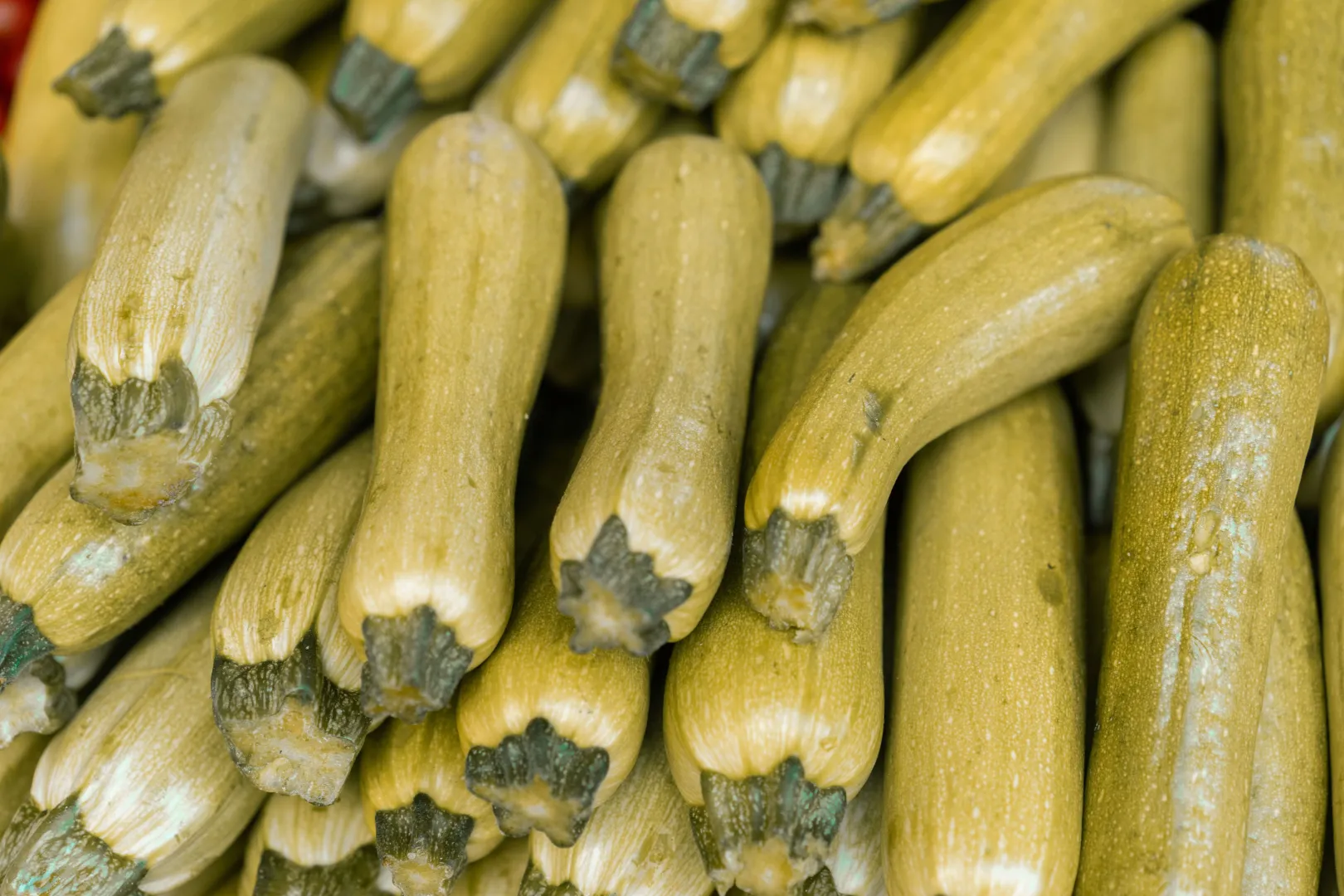
Marrows in Yaverland
Cucurbita pepo
A tender summer squash grown outdoors in rich, moisture-retentive soil once frost risk has passed. Start indoors for the best crop in the UK, then plant out into a sunny, sheltered spot and keep the plants well watered and fed through summer.
Growing Guide
Step-by-step instructions for growing Marrow
Planting Calendar
Sow Seeds Indoors
9 Jan – 16 JanSow seeds on their edge around 9th January - 16th January in small pots of warm seed compost. Keep them at and do not sow too early, because marrow seedlings grow fast and can suffer if they become root-bound.
Pot On Seedlings
26 Jan – 9 FebWhen the first true leaves appear, prick out or move each seedling into a larger pot at 26th January - 9th February. Handle them gently and keep the compost just moist, not wet.
Harden Off Plants
16 Jan – 30 JanFrom 16th January - 30th January, move the plants outside for short periods each day so they adjust to wind, cooler nights and direct sun. Keep them under fleece or in a cold frame at night if conditions are still unsettled.
Plant Out
13 Feb – 20 FebSet plants out at 13th February - 20th February once frost risk has passed and the soil is warm. Plant into rich, well-watered mounds or pockets, then water in thoroughly without wetting the stem.
Support and Train
2 Mar – 17 AprFrom 2nd March - 17th April, keep the plants centred on their mound and tuck the stems back if they stray. In a small garden, use a short frame or straw to keep fruit off damp soil and reduce rot.
Feed and Water
18 Mar – 29 Novevery 2 weeksFrom 18th March - 29th November, water deeply around the plant rather than over the leaves, and feed every 14 days once the first fruits set. Keep the compost or soil evenly moist so the fruit fills properly and avoids bitterness.
Harvest Fruits
2 Apr – 29 NovPick fruits from 2nd April while they are still young and tender, then keep harvesting regularly until 29th November. Cut them with a knife or secateurs so you do not damage the stem, and check plants every few days for fruits that are ready.
Companion Plants
Tap a plant to see why it works (or doesn't) with Marrow.
Good companions
Plants to avoid
Why companion planting matters
Companion planting can deter pests, improve pollination, and make better use of space. Some plants confuse pests or attract beneficial insects; others improve soil or offer shade to neighbours that need it.
Suggested Varieties
Popular varieties of Marrow to consider
Bush Baby
Compact bush marrow with small, tender fruits, useful where space is limited.
Tiger Cross
A reliable UK-grown type with good vigour and pale-striped fruits.
Eight Ball
Round-fruited type that crops well as a baby marrow when picked small.
Related Plants
Explore similar plants you might like
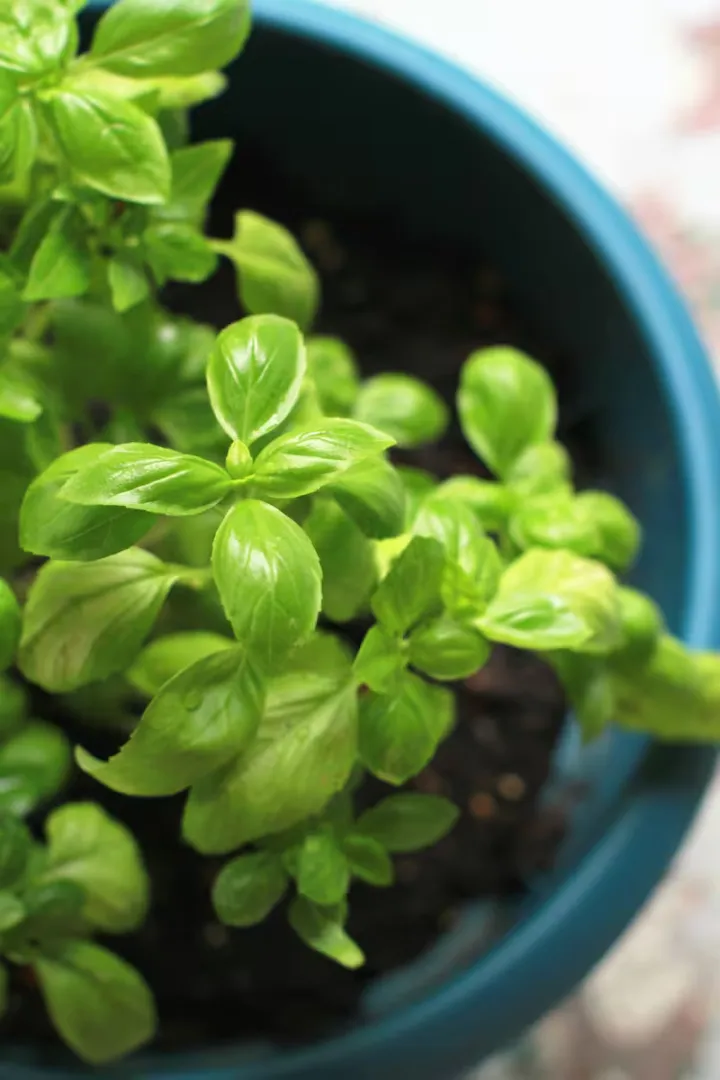
Basil
Basil is a fragrant, tender herb whose leaves are a staple of summer cooking. Native to tropical regions, basil is treated as an annual in temperate climates like the UK because it cannot tolerate frost. It thrives in warm, sunny conditions and can be grown in garden beds or pots for a steady supply of fresh, flavourful leaves throughout the summer.
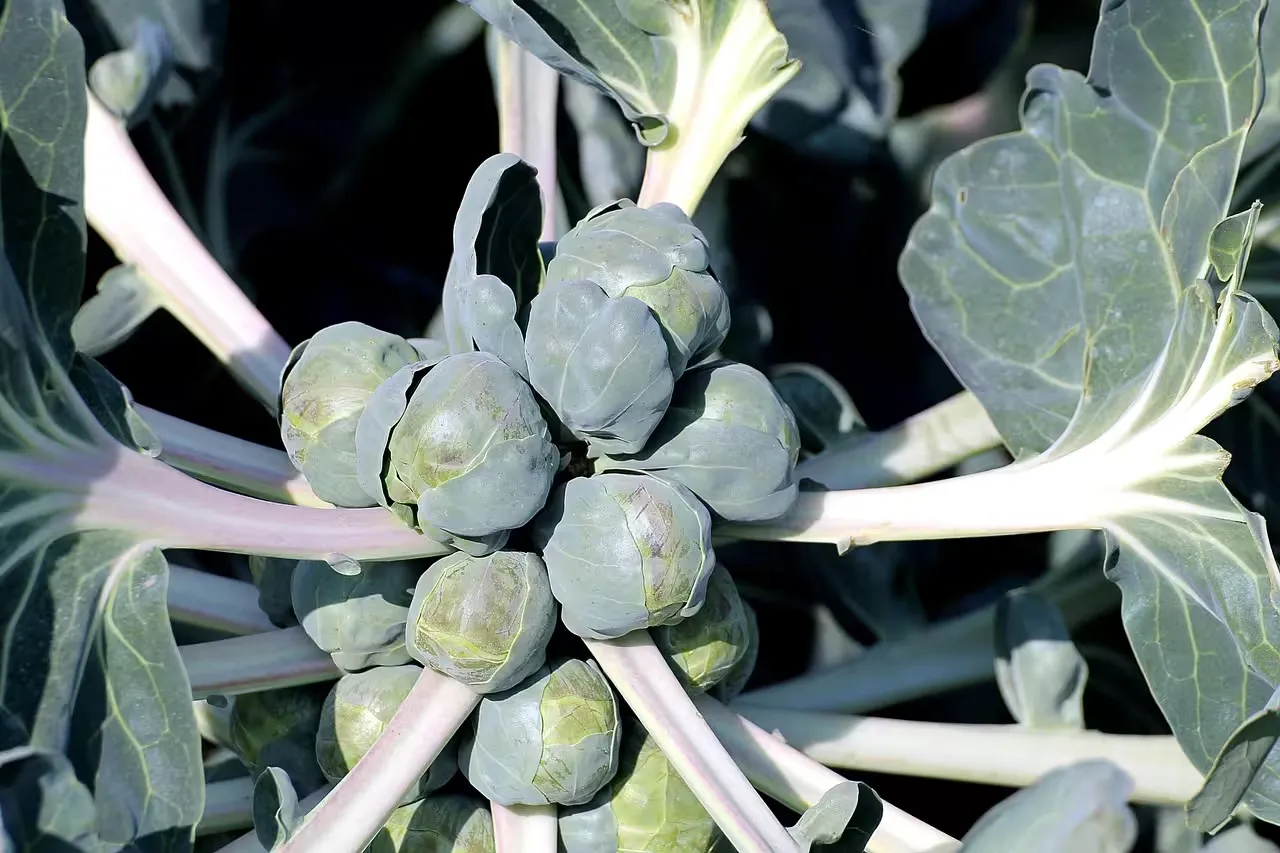
Brussels Sprouts
Brussels sprouts are a hardy winter brassica (cabbage family) that form sturdy, leafy stems often around 60–90cm tall. They produce edible mini-cabbage buds along the stem from autumn through winter. Thanks to their cold tolerance, sprouts remain productive into late winter, and frost actually improves their sweetness.
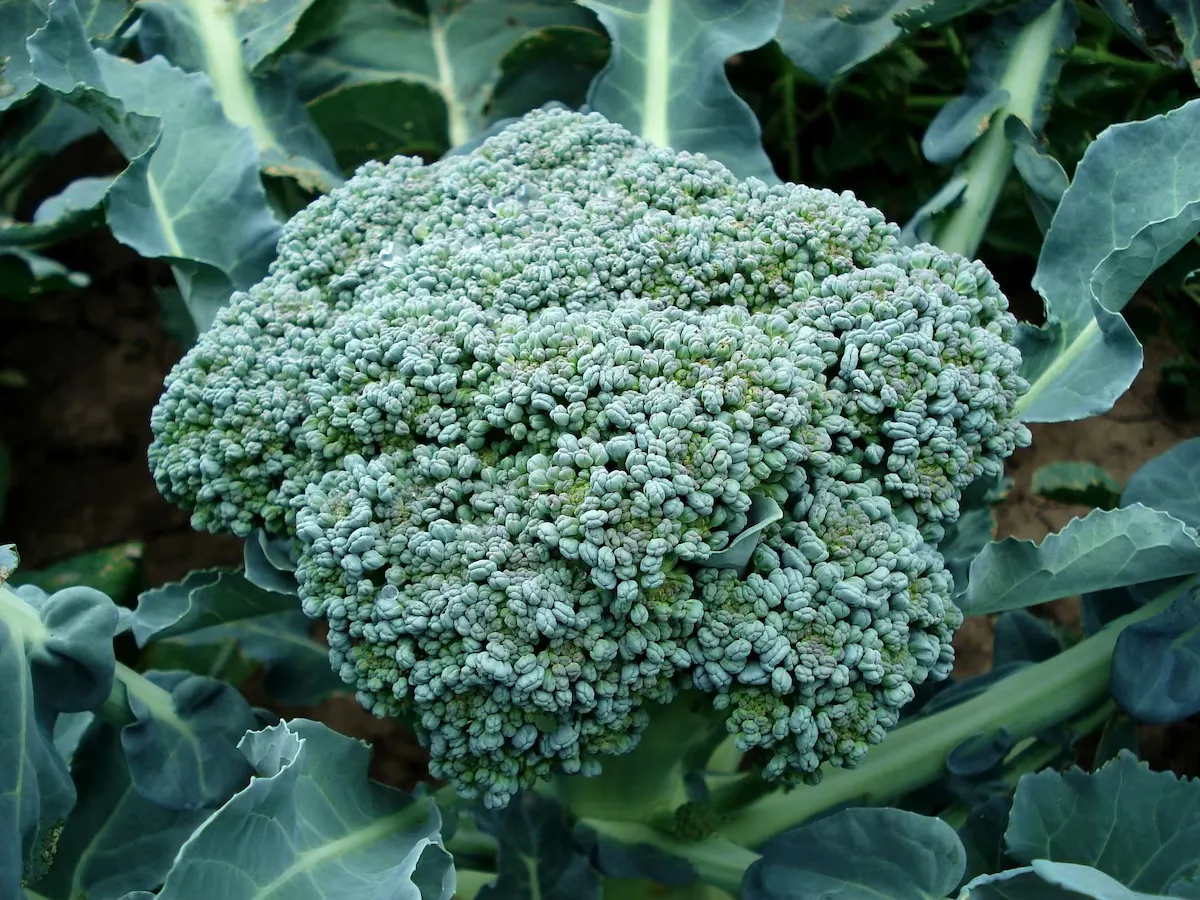
Calabrese
Calabrese (broccoli) produces a large central head of tightly-packed green buds, followed by smaller side-shoots after the main head is cut. It’s a cool-season brassica crop. Grow it in full sun with fertile, well-drained soil and keep plants watered during dry spells. Harvest the heads while firm, then leave the stem in the ground to allow side-shoots to develop.
Also in nearby towns
See how Marrow timing shifts in other towns with different frost dates.