Kelvedon Wonder
A reliable early garden pea with sweet, small pods. It's resistant to mildew and good for cooler UK springs.
Pisum sativum
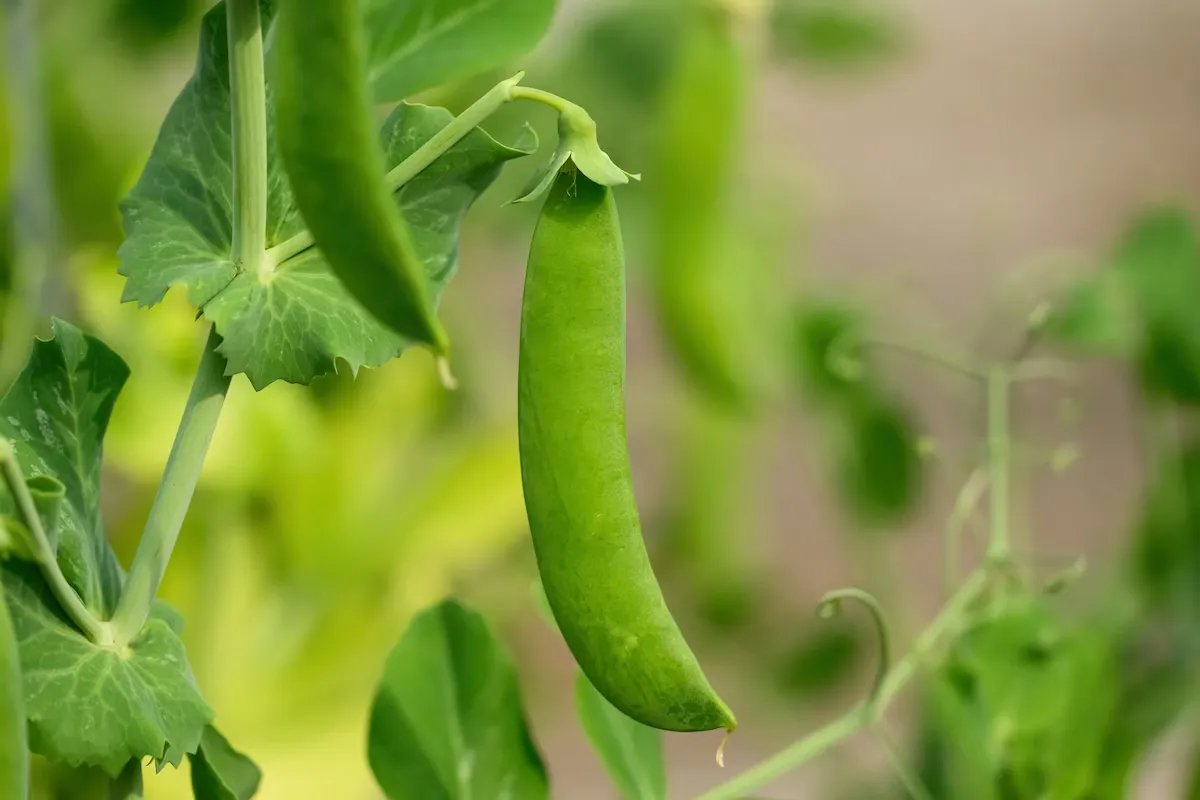
A cool-season crop grown for sweet pods or shelling peas. Sow in spring. Give plants support, and protect seed from mice and pigeons.
100 cm · Full Sun · Moderate Water
Calibrated to Stirling · average last frost around 1 May
| Activity | January | February | March | April | May | June | July | August | September | October | November | December |
|---|---|---|---|---|---|---|---|---|---|---|---|---|
| Sow outdoors | No | No | No | Yes | Yes | No | No | No | No | No | No | No |
| Harvest | No | No | No | No | No | Yes | Yes | Yes | Yes | Yes | No | No |
What to do through the growing season
Change the guide to see different planting timelines and tips.
Sow mangetout directly outdoors for a later crop. This suits warmer soil.
01
Sow seeds in a prepared trench outdoors 17th April - 1st May. Space seeds apart in rows apart, covering with of soil. Water well and cover with netting to deter mice and birds.
02
After each sowing, once seedlings have two true leaves, thin to apart. Put pea sticks or netting in at once.
03
After each sowing, from 22nd May to 17th October, water well once flowers appear. Keep the row netted against pigeons.
04
After each sowing, pick pods from 16th June while they are still flat. Keep picking through 17th October.
Popular varieties of Pea to consider
A reliable early garden pea with sweet, small pods. It's resistant to mildew and good for cooler UK springs.
A mangetout variety with flat, tender pods that are best harvested young. It's vigorous and suits direct sowing.
A dual-purpose pea with edible pods that swell like garden peas. It's crunchy and sweet, needing regular picking.
Explore similar plants you might like
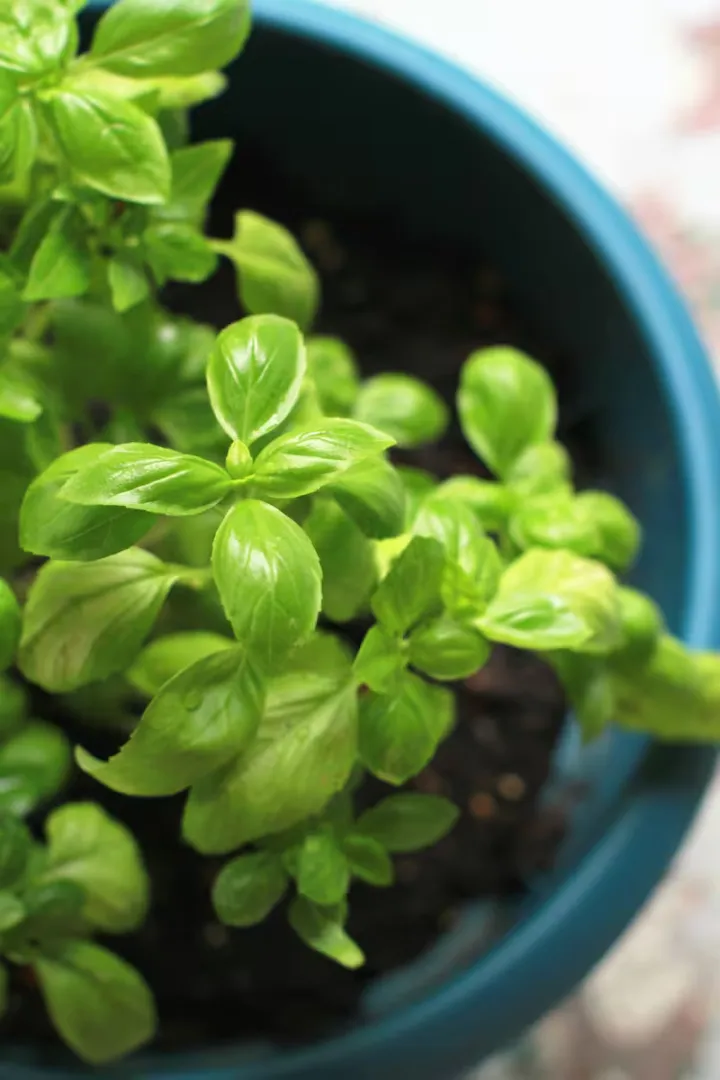
Sow indoors March to April, plant out May, harvest June to September. Typical frost risk October to May.
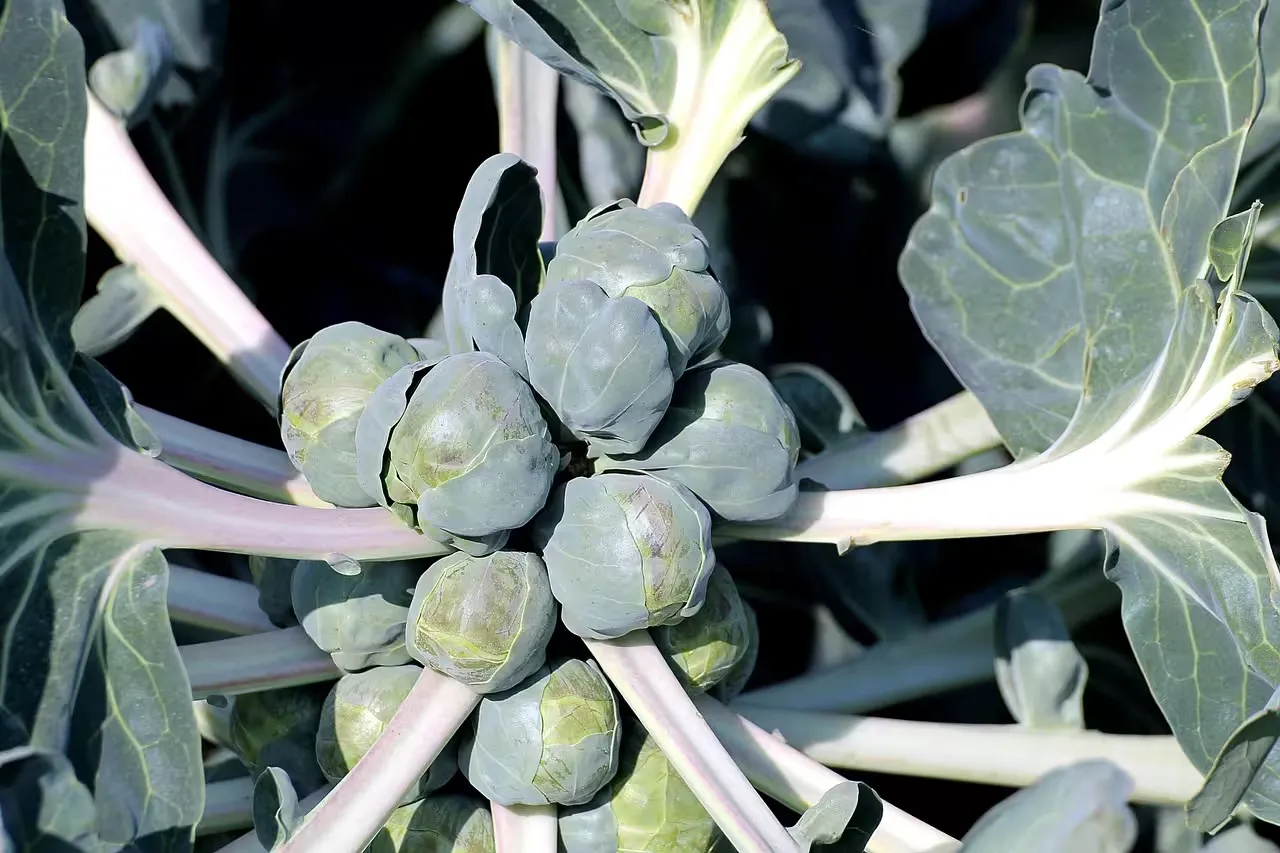
Sow indoors March to April, plant out May, harvest September to February. Typical frost risk October to May.
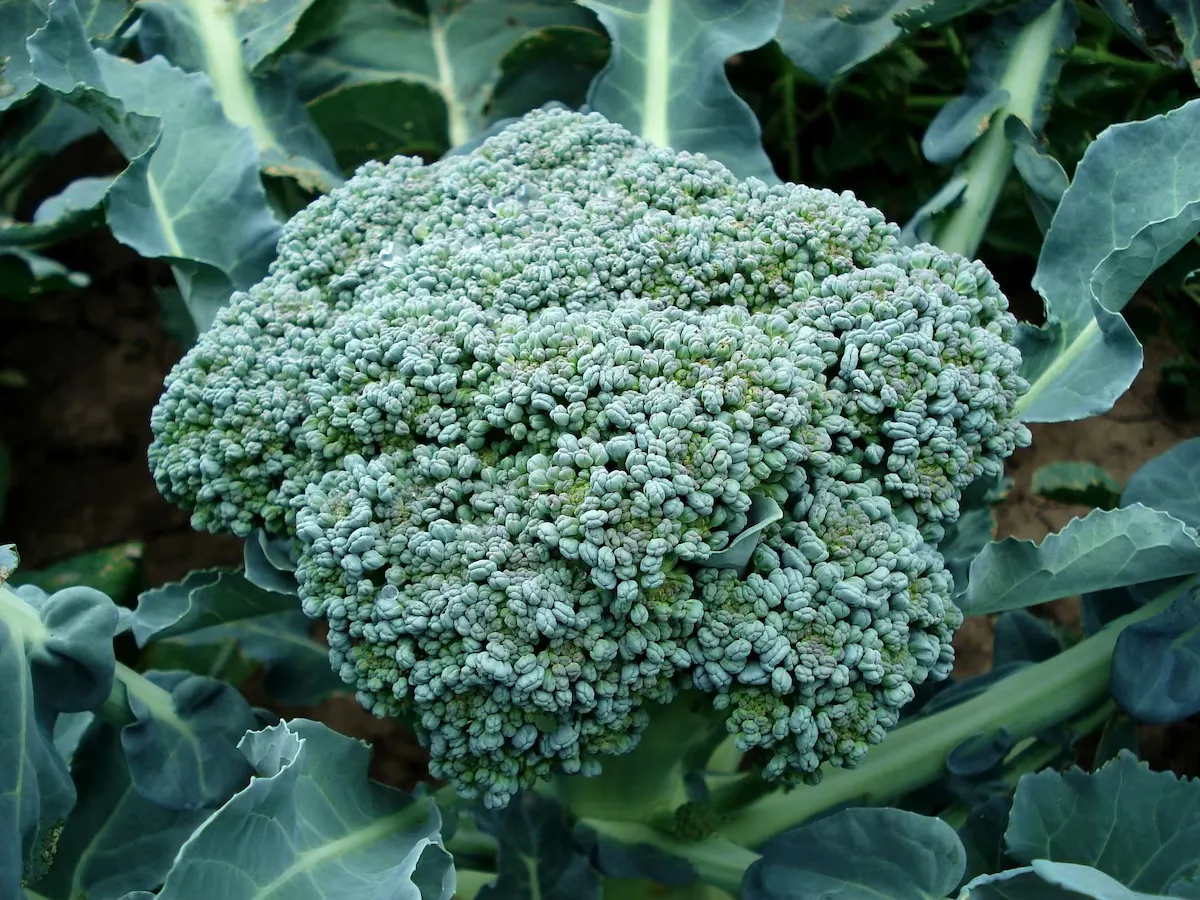
Sow indoors March to April, plant out May, harvest July to September. Typical frost risk October to May.