Common Oregano
The standard strong-flavoured form for cooking, with good hardiness in UK gardens.
Origanum vulgare
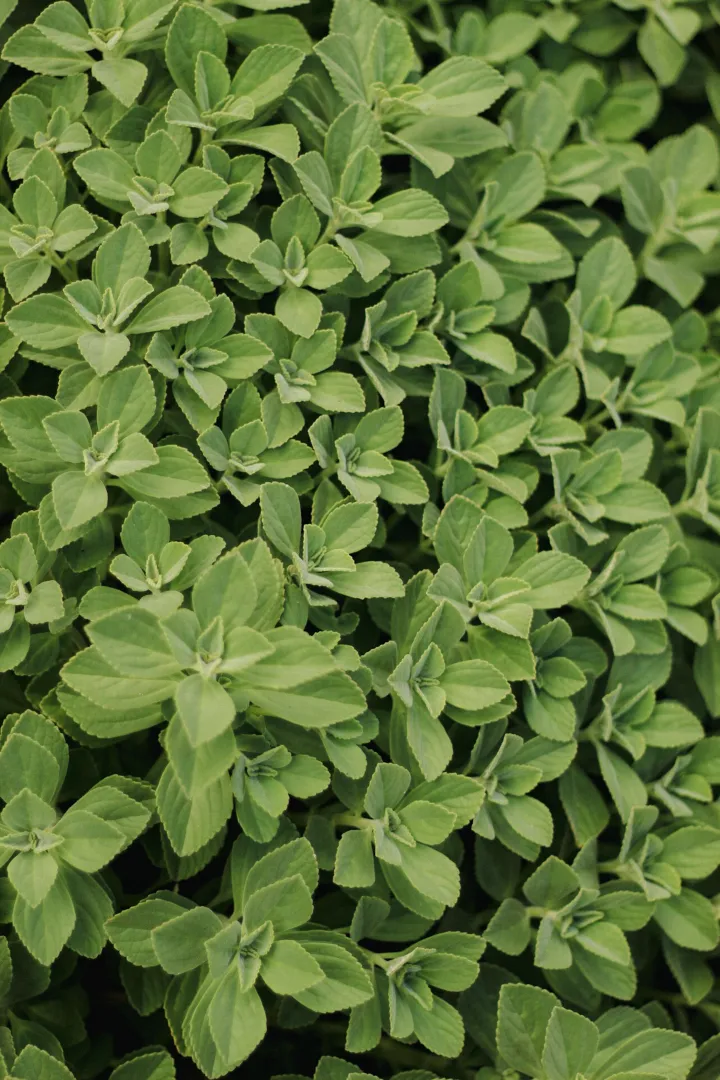
A hardy Mediterranean herb that grows best in a sunny, free-draining spot or a pot. In the UK it copes well with cold winters if the soil stays reasonably dry, and the flavour is strongest in dry weather.
45 cm · Full Sun · Low Water
Calibrated to Newcastle upon Tyne · average last frost around 25 Apr
| Activity | January | February | March | April | May | June | July | August | September | October | November | December |
|---|---|---|---|---|---|---|---|---|---|---|---|---|
| Plant out | No | No | No | No | Yes | No | No | No | No | No | No | No |
| Harvest | No | No | No | No | No | Yes | Yes | Yes | Yes | Yes | No | No |
What to do through the growing season
Change the guide to see different planting timelines and tips.
This is the easiest way to grow oregano for most UK gardens. Plant from bought plugs or divisions and you can start light picking much sooner than from seed.
01
From 11th April to 9th May, choose a sunny, free-draining spot or a pot with gritty compost. Clear weeds and work in a little horticultural grit if the soil tends to stay wet.
02
Set plants in their final position from 9th May to 26th May and firm them in gently. Space them apart, then water in thoroughly straight away so the roots settle.
03
From 23rd May to 27th November, pinch out the growing tips to make the plant branch and stay compact. If flowers start to form, remove the tips early so the plant puts its energy into leafy growth.
04
From 9th May to 27th November, water only when the top of the soil has dried out. Container plants need checking more often, but they still prefer a lighter touch than most herbs.
05
Pick from 8th June to 28th October by snipping the top few centimetres of each shoot. Regular picking keeps plants compact and productive.
Popular varieties of Oregano to consider
The standard strong-flavoured form for cooking, with good hardiness in UK gardens.
A low-growing oregano with golden foliage and a milder flavour, useful in pots and edging.
A smaller, dense form that suits containers and the front of a herb bed.
A variegated oregano grown more for foliage than for heavy picking, with a lighter flavour.
Explore similar plants you might like
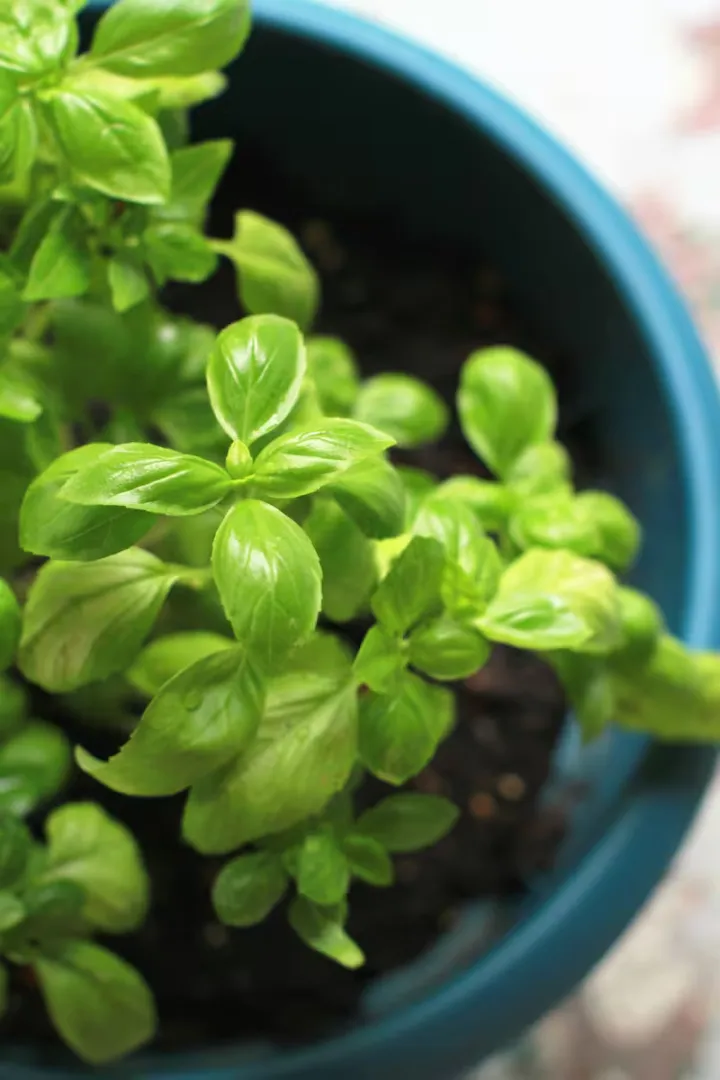
Sow indoors March, plant out May, harvest June to September. Typical frost risk October to April.
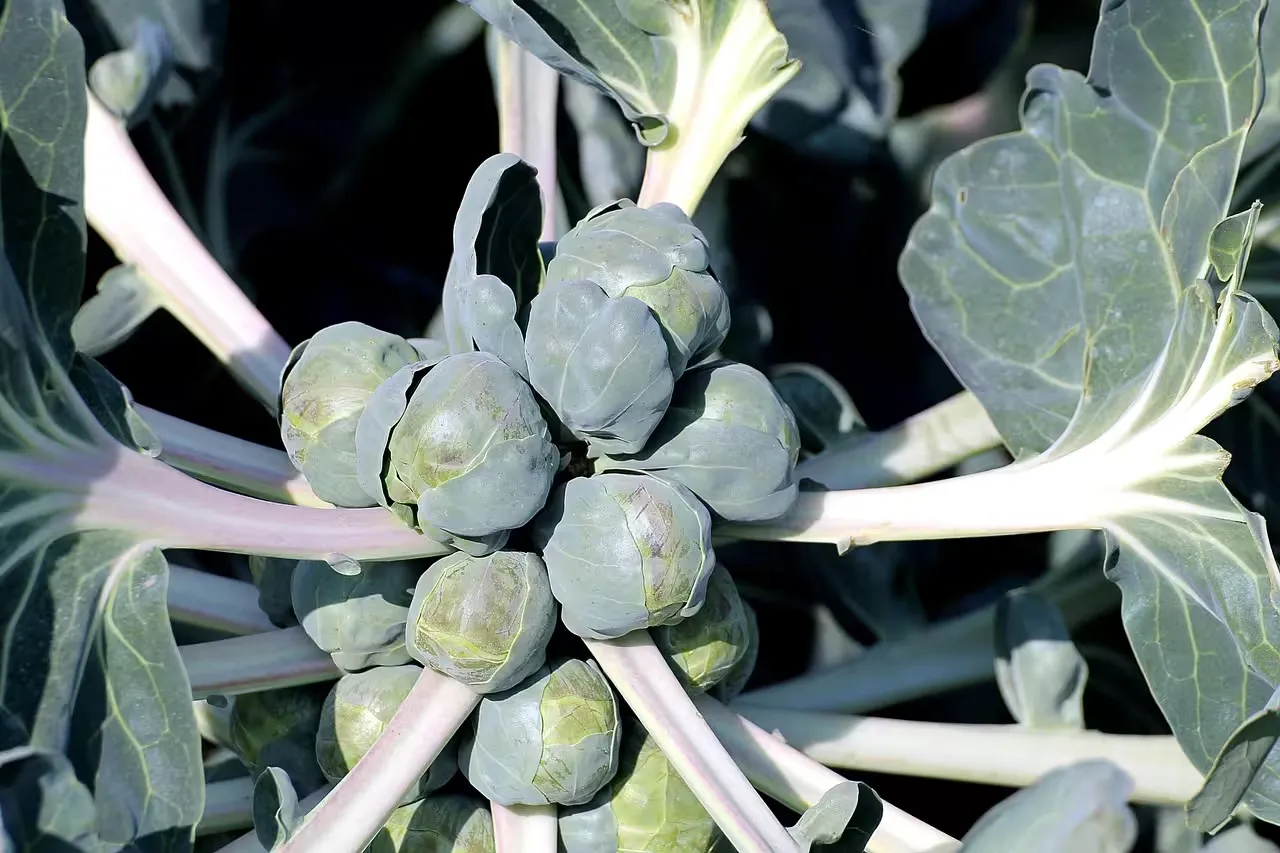
Sow indoors March, plant out May, harvest September to February. Typical frost risk October to April.
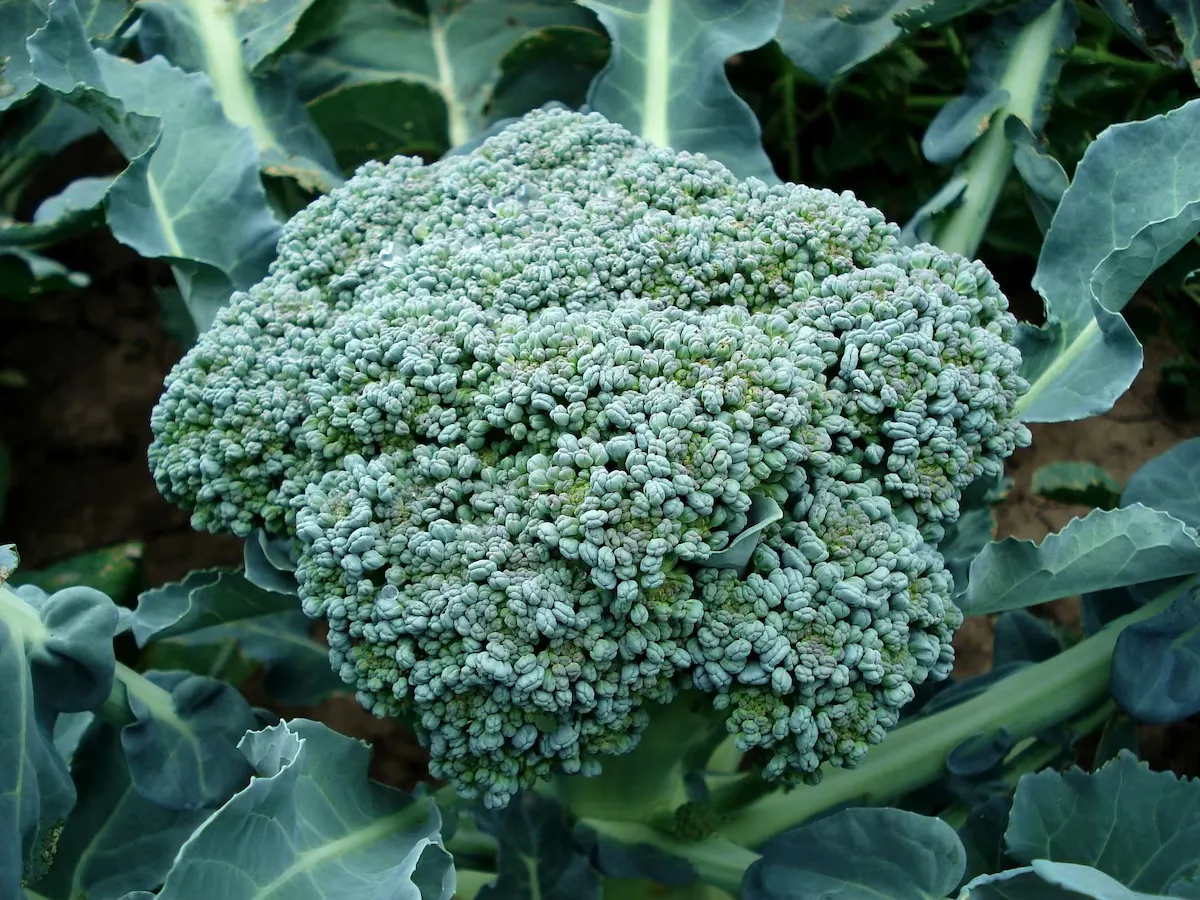
Sow indoors March, plant out May, harvest July to September. Typical frost risk October to April.