Spearmint
A classic, sweet mint for tea, sauces, and salads. It is a strong grower and a good choice for pots.
Mentha spp.
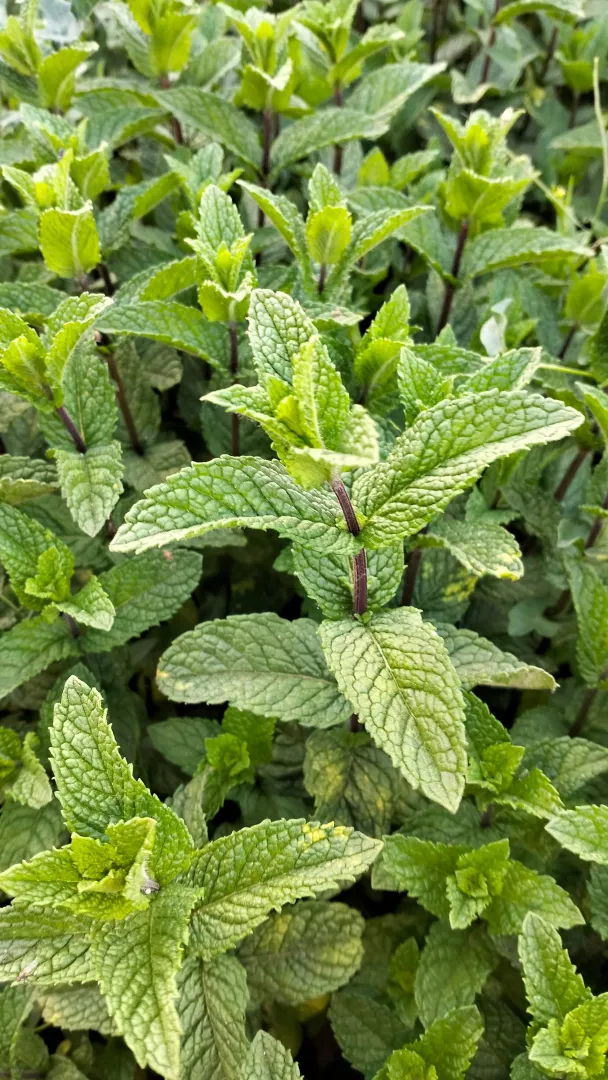
Mint is a hardy, vigorous herb that grows well in the ground or in pots across the UK. It spreads quickly, so containers or a contained bed are usually the easiest way to keep it under control.
60 cm · Partial Shade · Moderate Water
Calibrated to Brighton · average last frost around 10 Apr
| Activity | January | February | March | April | May | June | July | August | September | October | November | December |
|---|---|---|---|---|---|---|---|---|---|---|---|---|
| Sow outdoors | No | Yes | Yes | Yes | No | No | No | No | No | No | No | No |
| Plant out | No | No | No | Yes | Yes | Yes | No | No | No | No | No | No |
| Harvest | No | No | No | No | No | Yes | Yes | Yes | Yes | Yes | No | No |
What to do through the growing season
Change the guide to see different planting timelines and tips.
Plant mint in a contained bed or sunk pot if you want it in the soil. It spreads by runners, so containment is the main job.
01
Sow seed thinly on the surface of seed compost around 24th February - 24th April and barely cover it. Keep the compost evenly moist while the seedlings emerge.
02
Prick seedlings out into individual pots from 17th March once they are easy to handle. Grow them on until roots fill the pot and the plants are sturdy.
03
From 27th March, acclimatise plants outside over about 10 days before planting them out. Keep them out of cold wind and bring them in if a late cold spell is forecast.
04
Set plants into prepared ground from 14th April, spacing them so air can move around the clump. Water in thoroughly straight after planting and keep them watered until they are properly rooted.
05
From 14th April, check for runners and cut them back before they root beyond the allotted space. Regular containment keeps ground-grown mint tidy and stops it taking over.
06
Begin picking from 9th June once the plants have bulked up. Pinch out the tips often from 9th June to 12th October and harvest regularly to keep fresh growth coming.
Popular varieties of Mint to consider
A classic, sweet mint for tea, sauces, and salads. It is a strong grower and a good choice for pots.
A sharper mint with a strong menthol flavour. It grows well in a container and is best picked young for the cleanest taste.
A milder mint with a hint of cocoa in the scent. It spreads just as freely as other mints, so keep it contained.
Explore similar plants you might like
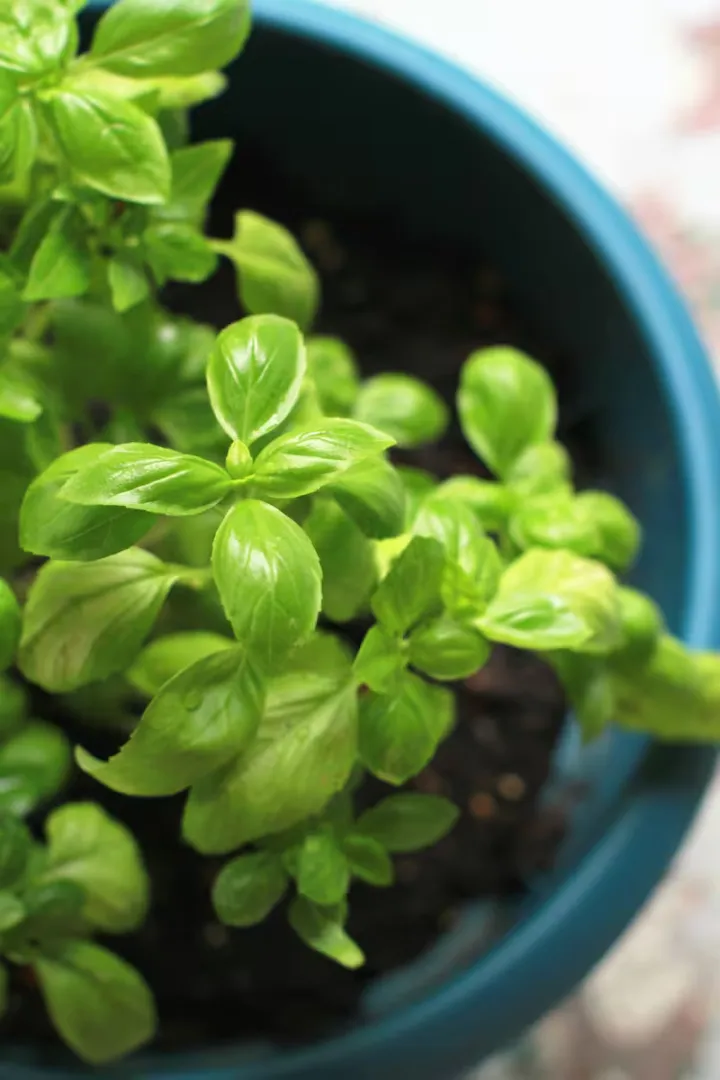
Sow indoors February to March, plant out April to May, harvest June to September. Typical frost risk November to April.
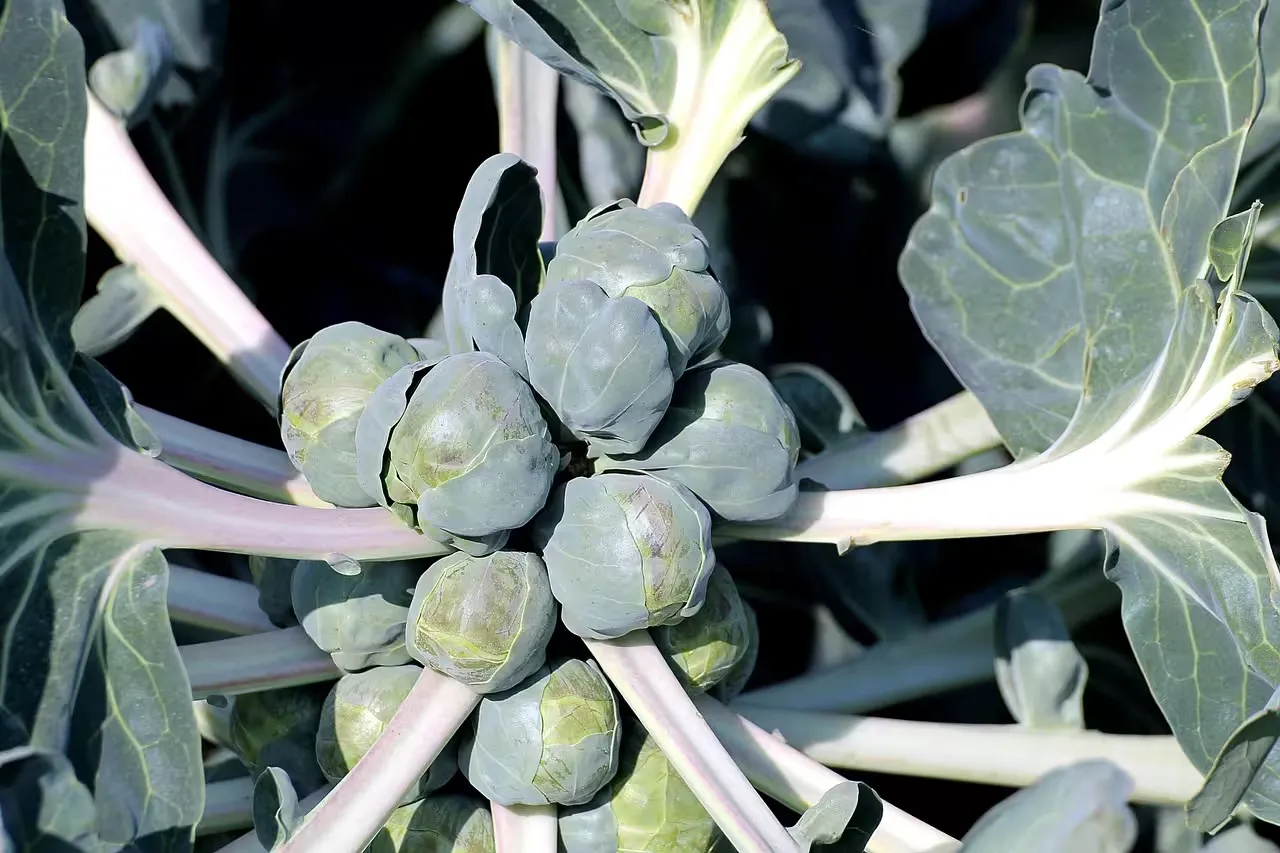
Sow indoors February to March, plant out April to May, harvest October to March. Typical frost risk November to April.
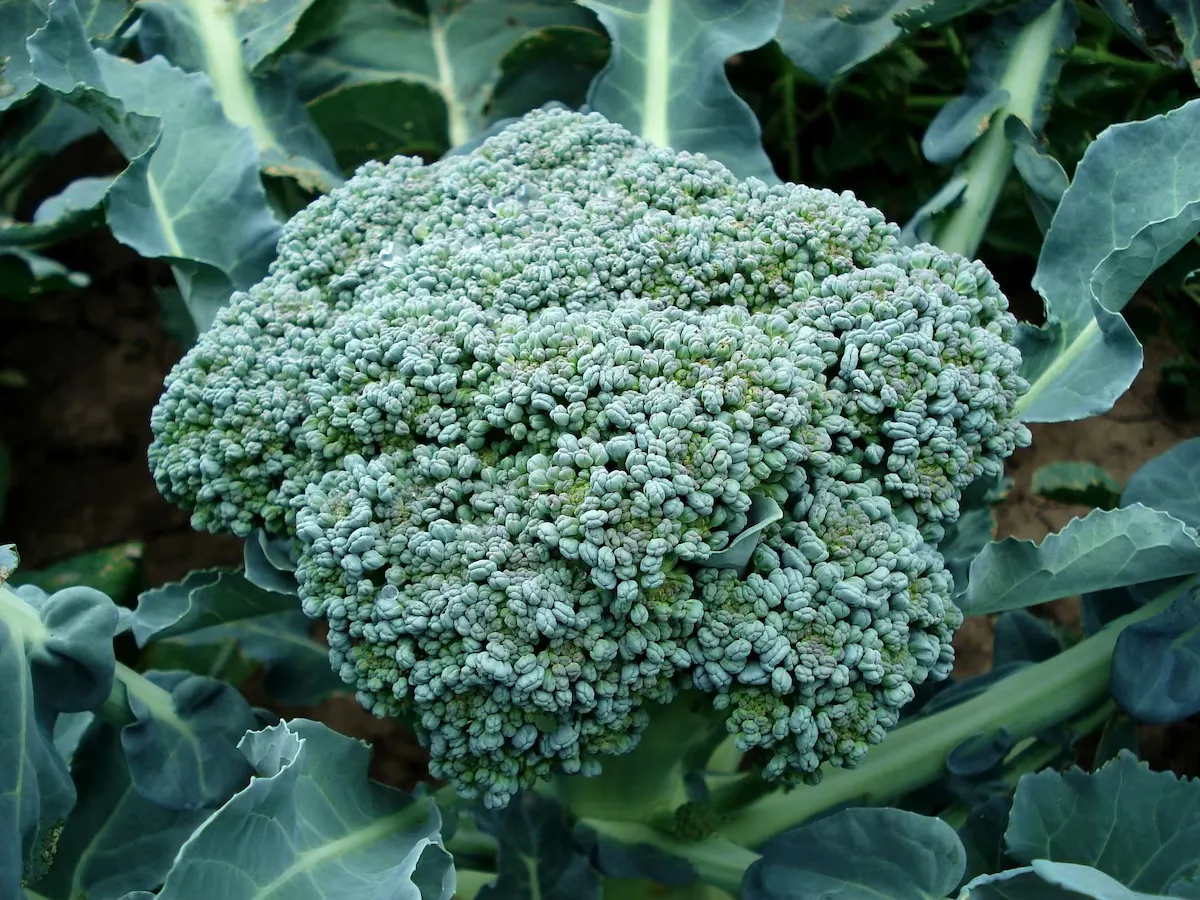
Sow indoors February to March, plant out April to May, harvest June to September. Typical frost risk November to April.
See how Mint timing shifts in other towns with different frost dates.