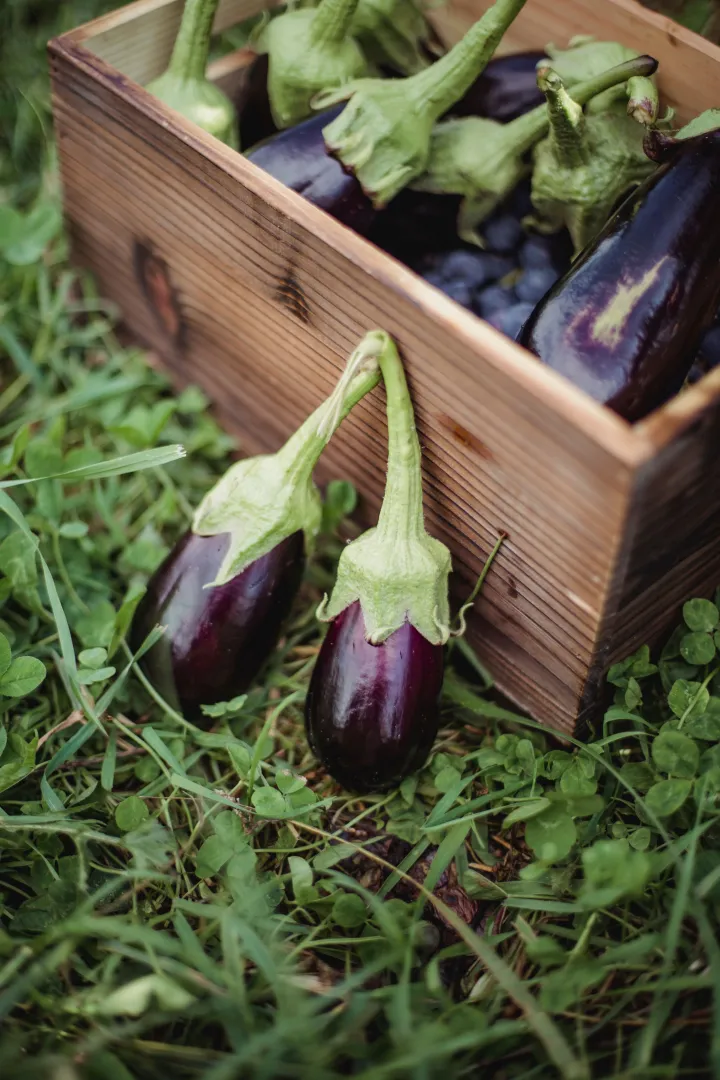
Aubergines in Barrack Hill
Solanum melongena
Tender crop for a greenhouse, polytunnel, or very warm sheltered patio in the UK. It needs steady warmth, rich soil, and a long growing season to crop well.
Growing Guide
Step-by-step instructions for growing Aubergine
Planting Calendar
Sow Seeds Indoors
18 Nov – 18 JanSow seeds in a heated propagator from 18th November to 18th January. Keep them at and sow to a depth of in fine seed compost.
Prick Out Seedlings
1 Jan – 15 JanWhen the seedlings have their first true leaves, move them into small pots around 1st January - 15th January. Handle them by the leaves, not the stems, and keep them warm and bright so they don't draw.
Pot On Plants
22 Jan – 12 FebPot on as roots fill the first container, usually around 22nd January - 12th February. Move each plant into a larger pot with fresh compost and keep watering lightly but regularly.
Harden Off Plants
26 Mar – 9 AprGradually acclimatise plants over 15 days from 26th March to 9th April. Put them out in the day and bring them back under cover at night until they are used to cooler conditions.
Transplant to Final Position
9 Apr – 16 AprPlant out from 9th April to 16th April once frost has passed and the soil is warm. Water in thoroughly straight after planting, then use fleece or a cloche if nights are still cool.
Support and Train
26 Apr – 26 AprFrom 26th April, tie main stems to a cane and remove side shoots below the first flower truss if growth is crowded. Pinch out the main growing tip after 4-6 trusses have set, so the plant puts energy into ripening fruit.
Feed Plants
26 Apr – 25 Novevery 2 weeksStart feeding from 26th April and continue to 25th November. Use a high-potash tomato feed every 14 days once the first flowers appear, and keep the compost evenly moist so fruit sets properly.
Harvest Fruits
21 Jun – 25 NovPick fruit from 21st June to 25th November while the skins are glossy and before the seeds harden. Cut them with a small stalk attached, and keep picking regularly to encourage more fruit.
Companion Plants
Tap a plant to see why it works (or doesn't) with Aubergine.
Good companions
Plants to avoid
Why companion planting matters
Companion planting can deter pests, improve pollination, and make better use of space. Some plants confuse pests or attract beneficial insects; others improve soil or offer shade to neighbours that need it.
Suggested Varieties
Popular varieties of Aubergine to consider
Black Beauty
A dependable dark-fruited variety for UK growers, especially under cover.
Jewel Marble
Compact plants with round, striped fruit, suited to pots and smaller greenhouses.
Bonica
Early to crop and a useful choice where the season is short.
Related Plants
Explore similar plants you might like
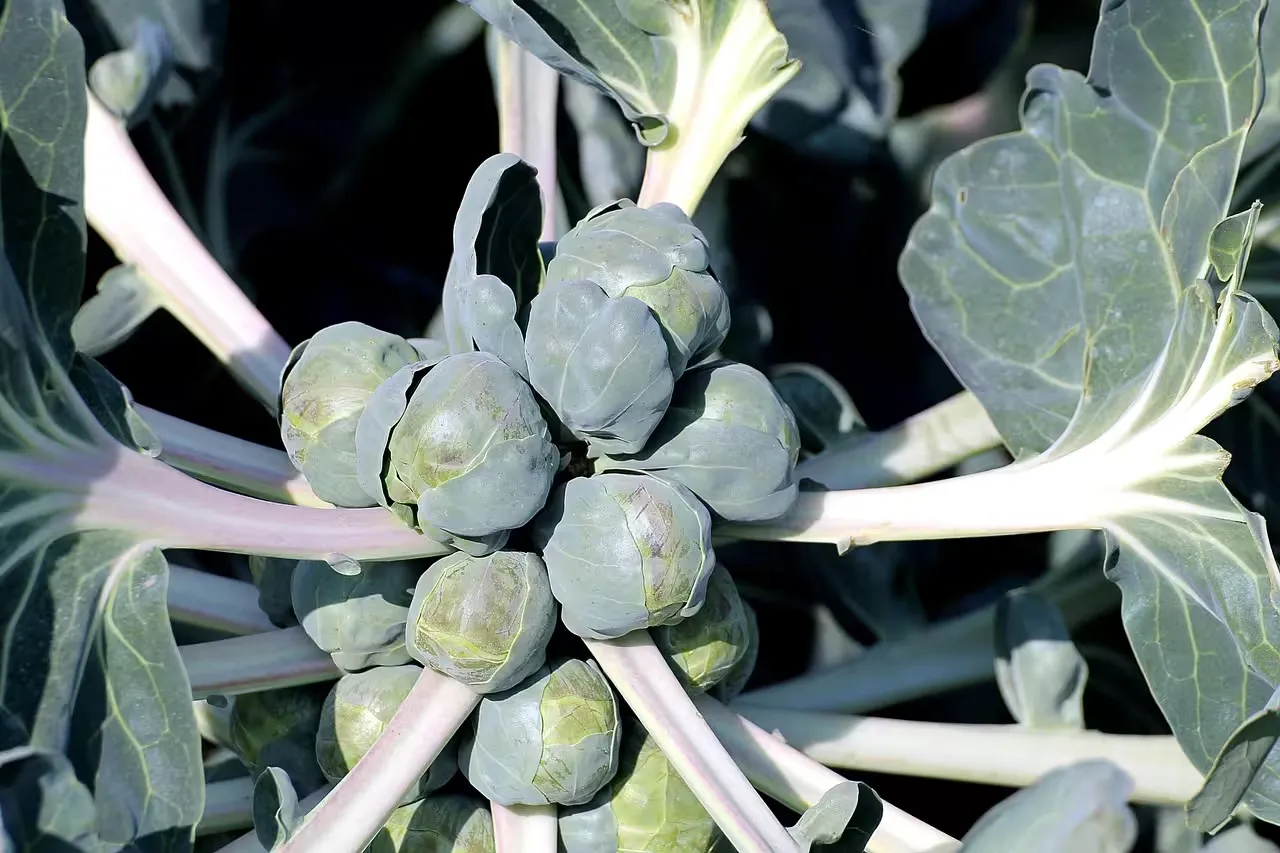
Brussels Sprouts
Brussels sprouts are a hardy winter brassica (cabbage family) that form sturdy, leafy stems often around 60–90cm tall. They produce edible mini-cabbage buds along the stem from autumn through winter. Thanks to their cold tolerance, sprouts remain productive into late winter, and frost actually improves their sweetness.
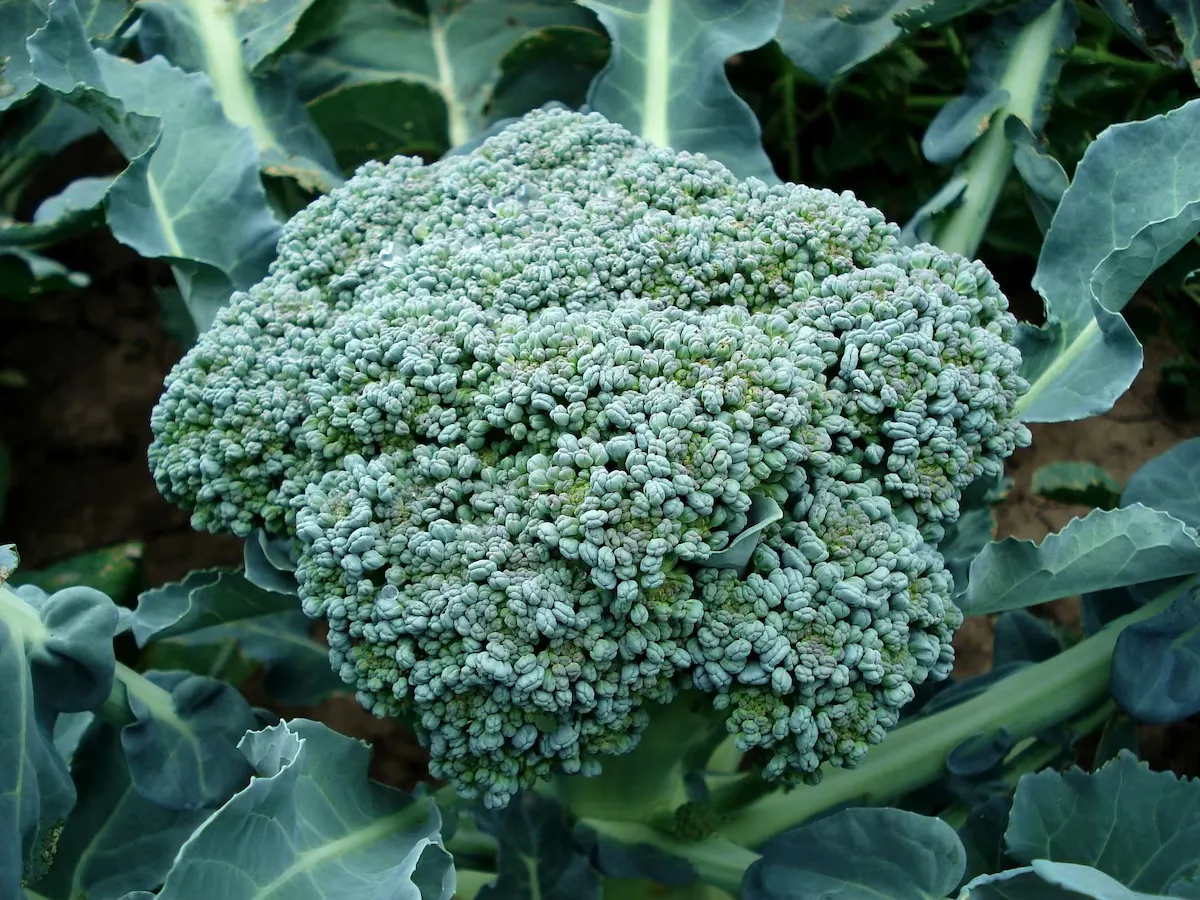
Calabrese
Calabrese (broccoli) produces a large central head of tightly-packed green buds, followed by smaller side-shoots after the main head is cut. It’s a cool-season brassica crop. Grow it in full sun with fertile, well-drained soil and keep plants watered during dry spells. Harvest the heads while firm, then leave the stem in the ground to allow side-shoots to develop.
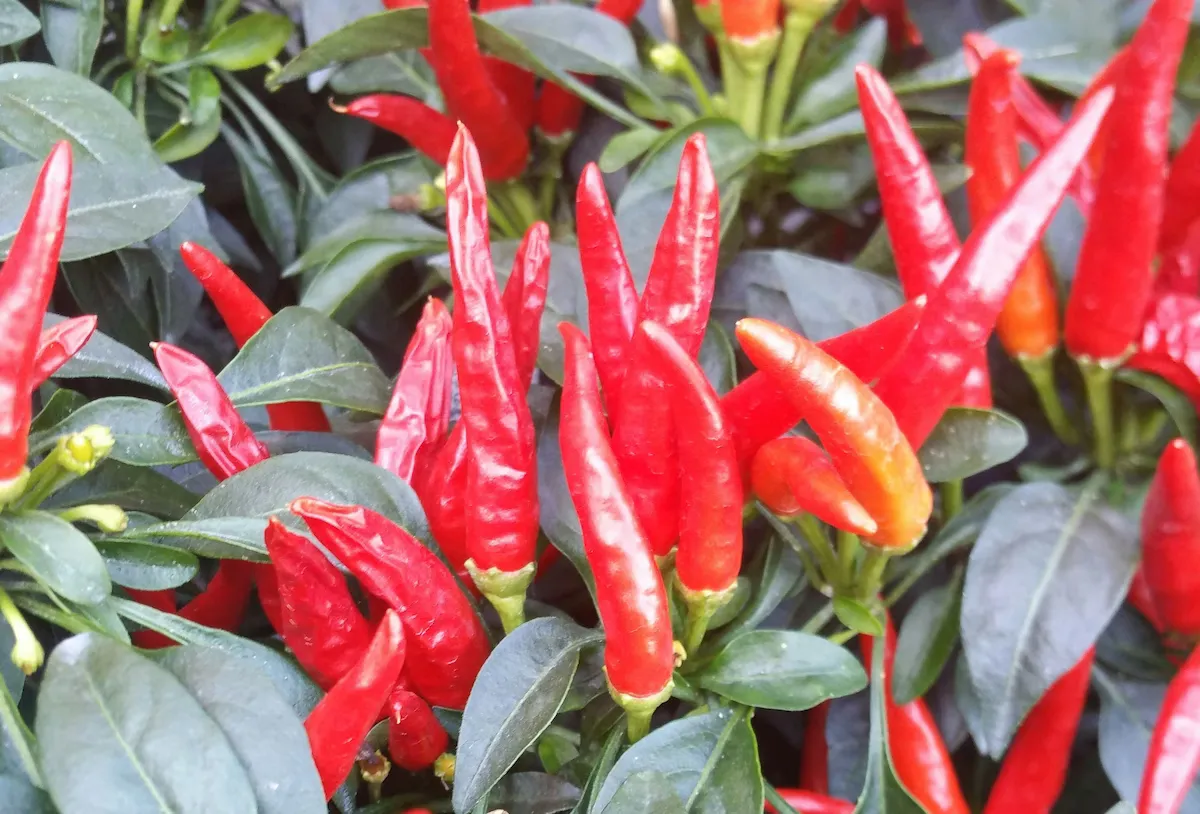
Chilli Pepper
Chilli peppers are tender perennials grown as annuals in the UK, requiring a long, warm season. They thrive in a greenhouse or a sunny, sheltered outdoor spot, producing fruits that range from mild to intensely hot depending on variety and growing conditions.