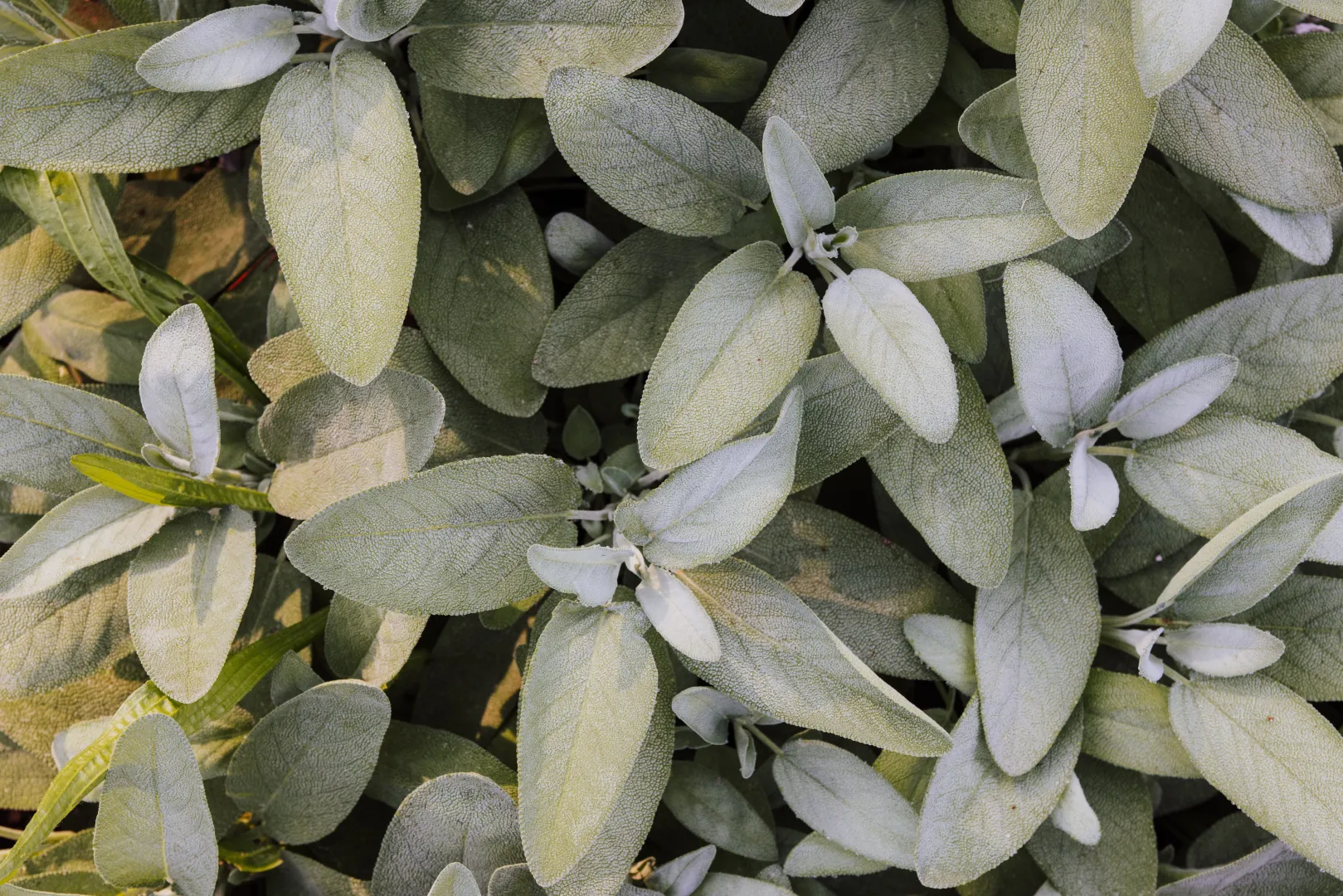
Sages in Yaverland
Salvia officinalis
A hardy, woody herb for a sunny, free-draining spot. In the UK it grows well in the ground or a pot, and benefits from regular tip pruning to keep it compact and leafy.
Growing Guide
Step-by-step instructions for growing Sage
Planting Calendar
Sow Seeds
16 Dec – 2 MarSow seeds thinly around 16th December - 2nd March on the surface of fine seed compost, then cover with a very light dusting of compost or vermiculite. Keep the tray in a warm, bright place and just moist until germination.
Thin Seedlings
13 Feb – 27 FebWhen seedlings are large enough to handle, thin or prick them out from 13th February into small pots. Keep the strongest plants and move them on gently so they don't get checked.
Harden Off
7 Feb – 21 FebFrom 7th February, move plants outside for a few hours each day over about 10 days. Keep them sheltered and bring them in if cold nights are forecast.
Plant Out
13 Feb – 2 MarSet plants in their final position from 13th February in full sun and very free-draining soil, spacing them apart. Water in thoroughly straight after planting, then keep the crown on the dry side.
Pinch Tips
8 Apr – 30 Octevery 4 weeksFrom 8th April, pinch out soft growing tips regularly to keep the plant bushy and to delay flowering. Stop pinching by 30th October so the plant hardens off before colder weather arrives, and never cut hard into old bare wood.
Harvest Leaves
8 Apr – 29 Decevery 3 weeksPick a few leaves from 8th April once plants are well rooted, then keep harvesting little and often through 29th December. Take tips for the best flavour and leave enough growth for the plant to keep thickening up.
Companion Plants
Tap a plant to see why it works (or doesn't) with Sage.
Good companions
Plants to avoid
Why companion planting matters
Companion planting can deter pests, improve pollination, and make better use of space. Some plants confuse pests or attract beneficial insects; others improve soil or offer shade to neighbours that need it.
Suggested Varieties
Popular varieties of Sage to consider
Purpurascens
Purple-flushed foliage with good flavour and a neat habit.
Icterina
Green leaves edged yellow, useful for adding colour to the herb bed.
Berggarten
A broad-leaved, reliable garden sage with strong flavour and good leaf yield.
Related Plants
Explore similar plants you might like
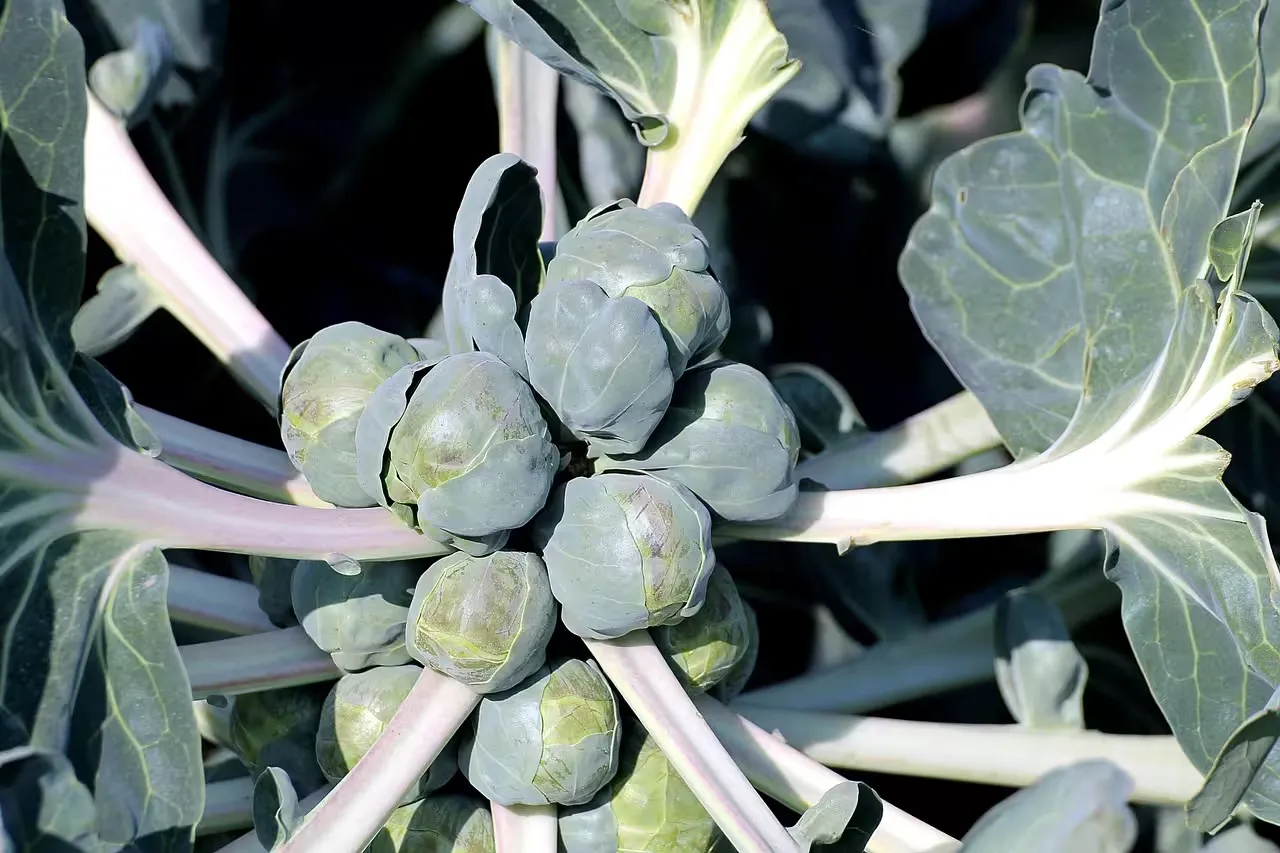
Brussels Sprouts
Brussels sprouts are a hardy winter brassica (cabbage family) that form sturdy, leafy stems often around 60–90cm tall. They produce edible mini-cabbage buds along the stem from autumn through winter. Thanks to their cold tolerance, sprouts remain productive into late winter, and frost actually improves their sweetness.
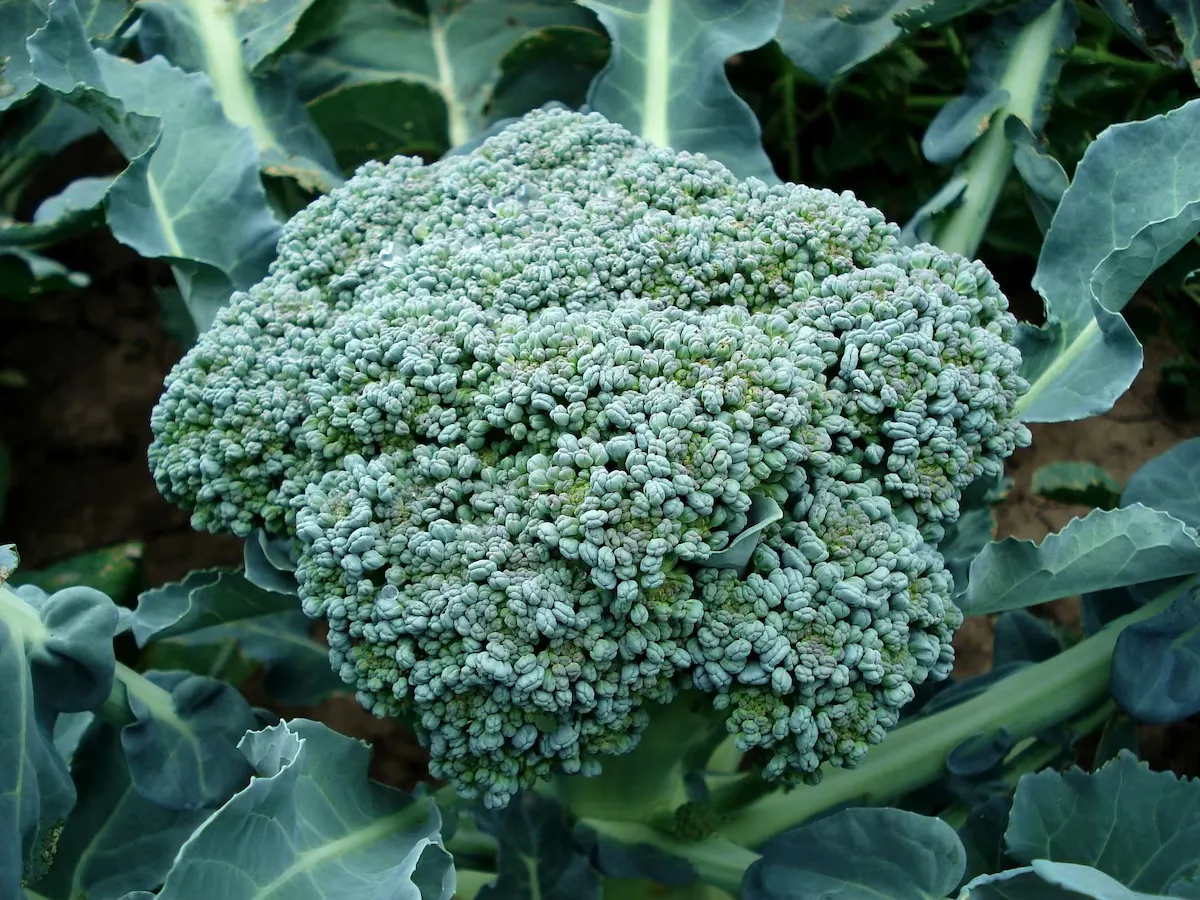
Calabrese
Calabrese (broccoli) produces a large central head of tightly-packed green buds, followed by smaller side-shoots after the main head is cut. It’s a cool-season brassica crop. Grow it in full sun with fertile, well-drained soil and keep plants watered during dry spells. Harvest the heads while firm, then leave the stem in the ground to allow side-shoots to develop.
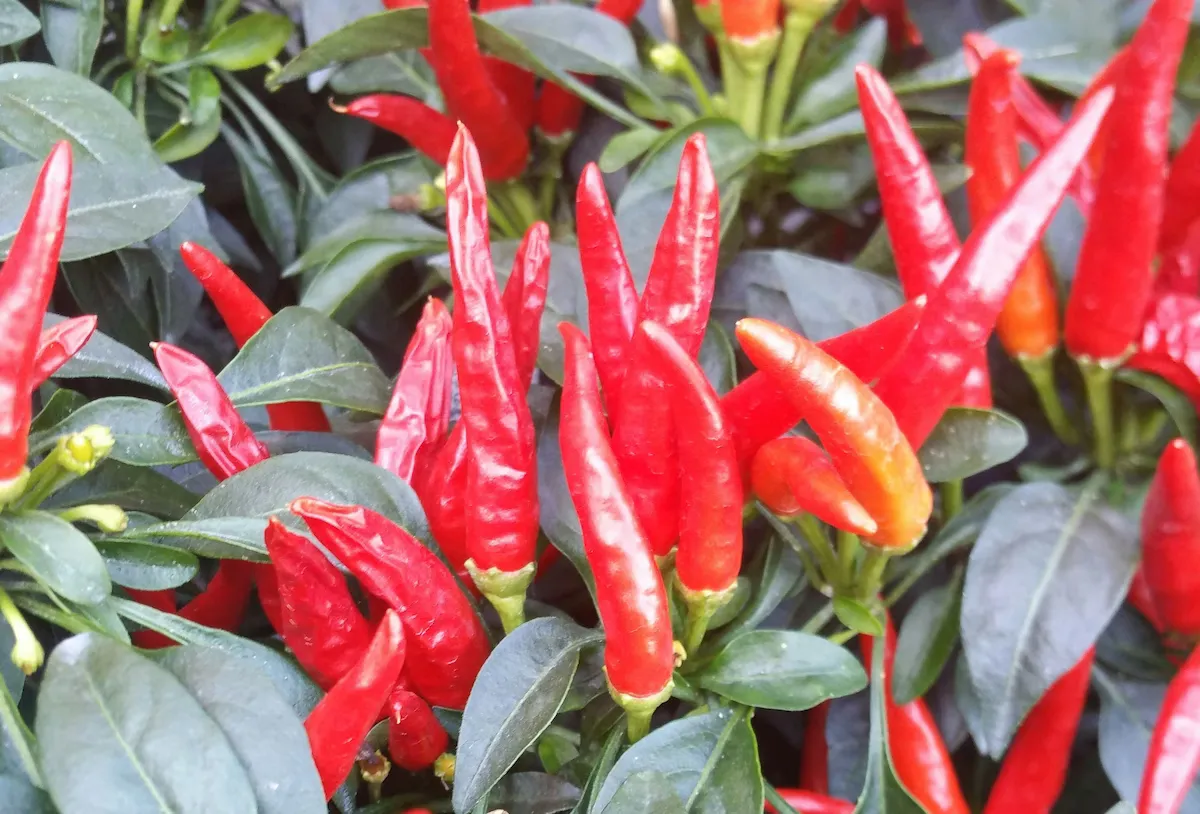
Chilli Pepper
Chilli peppers are tender perennials grown as annuals in the UK, requiring a long, warm season. They thrive in a greenhouse or a sunny, sheltered outdoor spot, producing fruits that range from mild to intensely hot depending on variety and growing conditions.
Also in nearby towns
See how Sage timing shifts in other towns with different frost dates.