Conference
The standard UK pear for reliable cropping and good flavour. It stores well and suits most gardens.
Pyrus communis
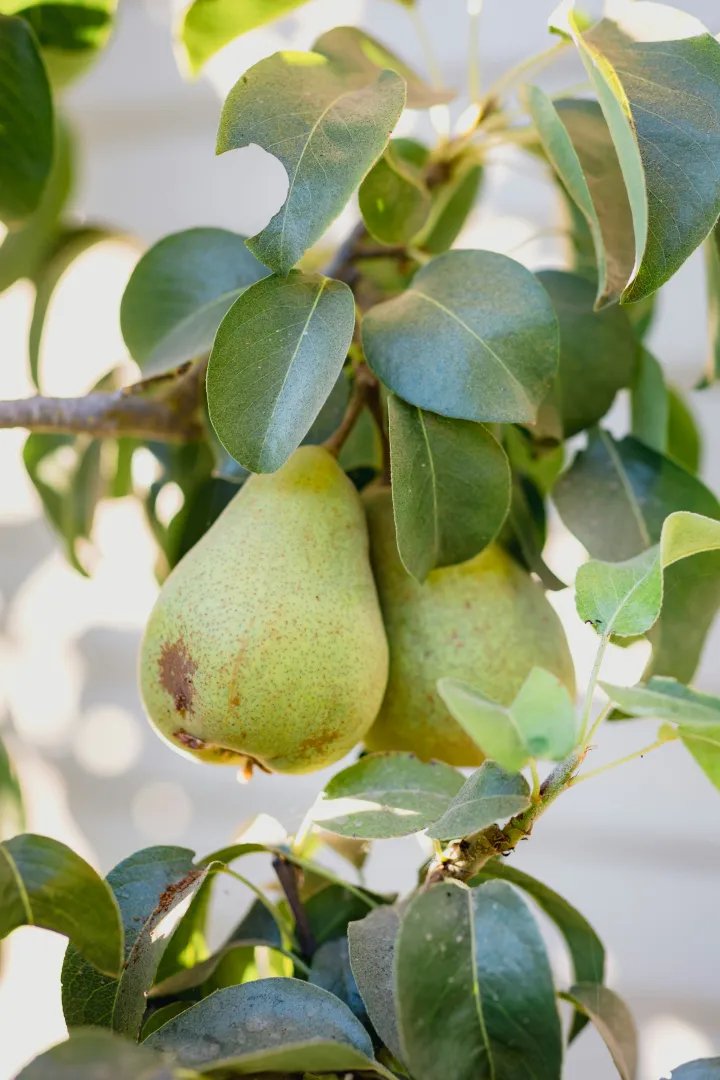
A hardy fruit tree for UK gardens, planted bare-root while dormant. It does best in full sun, in fertile, well-drained soil. Shelter from frost. The first crop comes after they settle.
600 cm · Full Sun · Moderate Water
Calibrated to Nottingham · average last frost around 20 Apr
| Activity | January | February | March | April | May | June | July | August | September | October | November | December |
|---|---|---|---|---|---|---|---|---|---|---|---|---|
| Harvest | No | No | No | No | No | No | No | No | Yes | Yes | Yes | No |
What to do through the growing season
Change the guide to see different planting timelines and tips.
Use this guide once the tree is settled and cropping. It suits most garden pears grown in the ground, with light pruning and seasonal harvest care.
01
Around 4th June - 19th June, thin clustered fruitlets after the natural drop. Space the remaining fruit so the branches carry a manageable crop and the pears size up properly.
02
Harvest from 23rd September to 7th November once the fruit comes away with a gentle twist. Pick in stages, because pears are often ready over several passes rather than all at once.
03
Prune during 20th January - 6th March while the tree is dormant. Remove congested growth, shorten whippy leaders if needed, and keep the framework open so light reaches the fruiting wood.
Popular varieties of Pear to consider
The standard UK pear for reliable cropping and good flavour. It stores well and suits most gardens.
A well-known early pear with a juicy, aromatic flavour. Best eaten soon after picking.
A rich dessert pear with excellent flavour. It prefers a warm, sheltered site and can be a bit fussier than Conference.
A compact, modern dessert pear with a good flavour and reliable cropping. Often a sensible choice for smaller gardens.
Explore similar plants you might like
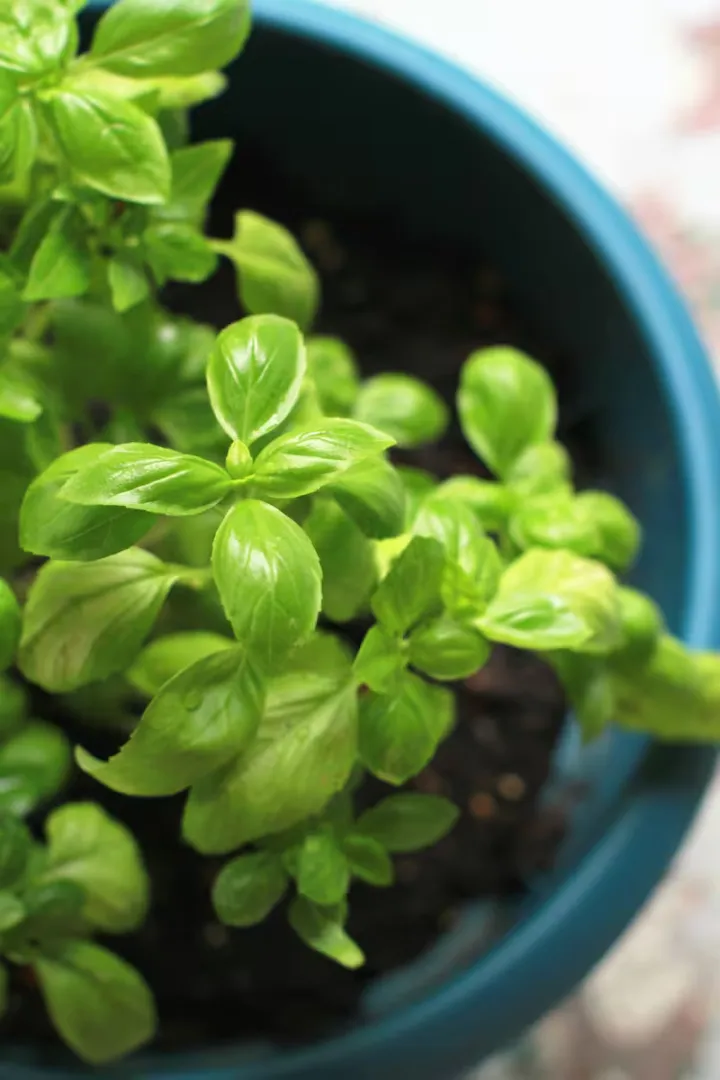
Sow indoors March, plant out May, harvest June to September. Typical frost risk November to April.
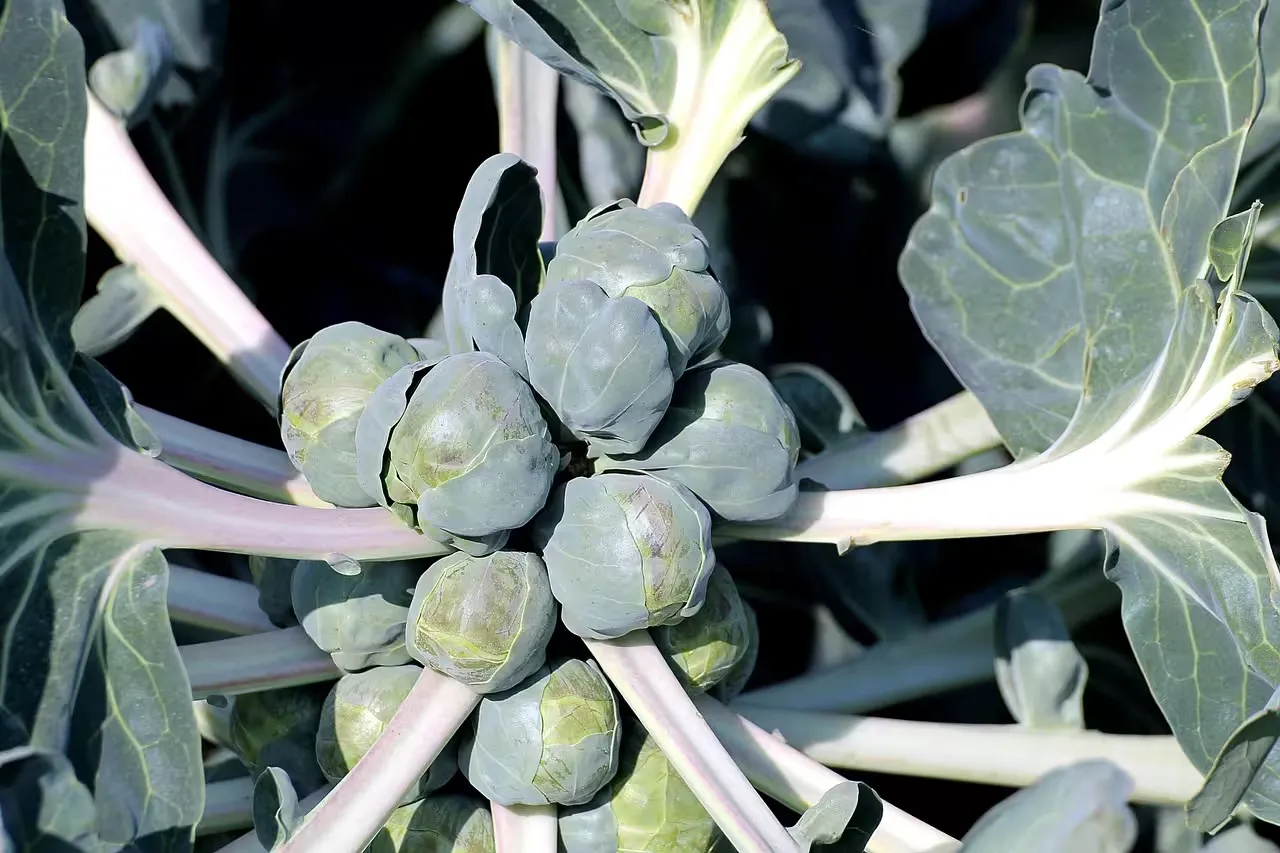
Sow indoors March, plant out May, harvest October to March. Typical frost risk November to April.
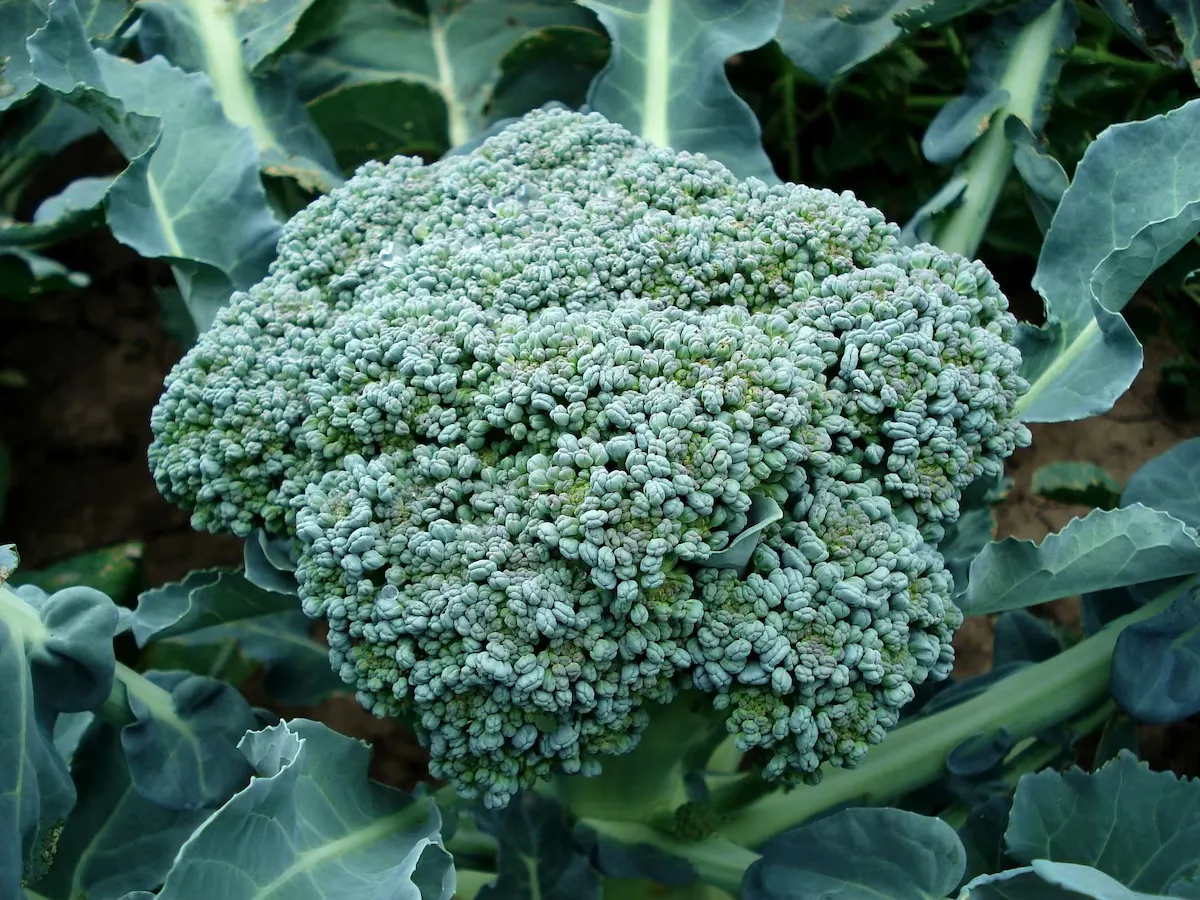
Sow indoors March, plant out May, harvest July to September. Typical frost risk November to April.