Jack O'Lantern
A classic carving pumpkin with a round shape and bright orange skin. It's widely available in UK garden centres and matures reliably in our shorter growing season.
Cucurbita pepo
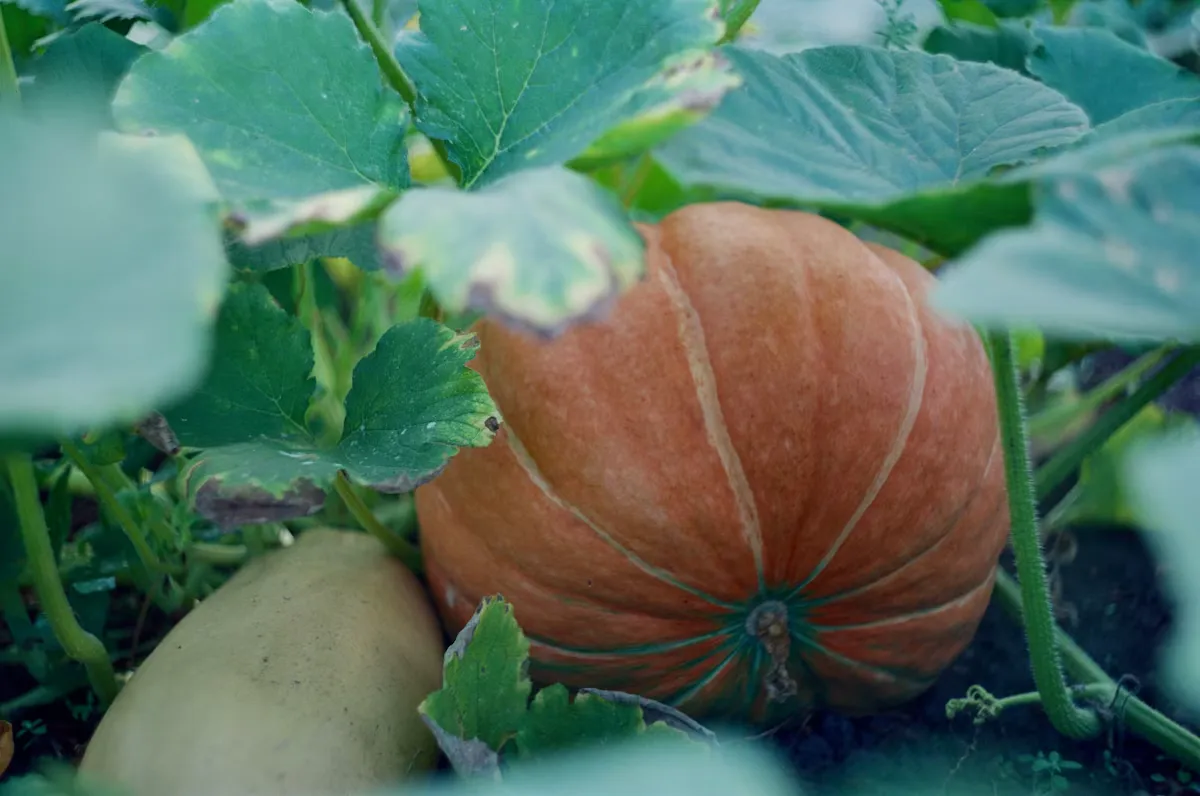
Pumpkins are vigorous annual vines grown for their large, colourful autumn fruits. They thrive in warm, sunny conditions and produce long, sprawling stems that can easily run several metres. Pumpkins are frost-tender and need a good, rich soil and consistent watering through summer. With enough warmth and space, they reward you with hard-skinned fruits that store well and are ideal for both cooking and seasonal decoration.
60 cm · Full Sun · High Water
Calibrated to London · average last frost around 4 Apr
| Activity | January | February | March | April | May | June | July | August | September | October | November | December |
|---|---|---|---|---|---|---|---|---|---|---|---|---|
| Sow indoors | No | No | Yes | No | No | No | No | No | No | No | No | No |
| Plant out | No | No | No | Yes | No | No | No | No | No | No | No | No |
| Harvest | No | No | No | No | No | No | No | No | No | Yes | Yes | No |
What to do through the growing season
Change the guide to see different planting timelines and tips.
Grow large pumpkins for carving or display outdoors, starting seeds indoors to extend the UK growing season.
01
Sow seeds on their edge at a depth of in modules or pots filled with seed compost. Keep at to encourage germination, which usually takes 7-10 days. Do not sow earlier than 14th March - 21st March as seedlings can become root-bound quickly.
02
Once seedlings have two true leaves, pot them on into larger pots around in diameter to prevent root restriction. Use a general-purpose compost and keep them in a bright, warm spot at .
03
Gradually acclimatise plants to outdoor conditions over 10-14 days starting around 11th April - 18th April. Place them outside in a sheltered spot during the day and bring them in at night, increasing exposure each day.
04
Plant out into rich, well-drained soil after the last frost, spacing plants apart. Dig in plenty of compost or well-rotted manure beforehand and water well. Use cloches or fleece for extra protection if nights are still cool.
05
Water heavily at the base to keep soil consistently moist, especially during dry spells. Once fruits start to swell around 17th June, feed every 14 days with a high-potash fertiliser to support fruit development.
06
Leave fruits on the vine as long as possible before the first heavy frost, harvesting from 20th October - 17th November. Cut leaving a stalk, then cure in the sun for 10-14 days to harden the skin for storage or carving.
Popular varieties of Pumpkin to consider
A classic carving pumpkin with a round shape and bright orange skin. It's widely available in UK garden centres and matures reliably in our shorter growing season.
This small variety produces numerous palm-sized fruits that are ideal for decoration or cooking. It's well-suited to UK gardens as it can be grown in containers and has good disease resistance.
A popular grey-blue skinned pumpkin with sweet, dense orange flesh that stores well. It performs consistently in UK conditions and is favoured for soups and roasting.
Known for producing very large pumpkins, this variety is grown by enthusiasts for competitions. It requires a long growing season but can succeed in the UK with careful site selection and feeding.
A compact plant that yields small, flattened pumpkins with good flavour. It's recommended for UK gardens because it matures early and is less prone to mildew in damp weather.
Explore similar plants you might like
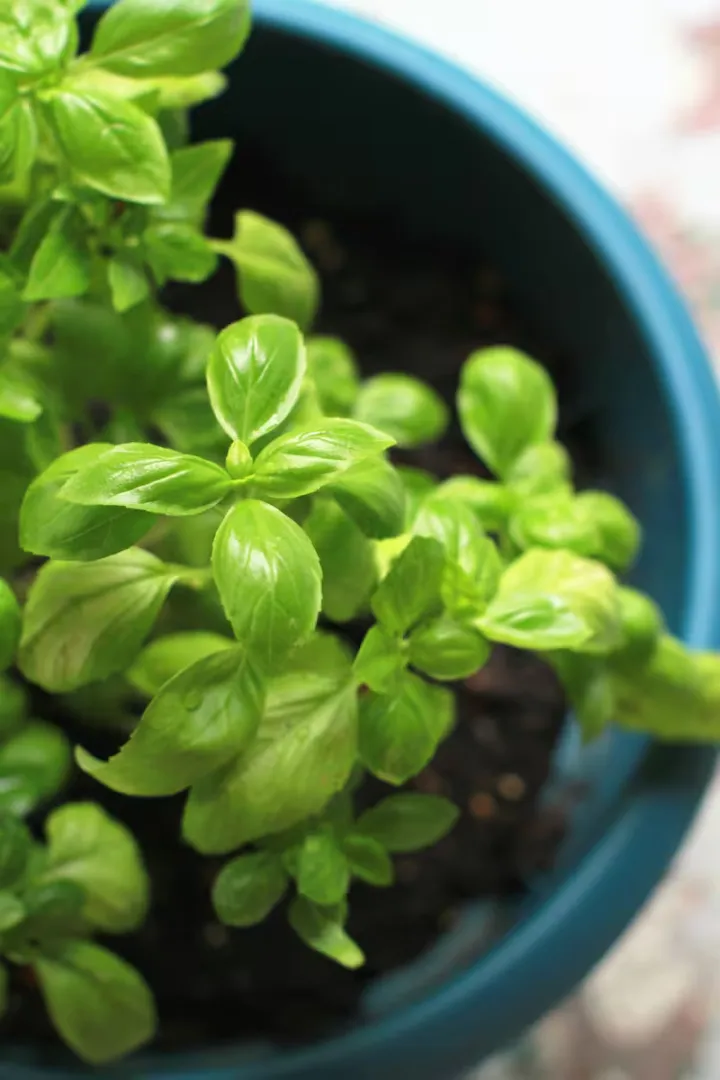
Sow indoors February to March, plant out April to May, harvest June to August. Typical frost risk November to April.
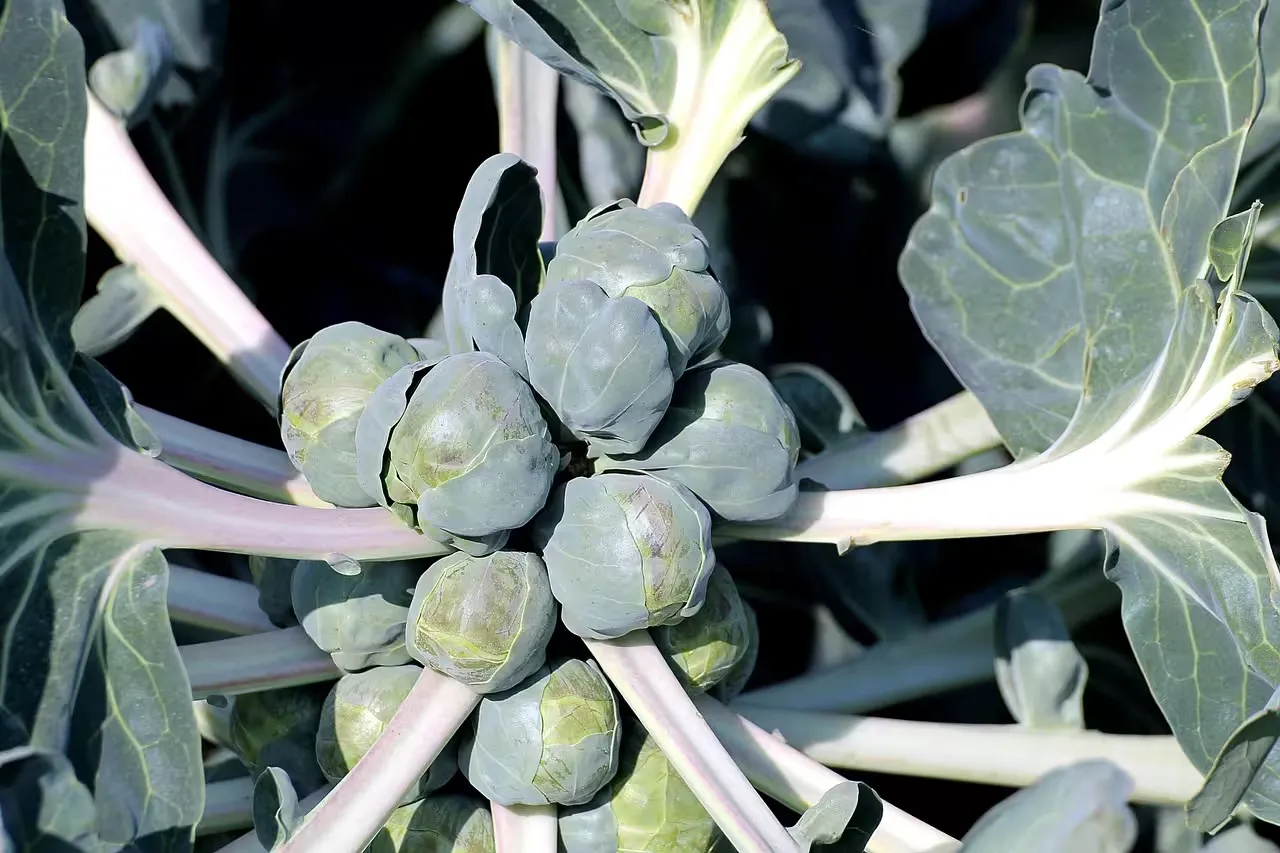
Sow indoors February to March, plant out April to May, harvest October to March. Typical frost risk November to April.
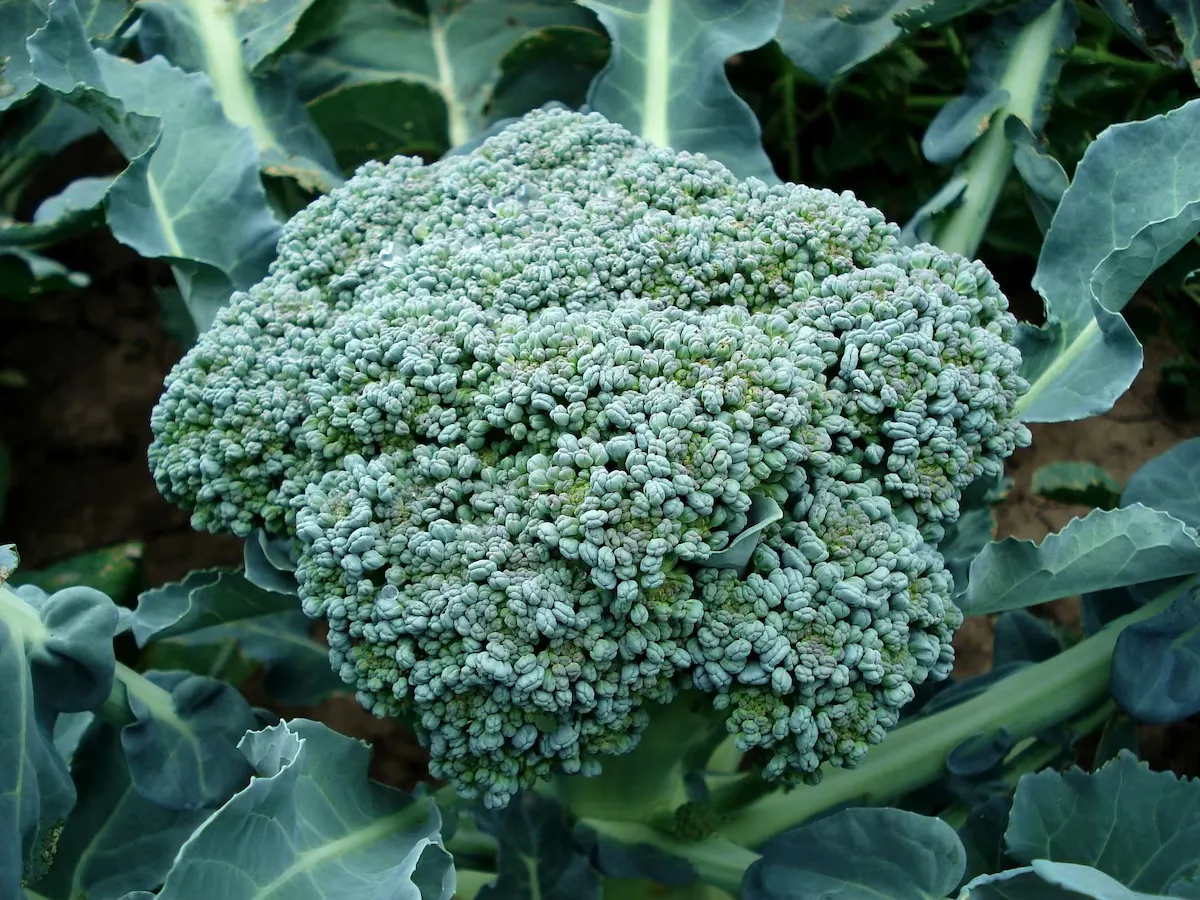
Sow indoors February to March, plant out April to May, harvest June to August. Typical frost risk November to April.
See how Pumpkin timing shifts in other towns with different frost dates.