Miss Jekyll
Classic blue flowers with finely cut foliage and a loose, airy habit.
Nigella damascena
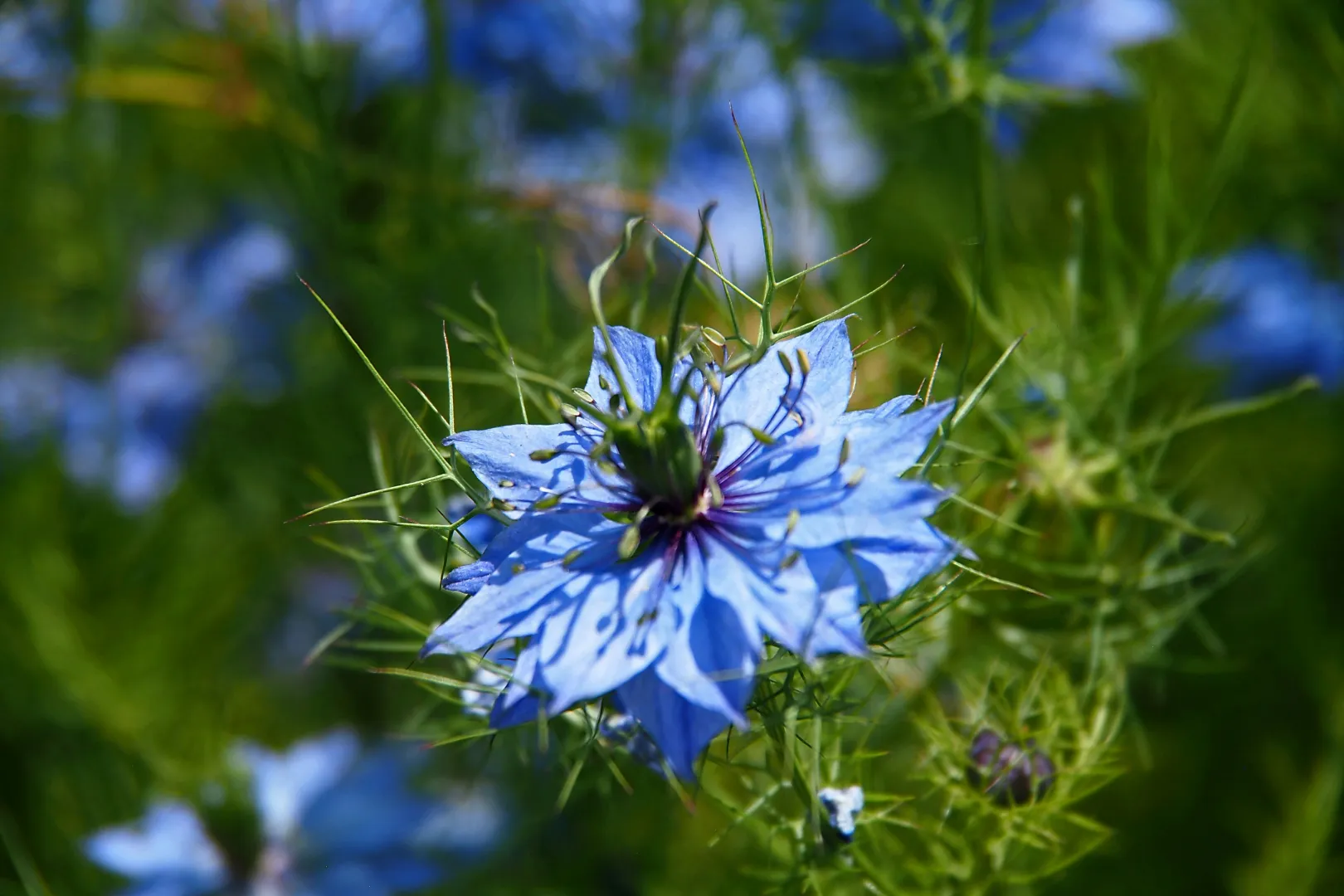
A hardy annual grown from direct sowing in the UK. It does best in open, sunny ground with free-draining soil, and it often self-seeds if you leave some flower heads to mature.
45 cm · Full Sun · Moderate Water
Calibrated to Lelant · last frost ≈ 25 Mar
| Activity | January | February | March | April | May | June | July | August | September | October | November | December |
|---|---|---|---|---|---|---|---|---|---|---|---|---|
| Sow | No | Yes | Yes | No | No | No | No | No | No | No | No | No |
| Harvest | No | No | No | No | No | Yes | Yes | No | No | No | No | No |
Step-by-step instructions for growing Nigella
01
Sow thinly around 25th February - 25th March on finely raked, weed-free soil. Cover with a light depth of , then keep the seedbed just moist until seedlings appear. Sow a fresh batch every 21 days if you want a longer run of flowers.
02
When seedlings are large enough to handle, thin them to apart. Do it gently, because crowded plants make fewer flowers and weak stems.
03
From 10th April, water only in dry spells and avoid overfeeding, which gives soft growth and fewer blooms. A light mulch helps the soil hold moisture without making the plants lush.
04
Start picking and deadheading from 10th May to keep the plants flowering for longer. Cut stems regularly for the vase, and leave a few seed heads if you want self-seeding.
05
Collect ripe seed heads from 9th June once they have dried and turned papery. Hang them indoors to finish drying, then shake out the seed for sowing next year.
Tap a plant to see why it works (or doesn't) with Nigella.
Companion planting can deter pests, improve pollination, and make better use of space. Some plants confuse pests or attract beneficial insects; others improve soil or offer shade to neighbours that need it.
Popular varieties of Nigella to consider
Classic blue flowers with finely cut foliage and a loose, airy habit.
Mixed colours on compact plants, useful for bedding and cutting.
Grown more for the striped seed pods than the flowers, with a neat habit.
Explore similar plants you might like
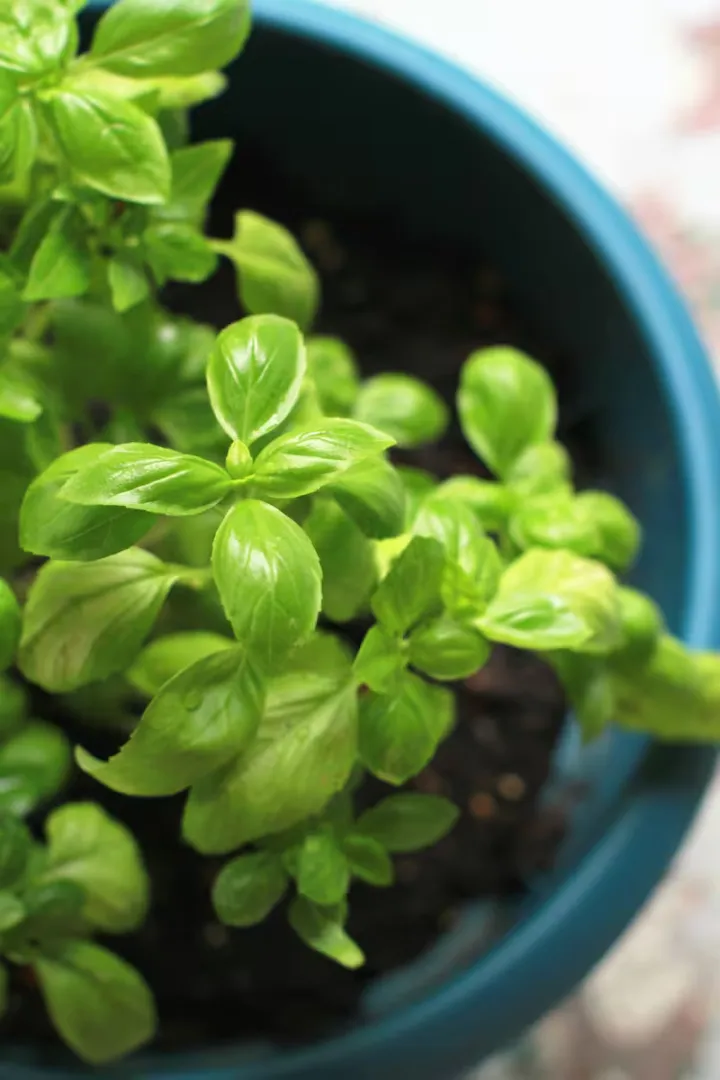
Sow indoors February, plant out April, harvest May to August. Frost risk November to March.
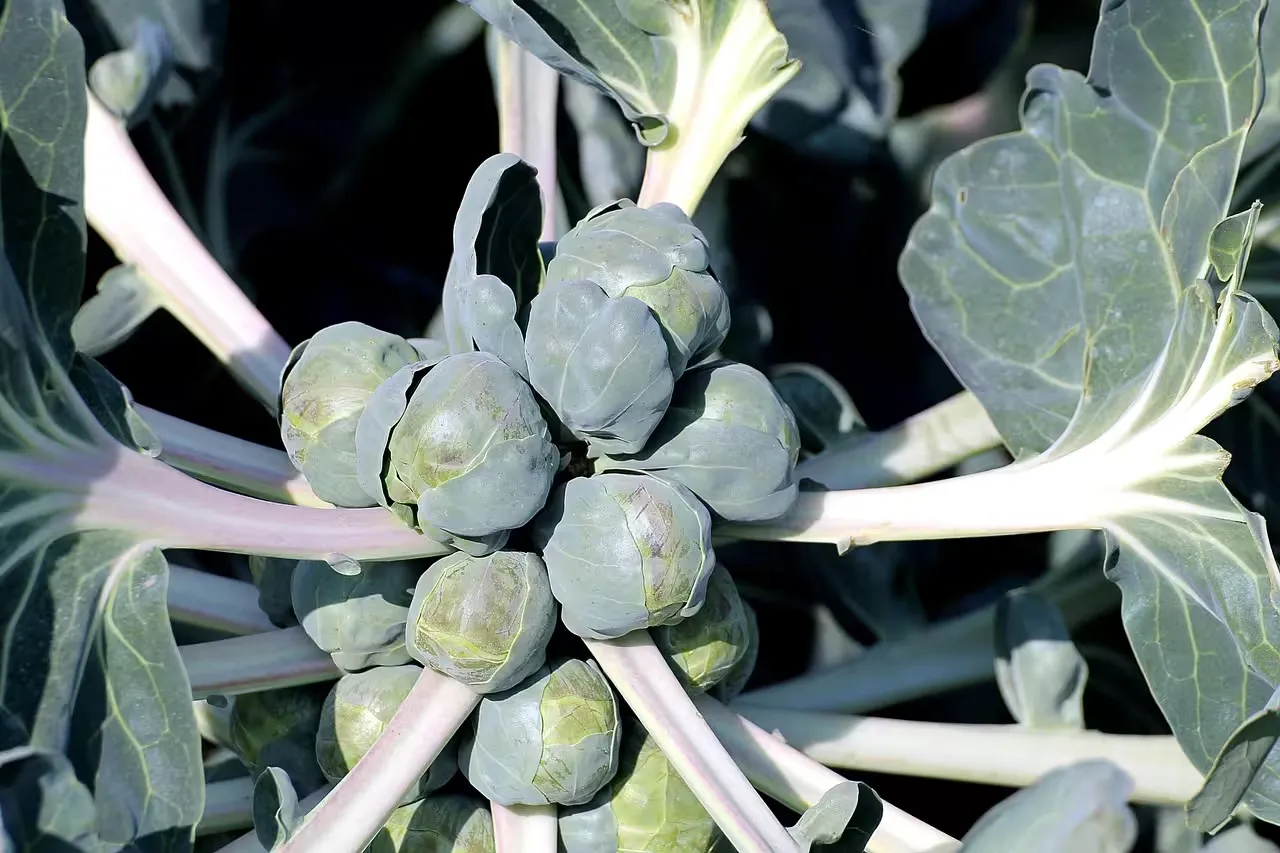
Sow indoors February, plant out April, harvest October to March. Frost risk November to March.
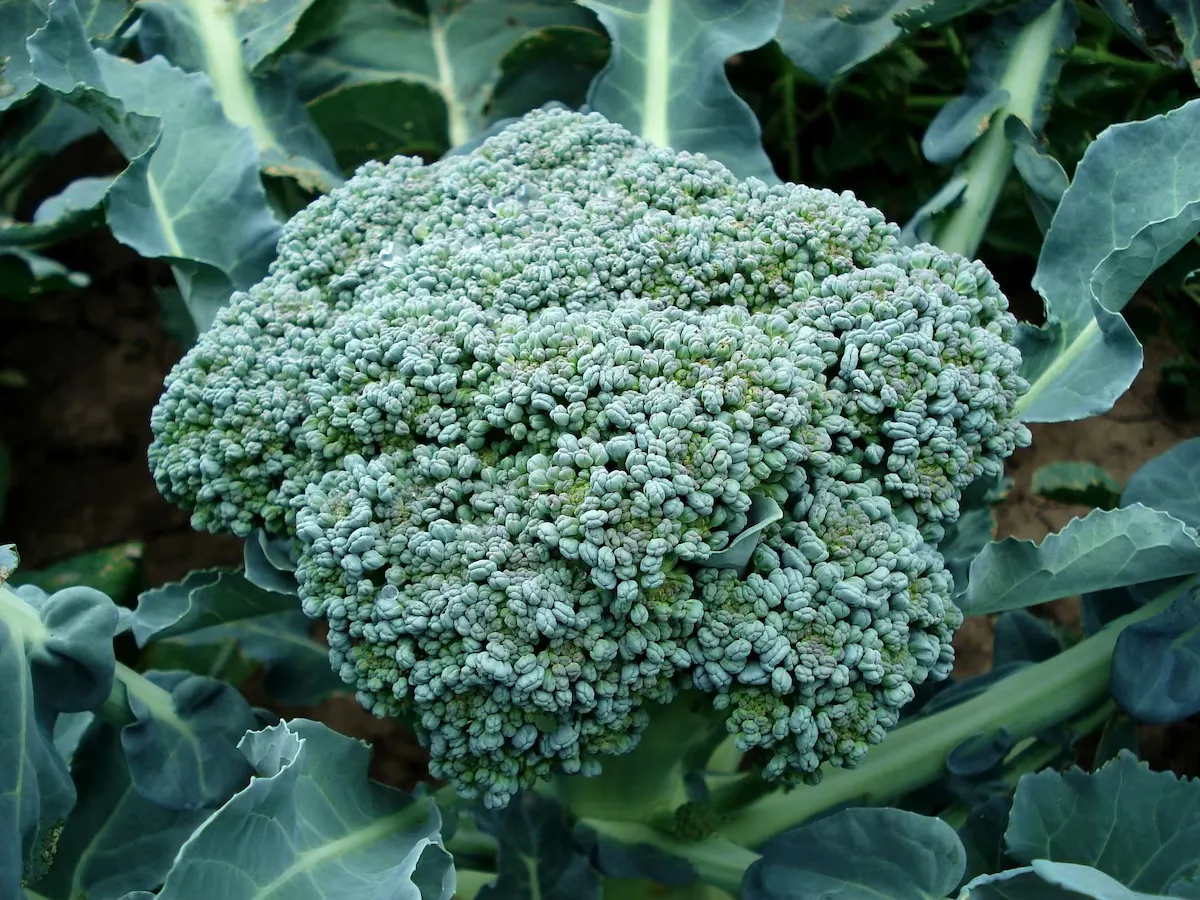
Sow indoors February, plant out April, harvest June to August. Frost risk November to March.
See how Nigella timing shifts in other towns with different frost dates.