Glen Ample
A widely grown summer-fruiting raspberry with large, good-flavoured berries and strong yields.
Rubus idaeus
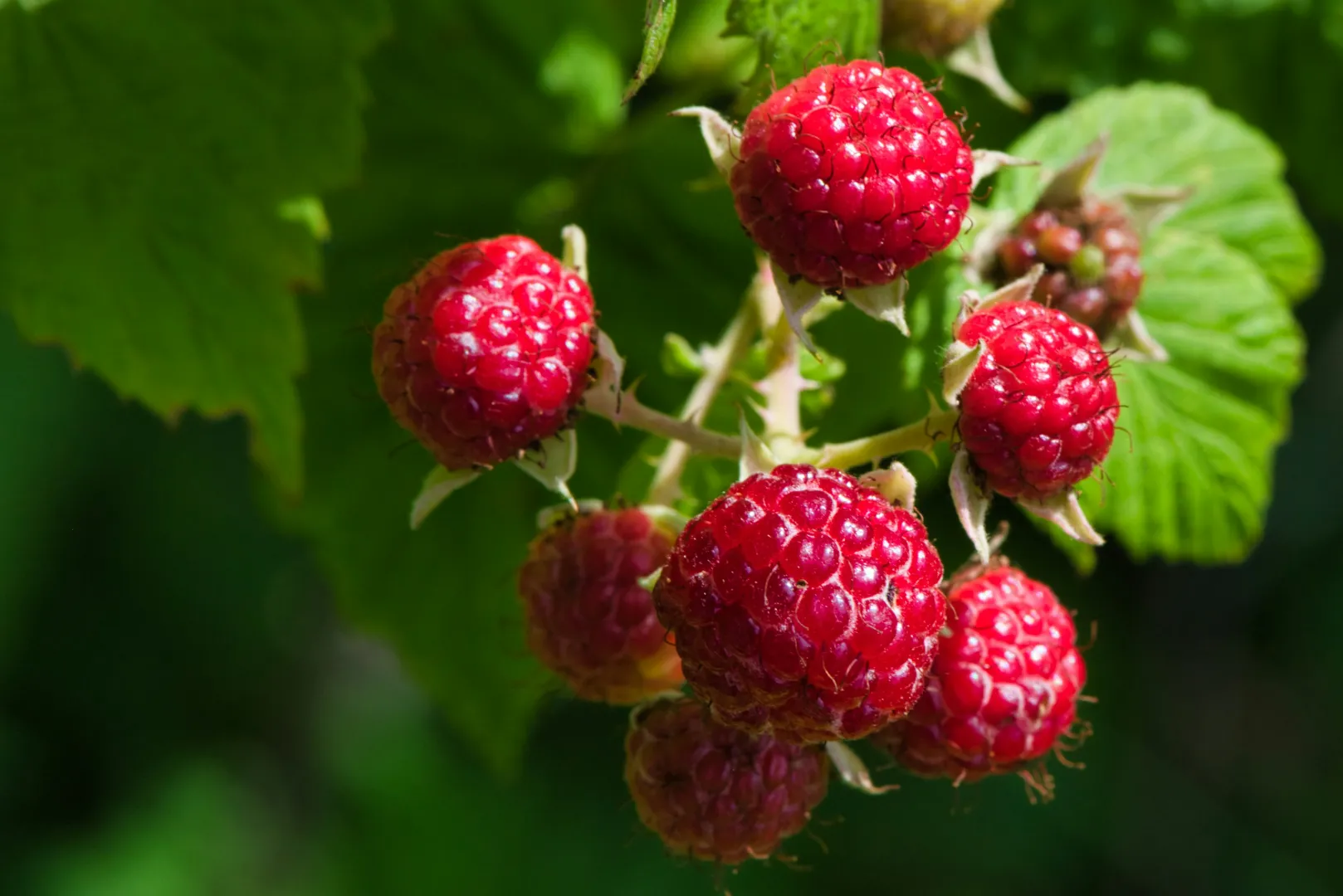
A hardy cane fruit for UK gardens. Plant bare-root canes while dormant. Summer types fruit on last year’s canes. Autumn types fruit on this year’s. Keep them watered in the first season, mulch each year, and tie in new growth.
180 cm · Full Sun · High Water
Calibrated to Leeds · average last frost around 24 Apr
| Activity | January | February | March | April | May | June | July | August | September | October | November | December |
|---|---|---|---|---|---|---|---|---|---|---|---|---|
| Plant out | Yes | Yes | No | No | No | No | No | No | No | No | Yes | Yes |
| Harvest | No | No | No | No | No | Yes | Yes | Yes | No | No | No | No |
What to do through the growing season
Change the guide to see different planting timelines and tips.
They fruit on last year’s canes. The first crop comes after the plants have settled.
01
Plant bare-root canes from 22nd November to 15th February 2027 in well-dug, fertile soil. Only plant if the ground is open, not frozen or wet. Set them at the same depth they were growing before. Cut new canes to about after planting, unless they are long-canes. Water in well.
02
From 9th May 2027 to 22nd August 2027, water well in the first year, then in dry spells while the fruit swells. Do this each year. Soak the soil, do not dribble.
03
Around 10th March - 9th April 2027, mulch with compost or well-rotted manure. Do this once a year. Feed only if growth is weak.
04
Put netting over from 3rd June 2027, when the fruit starts to colour. Keep it on through last pick, to 22nd August 2027. Keep it taut.
05
Pick from 18th June 2027 to 22nd August 2027 once the berries are fully coloured and come away easily. Harvest every couple of days in dry weather.
06
After last pick, from 22nd August 2027, cut the fruited canes to the ground. Keep 6 to 8 new canes and tie them in.
Popular varieties of Raspberry to consider
A widely grown summer-fruiting raspberry with large, good-flavoured berries and strong yields.
An early summer-fruiting variety that crops well in UK gardens and is often grown for reliable flavour.
A classic autumn-fruiting raspberry with easy-picking fruit and a long cropping season.
A productive autumn-fruiting variety that gives good-quality berries over a long picking period.
Explore similar plants you might like
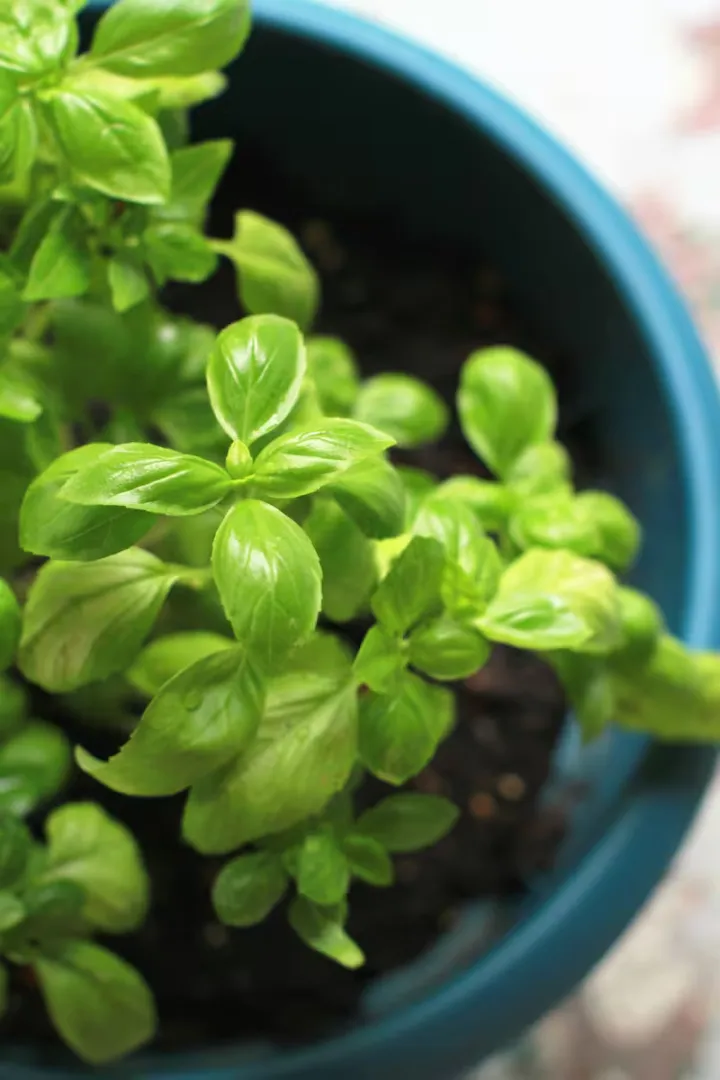
Sow indoors March, plant out May, harvest June to September. Typical frost risk November to April.
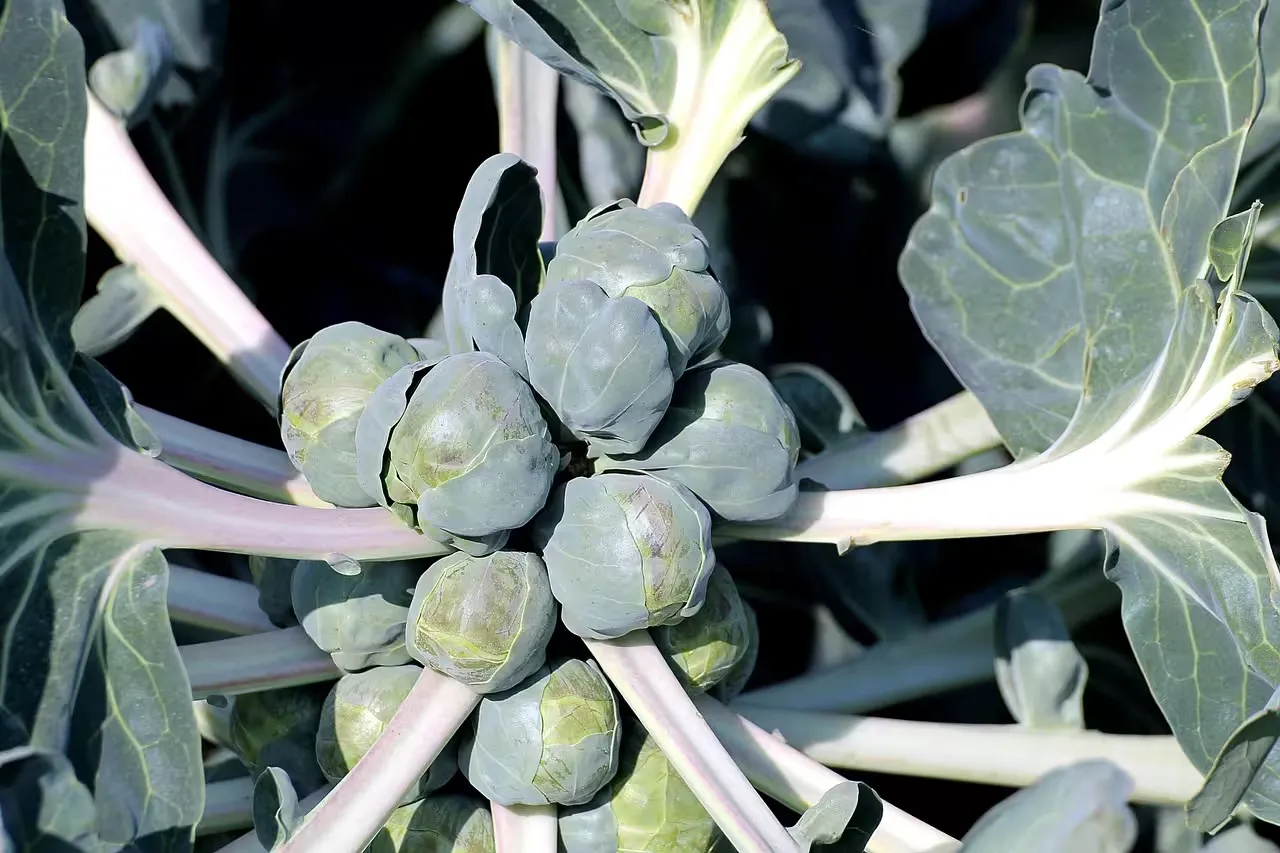
Sow indoors March, plant out May, harvest October to March. Typical frost risk November to April.
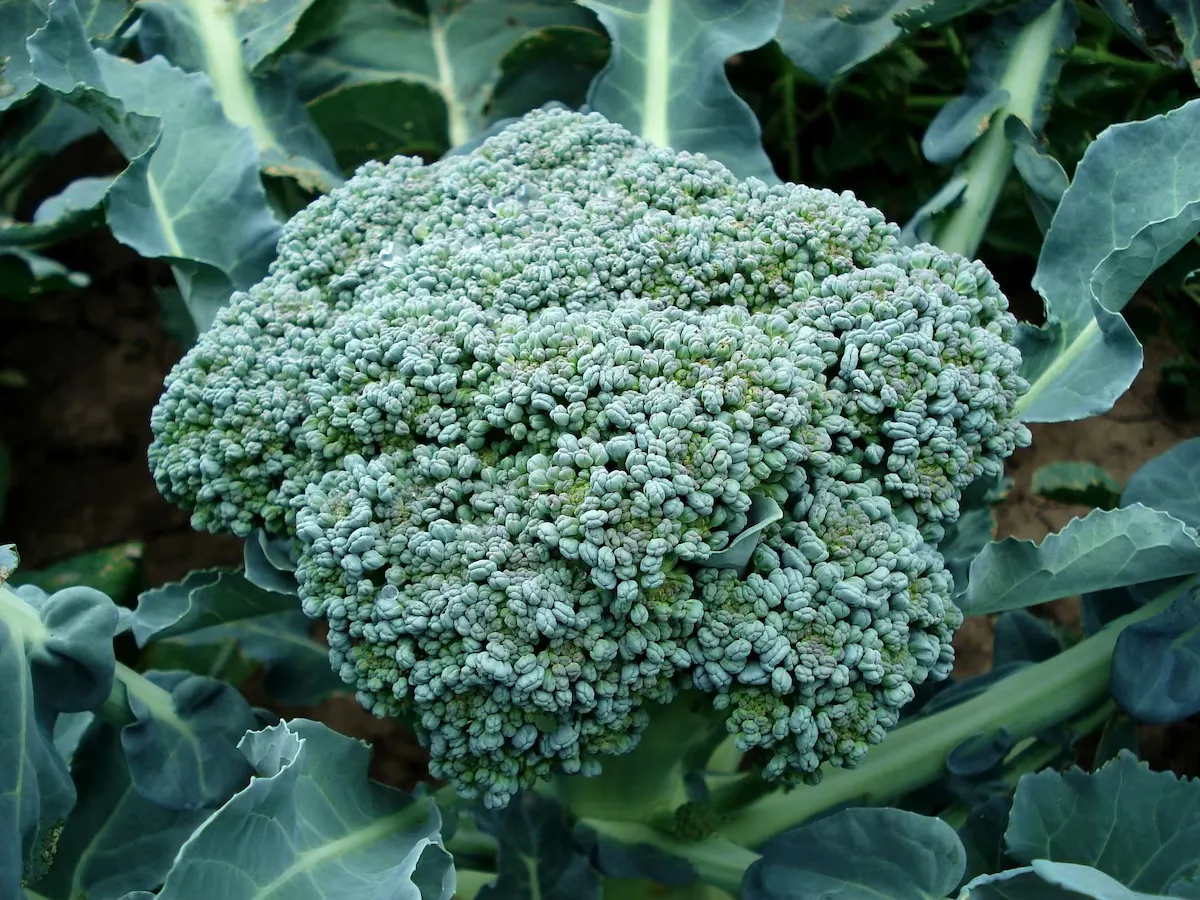
Sow indoors March, plant out May, harvest July to September. Typical frost risk November to April.
See how Raspberry timing shifts in other towns with different frost dates.