Benary's Giant
Large, fully double flowers on tall plants, good for cutting.
Zinnia elegans
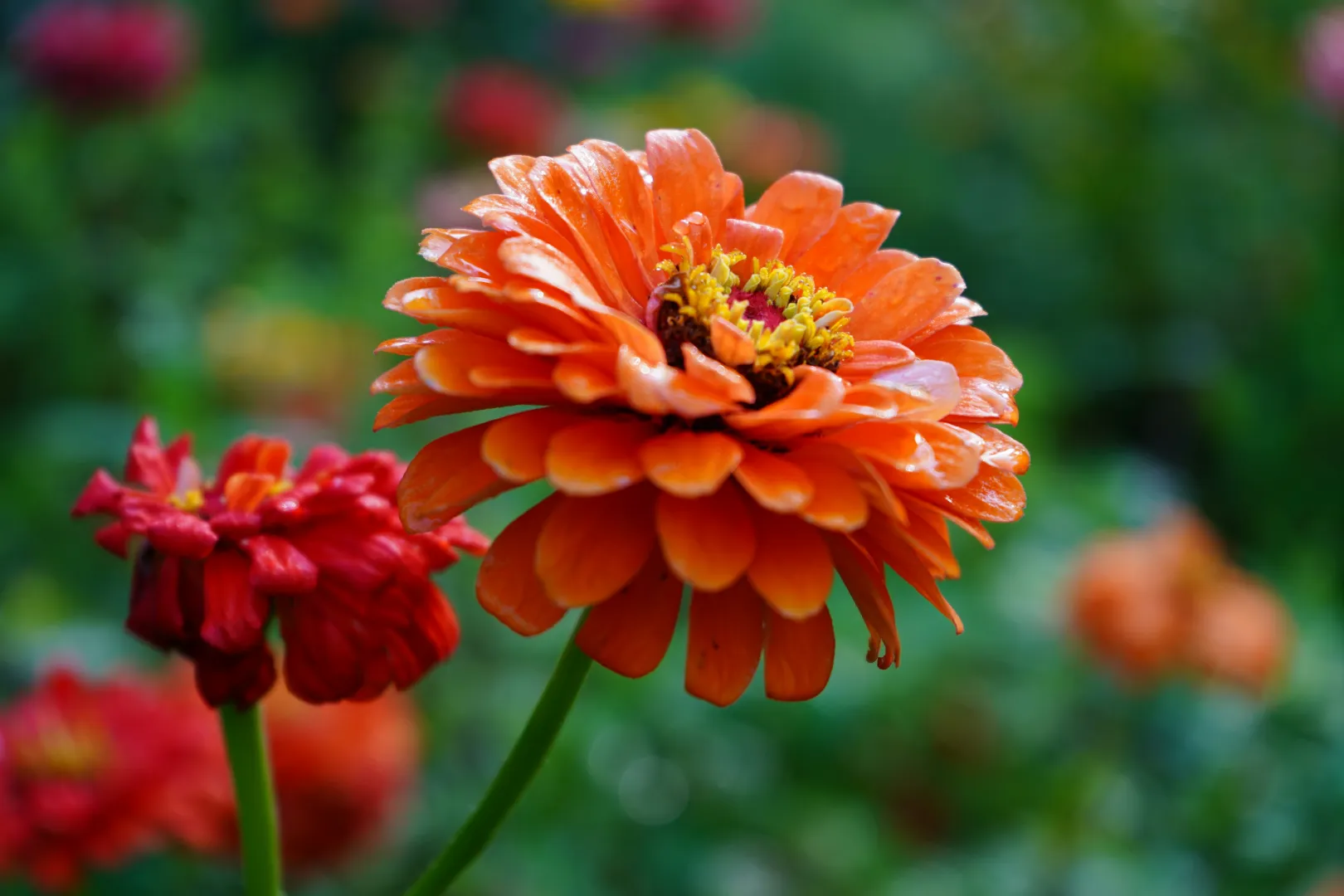
Half-hardy annual grown for bright summer flowers. In the UK, start it under cover or sow outside after frost risk has passed, then plant out in a sunny, sheltered spot with free-draining soil.
75 cm · Full Sun · Moderate Water
Calibrated to Edinburgh · average last frost around 4 May
| Activity | January | February | March | April | May | June | July | August | September | October | November | December |
|---|---|---|---|---|---|---|---|---|---|---|---|---|
| Sow outdoors | No | No | No | No | No | Yes | No | No | No | No | No | No |
What to do through the growing season
Change the guide to see different planting timelines and tips.
Direct sow only in reliably warm, sheltered gardens with light, free-draining soil. It avoids root disturbance but usually flowers later than plants started under cover.
01
In a warm, sheltered garden with light, free-draining soil, sow seeds where they are to flower around 8th June - 22nd June, to a depth of . Water gently and keep the seedbed just moist until seedlings appear.
02
Check the seedbed around 8th June - 6th July and water at soil level whenever the surface begins to dry. Avoid wetting the leaves, as damp foliage encourages fungal disease.
03
Thin seedlings around 22nd June - 13th July once they are easy to handle, leaving the strongest plants apart. Remove weaker seedlings carefully so the remaining roots are not disturbed.
04
Around 13th July - 10th August, pinch out the main growing tip above a pair of leaves when plants are tall to encourage branching. Support tall cultivars with canes or netting before the stems become top-heavy.
05
Every 14 days from 31st August to 16th October, cut flowers for the house or remove fading blooms back to a leaf joint. Regular cutting and deadheading encourage the plants to keep producing flowers until frost.
Tap a plant to see why it works (or doesn't) with Zinnia.
Companion planting can deter pests, improve pollination, and make better use of space. Some plants confuse pests or attract beneficial insects; others improve soil or offer shade to neighbours that need it.
Popular varieties of Zinnia to consider
Large, fully double flowers on tall plants, good for cutting.
Compact, uniform plants with strong stems and clean flower heads.
Dwarf bedding type with a neat habit and a long flowering season.
Bushy, reliable garden zinnia with good disease tolerance and plenty of colour.
Explore similar plants you might like
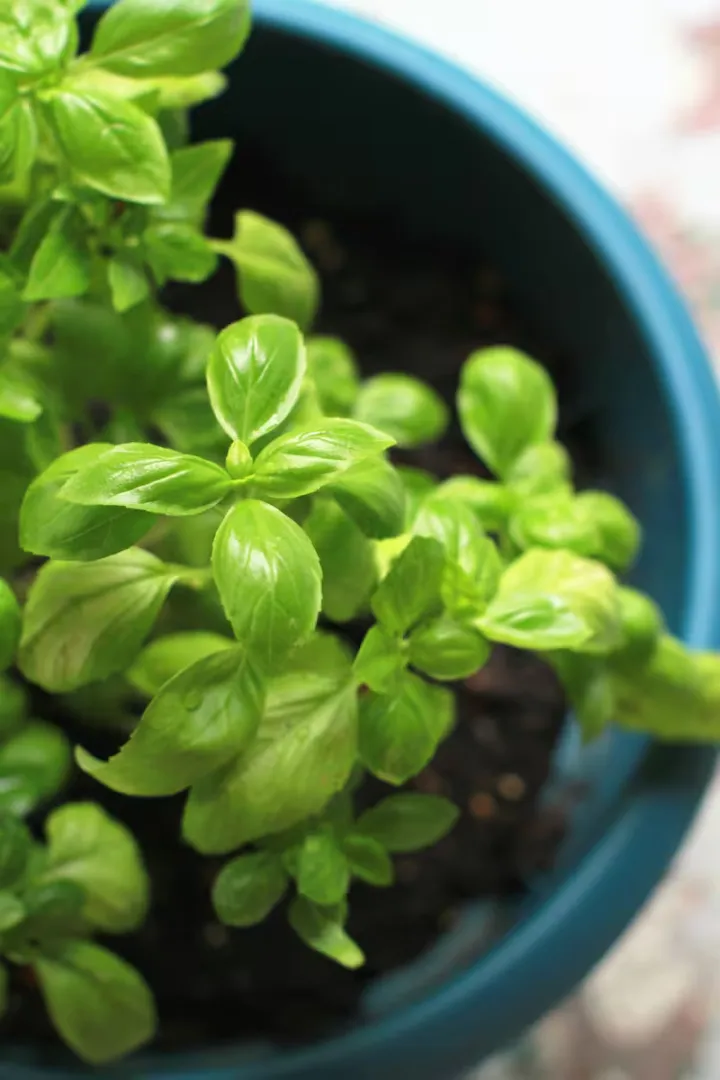
Sow indoors March to April, plant out May to June, harvest July to September. Typical frost risk October to May.
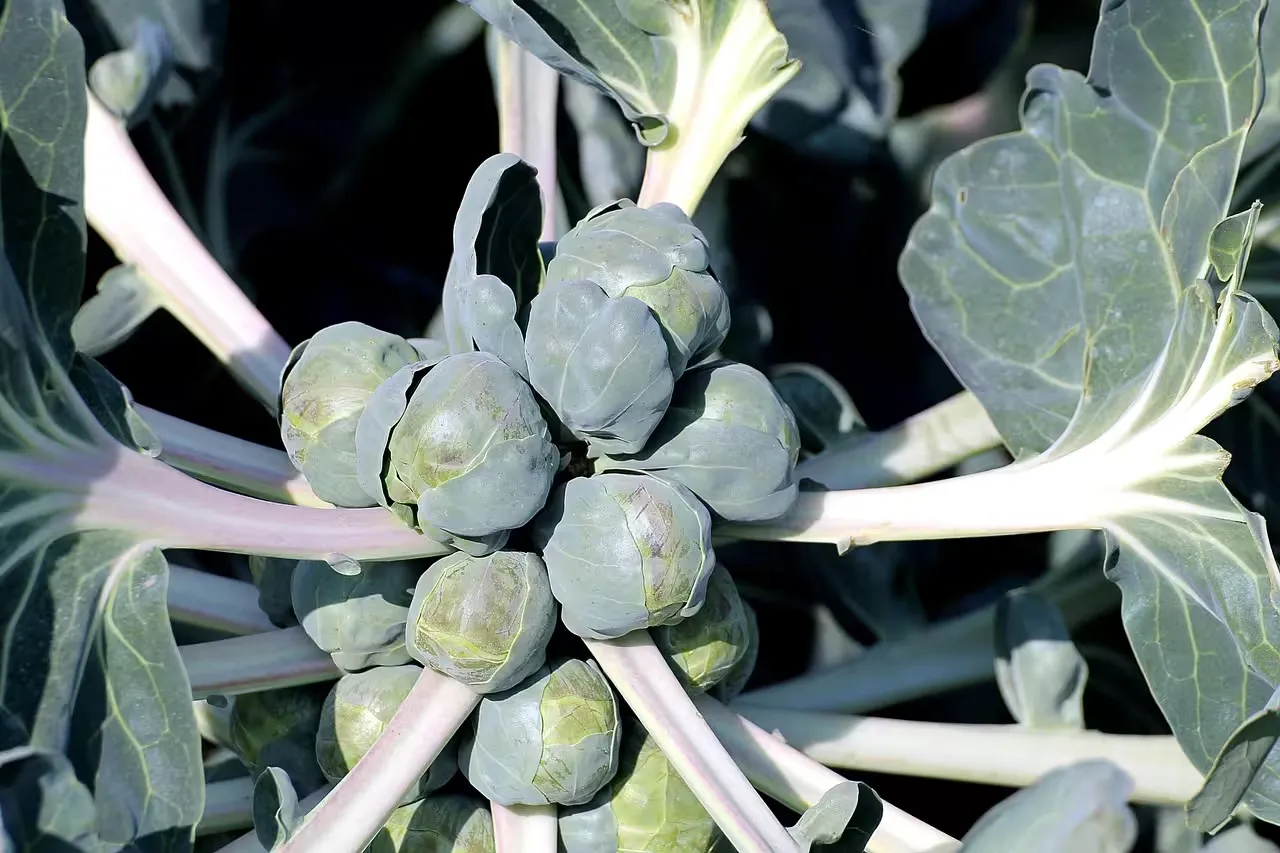
Sow indoors March to April, plant out May to June, harvest September to February. Typical frost risk October to May.
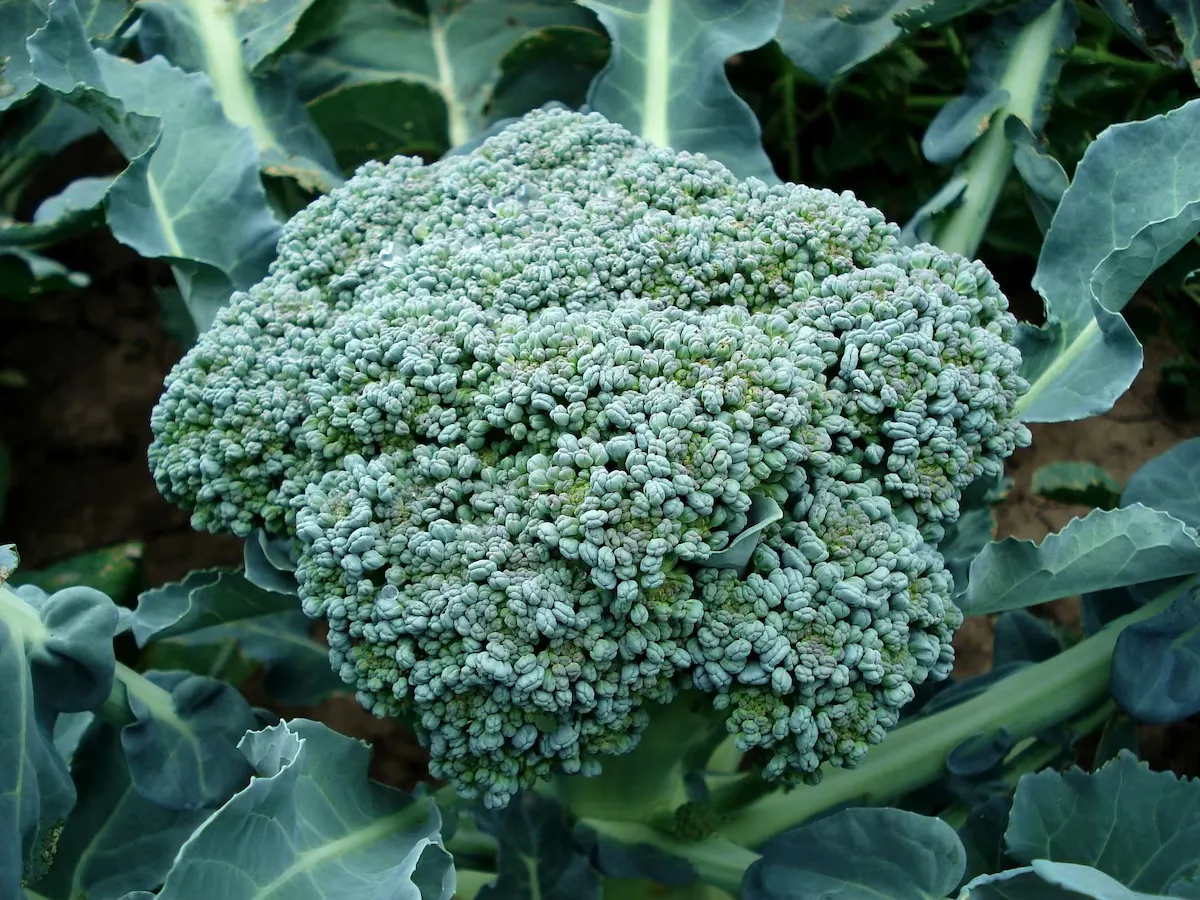
Sow indoors March to April, plant out May to June, harvest July to September. Typical frost risk October to May.