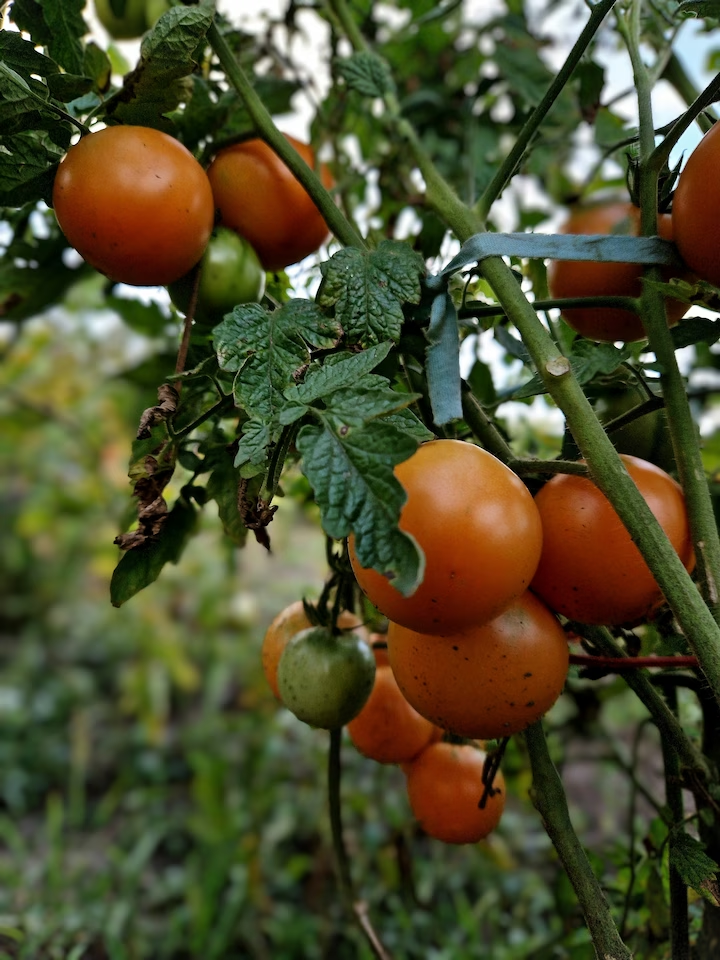
Tomatoes in Edinburgh
Solanum lycopersicum
Tomatoes are popular annual plants that produce juicy, colourful fruits and thrive in warm conditions. They are native to South America and come in two main types, determinate and indeterminate. Determinate plants are bushy and self-supporting and indeterminate are tall plants that require staking and pruning.
Growing Guide
Step-by-step instructions for growing Tomato
Planting Calendar
Growing Guide for
Change the guide to see different planting timelines and tips.
Step by step on growing determinate tomatoes outdoors.
1 Sow Seeds Indoors
Fill seed trays with peat-free seed compost and sow your seeds about deep. Lightly cover with compost and water gently, ideally from below. Keep trays warm, covered, and evenly moist while seedlings establish.
2 Prick Out Seedlings
When seedlings produce their first true leaves, remove the cover and ensure bright light. Select the strongest seedlings and transplant them into pots. Repot so the stem is buried up to the first leaves to encourage root growth. Maintain and keep moisture steady.
3 Pot On Seedlings
Once roots fill the pot, move the plants into larger pots. Keep growth steady with good light and regular watering.
4 Harden Off Seedlings
April in Edinburgh is a good time to begin hardening off. Gradually expose your plants to outdoor conditions—start with short daytime periods outside, then increase exposure over a week until they can stay out full-time.
5 Transplant Outdoors
When frost risk has passed and soil is above in Edinburgh, transplant your determinate tomatoes to their final outdoor position. Space plants apart to allow good airflow.
6 Support and Maintenance
Determinate tomatoes grow as compact bushes, so pruning is minimal. Remove only damaged or very low leaves, and provide a single stake or small cage to prevent the plant from sprawling as fruit develops.
7 Fertilise
As soon as flowers appear, begin feeding weekly with a high-potassium tomato fertiliser to support flowering and fruit set. Avoid overfeeding early on, as this encourages leafy growth instead of fruit.
8 Harvest Tomatoes
Your determinate tomatoes will start ripening around July. Since determinate varieties produce fruit in a concentrated window, check plants daily and harvest as soon as they reach full colour.
Companion Plants
Plants that grow well (or poorly) with Tomato
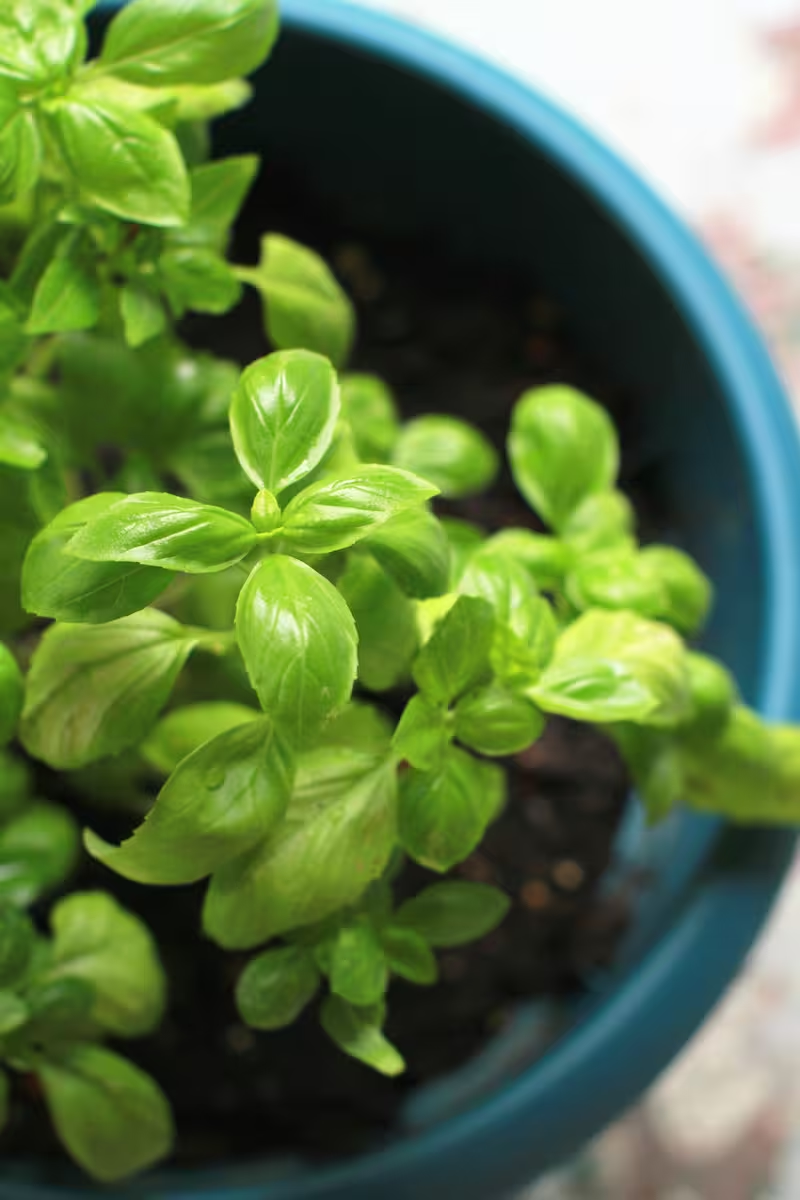
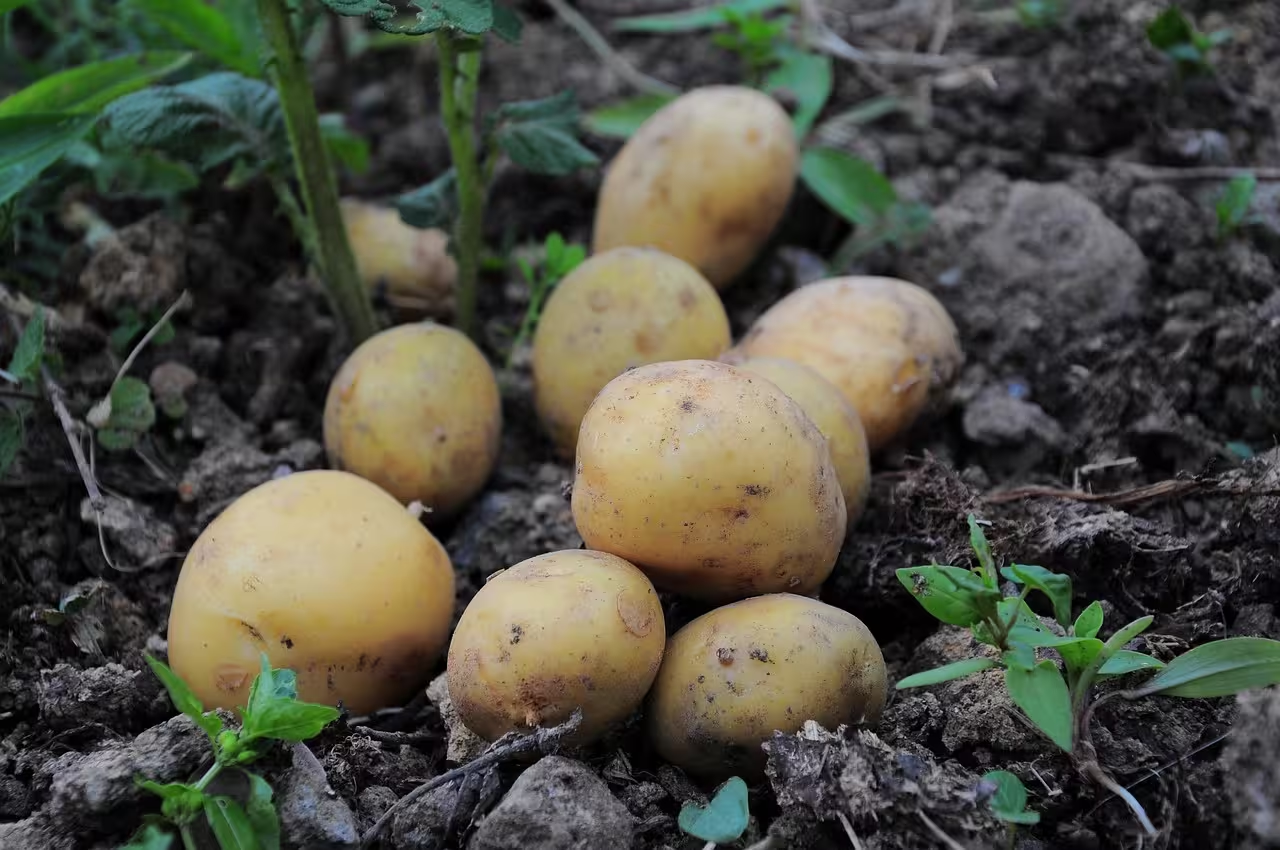
Why Companion Planting Matters
Companion planting can help deter pests, improve pollination, enhance growth, and maximize garden space. Some plants release chemicals that repel pests or attract beneficial insects, while others can improve soil quality or provide shade for sensitive plants.
Related Plants
Explore similar plants you might like
Sprouting Broccoli
Sprouting broccoli is a hardy and nutritious vegetable that produces multiple tender spears with small clusters of purple or white buds, offering repeated harvests in late winter and early spring when fresh produce is scarce. It's easy to grow in the UK, thriving in cool conditions and providing vitamins A, C, and folic acid. Unlike standard broccoli, it focuses on side shoots rather than a single large head, extending the picking season for weeks.
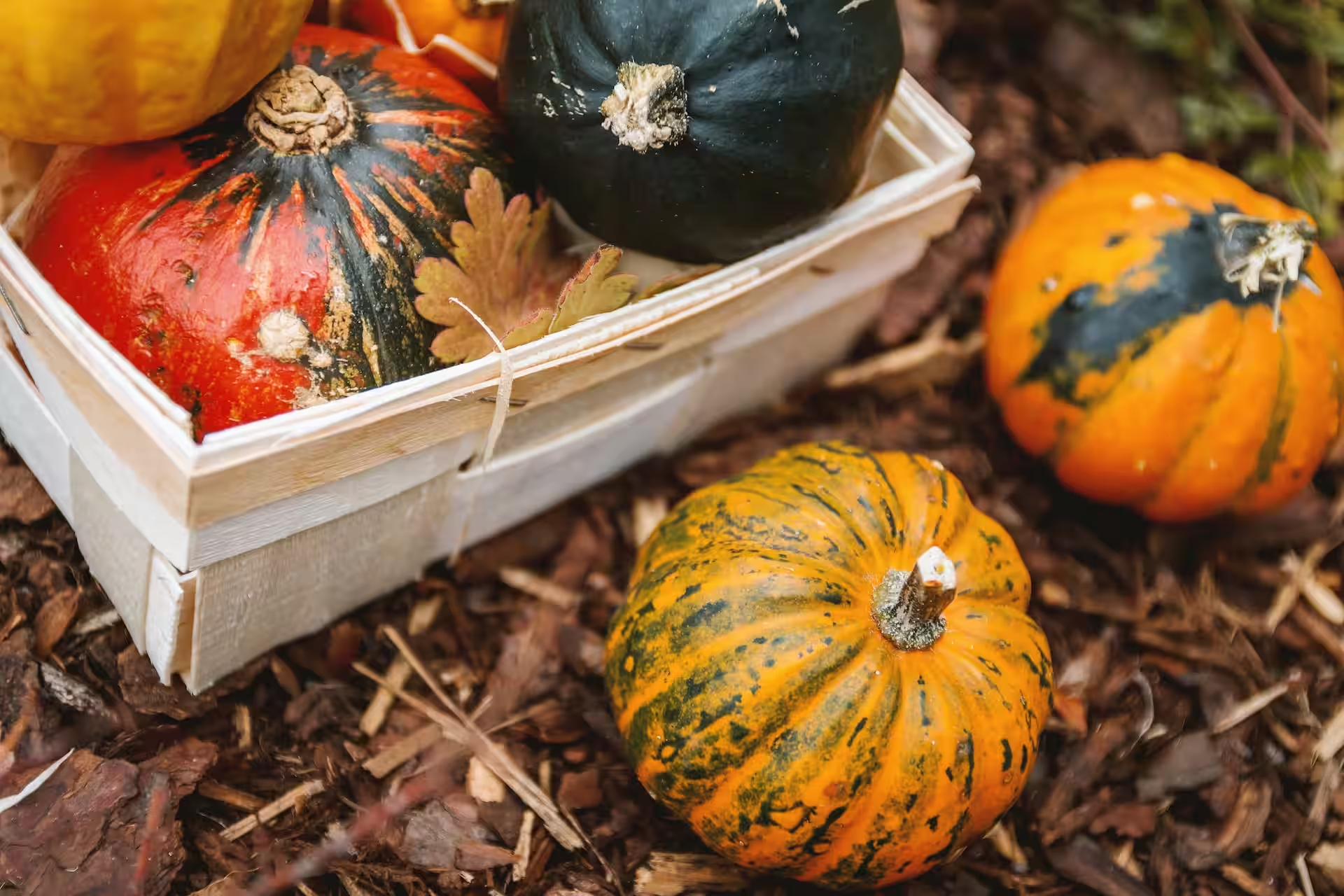
Squash
Squash come in summer and winter types, offering versatile fruits from tender courgette-like harvests to hard-skinned varieties that store through winter. They're vigorous plants that love sun and rich soil, producing colourful, flavourful crops perfect for roasting, soups, or stuffing. With trailing or compact options, there's a squash for every garden size.
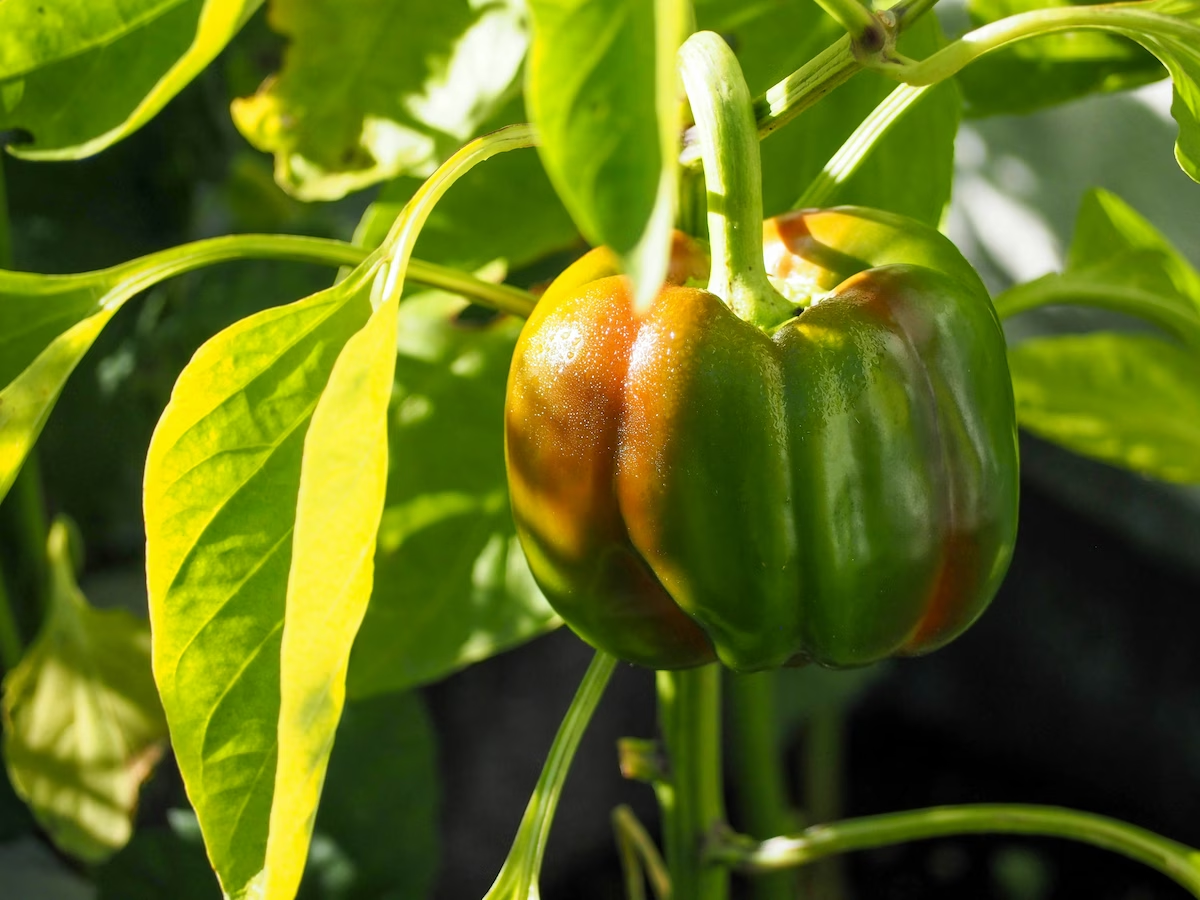
Sweet Pepper
Sweet peppers are tender annuals that produce crisp, colourful fruits with a mild flavour. Native to Central and South America, they thrive in warm, sunny positions and are commonly grown under glass in the UK to ensure reliable cropping, though they can succeed outdoors in sheltered spots during particularly warm summers.