Sweet Basil
The classic variety with large, aromatic green leaves, ideal for pesto and Italian dishes.
Ocimum basilicum
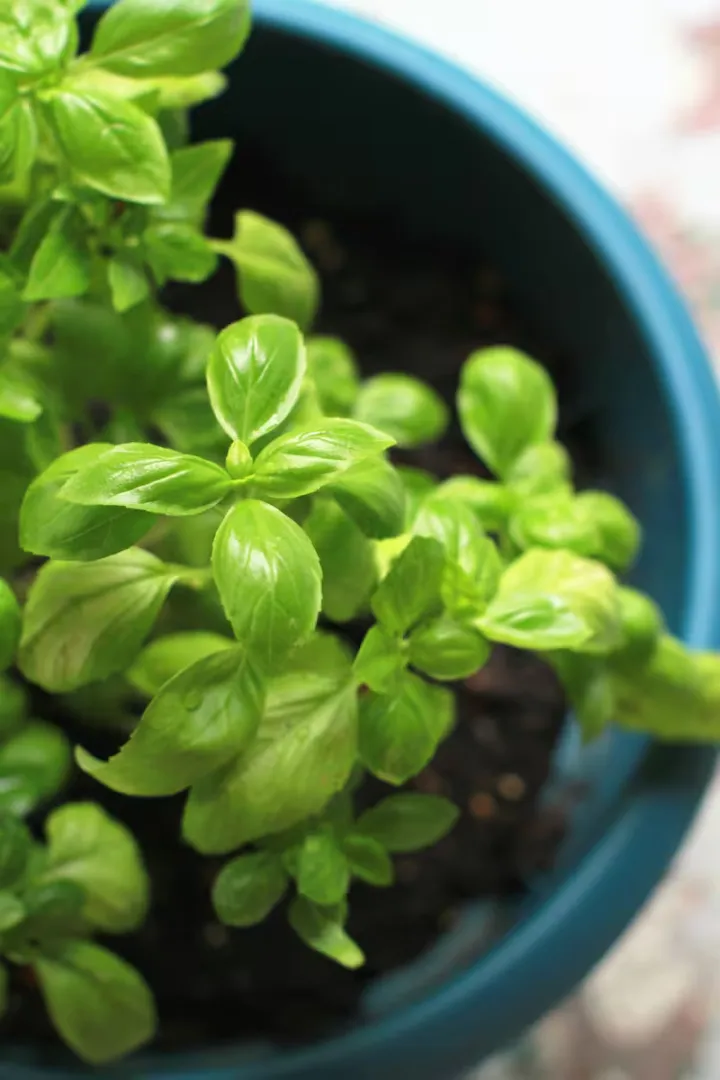
Basil is a fragrant, tender herb whose leaves are a staple of summer cooking. Native to tropical regions, basil is treated as an annual in temperate climates like the UK because it cannot tolerate frost. It thrives in warm, sunny conditions and can be grown in garden beds or pots for a steady supply of fresh, flavourful leaves throughout the summer.
60 cm · Full Sun · Moderate Water
Calibrated to Durham · average last frost around 10 May
| Activity | January | February | March | April | May | June | July | August | September | October | November | December |
|---|---|---|---|---|---|---|---|---|---|---|---|---|
| Sow outdoors | No | No | No | No | Yes | Yes | No | No | No | No | No | No |
| Harvest | No | No | No | No | No | No | Yes | Yes | Yes | Yes | No | No |
What to do through the growing season
Change the guide to see different planting timelines and tips.
Guide to growing basil by sowing seeds directly outside in the garden after frost.
01
Sow basil seeds directly into well-prepared, warm soil in a sunny spot after the last frost. Sow thinly at a depth of and space rows apart. Cover lightly with soil and water gently. Sow 24th May - 7th June.
02
Once seedlings are large enough to handle, thin them to apart to allow proper growth. Remove weaker seedlings, leaving the strongest ones. Water after thinning. This should be done 14th June - 5th July.
03
Keep the soil consistently moist, especially during dry spells. Apply a balanced liquid fertiliser every 3 weeks to promote healthy leaf production. Start feeding from 28th June and continue until 16th October.
04
Pinch out the growing tips regularly to encourage bushy growth and delay flowering. Remove any flower buds as they appear. Start pinching from 5th July onwards to maintain plant shape.
05
Begin harvesting leaves once plants are about tall. Pick leaves from the top down, avoiding over-harvesting. Harvest from 23rd July until 16th October for a steady supply.
Popular varieties of Basil to consider
The classic variety with large, aromatic green leaves, ideal for pesto and Italian dishes.
A compact, bushy variety with small leaves, perfect for container growing and slower to bolt.
Adds colour to the garden with deep purple leaves and a slightly stronger flavour, great for garnishes.
Explore similar plants you might like
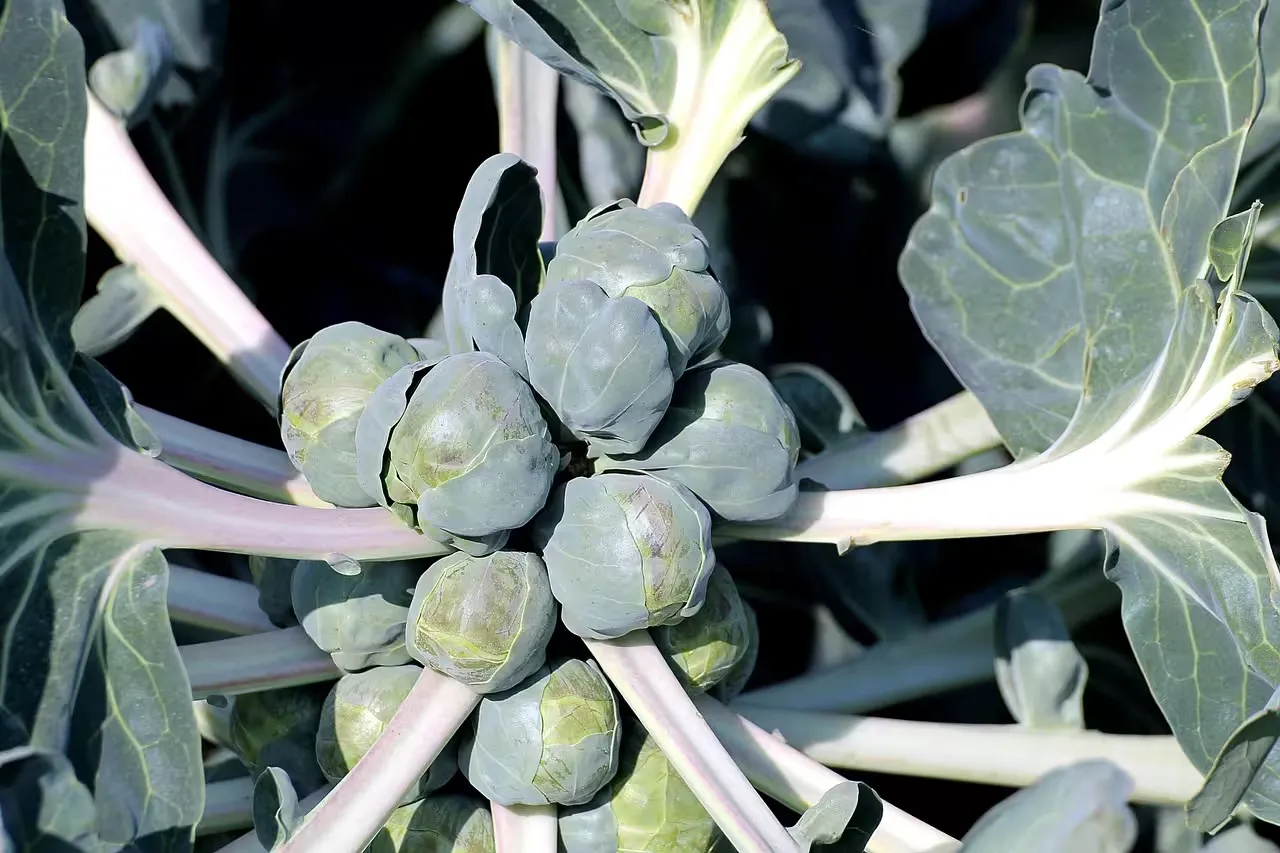
Sow indoors March to April, plant out May to June, harvest September to February. Typical frost risk October to May.
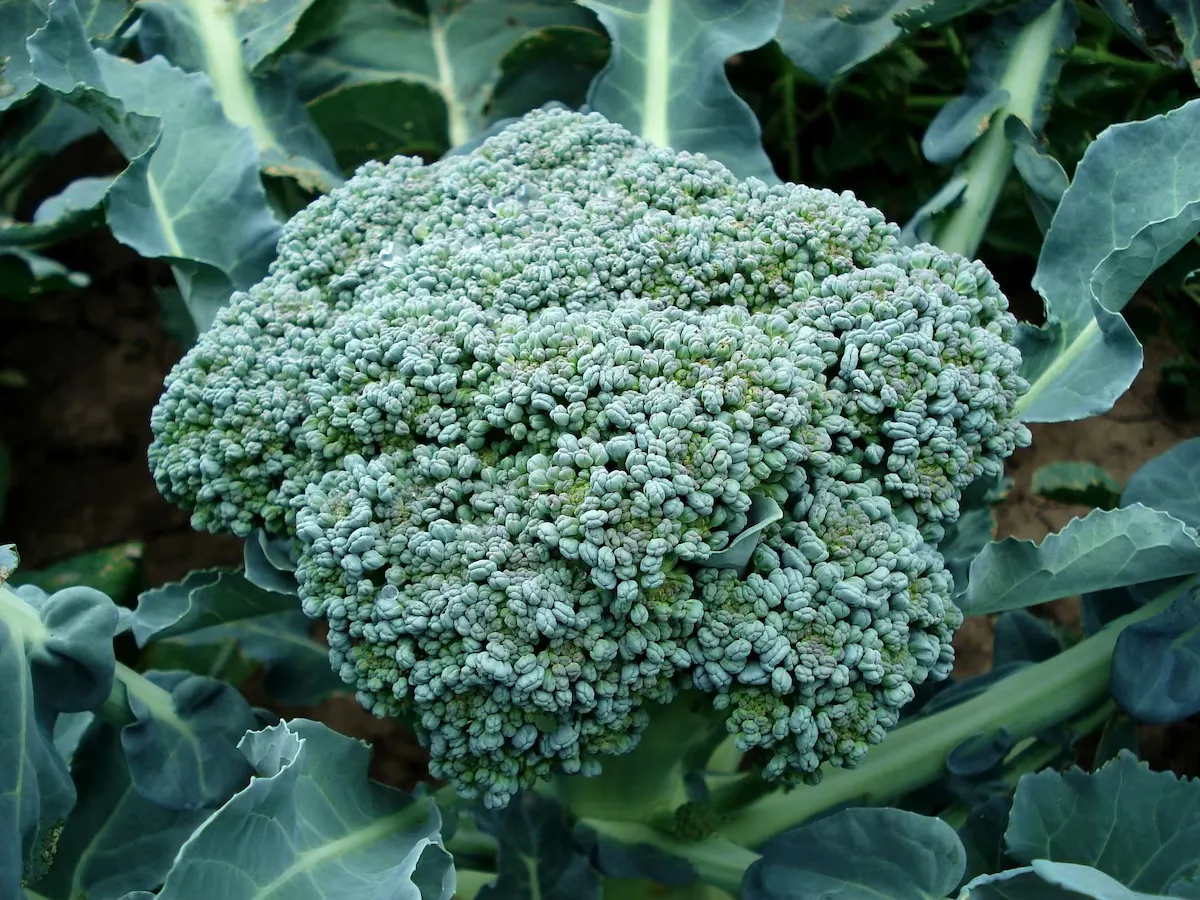
Sow indoors March to April, plant out May to June, harvest July to October. Typical frost risk October to May.
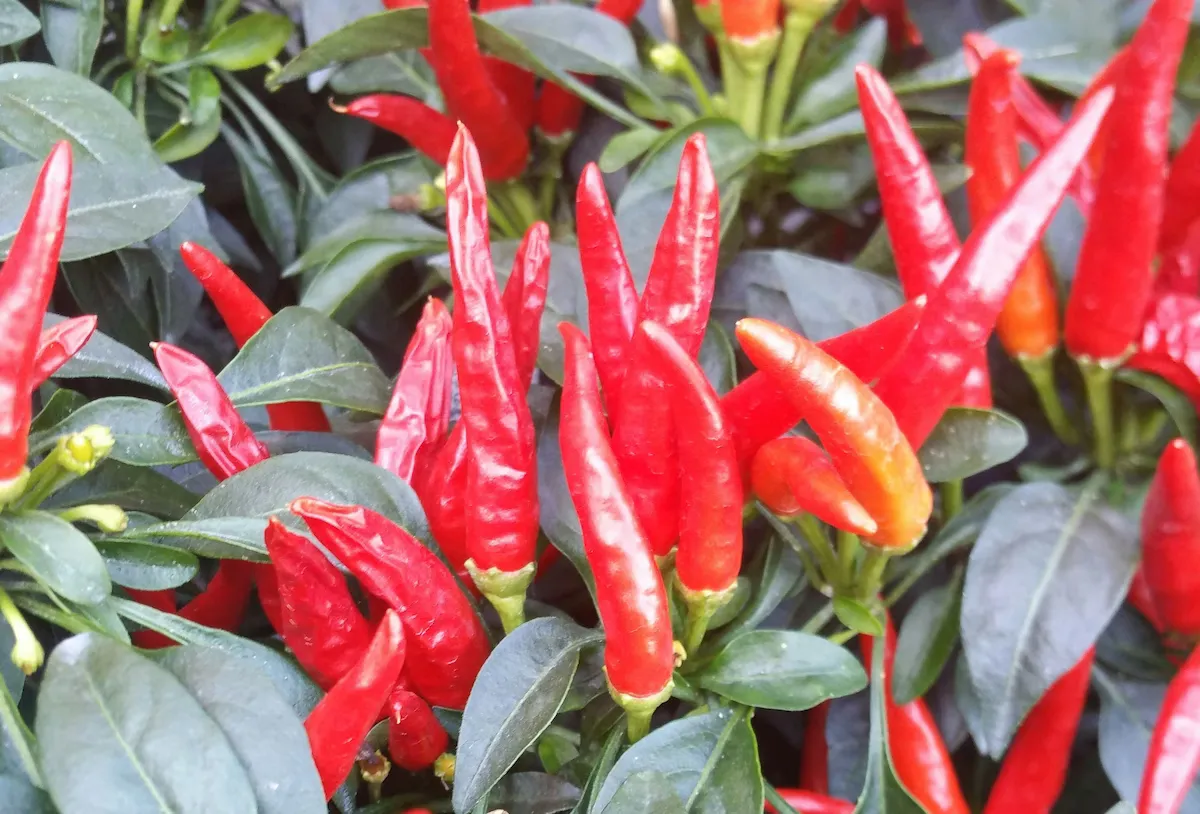
Sow indoors February to March, plant out May to June, harvest July to October. Typical frost risk October to May.
See how Basil timing shifts in other towns with different frost dates.