Brigitte F1
A reliable mid-season variety with uniform, tightly packed sprouts. Performs well in most UK soils and has good disease resistance.
Brassica oleracea (Gemmifera Group)
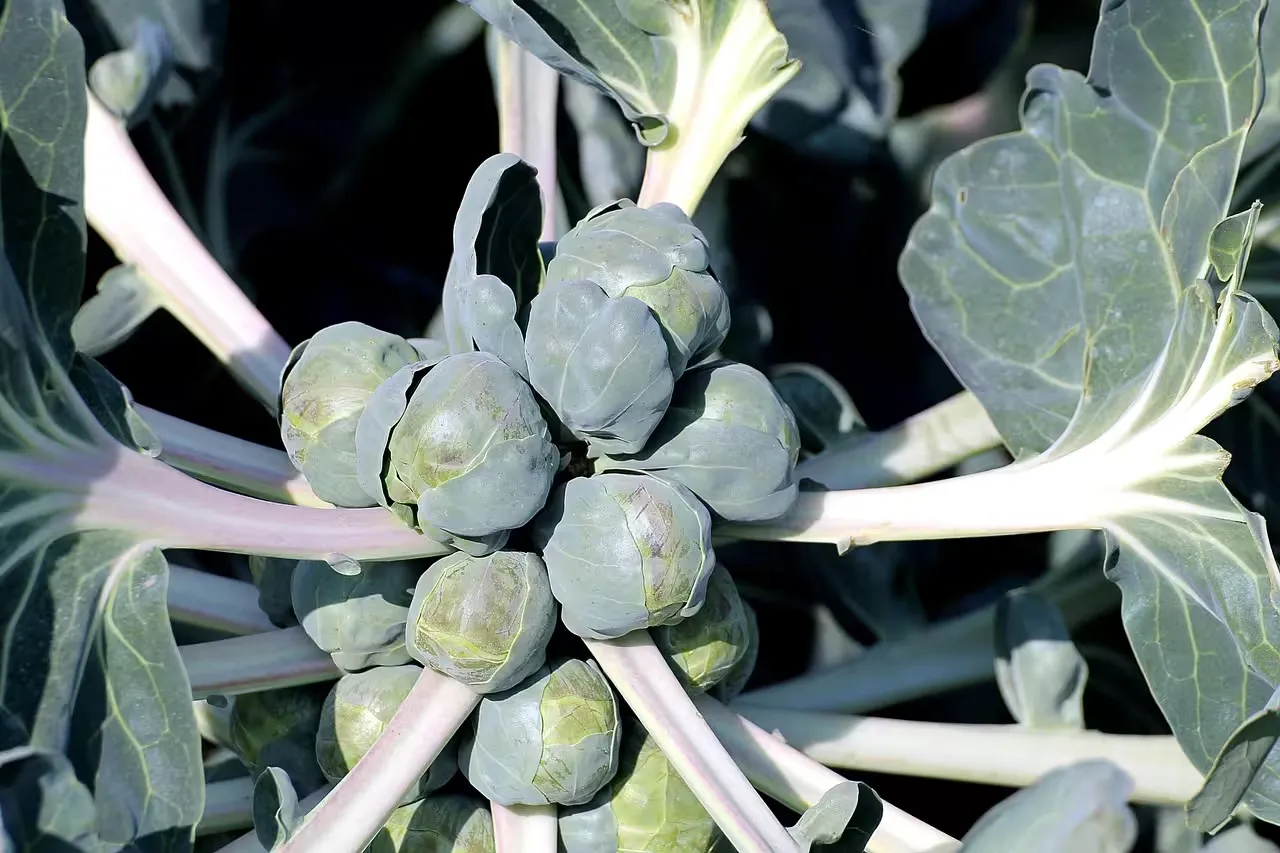
Brussels sprouts are a hardy winter brassica (cabbage family) that form sturdy, leafy stems often around 60–90cm tall. They produce edible mini-cabbage buds along the stem from autumn through winter. Thanks to their cold tolerance, sprouts remain productive into late winter, and frost actually improves their sweetness.
90 cm · Full Sun · Moderate Water
Calibrated to Cardiff · average last frost around 22 Apr
| Activity | January | February | March | April | May | June | July | August | September | October | November | December |
|---|---|---|---|---|---|---|---|---|---|---|---|---|
| Sow indoors | No | No | Yes | Yes | No | No | No | No | No | No | No | No |
| Plant out | No | No | No | No | Yes | No | No | No | No | No | No | No |
| Harvest | Yes | No | No | No | No | No | No | No | No | No | Yes | Yes |
What to do through the growing season
Change the guide to see different planting timelines and tips.
Raise Brussels sprouts for a later winter harvest, with firm soil, pest protection and regular picking from the bottom of the stalk.
01
Sow seeds indoors in modules around 23rd March - 7th April. Cover with of compost and keep at until germination.
02
Prick out seedlings into individual pots once they have true leaves, around 6th April - 28th April. Handle carefully to avoid damaging the stems.
03
Harden off plants over 7-10 days around 27th April - 19th May to prepare them for outdoor conditions.
04
Transplant seedlings to their final position around 6th May - 20th May. Space them apart and firm the soil well around each plant.
05
Cover plants with fine netting and fit brassica collars immediately after transplanting to protect against common pests.
06
Apply a nitrogen-rich fertiliser every 28 days from 20th May until 27th November to support growth through the season.
07
Harvest sprouts from the bottom of the stalk upwards through 27th November - 26th January 2028. Pick them when firm and about walnut-sized. Cold weather often improves the flavour.
Popular varieties of Brussels Sprouts to consider
A reliable mid-season variety with uniform, tightly packed sprouts. Performs well in most UK soils and has good disease resistance.
A traditional tall variety producing plenty of medium-sized sprouts. A hardy, no-fuss choice that stands up to cold winters.
A late-cropping variety that holds its quality well. Sprouts are dark green, firm, and have a good flavour after a touch of frost.
A purple sprout with a slightly nutty taste and a bright colour that holds when cooked. Adds variety to winter harvests and grows well in UK conditions.
An early variety with a sweet, mild flavour. Compact and consistent, ideal if you want to start picking before the cold sets in.
Explore similar plants you might like
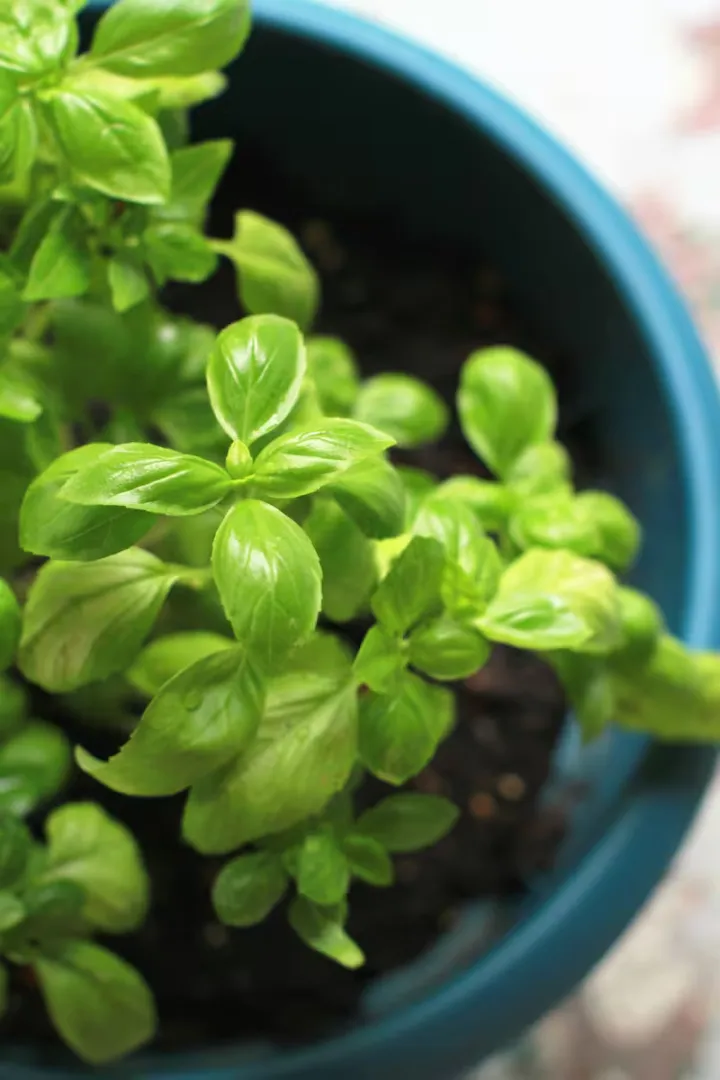
Sow indoors March, plant out May, harvest June to September. Typical frost risk October to April.
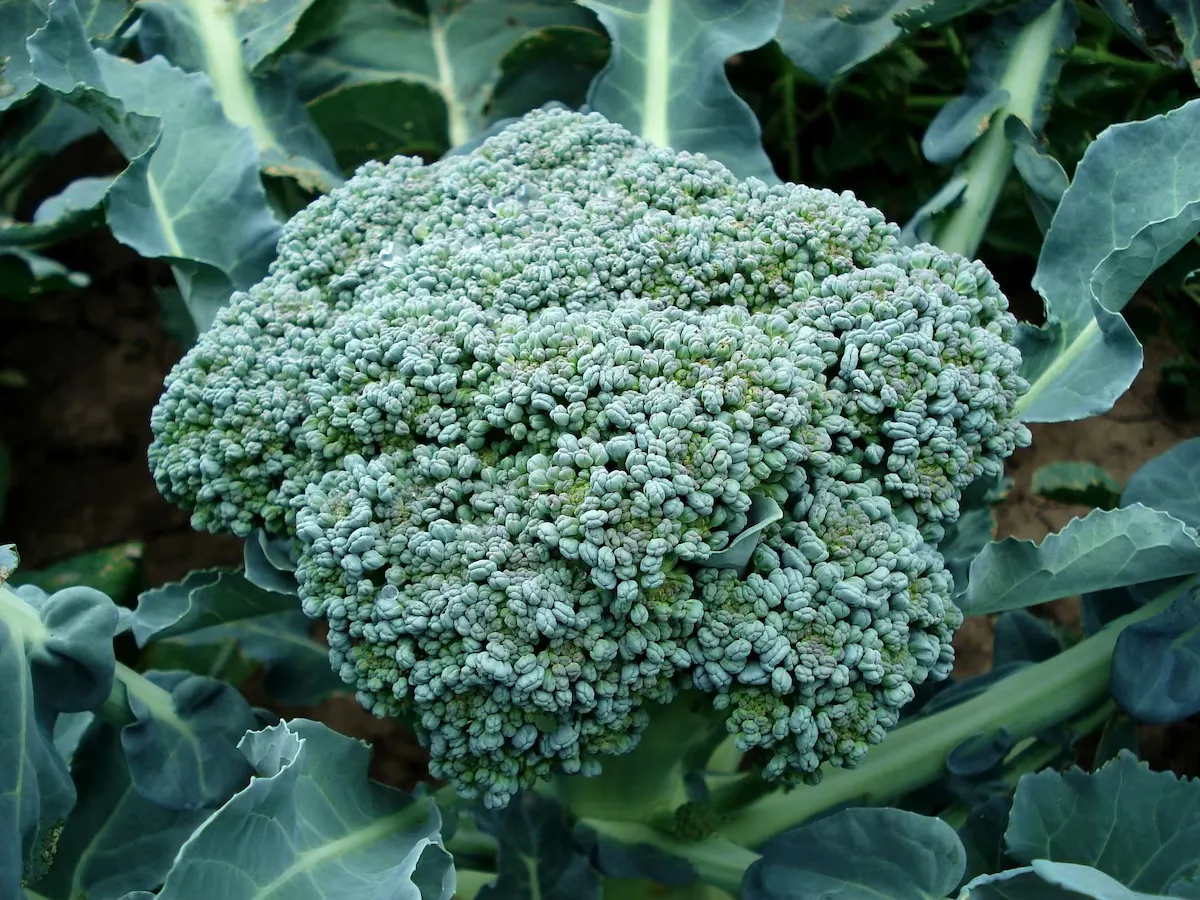
Sow indoors March, plant out May, harvest July to September. Typical frost risk October to April.
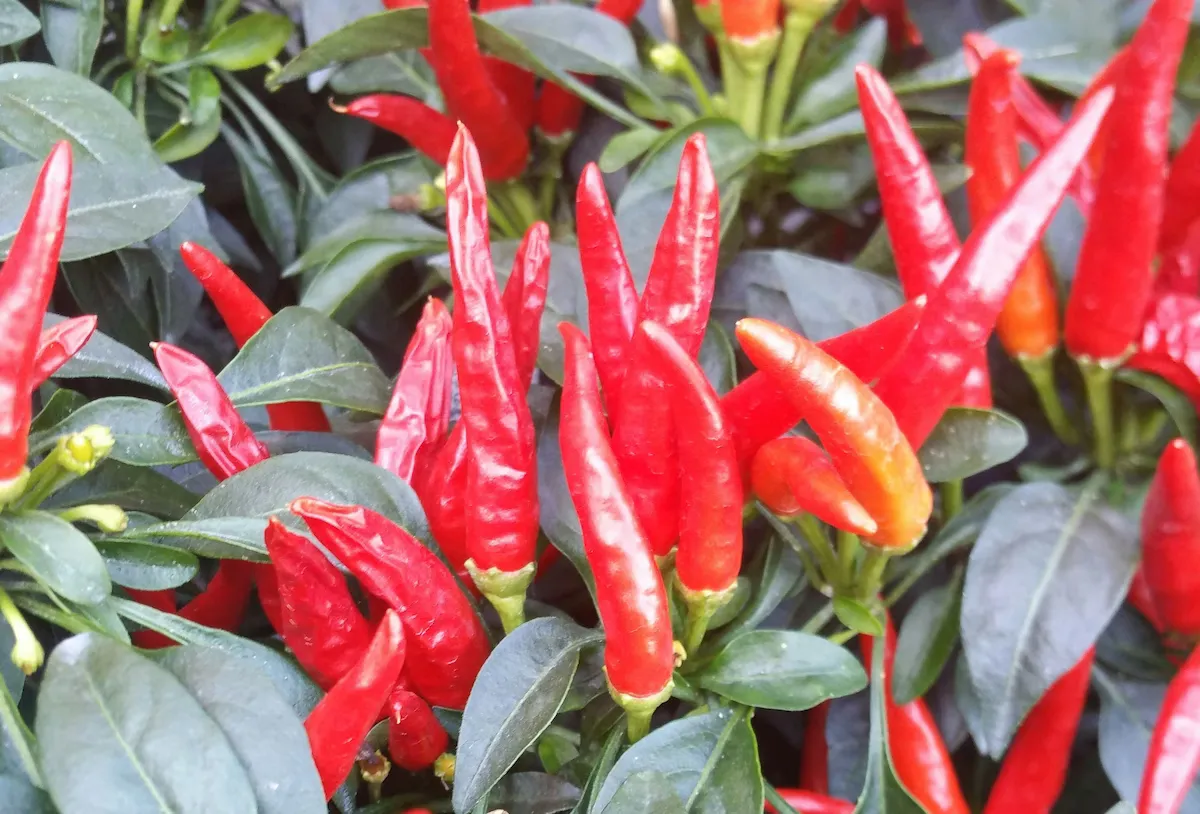
Sow indoors February, plant out May, harvest July to October. Typical frost risk October to April.
See how Brussels Sprouts timing shifts in other towns with different frost dates.