Russian Giant
The classic elephant garlic for UK gardens. Produces very large bulbs with a mild, sweet flavour and stores well over winter. Reliable in most soils, as long as they are not waterlogged.
Allium ampeloprasum var. ampeloprasum
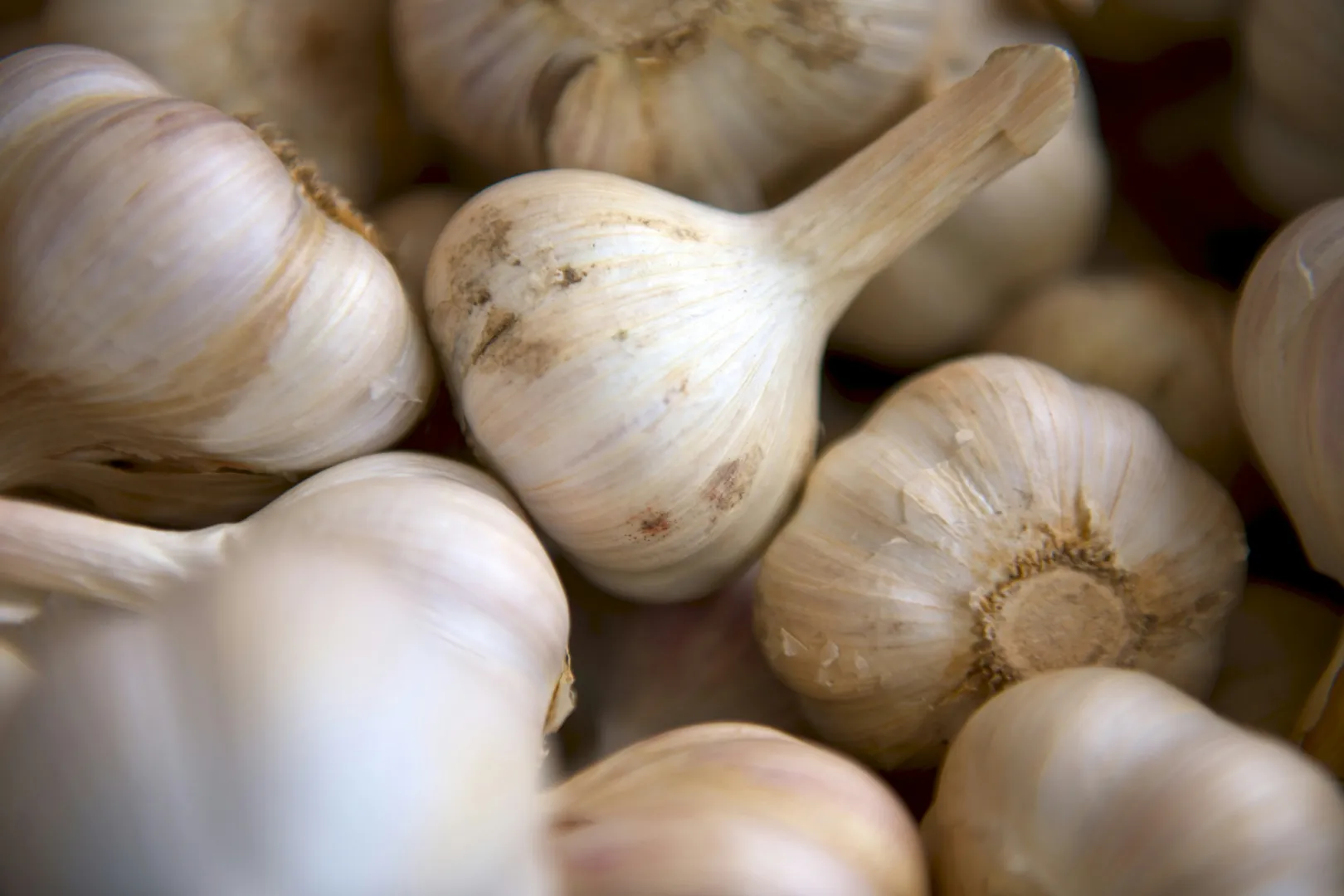
A hardy allium grown from planting cloves, not true seed. Use named planting stock, not supermarket bulbs. It does best in a sunny, free-draining bed. Autumn is the main crop. Lift the following summer.
120 cm · Full Sun · Moderate Water
Calibrated to Cambridge · average last frost around 7 May
| Activity | January | February | March | April | May | June | July | August | September | October | November | December |
|---|---|---|---|---|---|---|---|---|---|---|---|---|
| Plant out | No | No | No | Yes | No | No | No | No | No | No | No | No |
| Harvest | No | No | No | No | No | No | No | Yes | Yes | Yes | No | No |
What to do through the growing season
Change the guide to see different planting timelines and tips.
Use this if the ground was too wet in autumn. Heads are usually smaller. They still need a free-draining site.
01
Dig over the soil around 23rd March - 7th April. Mix in compost or well-rotted manure. Raise the bed slightly if the ground is heavy.
02
Use named planting stock, not supermarket bulbs. Plant cloves during 7th April - 23rd April, pointed end up, with the tip about below the surface. Space apart, in rows apart. Water only if the soil is dry.
03
From 7th May to 20th October, hoe off weeds while they are small. Keep the planting evenly moist in dry weather. Do not leave the soil soggy.
04
Lift the crop from 5th August - 20th October once the tops begin to yellow and flop over. Ease the bulbs up carefully, then dry them somewhere warm and airy for two to three weeks before trimming and storing them.
Popular varieties of Elephant Garlic to consider
The classic elephant garlic for UK gardens. Produces very large bulbs with a mild, sweet flavour and stores well over winter. Reliable in most soils, as long as they are not waterlogged.
Explore similar plants you might like
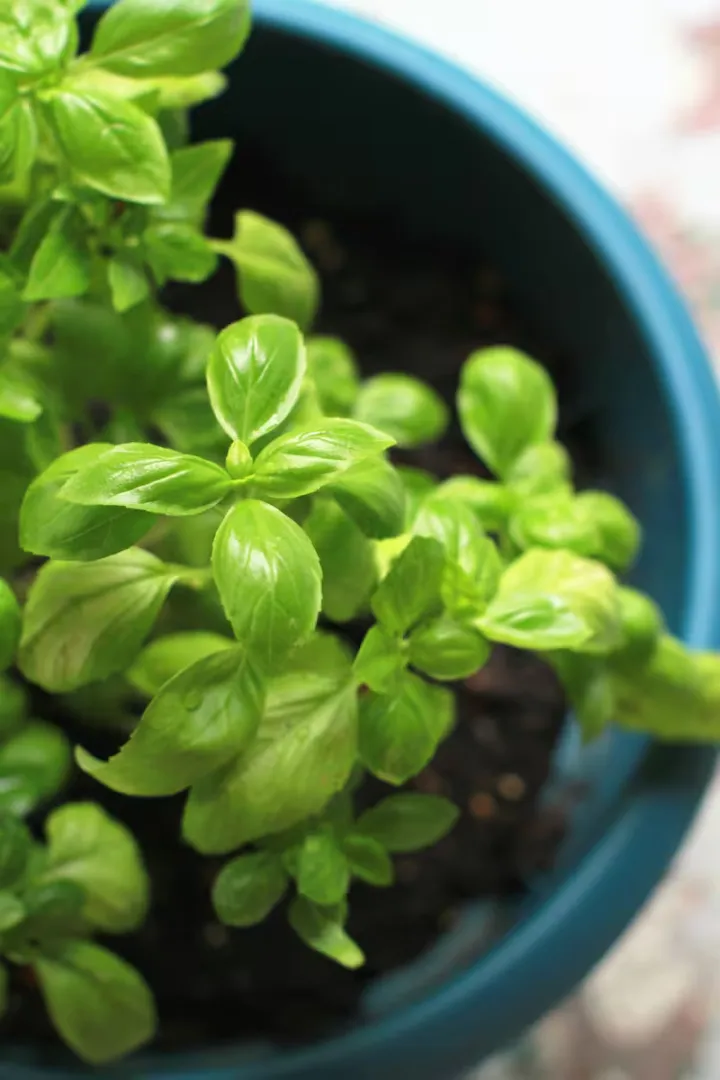
Sow indoors March to April, plant out May to June, harvest July to October. Typical frost risk October to May.
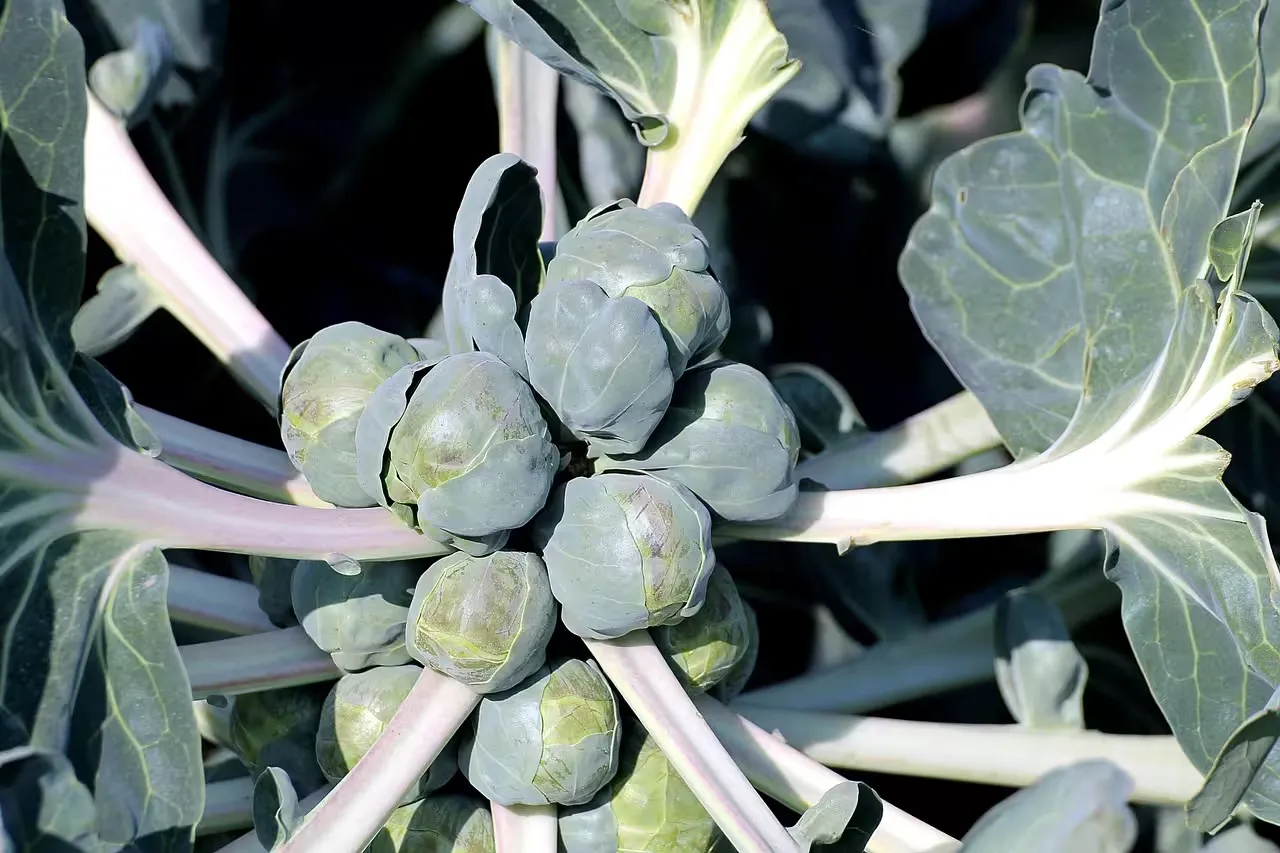
Sow indoors March to April, plant out May to June, harvest September to February. Typical frost risk October to May.
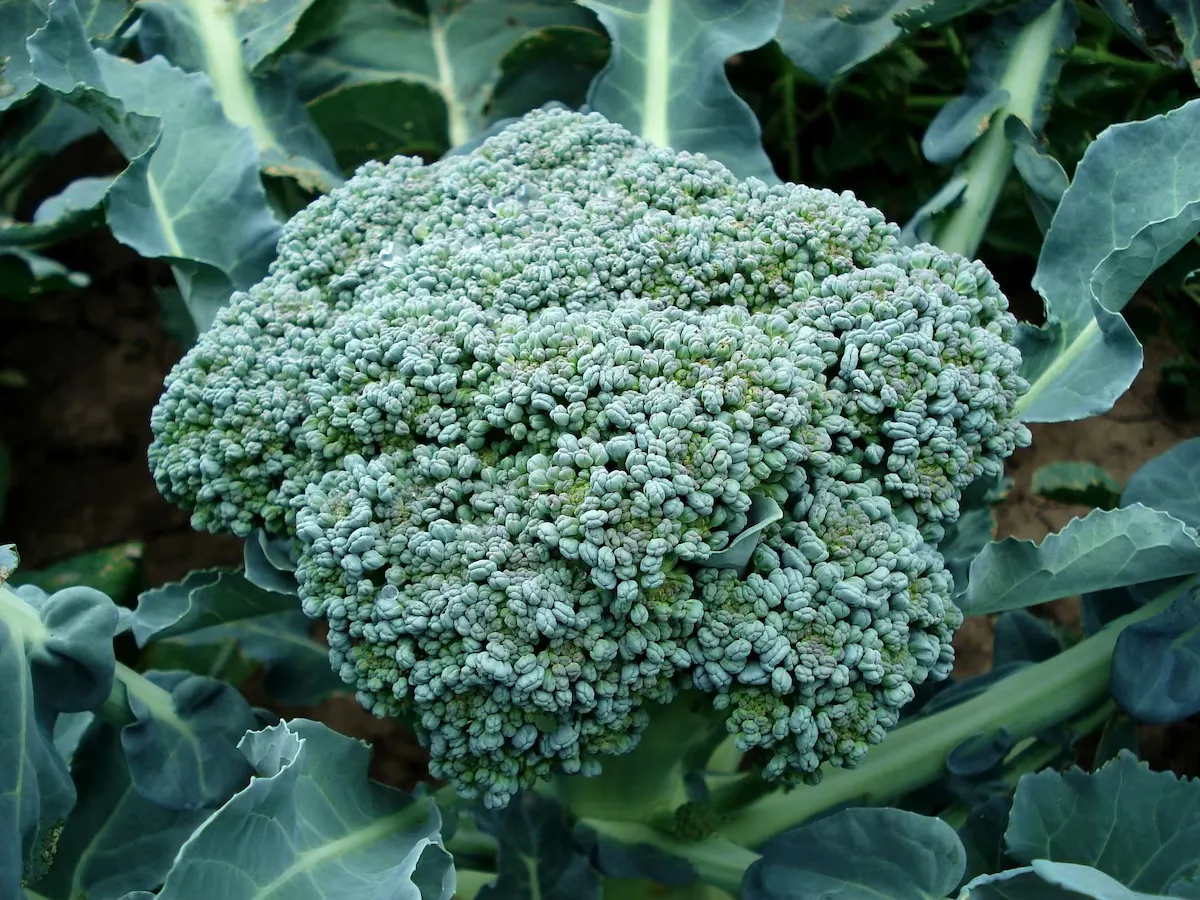
Sow indoors March to April, plant out May to June, harvest July to October. Typical frost risk October to May.
See how Elephant Garlic timing shifts in other towns with different frost dates.