Poppy 'Shirley Double Mix'
A mixed strain of soft single and double flowers in pastel shades, good for informal borders and cutting.
Papaver spp.

Hardy annual poppies are best sown direct where they are to flower. They dislike root disturbance. Sow in a prepared, weed-free patch.
60 cm · Full Sun · Low Water
Calibrated to Birmingham · average last frost around 27 Apr
| Activity | January | February | March | April | May | June | July | August | September | October | November | December |
|---|---|---|---|---|---|---|---|---|---|---|---|---|
| Sow outdoors | No | No | No | Yes | Yes | No | No | No | No | No | No | No |
| Harvest | No | No | No | No | No | Yes | Yes | Yes | Yes | No | No | No |
What to do through the growing season
Change the guide to see different planting timelines and tips.
Sow straight into the ground. Poppies dislike transplanting.
01
Sow thinly around 13th April - 4th May on the soil surface. Press the seed in and leave it uncovered. It needs light to germinate. Keep the area evenly moist until seedlings appear. Sow a fresh batch every 21 days if you want a longer run of flowers.
02
After each sowing, when seedlings are large enough to handle, thin to . Avoid pulling nearby plants.
03
After each sowing, from 25th May, watch tall forms for flopping in exposed spots and use discreet twiggy supports if needed. Water only in dry spells.
04
After each sowing, cut blooms from 22nd June once the first flowers open. Keep picking through 7th September. Gather stems in the cool of the day.
Popular varieties of Poppy to consider
A mixed strain of soft single and double flowers in pastel shades, good for informal borders and cutting.
Produces a mix of large blooms in muted pinks, whites and mauves, with a long flowering period when deadheaded.
An ornamental and edible type grown for its seed heads as well as flowers, useful in a sunny, free-draining spot.
Explore similar plants you might like
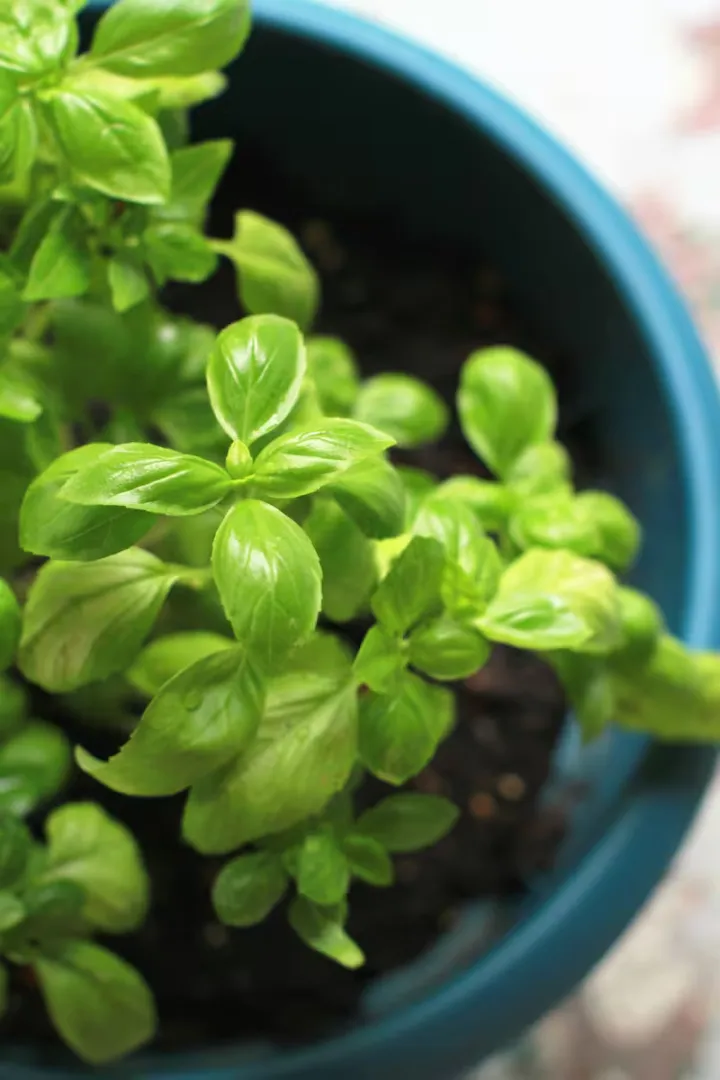
Sow indoors March, plant out May, harvest June to September. Typical frost risk October to April.
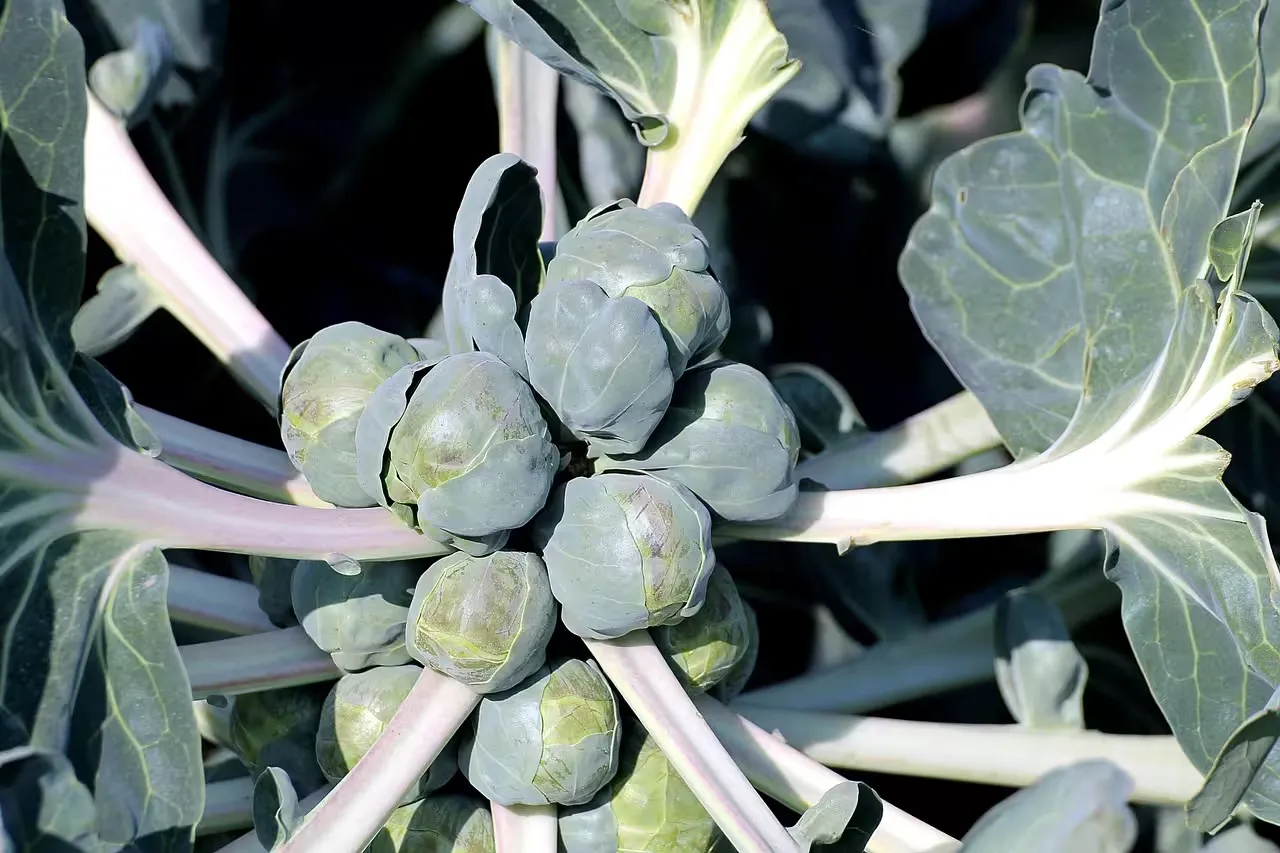
Sow indoors March, plant out May, harvest September to February. Typical frost risk October to April.
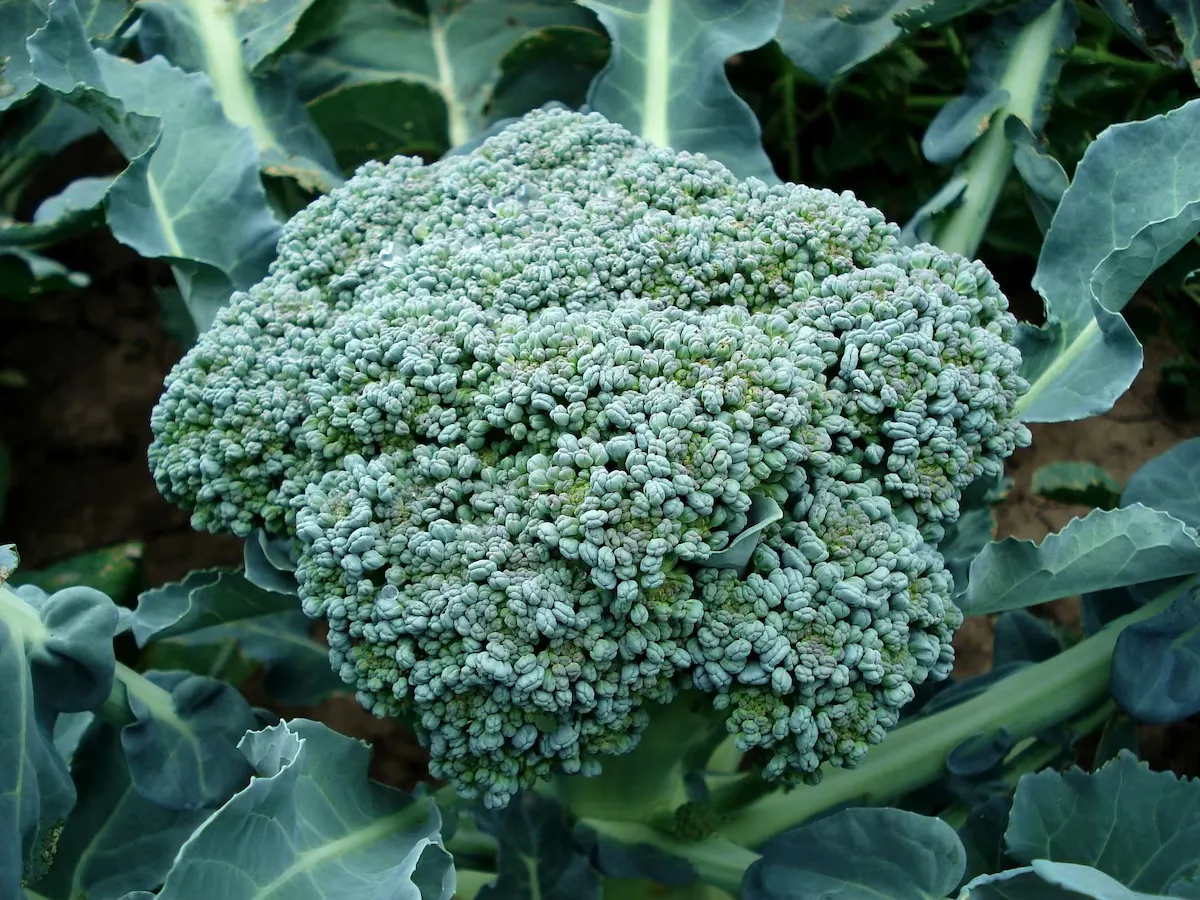
Sow indoors March, plant out May, harvest July to September. Typical frost risk October to April.