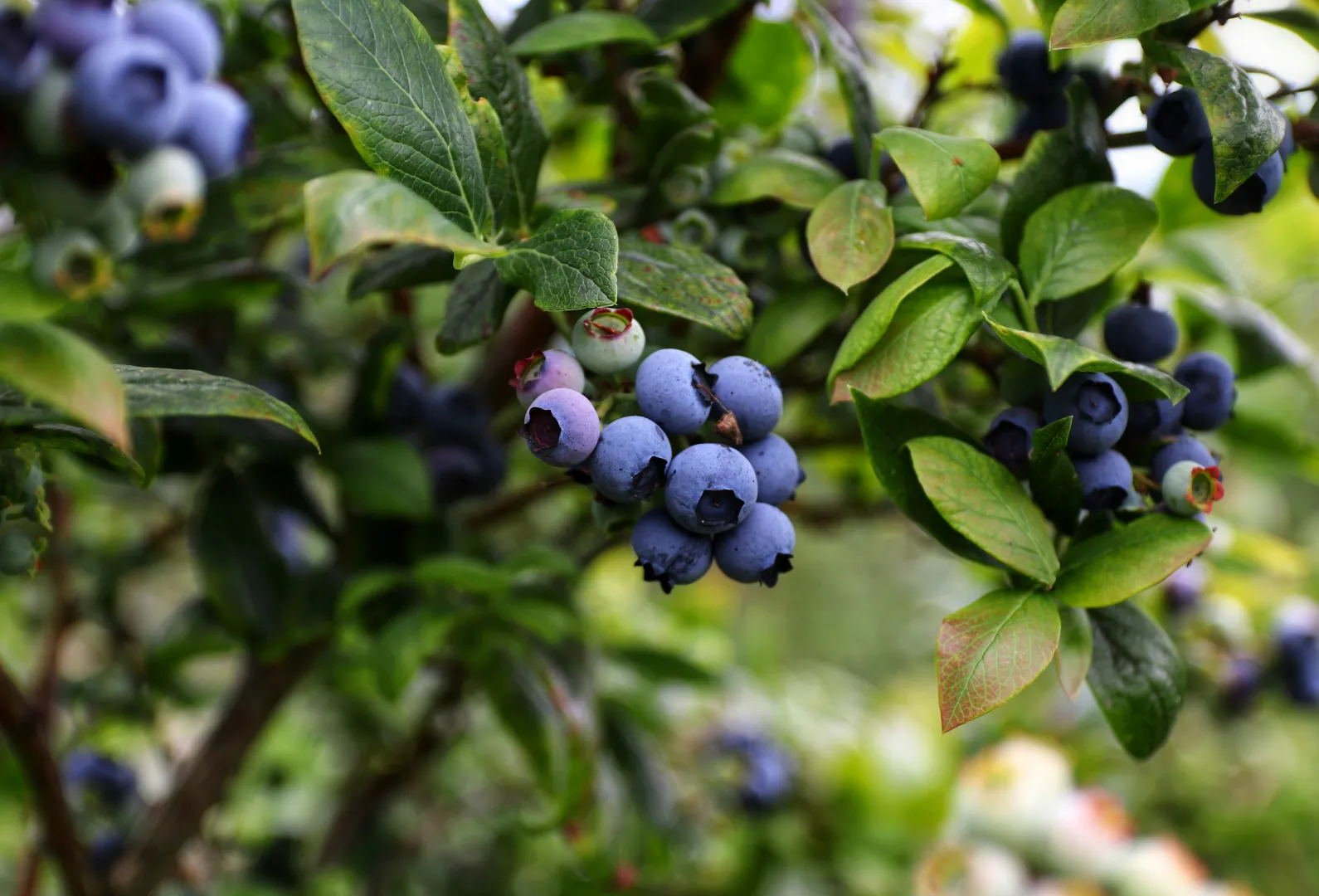
Blueberries in Beattock
Vaccinium corymbosum
Blueberries need acidic, moisture-retentive soil or ericaceous compost, with rainwater where possible. Grow them in the ground only if your soil is naturally acid, or keep them in pots of ericaceous compost and top up mulch each spring.
Growing Guide
Step-by-step instructions for growing Blueberry
Planting Calendar
Plant Blueberries
28 Sept – 5 FebPlant container-grown blueberries at 28th September - 5th February in a large pot filled with ericaceous compost. Set the crown at the same level as the compost surface and water in thoroughly straight away.
Water to Establish
2 Dec – 31 MayKeep the compost evenly moist from 2nd December through 31st May, especially in dry spells. Use rainwater if possible, because tap water can raise the compost pH over time.
Mulch and Feed
20 Mar – 19 Aprevery 365 daysTop-dress with ericaceous compost or pine bark mulch from 20th March to 19th April. Repeat every 365 days to keep the root zone moist and support fruiting.
Protect Ripening Fruit
18 Jun – 3 JulPut bird netting over the plants from 18th June before the berries start to colour. Fix it securely, because birds will strip ripe fruit very quickly.
Harvest Berries
27 Aug – 16 SeptPick from 27th August to 16th September once the berries are fully blue and come away with a light pull. Harvest over several weeks as the fruit ripens unevenly, and handle the crop gently to avoid bruising.
Light Prune
18 Feb – 20 MarFrom 18th February to 20th March, remove weak, dead or crossing stems and shorten a few older shoots if the bush is crowded. Blueberries need only light pruning, so avoid hard cutting back.
Companion Plants
Tap a plant to see why it works (or doesn't) with Blueberry.
Good companions
Plants to avoid
Why companion planting matters
Companion planting can deter pests, improve pollination, and make better use of space. Some plants confuse pests or attract beneficial insects; others improve soil or offer shade to neighbours that need it.
Suggested Varieties
Popular varieties of Blueberry to consider
Bluecrop
A reliable mid-season variety with firm, well-flavoured berries and steady crops.
Duke
An early variety that crops well and is often grown in pots or the ground.
Brigitta Blue
A late-season variety with good-sized fruit and a tidy growth habit.
Elliott
A very late variety that extends the picking season in a sheltered spot.
Related Plants
Explore similar plants you might like
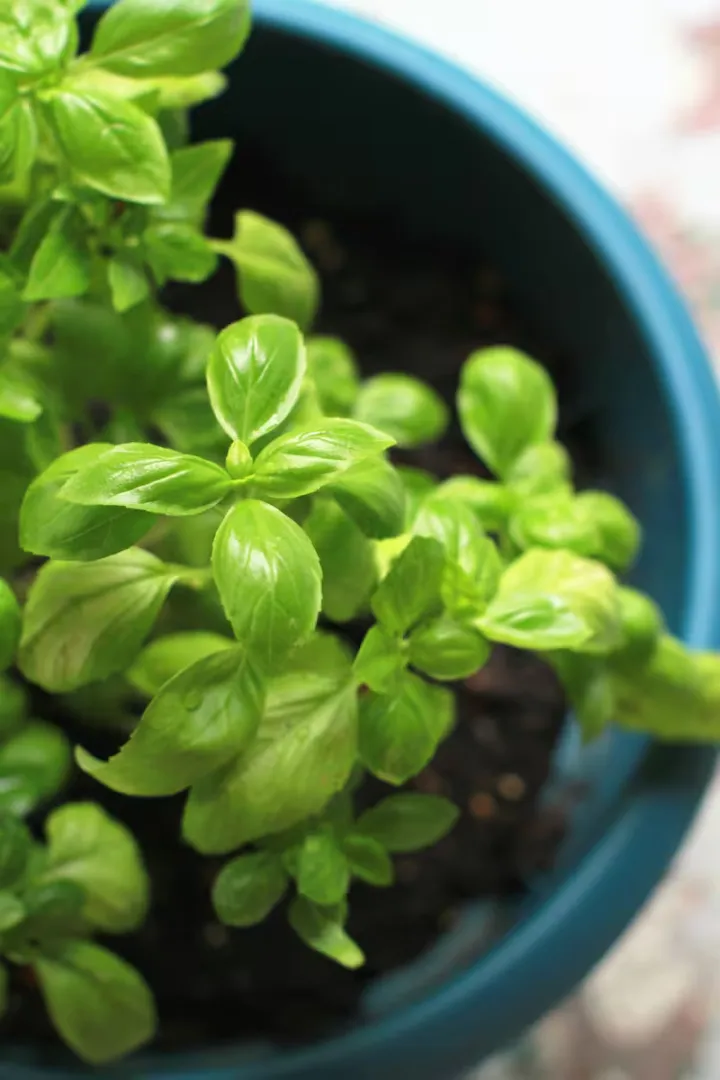
Basil
Basil is a fragrant, tender herb whose leaves are a staple of summer cooking. Native to tropical regions, basil is treated as an annual in temperate climates like the UK because it cannot tolerate frost. It thrives in warm, sunny conditions and can be grown in garden beds or pots for a steady supply of fresh, flavourful leaves throughout the summer.
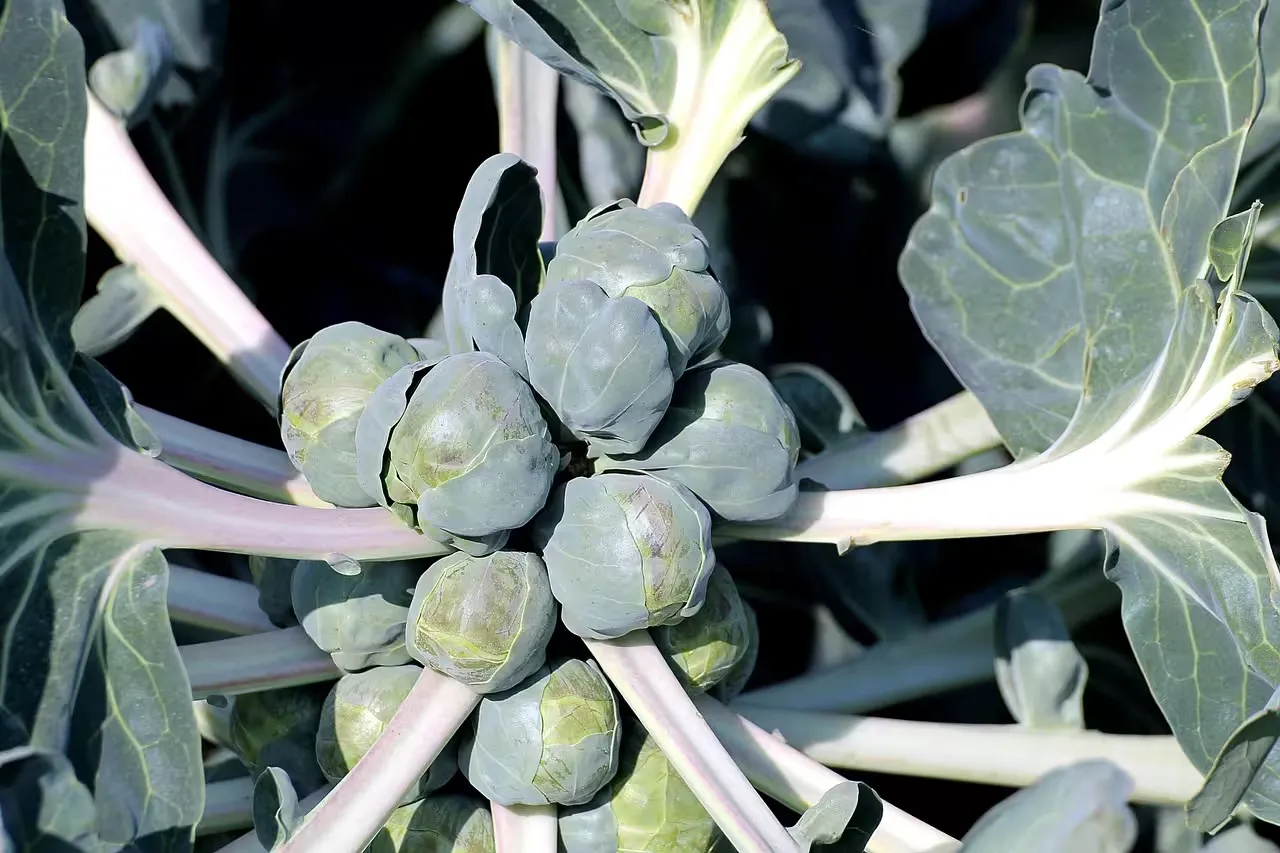
Brussels Sprouts
Brussels sprouts are a hardy winter brassica (cabbage family) that form sturdy, leafy stems often around 60–90cm tall. They produce edible mini-cabbage buds along the stem from autumn through winter. Thanks to their cold tolerance, sprouts remain productive into late winter, and frost actually improves their sweetness.
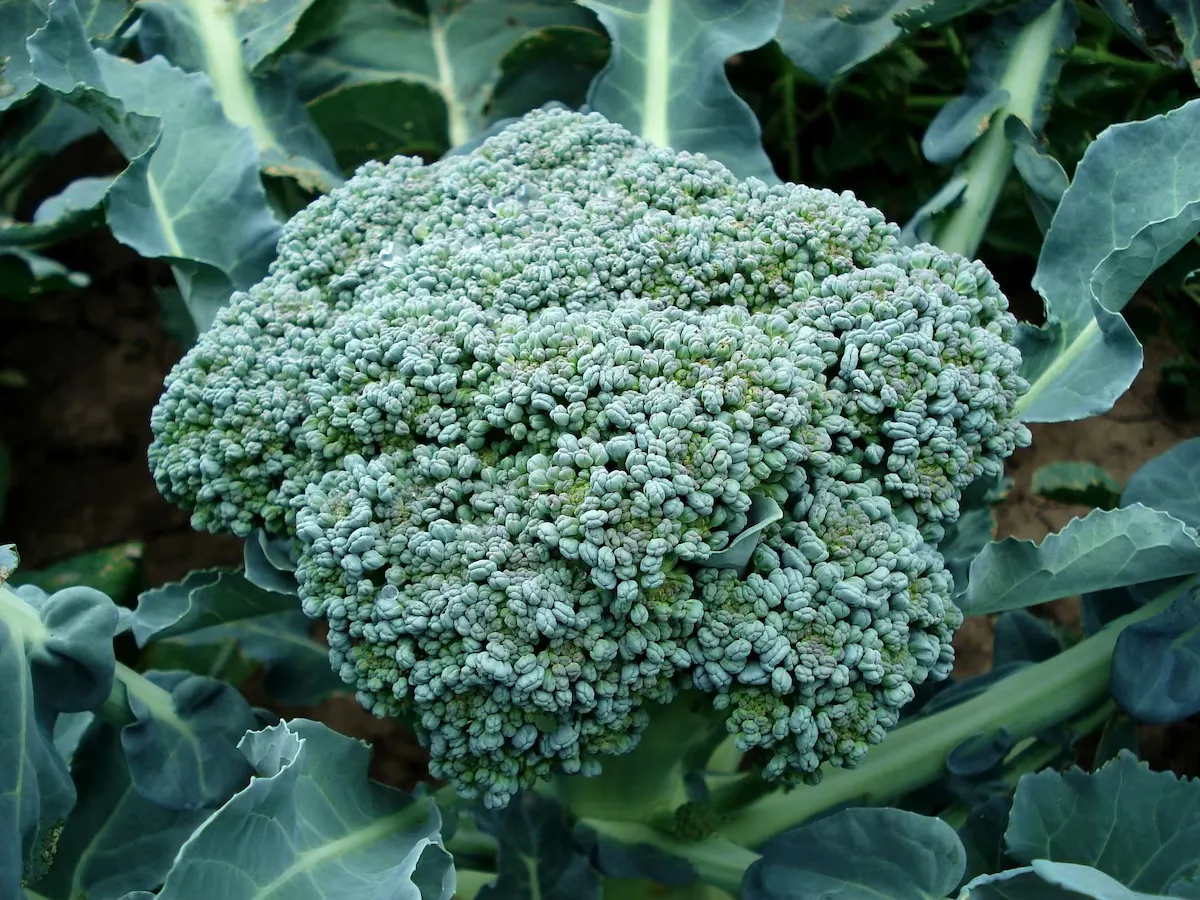
Calabrese
Calabrese (broccoli) produces a large central head of tightly-packed green buds, followed by smaller side-shoots after the main head is cut. It’s a cool-season brassica crop. Grow it in full sun with fertile, well-drained soil and keep plants watered during dry spells. Harvest the heads while firm, then leave the stem in the ground to allow side-shoots to develop.