Bluecrop
A reliable mid-season variety with firm, well-flavoured berries and steady crops.
Vaccinium corymbosum
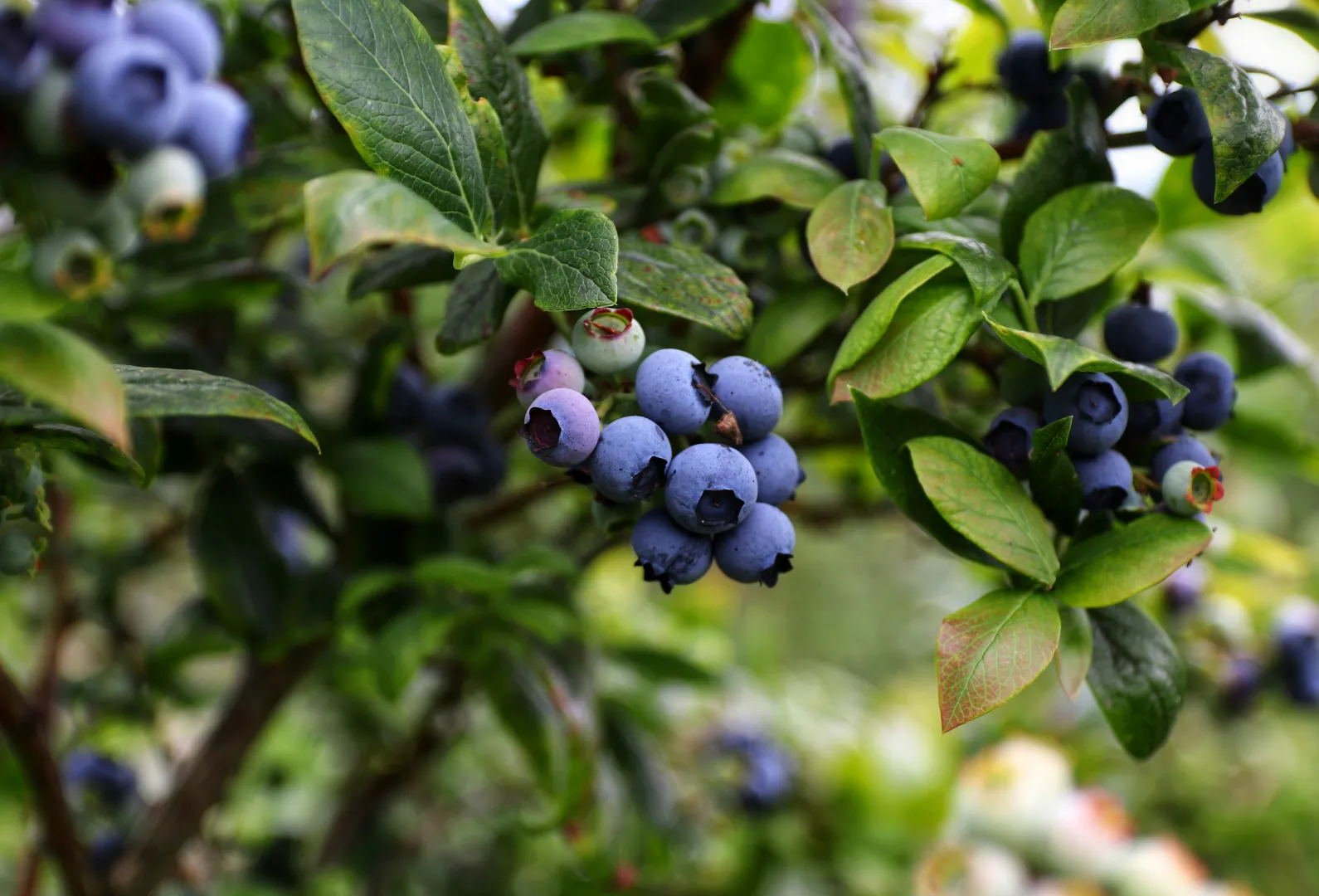
Blueberries need acidic, moisture-retentive soil or ericaceous compost, and rainwater where you can. Grow them in the ground only if the soil is already pH 4.5 to 5.5. Otherwise keep them in pots of ericaceous compost. One plant per pot.
150 cm · Full Sun · High Water
Calibrated to Perth · average last frost around 9 May
| Activity | January | February | March | April | May | June | July | August | September | October | November | December |
|---|---|---|---|---|---|---|---|---|---|---|---|---|
| Plant out | Yes | Yes | No | No | No | No | No | No | Yes | Yes | Yes | Yes |
| Harvest | No | No | No | No | No | No | No | Yes | Yes | Yes | No | No |
What to do through the growing season
01
Plant container-grown blueberries at 18th September - 6th February 2027 in a large pot filled with ericaceous compost. Set the crown at the same level as the compost surface and water in thoroughly straight away.
02
From 9th May 2027 to 21st October 2027, water with rainwater. Keep the compost evenly moist. Do this each year.
03
Around 10th March - 9th April 2027, top-dress with ericaceous compost or pine bark, leaving the crown clear. Do this once a year. Then give a liquid ericaceous feed every two to three weeks through the growing season.
04
Put netting over the plants from 18th July 2027, when the fruit starts to colour. Keep it on through last pick, to 21st October 2027. Keep it taut and raised off the fruit.
05
Pick from 2nd August 2027 to 21st October 2027 once the berries are fully blue and come away with a light pull. Harvest over several weeks.
06
From 8th February 2027 to 10th March 2027, in years one and two prune lightly only. After that, take out up to a quarter of the oldest stems. Remove weak, dead, or crossing stems.
Popular varieties of Blueberry to consider
A reliable mid-season variety with firm, well-flavoured berries and steady crops.
An early variety that crops well and is often grown in pots or the ground.
A late-season variety with good-sized fruit and a tidy growth habit.
A very late variety that extends the picking season in a sheltered spot.
Explore similar plants you might like
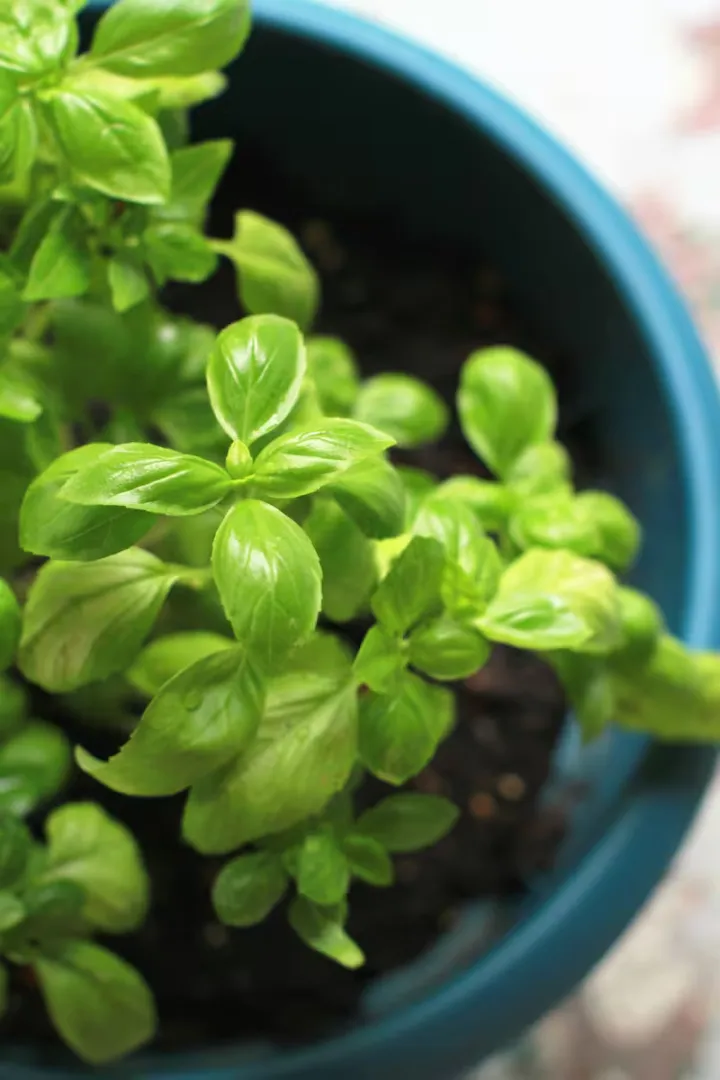
Sow indoors March to April, plant out May to June, harvest July to October. Typical frost risk October to May.
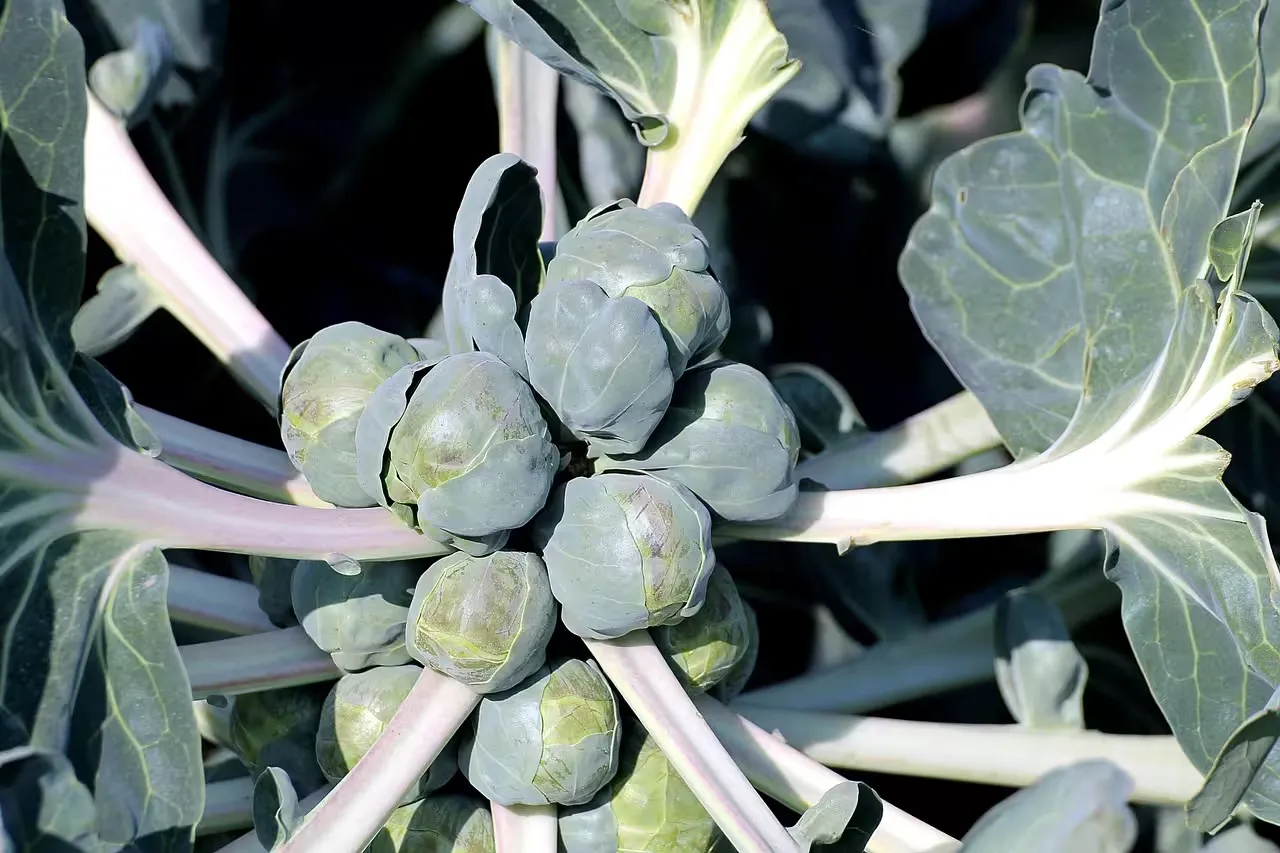
Sow indoors March to April, plant out May to June, harvest September to February. Typical frost risk October to May.
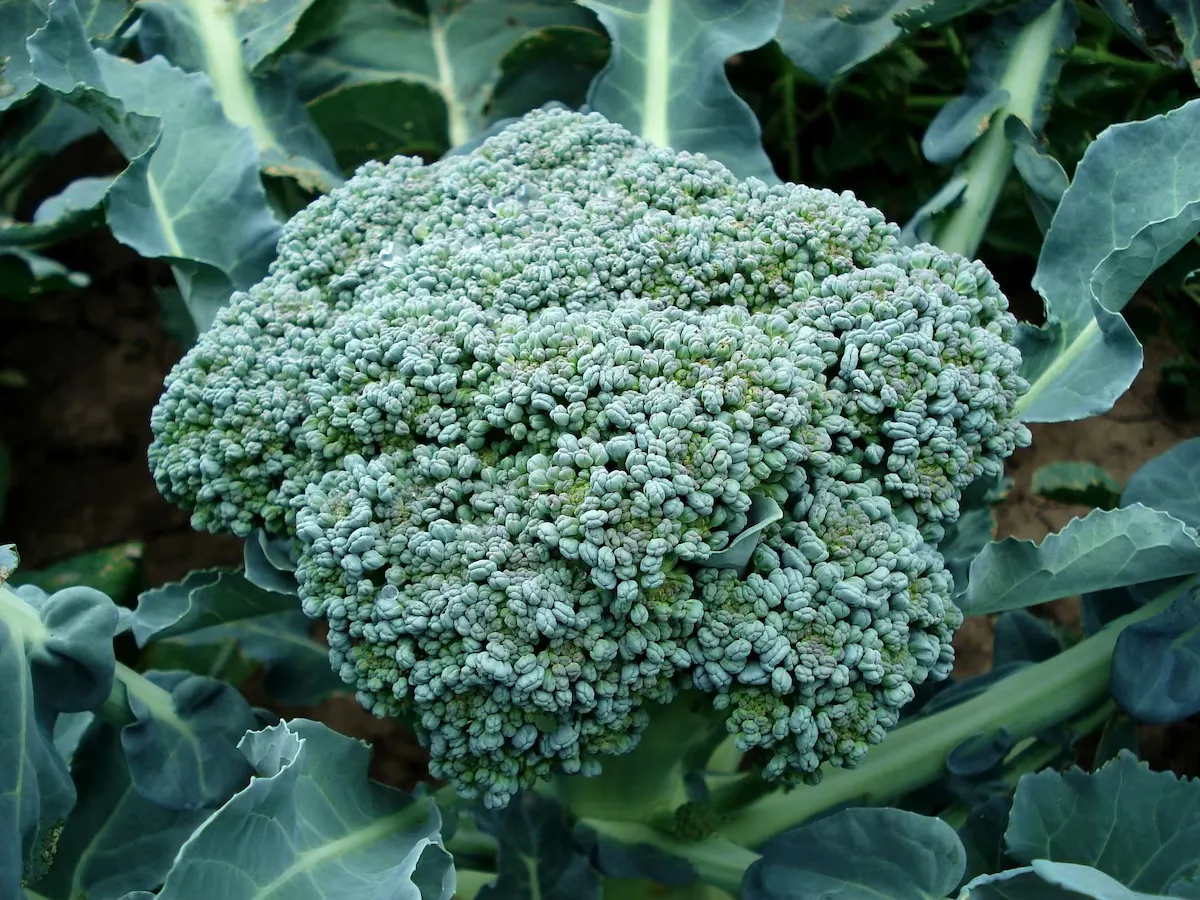
Sow indoors March to April, plant out May to June, harvest July to October. Typical frost risk October to May.