English Winter Thyme
A dependable hardy thyme with a strong flavour and neat growth for pots or borders.
Thymus vulgaris
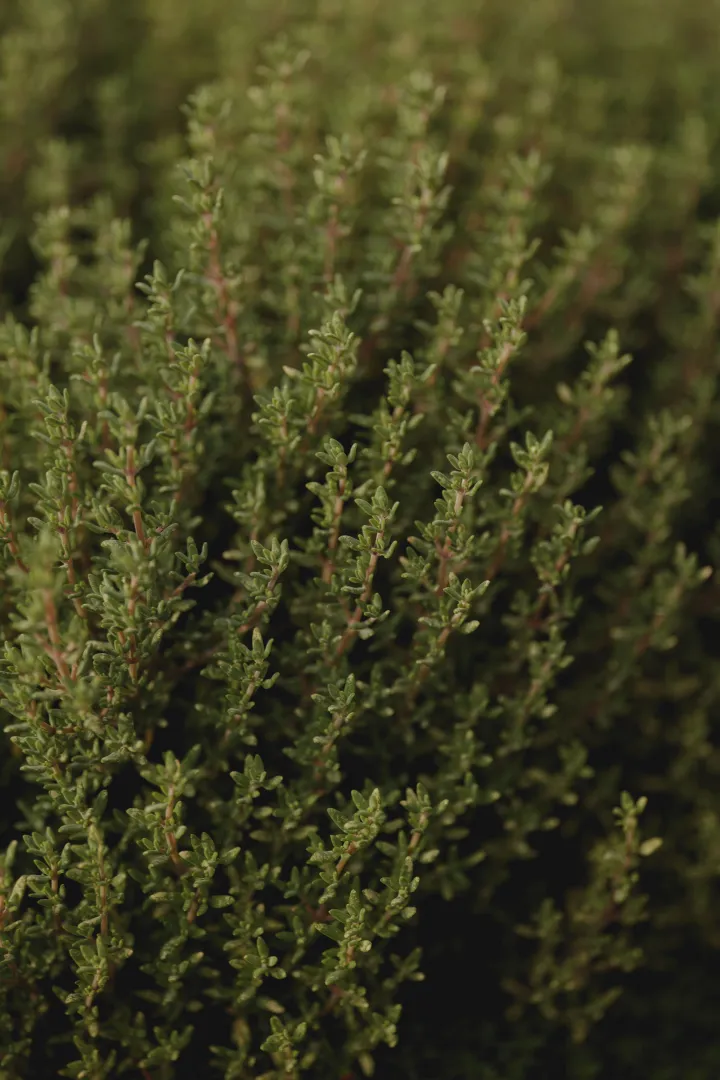
A low, woody Mediterranean herb that grows best in a sunny, free-draining spot in the UK. It dislikes wet winter soil, so keep it in raised beds, gritty borders or a pot if your ground stays damp.
30 cm · Full Sun · Low Water
Calibrated to Bath · average last frost around 24 Apr
| Activity | January | February | March | April | May | June | July | August | September | October | November | December |
|---|---|---|---|---|---|---|---|---|---|---|---|---|
| Sow indoors | No | No | Yes | Yes | No | No | No | No | No | No | No | No |
| Plant out | No | No | No | No | Yes | No | No | No | No | No | No | No |
| Harvest | No | No | No | No | No | Yes | Yes | Yes | Yes | Yes | Yes | Yes |
What to do through the growing season
01
Sow seeds thinly on the surface of moist seed compost around 10th March - 9th April and just press them in, because thyme needs light to germinate. Keep them warm and do not let the compost dry out.
02
When seedlings are large enough to handle, prick them out into small pots from 31st March. Handle them by the leaves, not the stems, and keep them in bright light so they do not get lank.
03
Move the plants into slightly larger pots from 21st April once the roots fill the first pot. Use a free-draining mix and avoid overpotting, as thyme grows better when kept a little snug.
04
Acclimatise the plants from 17th April over about 22 days before planting out. Put them outside for longer each day, but protect them from cold wind and heavy rain.
05
Plant out from 8th May in a full sun, sharply drained spot, or keep the plant in a pot with gritty compost. Water in thoroughly straight after planting, then keep watering light while roots settle.
06
From 19th June, pinch out the growing tips regularly to keep the plant bushy and stop it becoming straggly. Do not cut into old bare wood, since thyme may not reshoot well from that.
07
Take small sprigs from 2nd June once the plant is well rooted, then keep picking lightly through 2nd December. In the first year, take only a modest amount so the plant can establish properly.
Popular varieties of Thyme to consider
A dependable hardy thyme with a strong flavour and neat growth for pots or borders.
A recognised common thyme type with broader leaves and a slightly softer flavour for cooking.
A low, compact cultivar that suits pots, edging and small spaces.
Explore similar plants you might like
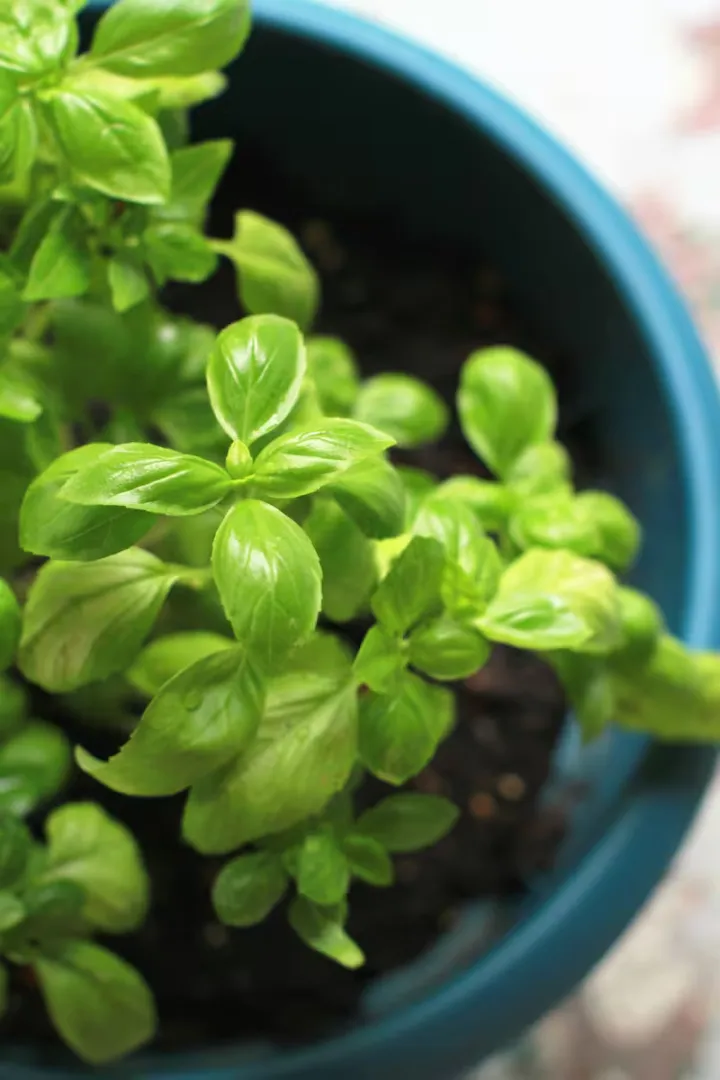
Sow indoors March, plant out May, harvest June to September. Typical frost risk November to April.
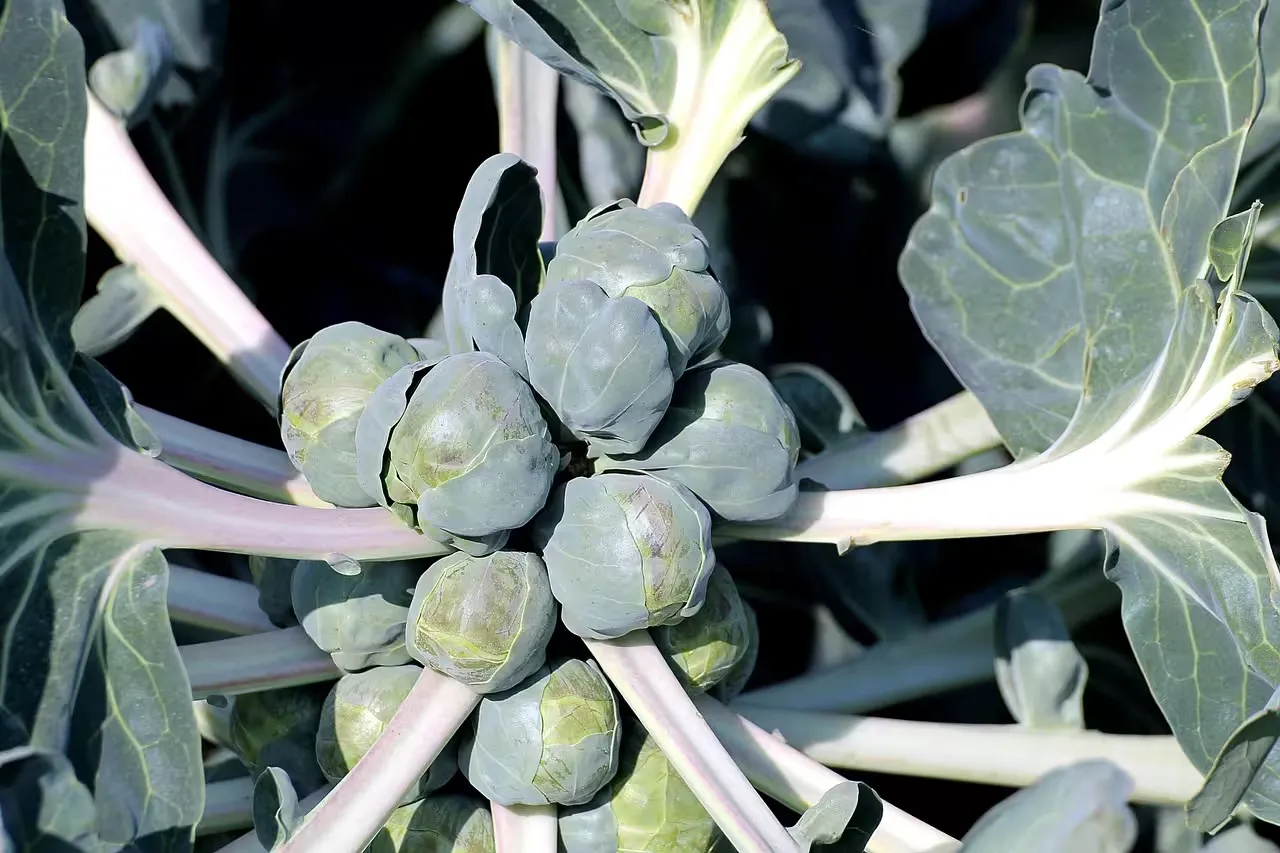
Sow indoors March, plant out May, harvest October to March. Typical frost risk November to April.
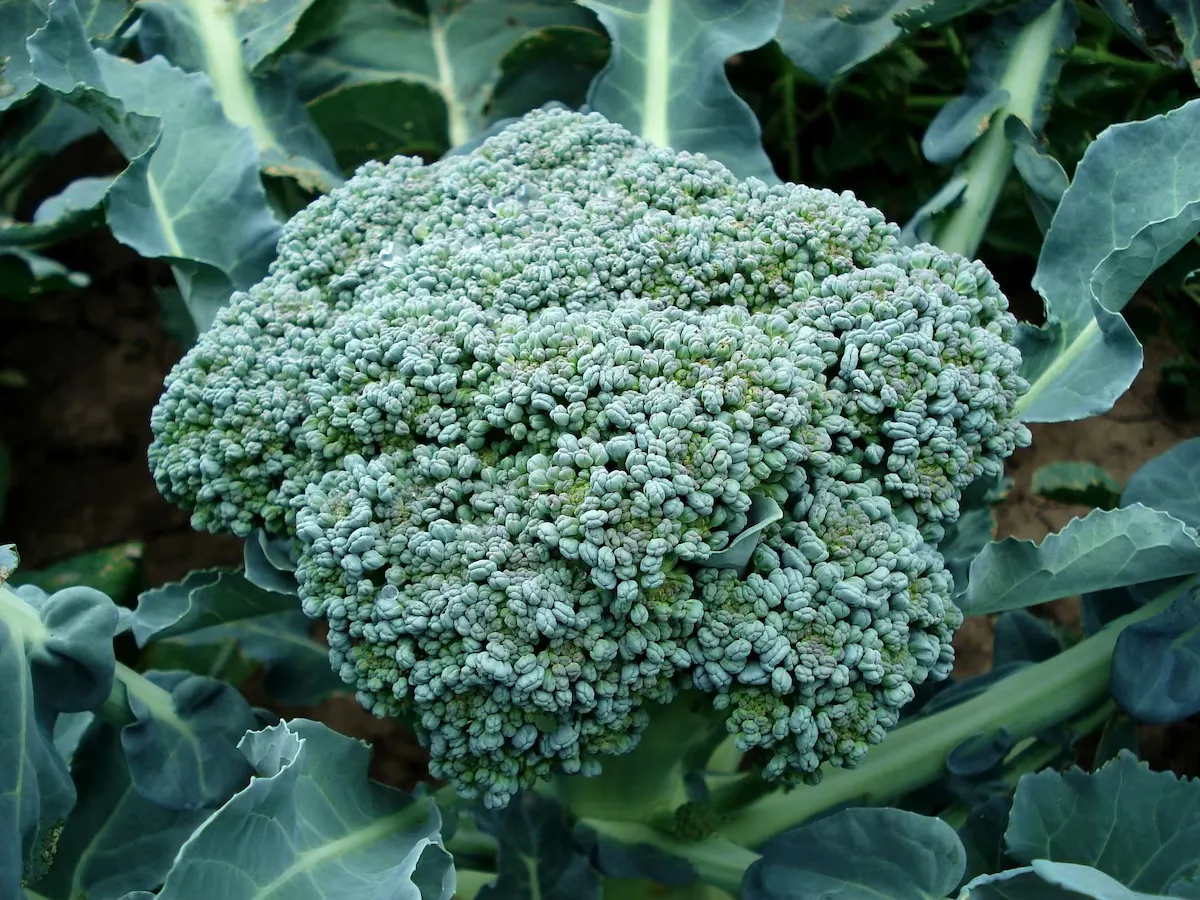
Sow indoors March, plant out May, harvest July to September. Typical frost risk November to April.
See how Thyme timing shifts in other towns with different frost dates.