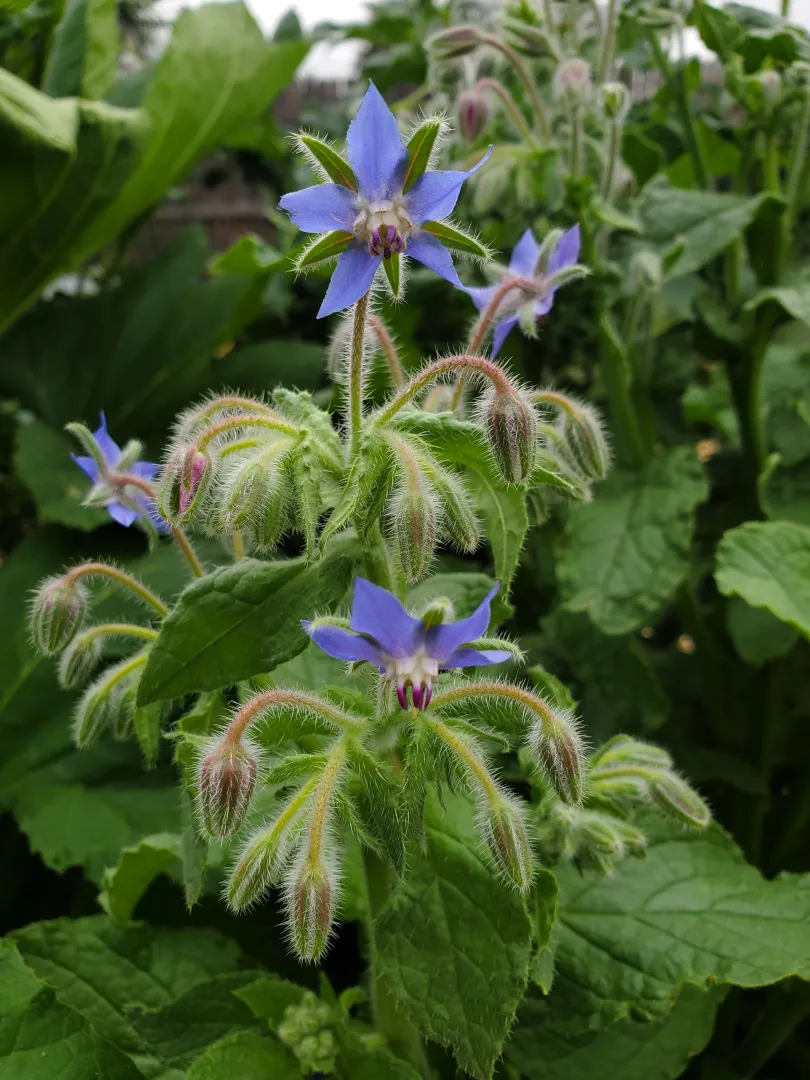
Borages in Barrasford
Borago officinalis
A fast-growing annual herb with edible flowers and cucumber-flavoured leaves. It grows well in most UK gardens, self-seeds freely, and is best sown direct where it is to flower.
Growing Guide
Step-by-step instructions for growing Borage
Planting Calendar
Sow Seeds
14 Apr – 9 Junevery 3 weeksSow seeds thinly where the plants are to grow, from 14th April to 9th June. Cover with a light seed dressing of and keep the soil just moist until germination.
Thin Seedlings
26 May – 9 JunWhen seedlings are large enough to handle, from 26th May to 9th June, thin them to one plant every . Keep the strongest plants and remove extras cleanly at soil level.
Water New Plants
26 May – 30 JunWater plants in well after thinning, then keep the soil lightly moist through 26th May - 30th June while they establish. Once rooted, borage copes with moderate dryness, but flowers are better if the soil does not dry out completely.
Pinch Growing Tips
2 Jun – 21 JulFrom 2nd June to 21st July, pinch out the tips regularly while plants are young. That makes them bushier and delays flowering, which gives you more leafy growth for longer.
Harvest Leaves And Flowers
7 Jul – 29 AugPick young leaves and open flowers from 7th July to 29th August. Harvest often, taking small amounts from several plants so they keep producing fresh growth.
Companion Plants
Tap a plant to see why it works (or doesn't) with Borage.
Good companions
Plants to avoid
Why companion planting matters
Companion planting can deter pests, improve pollination, and make better use of space. Some plants confuse pests or attract beneficial insects; others improve soil or offer shade to neighbours that need it.
Suggested Varieties
Popular varieties of Borage to consider
Blaue Blume
A reliable blue-flowered borage with plenty of edible blooms and quick growth.
Bianca
A white-flowered form that gives the same edible leaves and flowers as the blue type.
Variegata
A decorative form with cream-edged leaves, grown as much for appearance as for use.
Related Plants
Explore similar plants you might like
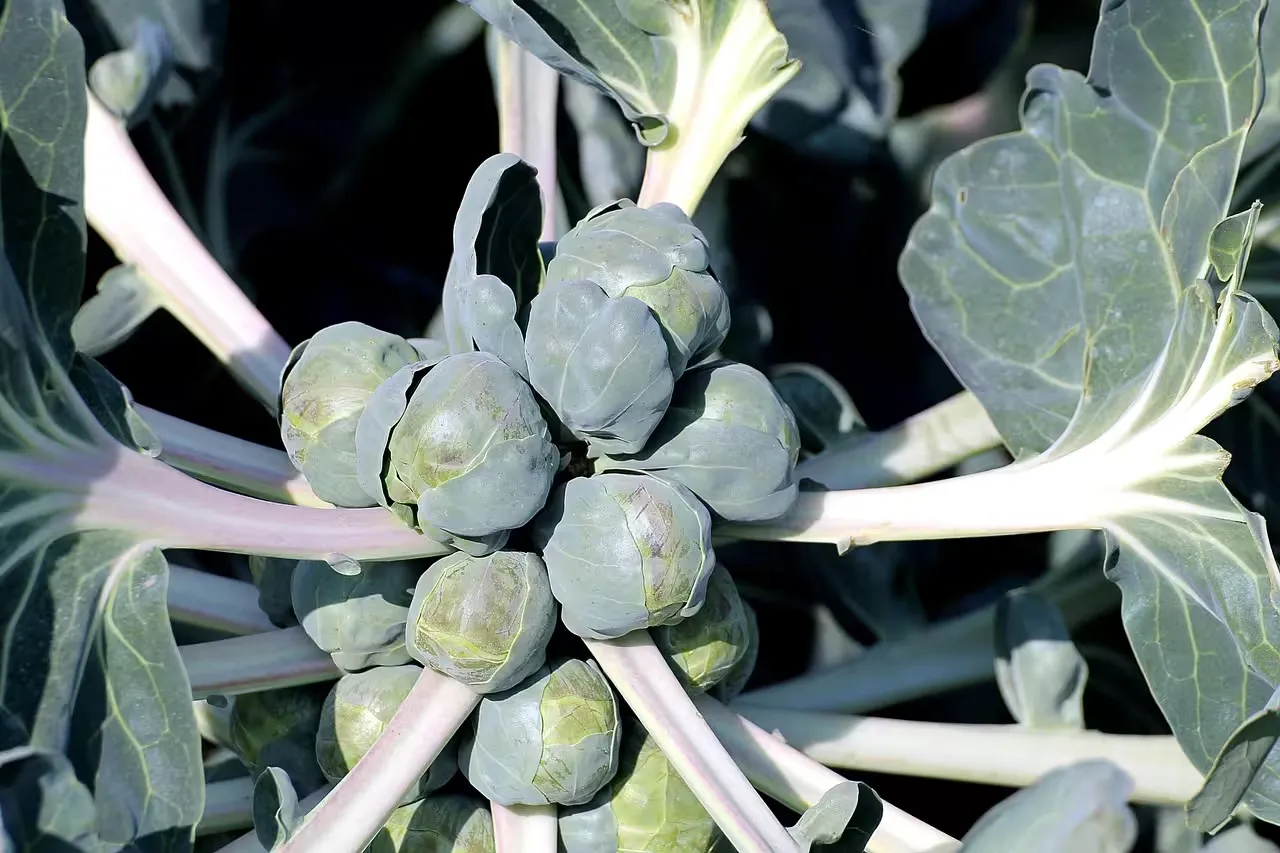
Brussels Sprouts
Brussels sprouts are a hardy winter brassica (cabbage family) that form sturdy, leafy stems often around 60–90cm tall. They produce edible mini-cabbage buds along the stem from autumn through winter. Thanks to their cold tolerance, sprouts remain productive into late winter, and frost actually improves their sweetness.
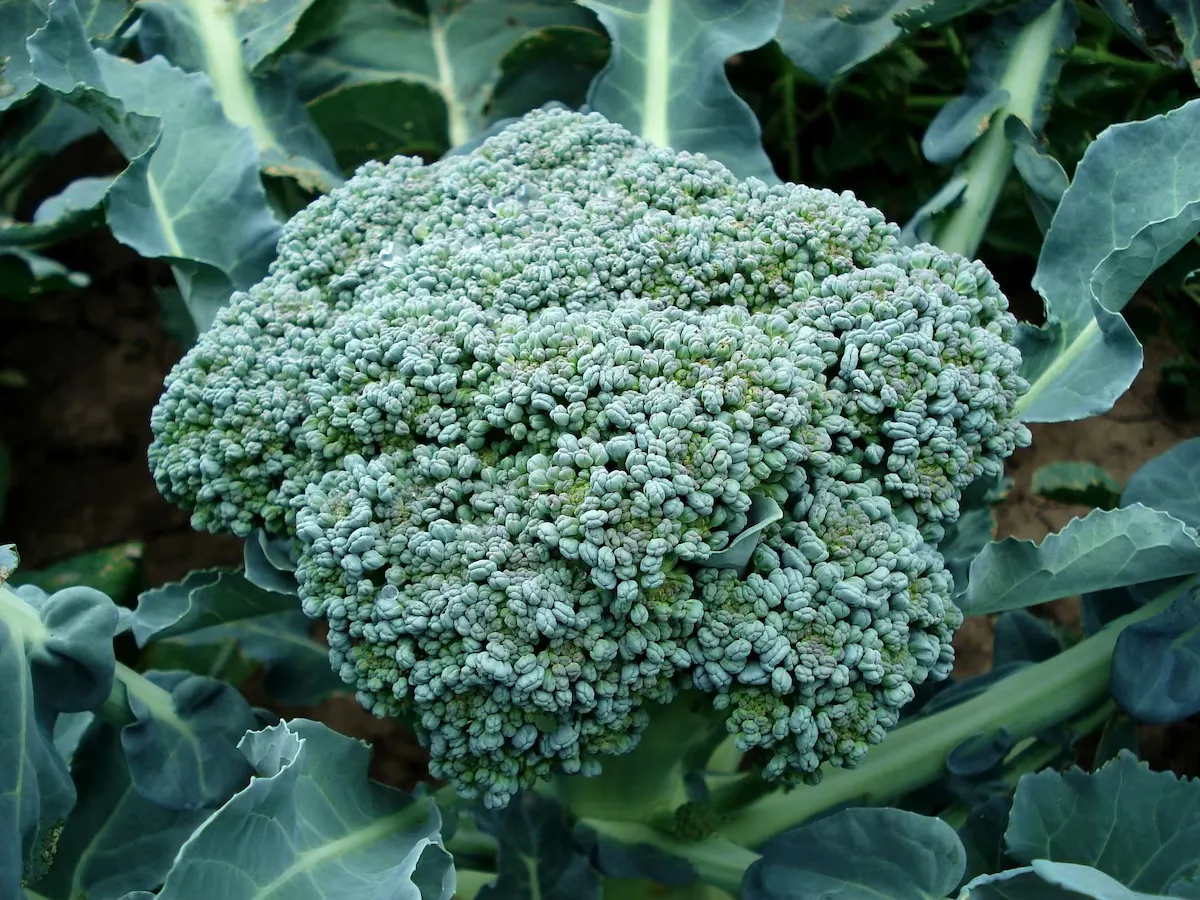
Calabrese
Calabrese (broccoli) produces a large central head of tightly-packed green buds, followed by smaller side-shoots after the main head is cut. It’s a cool-season brassica crop. Grow it in full sun with fertile, well-drained soil and keep plants watered during dry spells. Harvest the heads while firm, then leave the stem in the ground to allow side-shoots to develop.
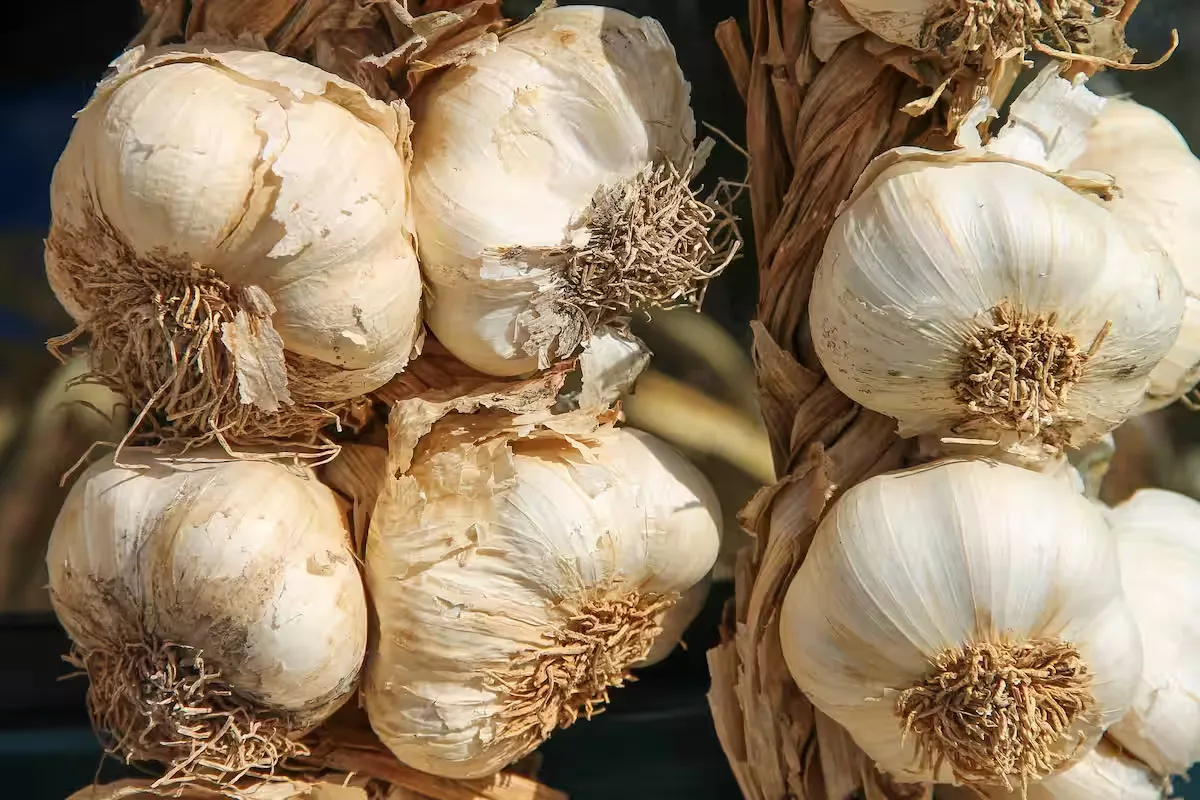
Garlic
Garlic is a hardy, sun-loving bulbous vegetable from the onion family, grown for its pungent cloves used in cooking. It’s easy to grow in a warm, well-drained spot and needs minimal fuss – plant individual cloves and they will develop into full bulbs by the following summer. Most garlic varieties require a cold spell over winter to form good bulbs, so in the UK they are generally planted in autumn. There are two main types of garlic: hardneck and softneck. Hardneck types produce flower stalks (scapes) which should be removed, and their bulbs have fewer but larger cloves (they store for around 4–6 months). Softneck types have more, smaller cloves and rarely bolt; they also store for longer, often up to a year.