Blaue Blume
A reliable blue-flowered borage with plenty of edible blooms and quick growth.
Borago officinalis
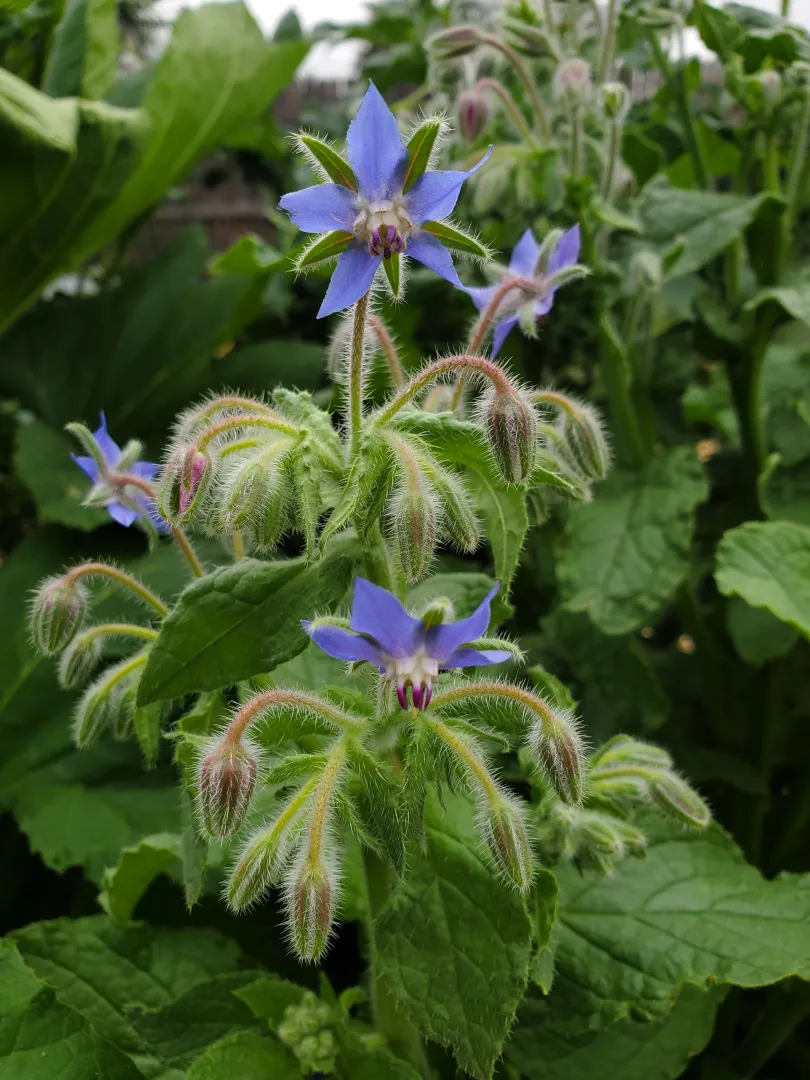
A fast-growing annual herb with edible flowers and cucumber-flavoured leaves. It grows well in most UK gardens, self-seeds freely, and is best sown direct where it is to flower.
60 cm · Full Sun · Moderate Water
Calibrated to Cambridge · average last frost around 7 May
| Activity | January | February | March | April | May | June | July | August | September | October | November | December |
|---|---|---|---|---|---|---|---|---|---|---|---|---|
| Sow outdoors | No | No | No | Yes | Yes | No | No | No | No | No | No | No |
| Harvest | No | No | No | No | No | Yes | Yes | Yes | Yes | No | No | No |
What to do through the growing season
01
Sow seeds thinly where the plants are to grow, from 23rd April to 21st May. Cover them with a light layer of soil, about deep, and keep the soil just moist until germination.
02
When seedlings are large enough to handle, from 7th May to 18th June, thin them to one plant every . Keep the strongest plants and remove extras cleanly at soil level.
03
Water plants in well after thinning, then keep the soil lightly moist through 7th May - 9th July while they establish. Once rooted, borage copes with moderate dryness, but flowers are better if the soil does not dry out completely.
04
If you are growing borage mainly for leaves, pinch out the first flower buds as they appear. This keeps plants producing fresh leaves for longer. If you want flowers, leave the buds to open.
05
Pick young leaves and open flowers from 18th June to 19th September. Harvest often, taking small amounts from several plants so they keep producing fresh growth.
Popular varieties of Borage to consider
A reliable blue-flowered borage with plenty of edible blooms and quick growth.
A white-flowered form that gives the same edible leaves and flowers as the blue type.
A decorative form with cream-edged leaves, grown as much for appearance as for use.
Explore similar plants you might like
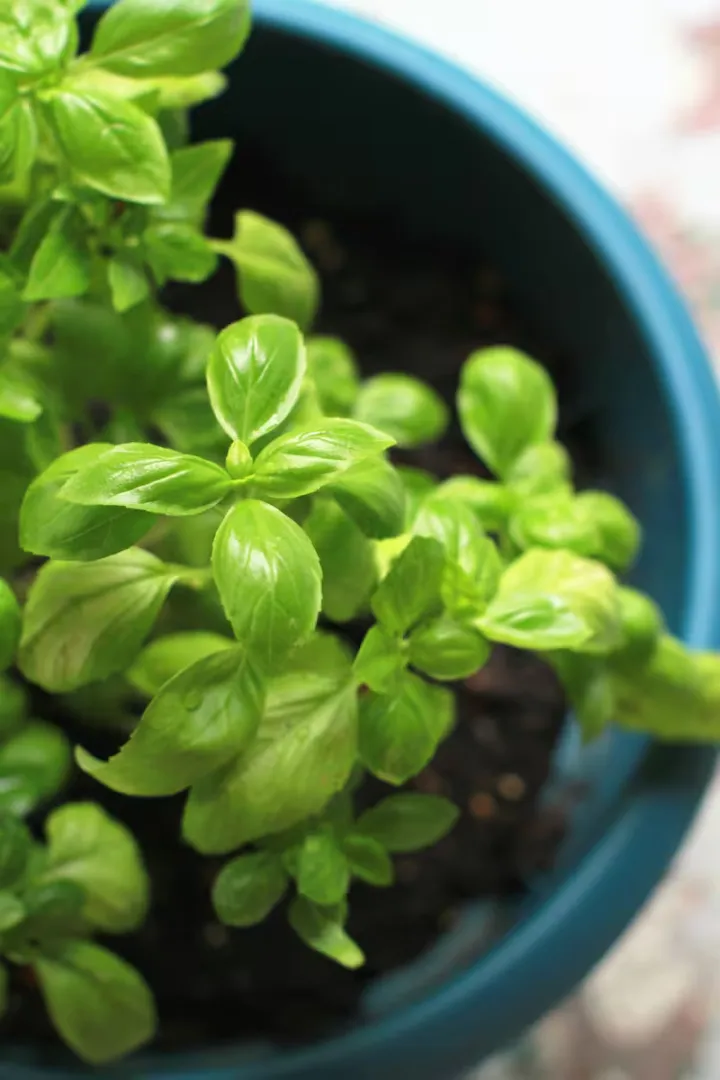
Sow indoors March to April, plant out May to June, harvest July to October. Typical frost risk October to May.
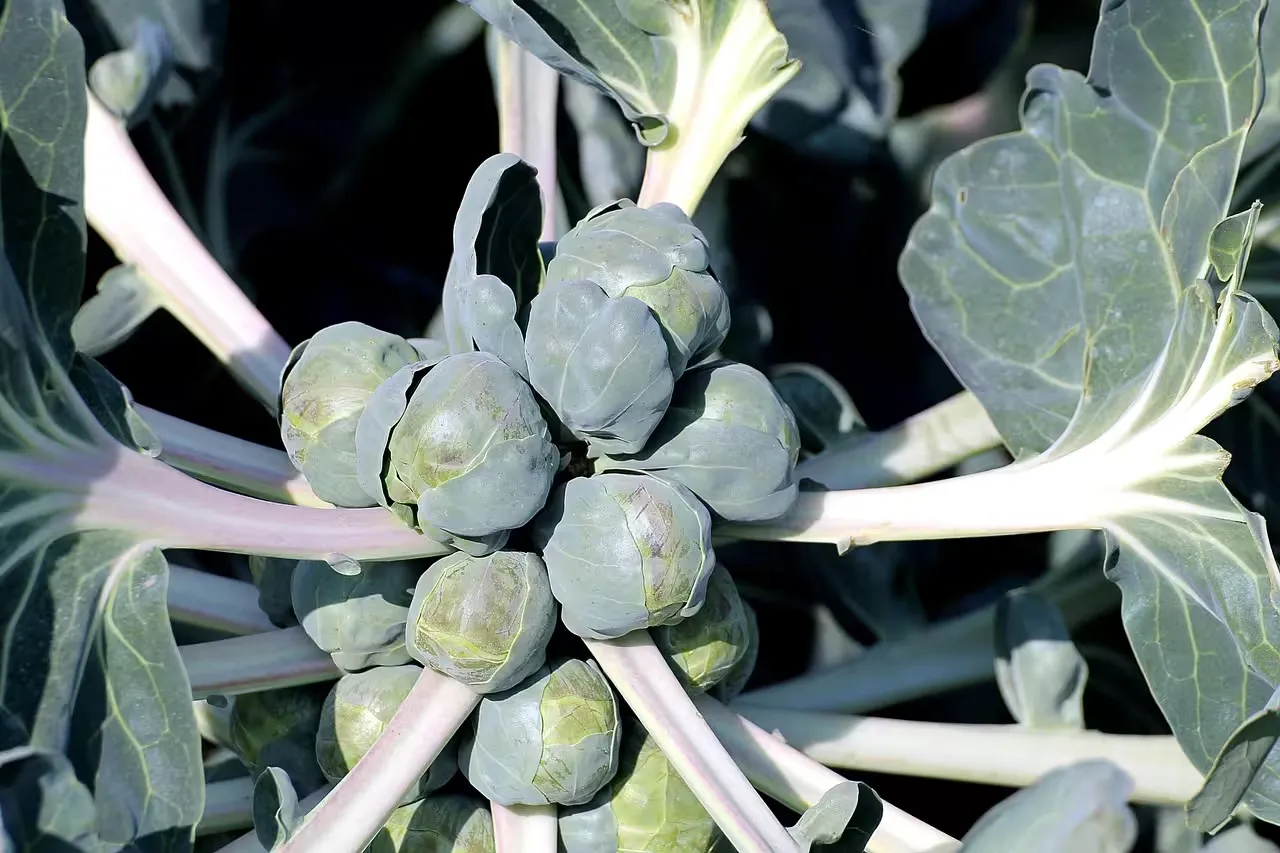
Sow indoors March to April, plant out May to June, harvest September to February. Typical frost risk October to May.
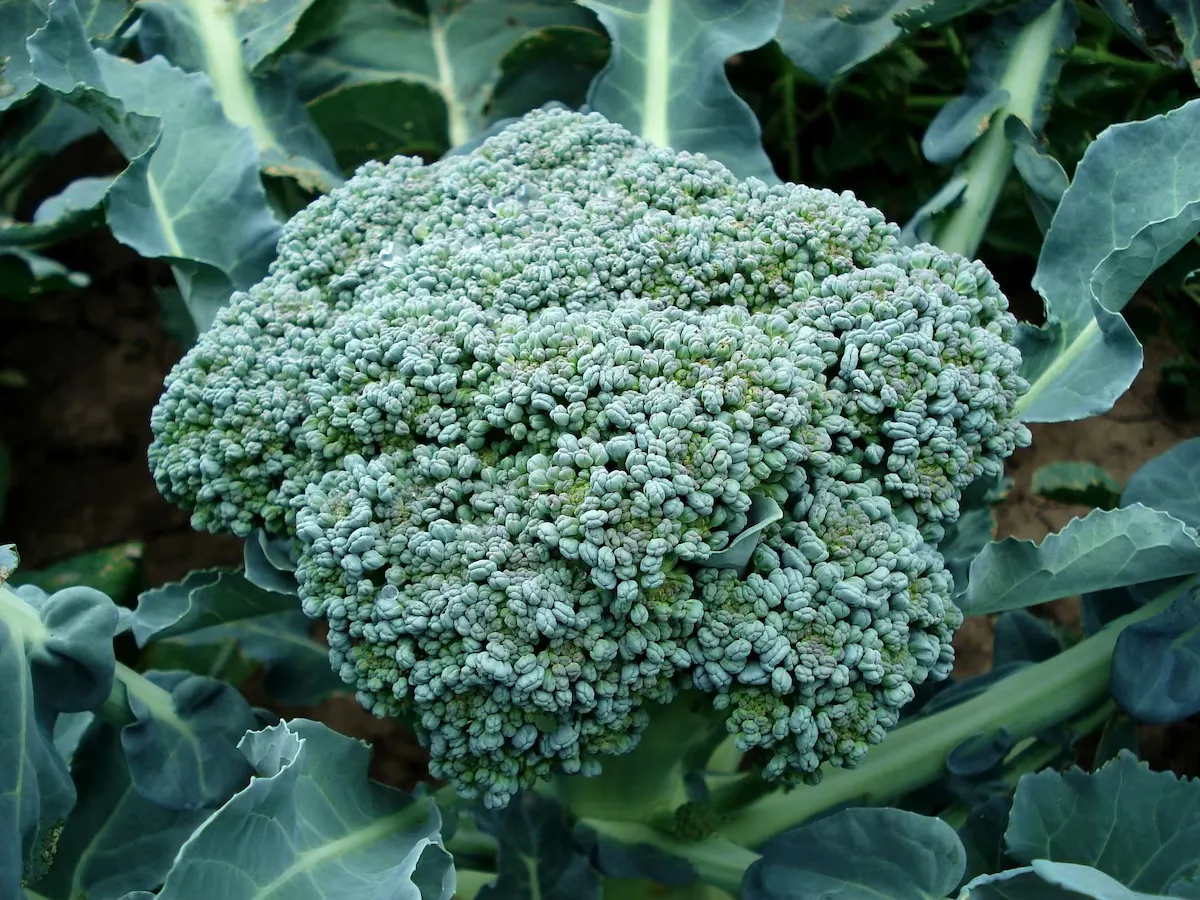
Sow indoors March to April, plant out May to June, harvest July to October. Typical frost risk October to May.
See how Borage timing shifts in other towns with different frost dates.