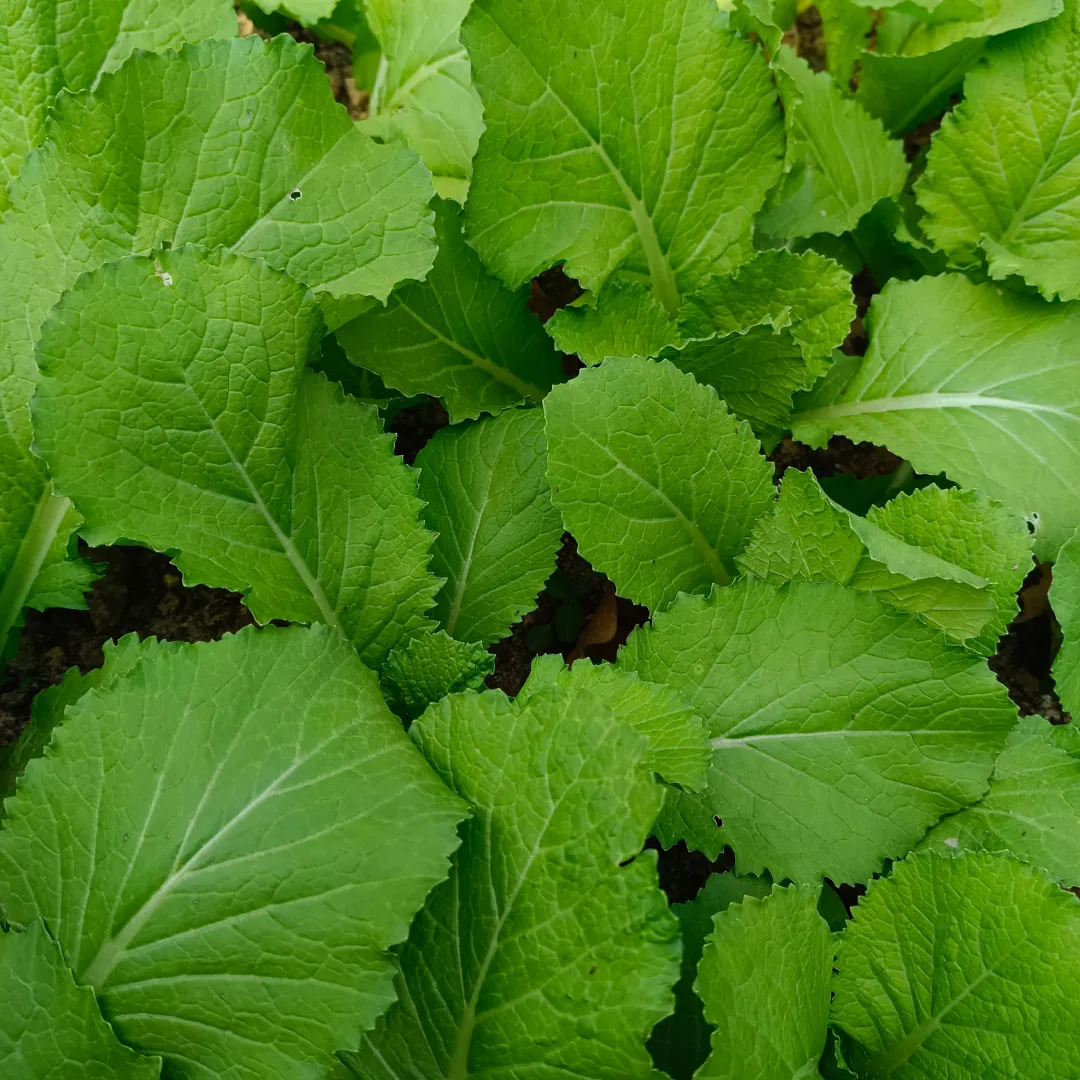
Mustard Greens in Barnhill
Brassica juncea
A fast-growing leafy brassica for cool and mild weather. Sow in succession from spring through late summer for a steady supply of pungent young leaves, and keep it well watered in dry spells to slow bolting.
Growing Guide
Step-by-step instructions for growing Mustard Greens
Planting Calendar
Sow Small Batches
23 Mar – 13 Septevery 3 weeksSow small batches around 23rd March - 13th September, setting seed about deep in prepared soil or compost. Sow a fresh batch every 21 days for a steady supply of young leaves rather than one glut.
Thin Seedlings
28 Jun – 9 JulWhen seedlings are large enough to handle from 28th June, thin them to their final spacing so they do not crowd each other. Keep the strongest plants and snip extras at soil level to avoid disturbing the roots.
Protect From Slugs
25 Jun – 2 Augevery weekFrom 25th June, check plants often and protect them from slugs and snails, which can strip young leaves overnight. Use pellets only if needed and follow the label, or add barriers and hand-pick after rain.
Water Regularly
2 Jul – 20 Novevery weekFrom 2nd July until 20th November, keep the soil evenly moist, especially in warm spells and under cover. Water at the base of the plants so growth stays steady and the leaves stay tender.
Harvest Leaves
18 Jul – 20 Novevery weekStart picking from 18th July once plants are well developed. Cut outer leaves little and often for a cut-and-come-again crop, or lift whole plants if you want them young and mild.
Companion Plants
Tap a plant to see why it works (or doesn't) with Mustard Greens.
Good companions
Plants to avoid
Why companion planting matters
Companion planting can deter pests, improve pollination, and make better use of space. Some plants confuse pests or attract beneficial insects; others improve soil or offer shade to neighbours that need it.
Suggested Varieties
Popular varieties of Mustard Greens to consider
Green in the Snow
A reliable, hardy variety for cool-weather sowings with good flavour and steady leaf production.
Red Giant
Large purple-tinged leaves with a stronger flavour and fast growth in cool conditions.
Komatsuna
A fast, mild-leaved type that can be picked young for repeated harvests.
Related Plants
Explore similar plants you might like
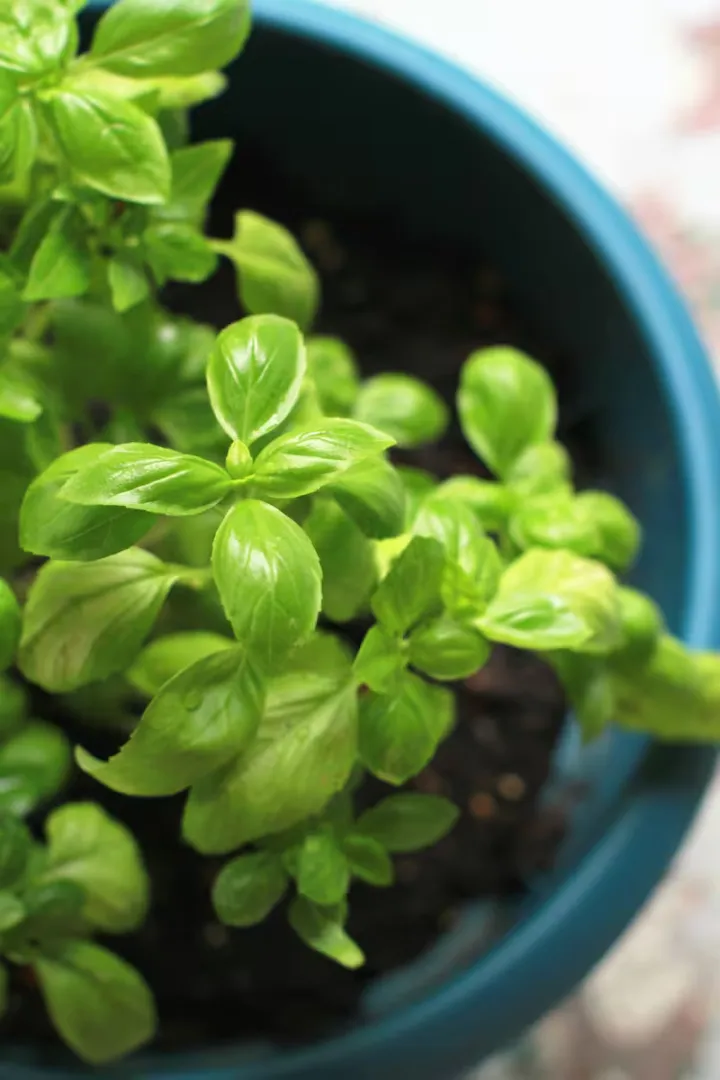
Basil
Basil is a fragrant, tender herb whose leaves are a staple of summer cooking. Native to tropical regions, basil is treated as an annual in temperate climates like the UK because it cannot tolerate frost. It thrives in warm, sunny conditions and can be grown in garden beds or pots for a steady supply of fresh, flavourful leaves throughout the summer.
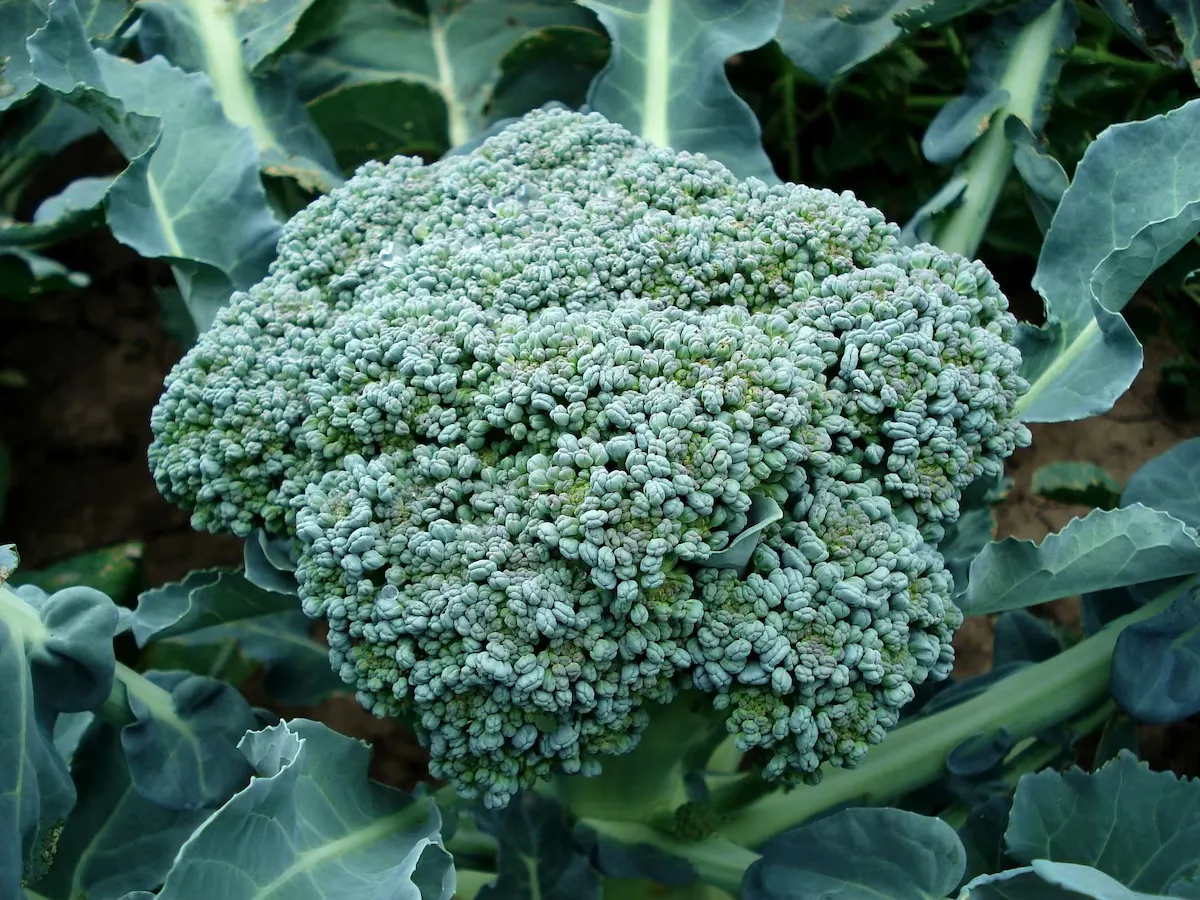
Calabrese
Calabrese (broccoli) produces a large central head of tightly-packed green buds, followed by smaller side-shoots after the main head is cut. It’s a cool-season brassica crop. Grow it in full sun with fertile, well-drained soil and keep plants watered during dry spells. Harvest the heads while firm, then leave the stem in the ground to allow side-shoots to develop.
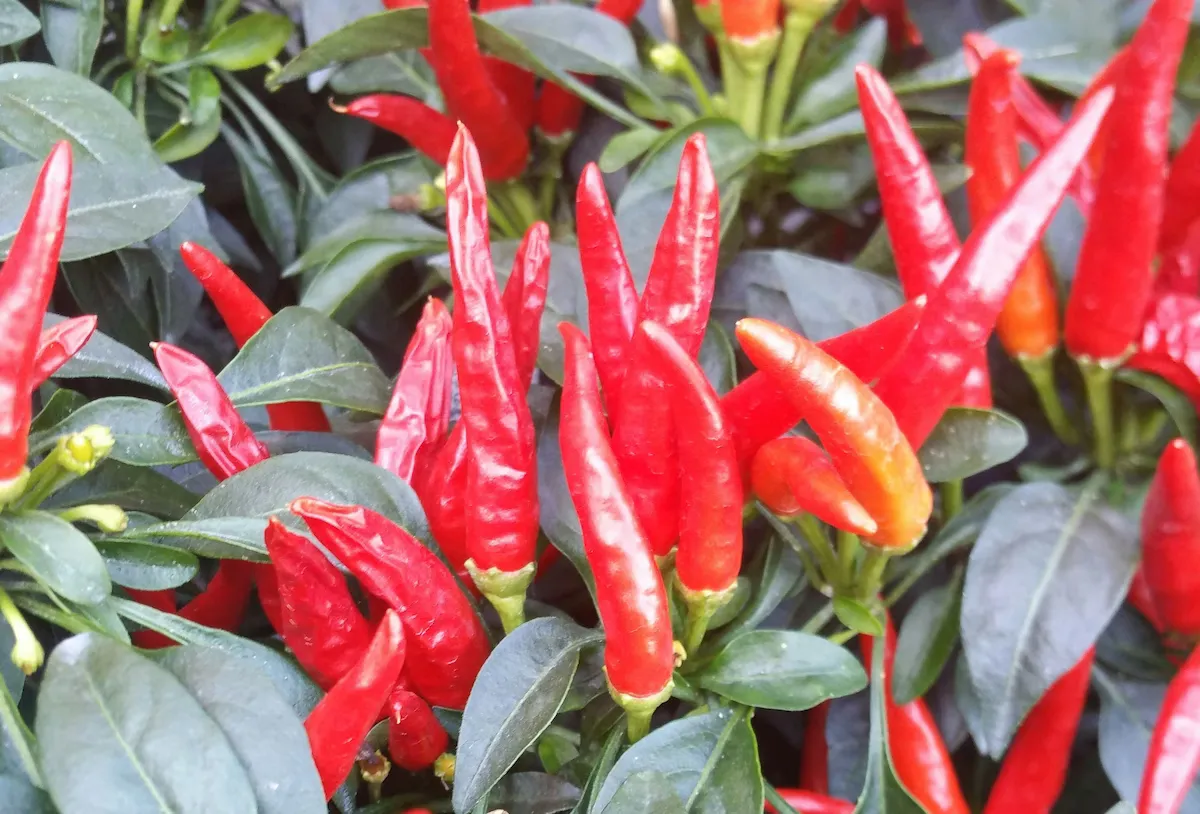
Chilli Pepper
Chilli peppers are tender perennials grown as annuals in the UK, requiring a long, warm season. They thrive in a greenhouse or a sunny, sheltered outdoor spot, producing fruits that range from mild to intensely hot depending on variety and growing conditions.
Also in nearby towns
See how Mustard Greens timing shifts in other towns with different frost dates.