Plants to grow in Aberdeen
Find something to grow in . Every guide has sowing dates built around local frost history.
Showing 1 to 24 of 108 results
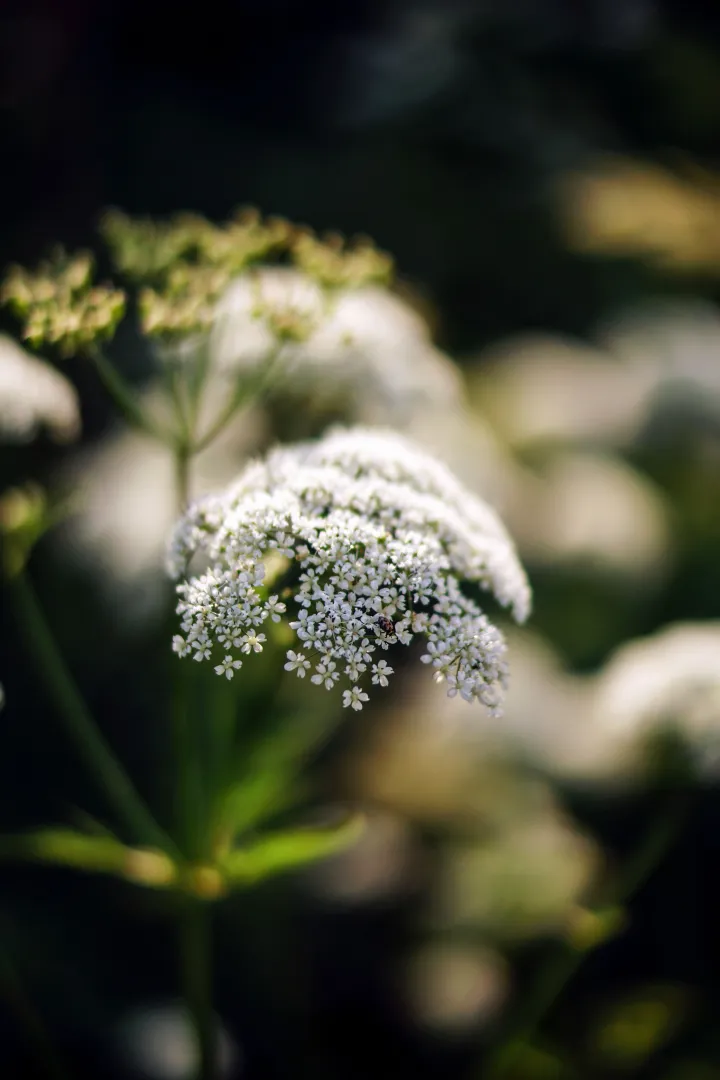
Ammi
Ammi majus
Sow outdoors March to April, harvest June to October. Typical frost risk October to April.
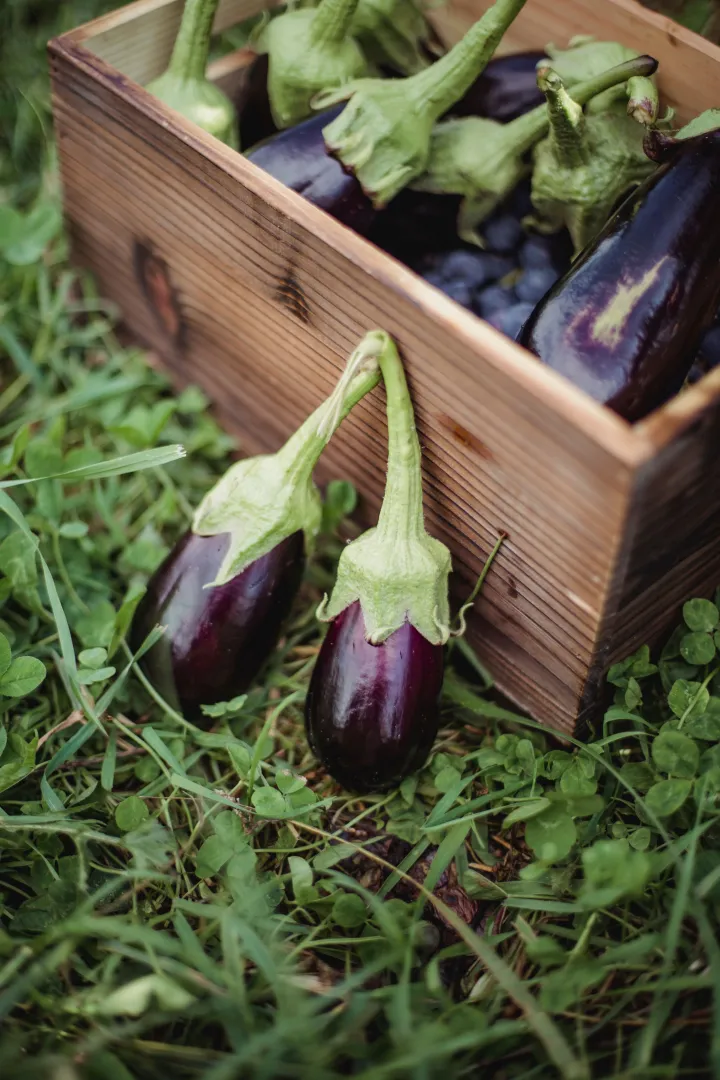
Aubergine
Solanum melongena
Sow indoors February to March, plant out May, harvest August to October. Typical frost risk October to April.
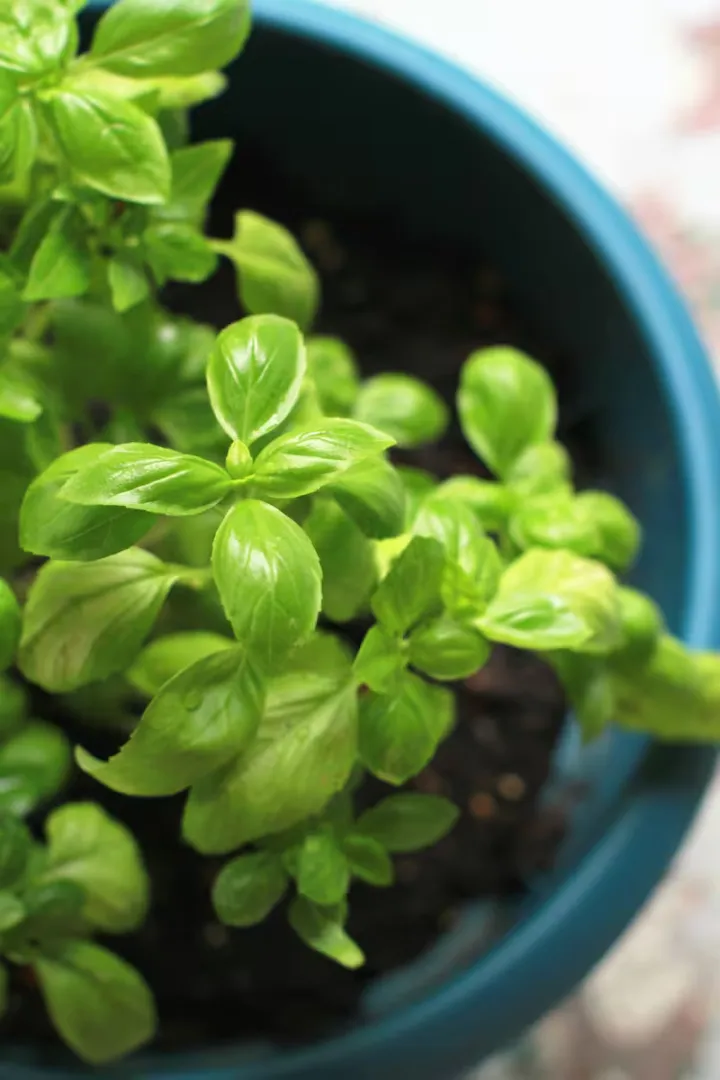
Basil
Ocimum basilicum
Sow indoors March to April, plant out May, harvest June to September. Typical frost risk October to April.
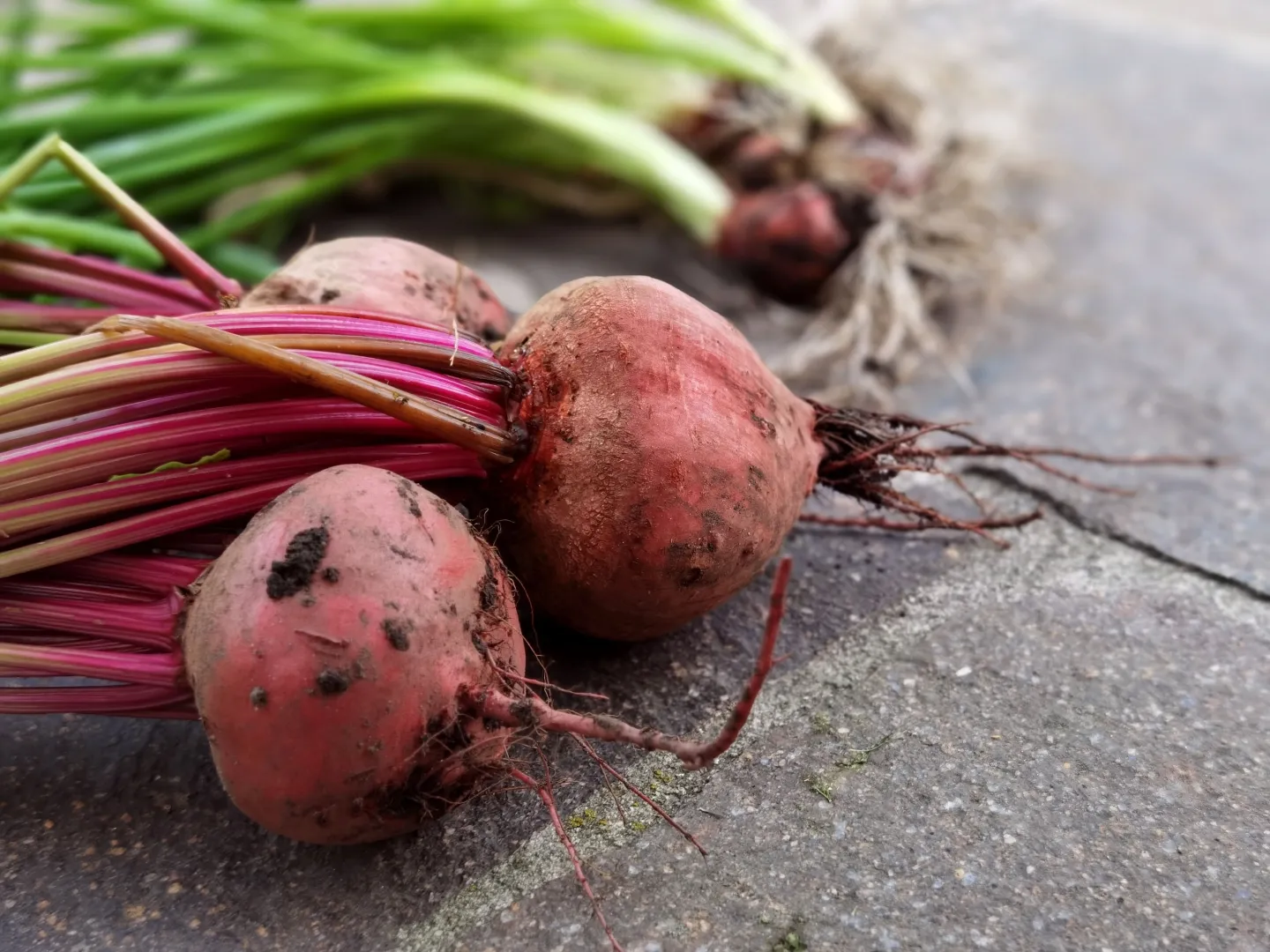
Beetroot
Beta vulgaris subsp. vulgaris
Sow outdoors April to August, harvest May to October. Typical frost risk October to April.
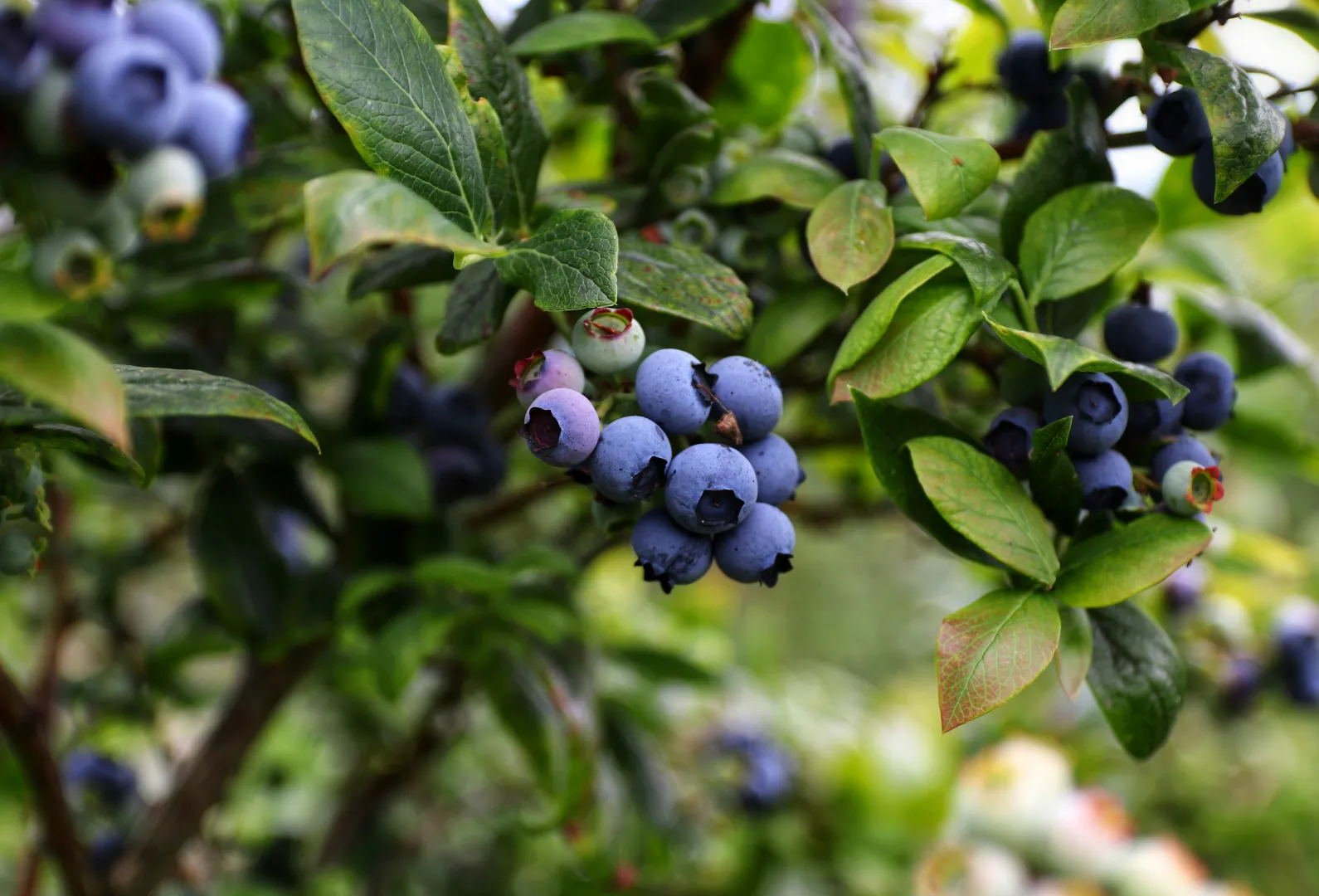
Blueberry
Vaccinium corymbosum
Plant out October to February, harvest July to October. Typical frost risk October to April.
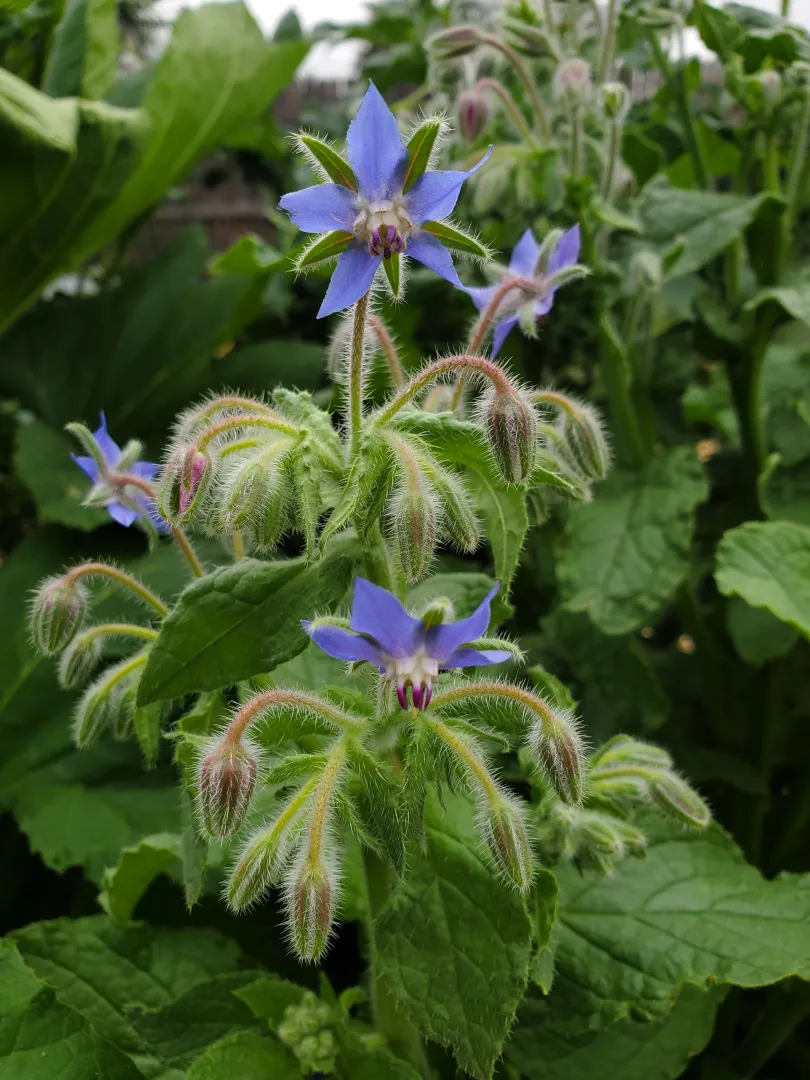
Borage
Borago officinalis
Sow outdoors April to May, harvest June to September. Typical frost risk October to April.
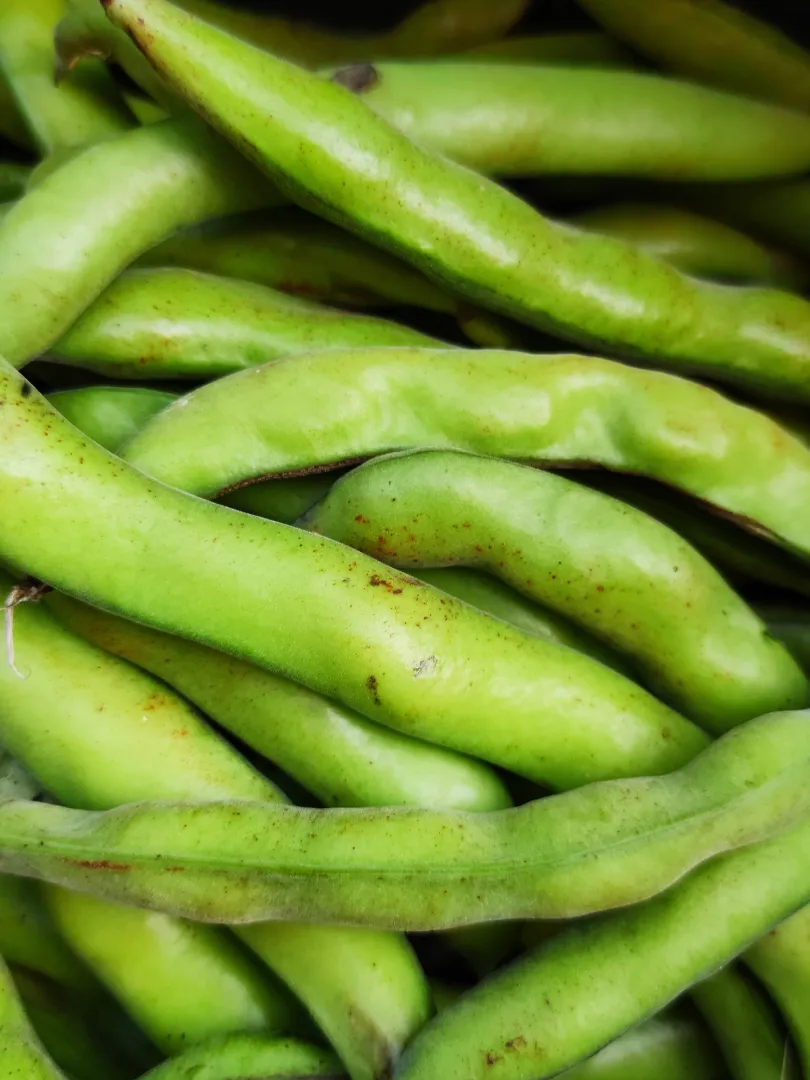
Broad Bean
Vicia faba
Sow outdoors March to April, plant out April to June, harvest July to September. Typical frost risk October to April.
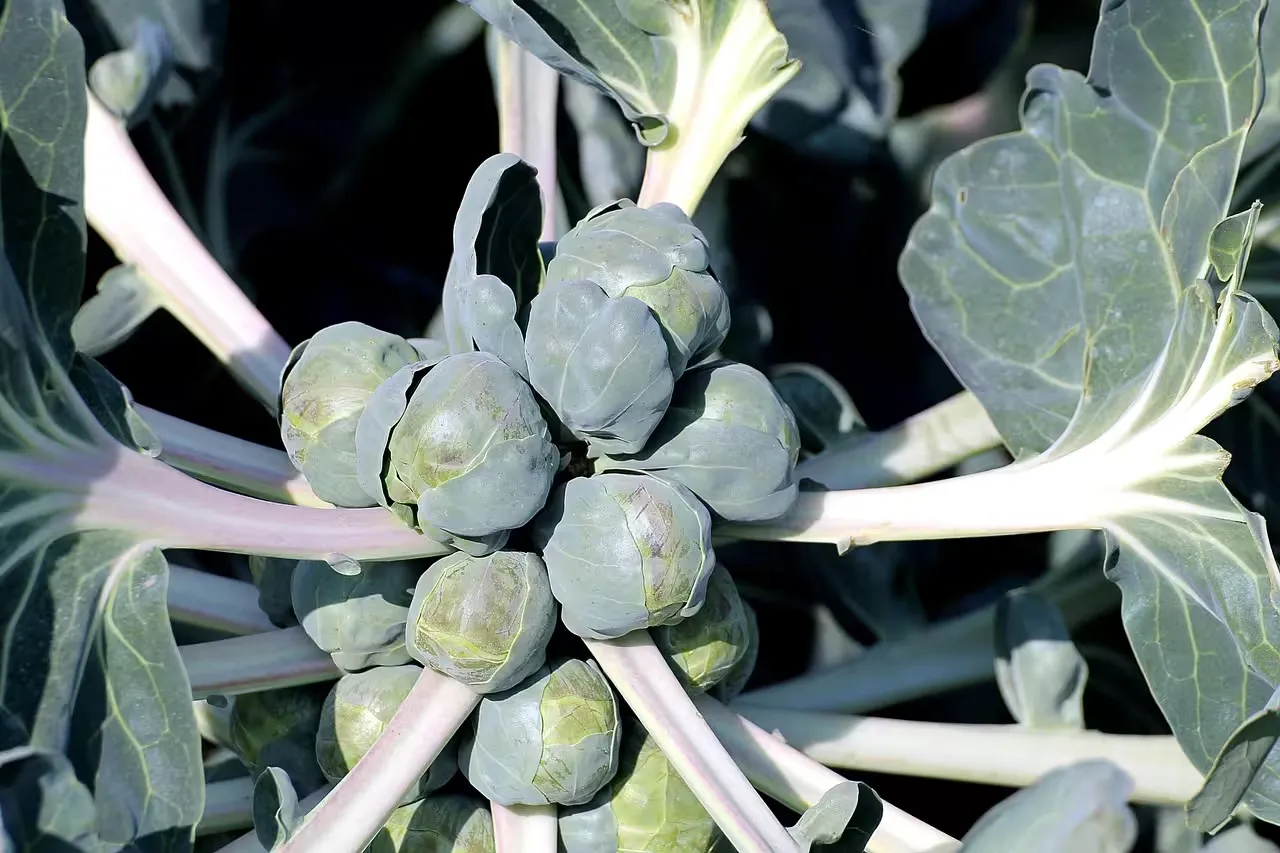
Brussels Sprouts
Brassica oleracea (Gemmifera Group)
Sow indoors March, plant out May, harvest September to February. Typical frost risk October to April.
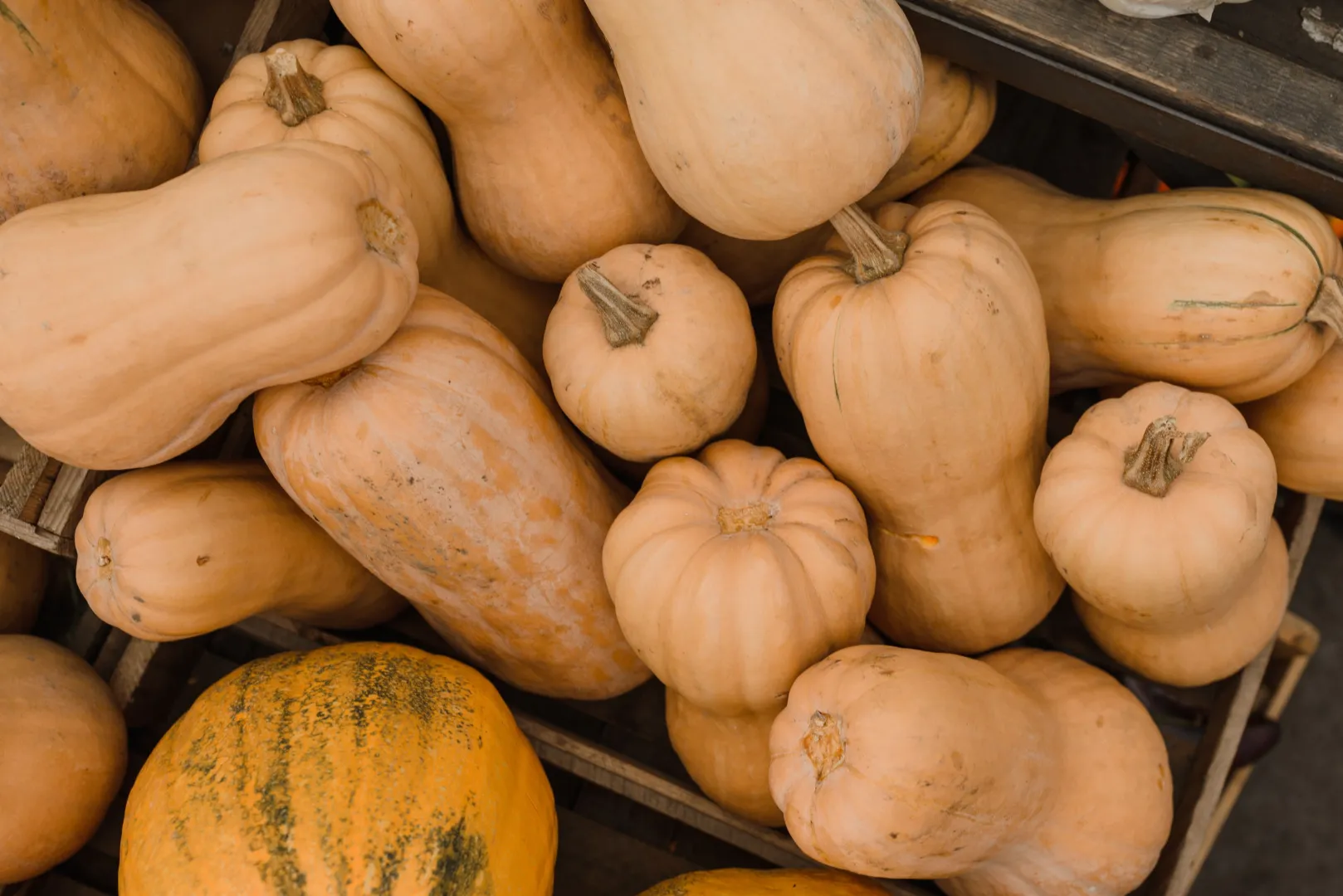
Butternut Squash
Cucurbita moschata
Sow indoors April, plant out May, harvest October. Typical frost risk October to April.
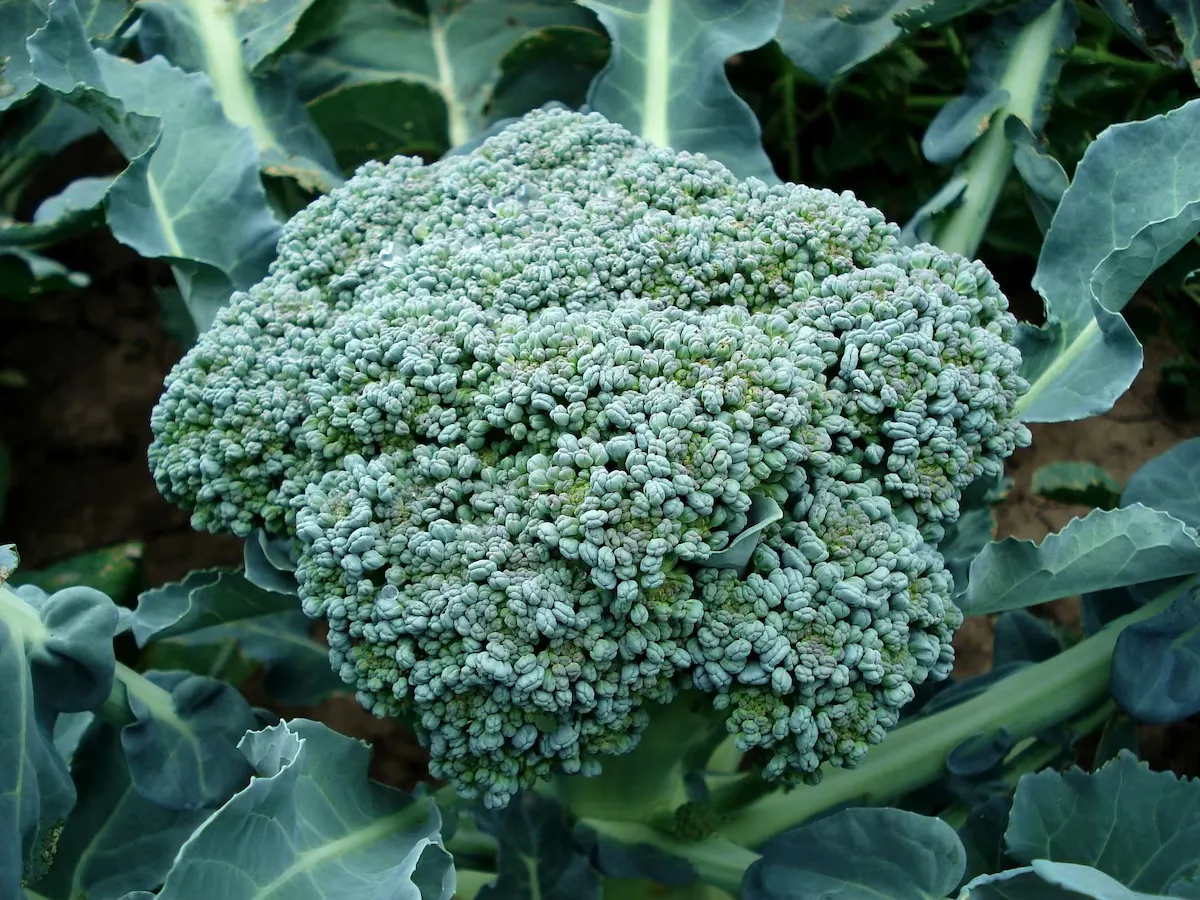
Calabrese
Brassica oleracea var. italica
Sow indoors March, plant out May, harvest July to September. Typical frost risk October to April.
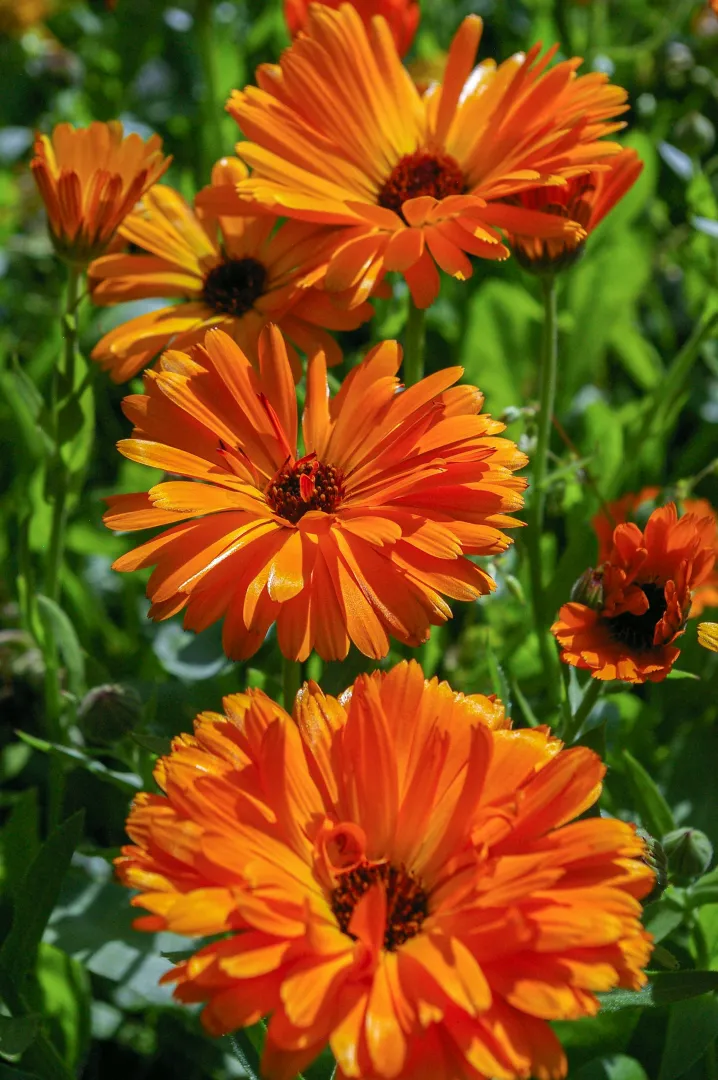
Calendula
Calendula officinalis
Sow outdoors March to April. Typical frost risk October to April.
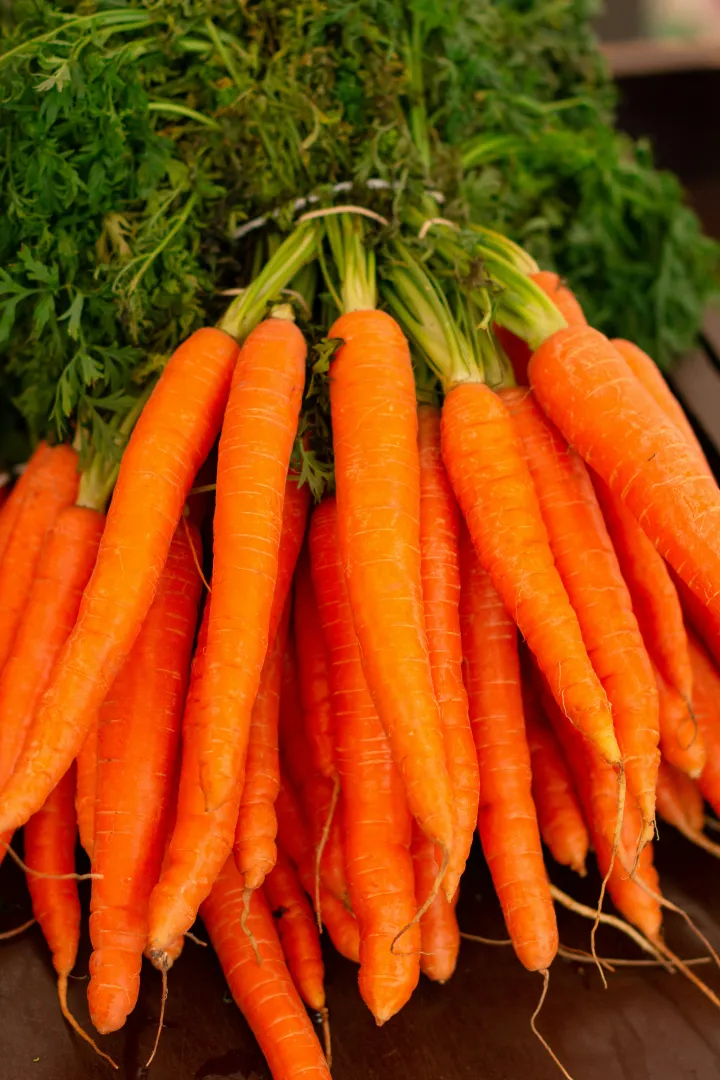
Carrot
Daucus carota subsp. sativus
Sow outdoors April to May, harvest July to October. Typical frost risk October to April.
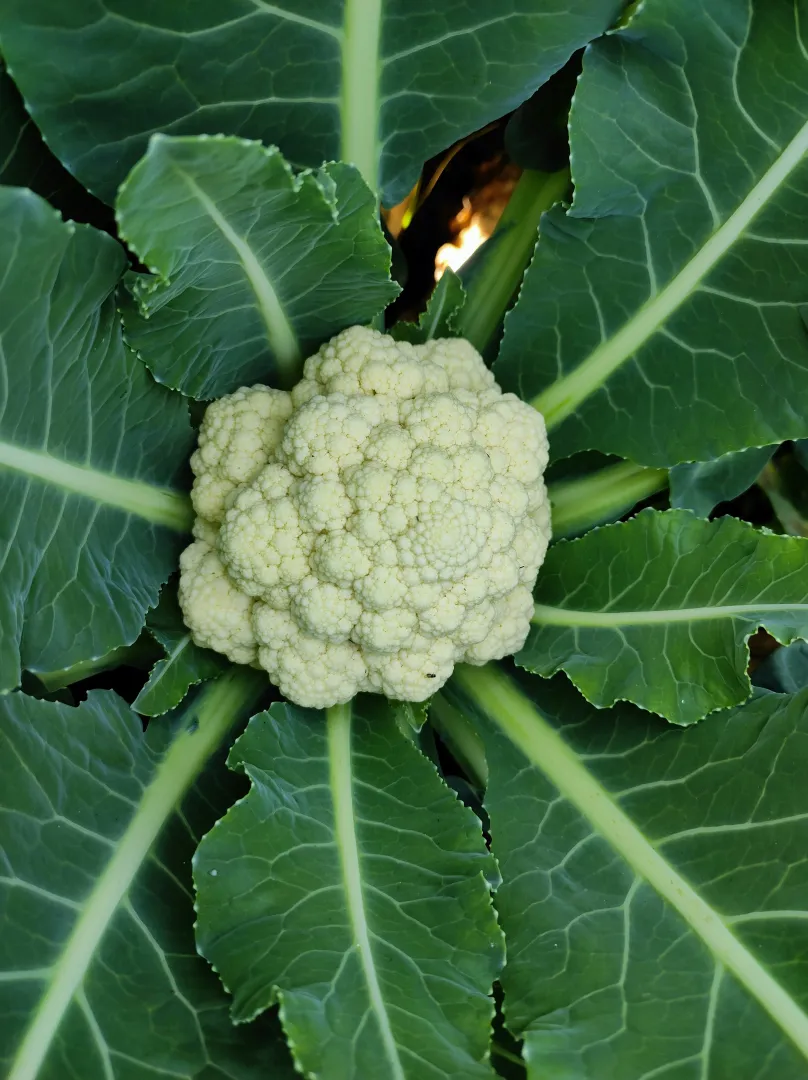
Cauliflower
Brassica oleracea var. botrytis
Sow indoors March, plant out May, harvest July to September. Typical frost risk October to April.
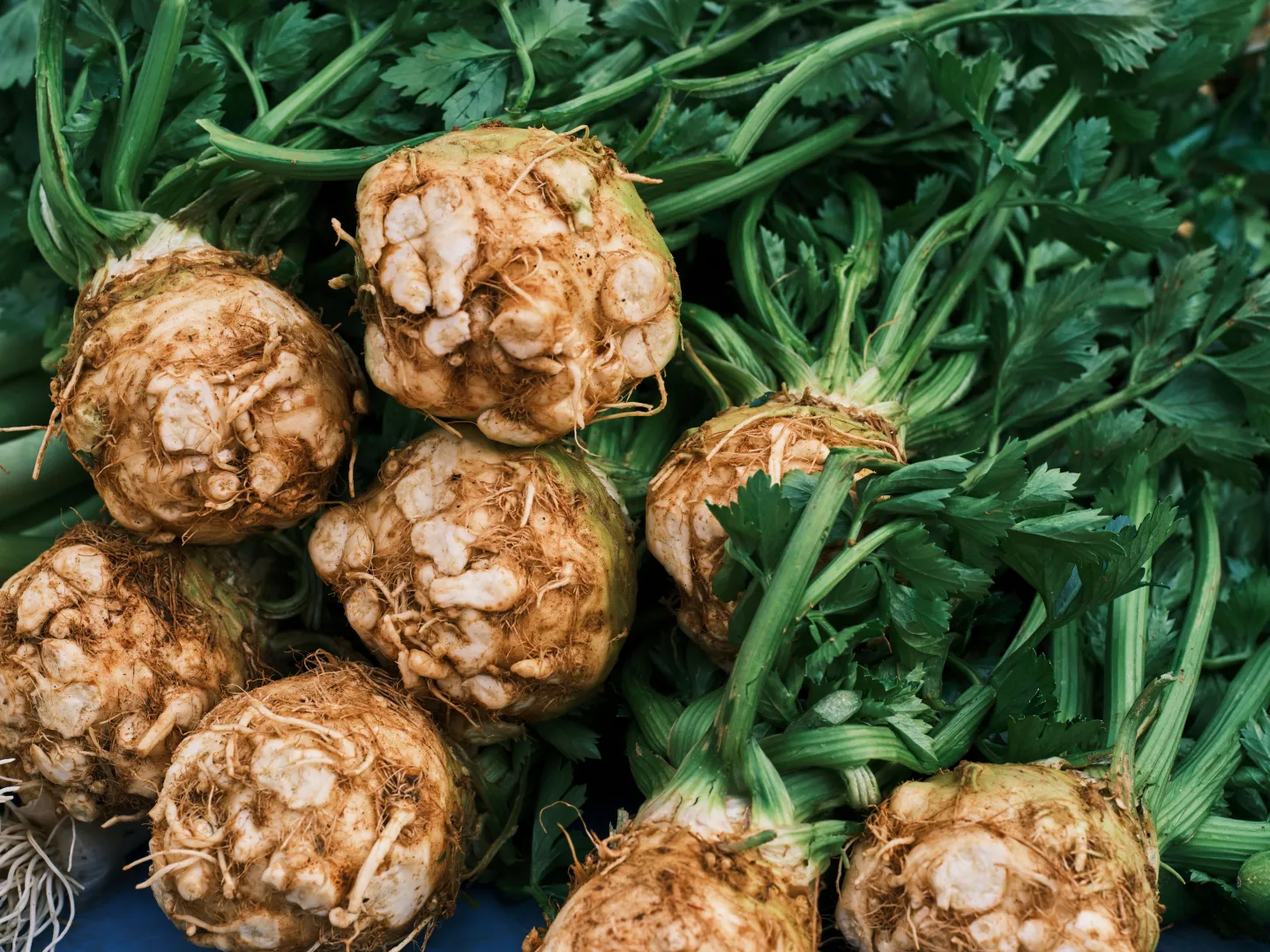
Celeriac
Apium graveolens var. rapaceum
Sow indoors February to March, harvest September to December. Typical frost risk October to April.
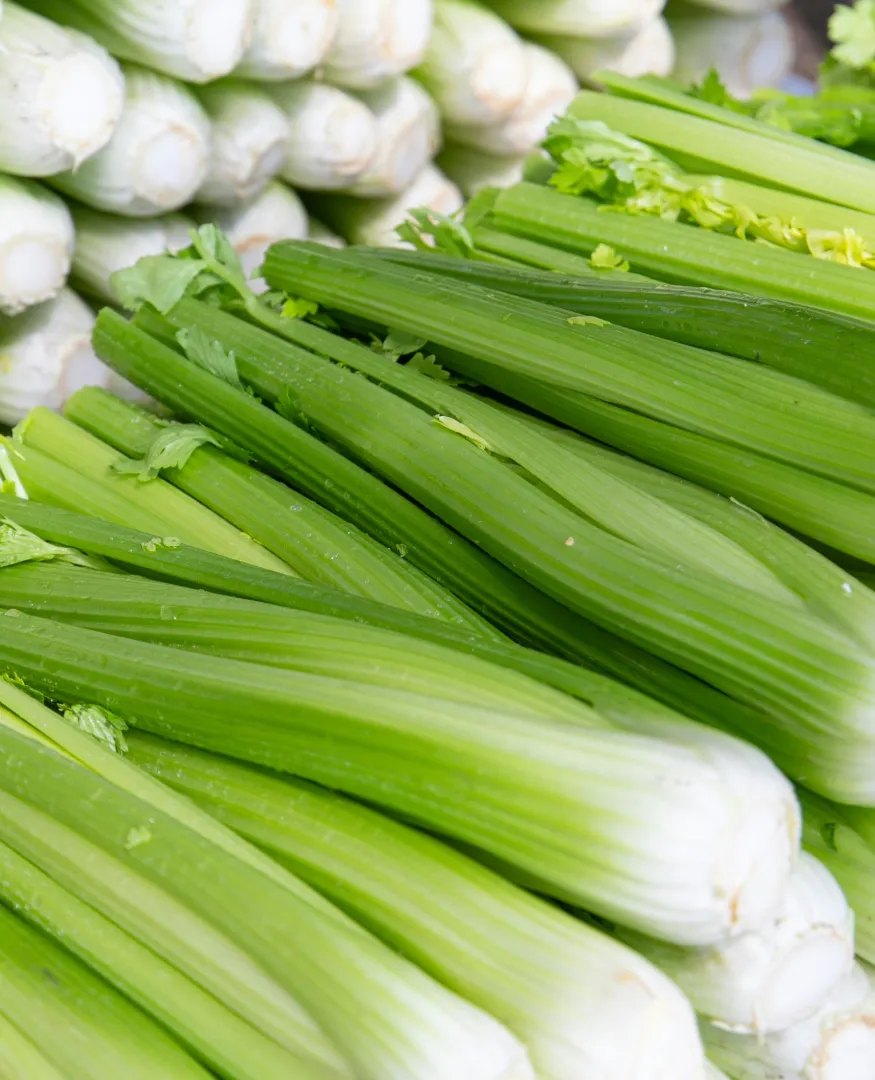
Celery
Apium graveolens var. dulce
Sow indoors February to April, plant out May, harvest August to October. Typical frost risk October to April.
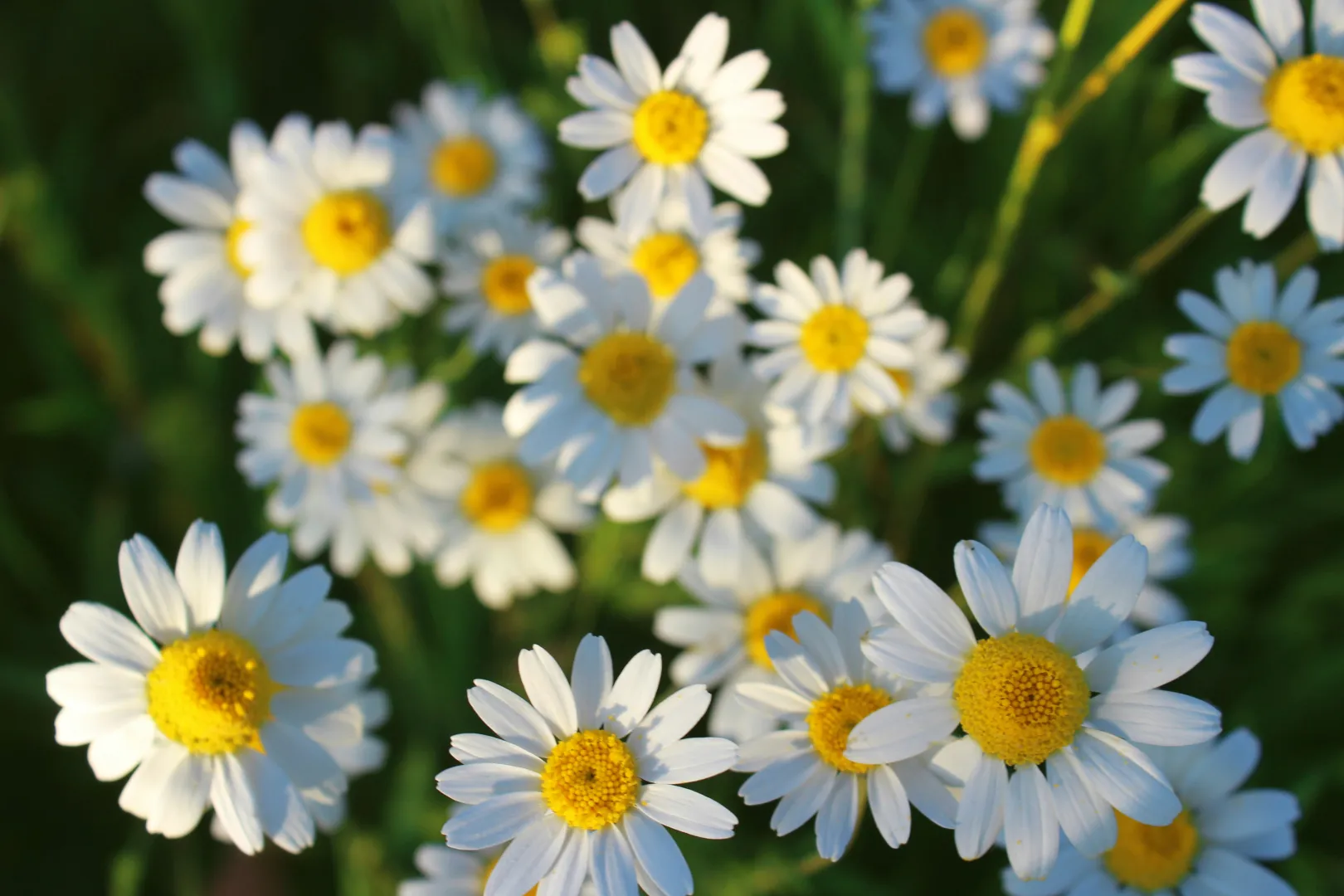
Chamomile
Matricaria chamomilla
Sow outdoors April to May, harvest June to October. Typical frost risk October to April.
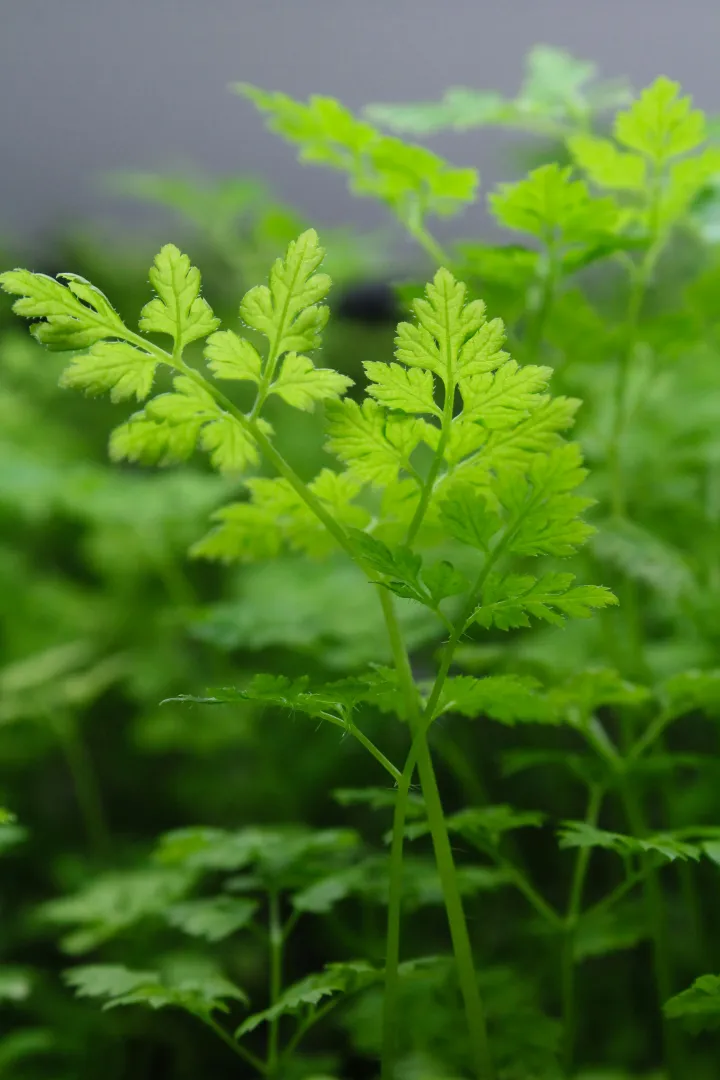
Chervil
Anthriscus cerefolium
Sow outdoors March to September, harvest May to October. Typical frost risk October to April.
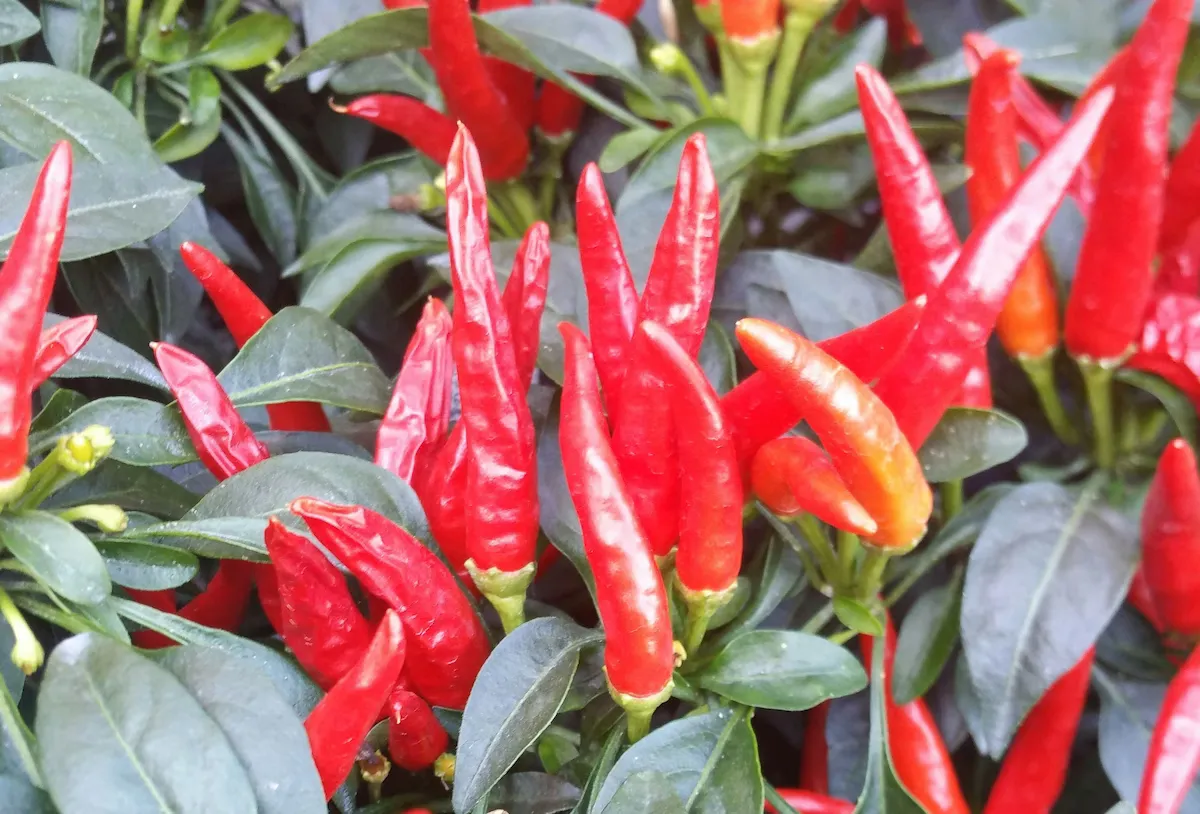
Chilli Pepper
Capsicum annuum
Sow indoors February to March, plant out May, harvest July to October. Typical frost risk October to April.
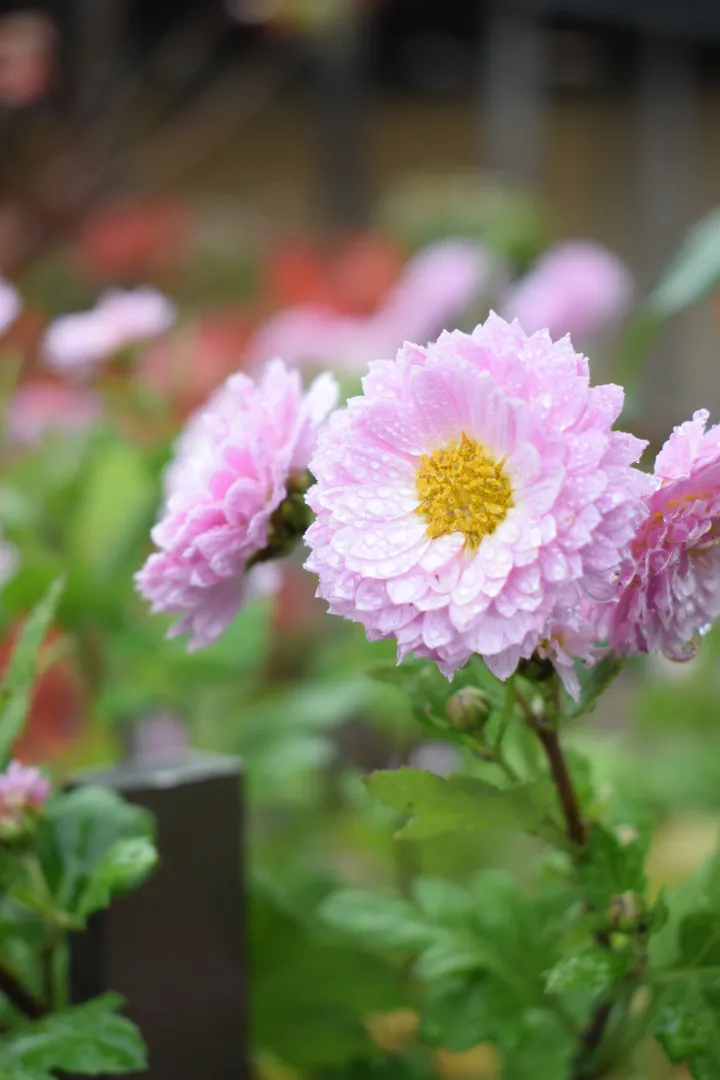
China Aster
Callistephus chinensis
Sow indoors March to April, plant out May. Typical frost risk October to April.
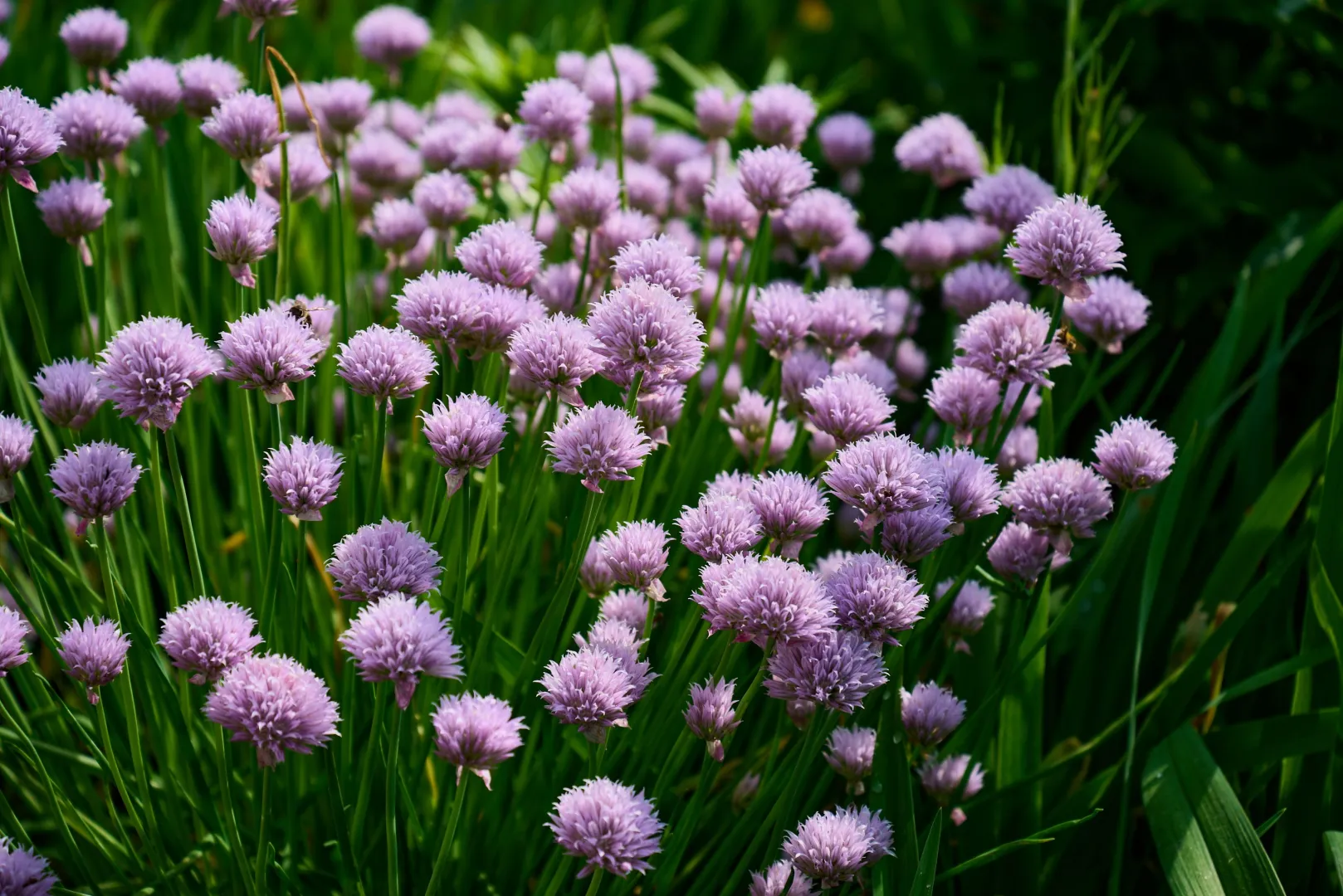
Chives
Allium schoenoprasum
Sow indoors March to April, plant out May. Typical frost risk October to April.
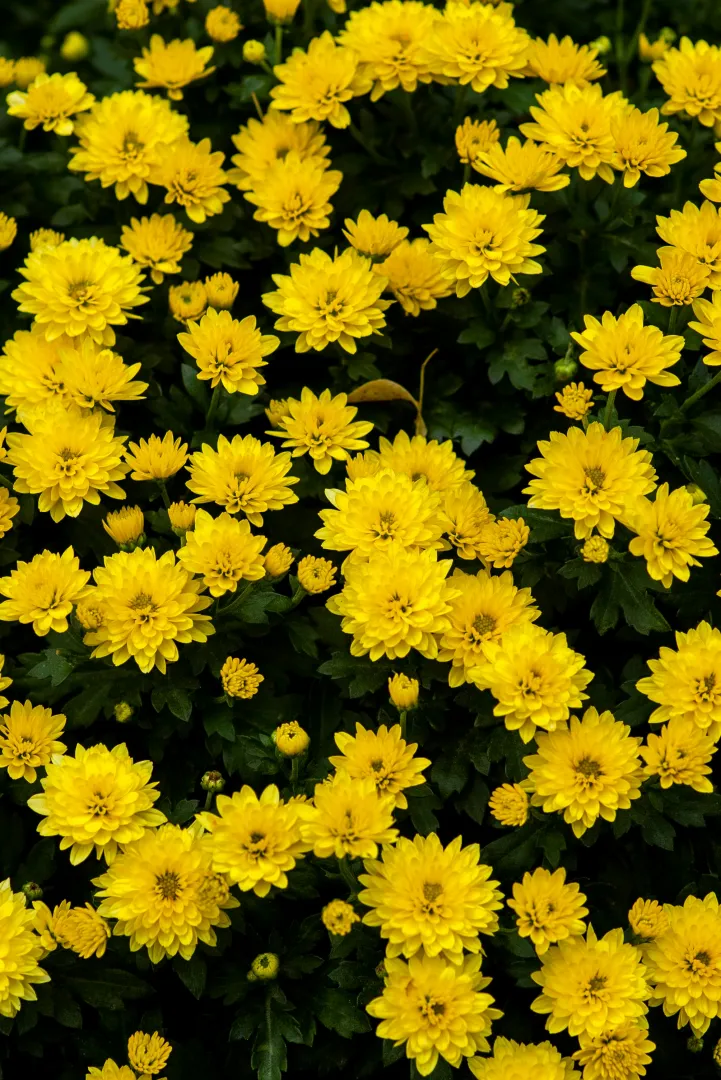
Chrysanthemum
Chrysanthemum x morifolium
Plant out May. Typical frost risk October to April.
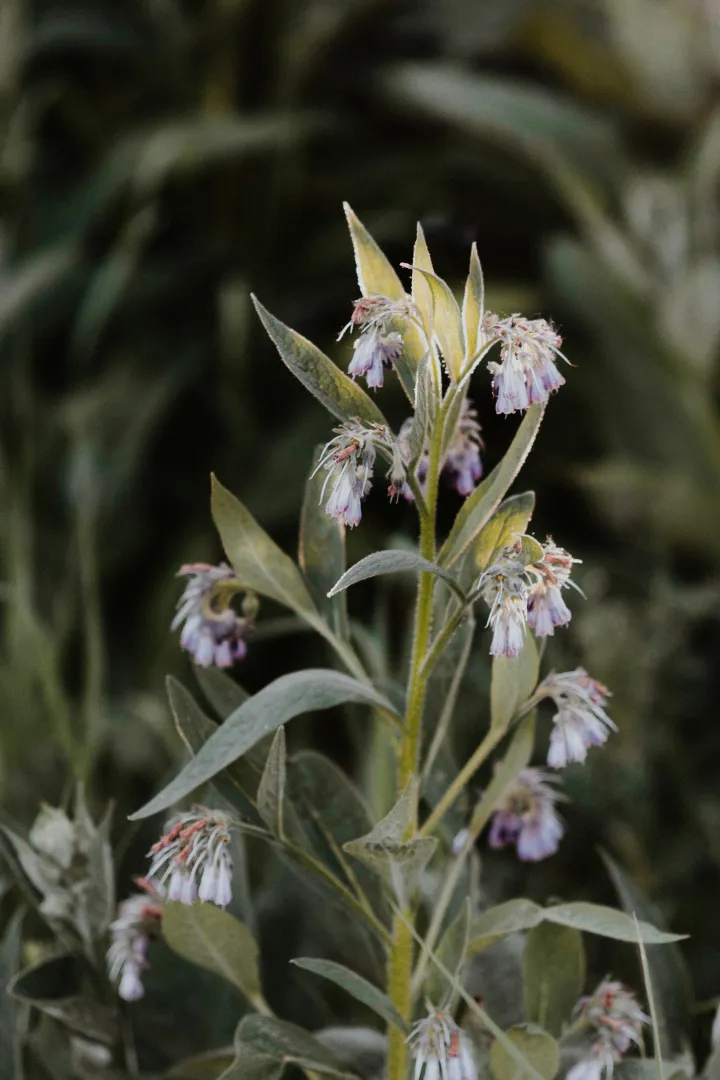
Comfrey
Symphytum officinale
Plant out April to May, harvest May to September. Typical frost risk October to April.
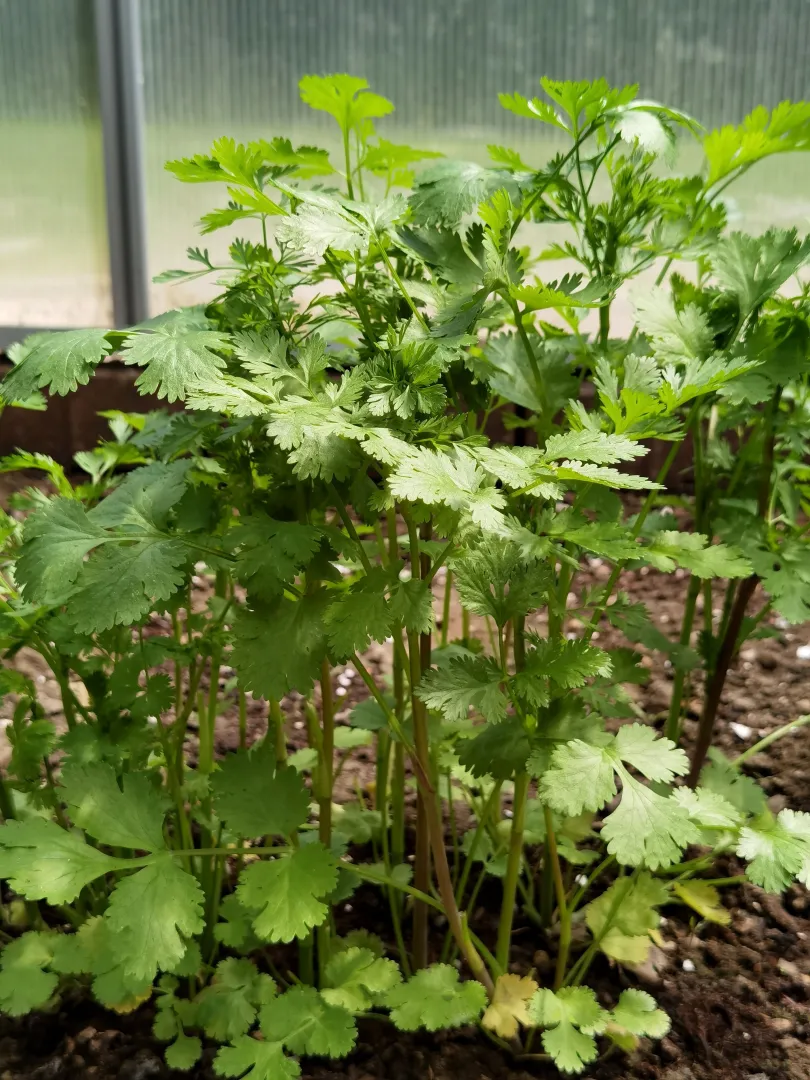
Coriander
Coriandrum sativum
Sow outdoors April to September, harvest May to October. Typical frost risk October to April.
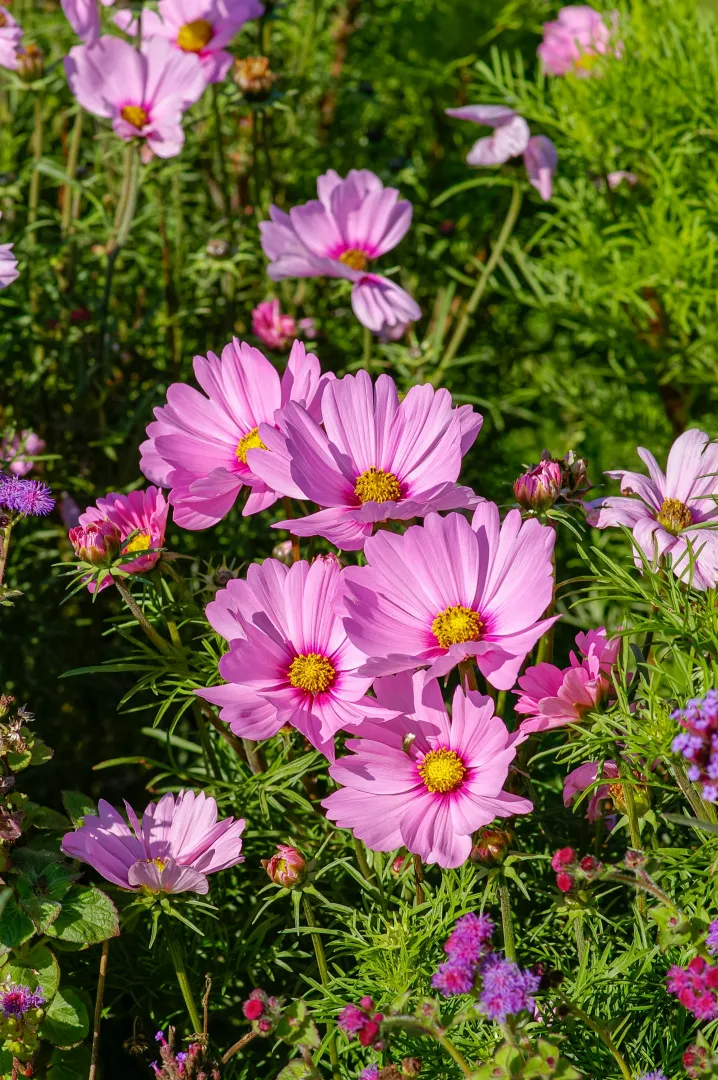
Cosmos
Cosmos bipinnatus
Sow indoors March to April, plant out May. Typical frost risk October to April.