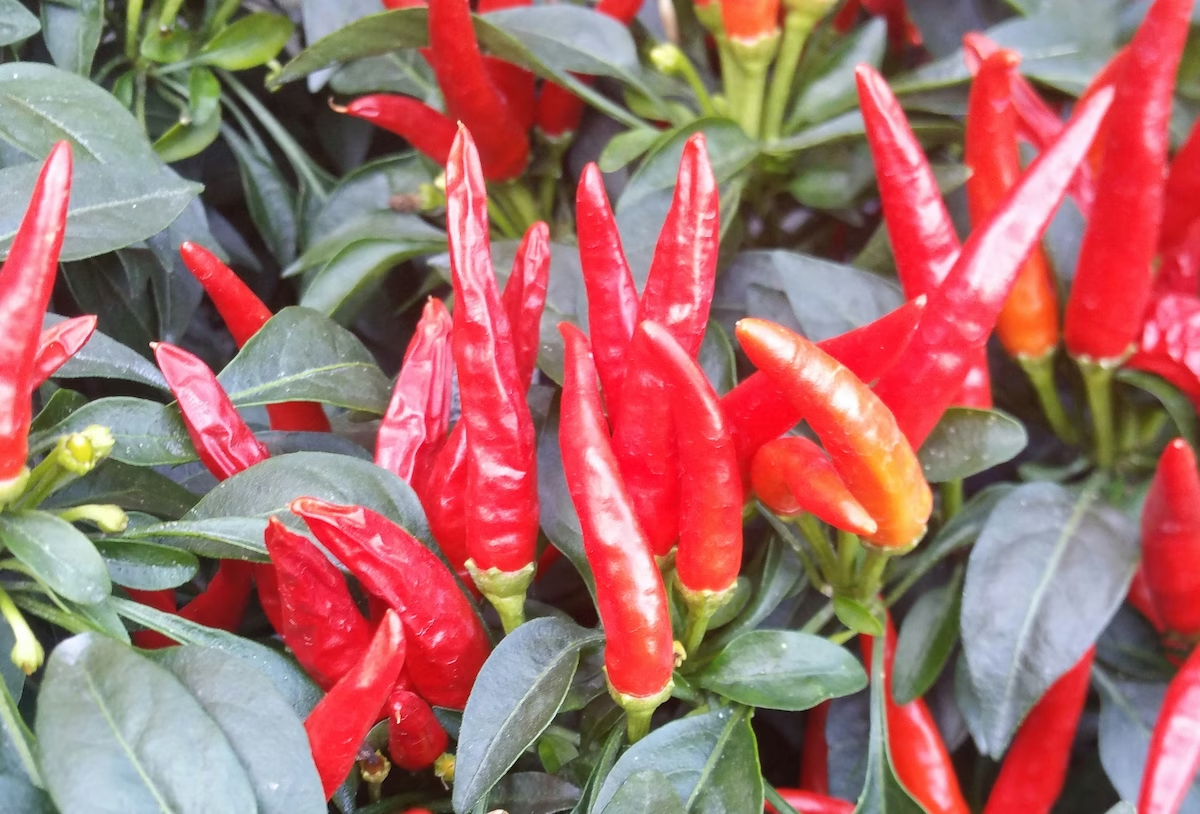
Chilli Peppers in Yoxall
Capsicum annuum
Chilli peppers are tender perennials grown as annuals in the UK, requiring a long, warm season. They thrive in a greenhouse or a sunny, sheltered outdoor spot, producing fruits that range from mild to intensely hot depending on variety and growing conditions.
Growing Guide
Step-by-step instructions for growing Chilli Pepper
Planting Calendar
Growing Guide for
Change the guide to see different planting timelines and tips.
Grow chillies in a greenhouse for the best results in the UK's cool climate, providing warmth and protection from the elements.
1 Sow Seeds Indoors
Sow seeds in a heated propagator at from 23rd January - 7th February. Use seed compost and cover to a depth of . Keep moist and expect germination in 7-14 days.
2 Prick Out Seedlings
Once seedlings have two true leaves, prick them out into small pots from 13th February - 20th February. Handle carefully by the leaves to avoid stem damage and plant at the same depth as before.
3 Pot On and Pinch Out
Pot on into larger pots from 27th February - 6th March when roots fill the container. When plants reach tall, pinch out the growing tip to encourage a bushy shape. Pinch off the first flower bud to boost plant growth.
4 Transplant to Greenhouse
Move plants into their final greenhouse pots or beds from 22nd April - 6th May, spacing them apart. Ensure the greenhouse is ventilated on warm days to prevent overheating.
5 Water and Feed Plants
Water regularly from 5th November, letting the compost dry out slightly between waterings to increase chilli heat. Once flowers appear, feed every 14 days with a high-potash tomato fertiliser until 13th May.
6 Harvest Chillies
Harvest from 5th November by cutting fruits with scissors. Pick green for milder heat or leave to ripen fully to red, yellow, or other colours for maximum heat and sweetness. Continue harvesting until 28th June when frost threatens.
Companion Plants
Plants that grow well (or poorly) with Chilli Pepper
Good Companions
Plants to Avoid
Why Companion Planting Matters
Companion planting can help deter pests, improve pollination, enhance growth, and maximize garden space. Some plants release chemicals that repel pests or attract beneficial insects, while others can improve soil quality or provide shade for sensitive plants.
Suggested Varieties
Popular varieties of Chilli Pepper to consider
Apache
A compact variety ideal for pots, producing small, hot red fruits that mature early in the UK season.
Cayenne
A classic long, thin chilli with medium heat, perfect for drying and using in sauces.
Jalapeño
A popular medium-hot chilli with thick walls, great for fresh eating or pickling.
Related Plants
Explore similar plants you might like
Brussels Sprouts
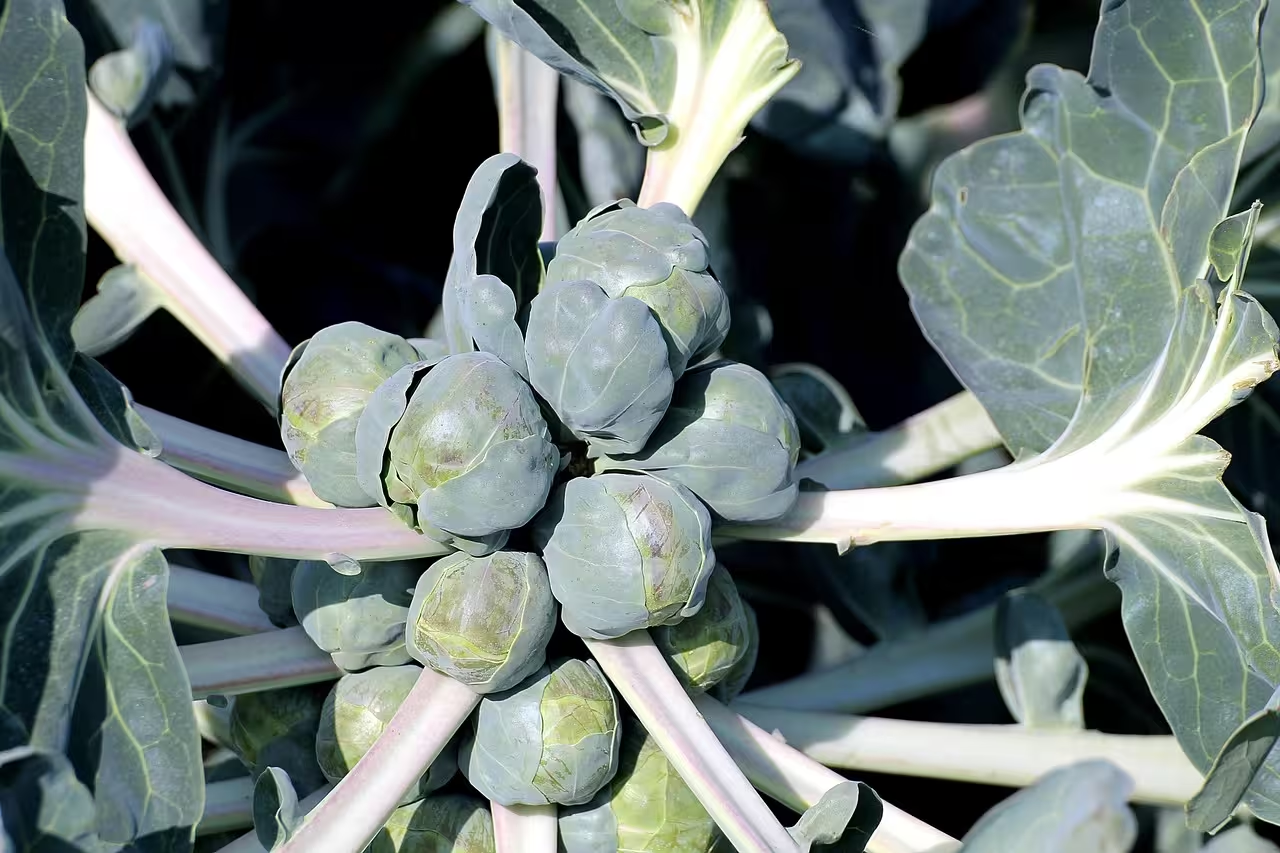
Brussels sprouts are a hardy winter brassica (cabbage family) that form sturdy, leafy stems often around 60–90cm tall. They produce edible mini-cabbage buds along the stem from autumn through winter. Thanks to their cold tolerance, sprouts remain productive into late winter, and frost actually improves their sweetness.
Sweetcorn
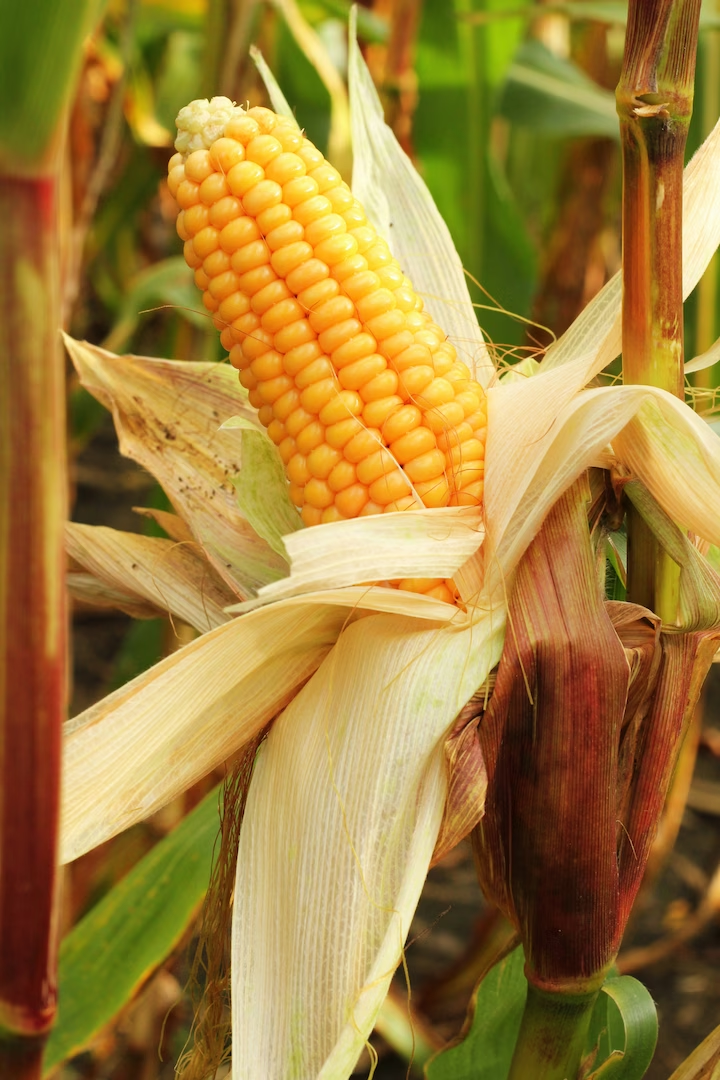
Sweetcorn is a tall annual plant grown for its sweet, juicy cobs. It thrives in warm, sunny conditions and must be planted after the last frost. Plants are wind-pollinated, so for best results grow them in blocks rather than single rows, ensuring well-filled cobs. With good care and warm weather, sweetcorn will reward you with delicious fresh corn-on-the-cob in late summer.
Cucumber
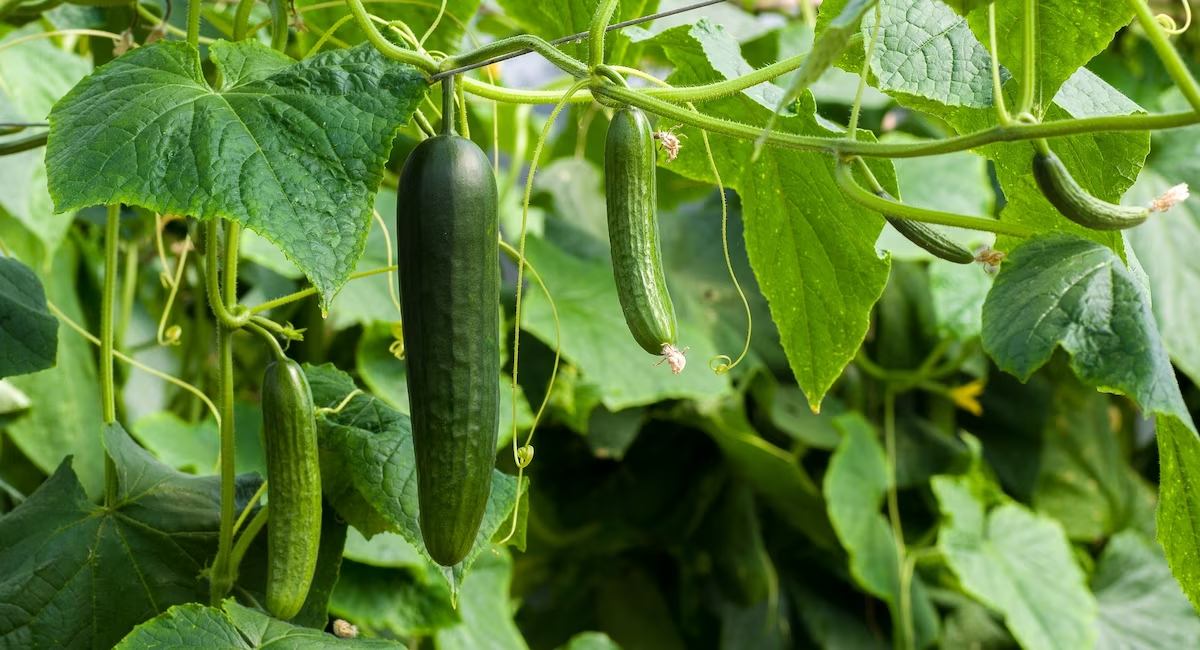
A tender climbing vine grown for its crisp fruits, requiring warm conditions and consistent moisture. In the UK, greenhouse varieties yield earlier and longer, while outdoor ridge types are hardier but need a warm summer.