Charlotte
A popular salad potato with waxy, yellow flesh that holds its shape well when boiled. It's reliable in UK conditions and produces a good crop of uniform tubers.
Solanum tuberosum
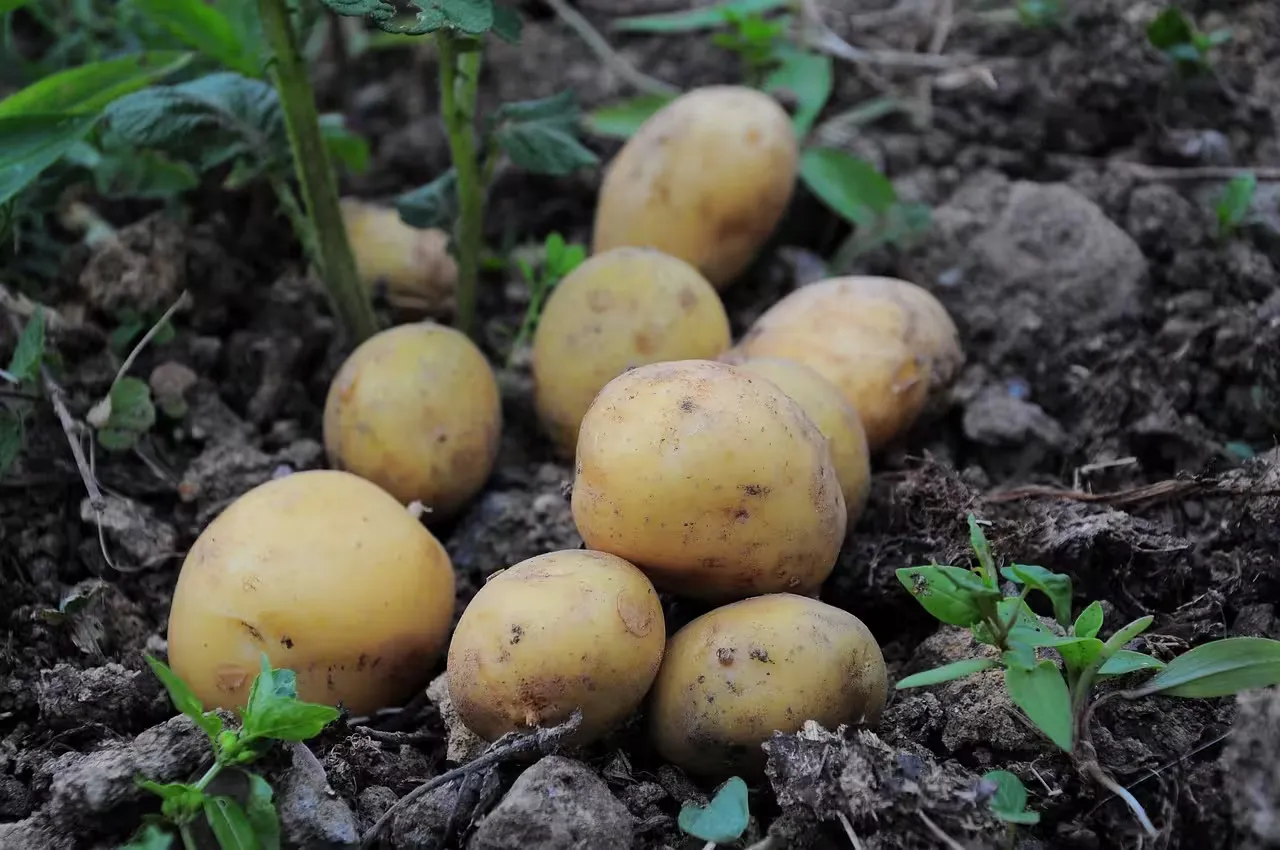
A staple root vegetable grown from seed potatoes, producing tubers underground. In the UK, potatoes are classified as first earlies, second earlies, or maincrop, each with different planting and harvesting times. They thrive in well-drained soil and full sun, and require earthing up to protect tubers from light.
60 cm · Full Sun · Moderate Water
Calibrated to Perth · average last frost around 9 May
| Activity | January | February | March | April | May | June | July | August | September | October | November | December |
|---|---|---|---|---|---|---|---|---|---|---|---|---|
| Sow outdoors | No | No | No | No | Yes | No | No | No | No | No | No | No |
| Harvest | No | No | No | No | No | No | Yes | Yes | Yes | No | No | No |
What to do through the growing season
Change the guide to see different planting timelines and tips.
Growing second early potatoes outdoors for a summer harvest.
01
Chit second-early seed potatoes around 28th February - 30th March. Arrange them in a single layer somewhere cool and light for a few weeks so they develop short, sturdy shoots.
02
Plant chitted second earlies around 2nd May - 23rd May in prepared soil. Set tubers deep and apart, with about between rows. Cover, firm gently and water in. Use fleece if a late frost is forecast.
03
As the second early potato shoots grow to ~15cm, periodically hill up soil around their stems. This protects the young potatoes from sunlight and supports the plant. Continue earthing up every week or two until flowering, leaving just the tops of the plants exposed each time.
04
Lift second-early potatoes through 25th July - 12th September once plants have flowered and the foliage starts to yellow. Dig carefully, allow tubers to dry for a few hours, then use fresh or store briefly somewhere cool and dark.
Popular varieties of Potato to consider
A popular salad potato with waxy, yellow flesh that holds its shape well when boiled. It's reliable in UK conditions and produces a good crop of uniform tubers.
A classic maincrop variety that's widely grown for its versatility and good blight resistance. It's excellent for roasting, chipping and mashing.
An early variety that produces quick crops of white-fleshed potatoes, often ready by June. It's a good choice for gardeners wanting new potatoes early in the season.
A heritage maincrop with distinctive pink eyes and floury white flesh that's ideal for baking and roasting. It stores well and performs reliably across the UK.
An unusual heritage variety with long, knobbly tubers and waxy, flavoursome flesh. It's prized for salads and holds up well in cooler UK summers.
A red-skinned maincrop with good resistance to common scab and drought tolerance. It produces large, floury tubers that are good for baking and mashing.
Explore similar plants you might like
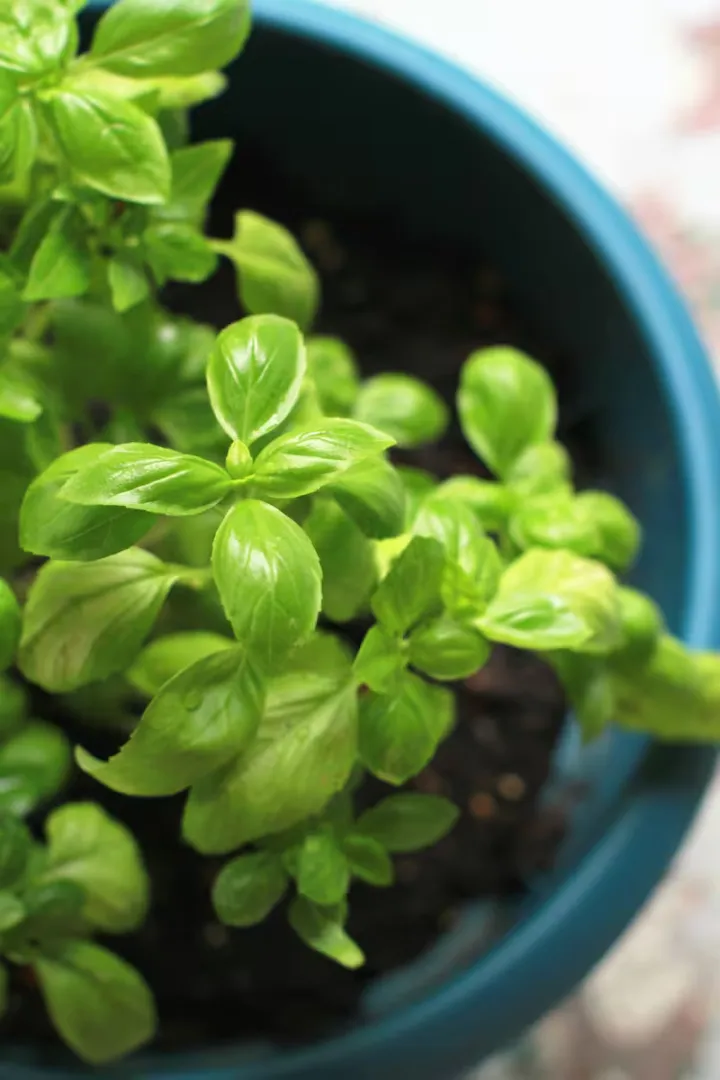
Sow indoors March to April, plant out May to June, harvest July to October. Typical frost risk October to May.
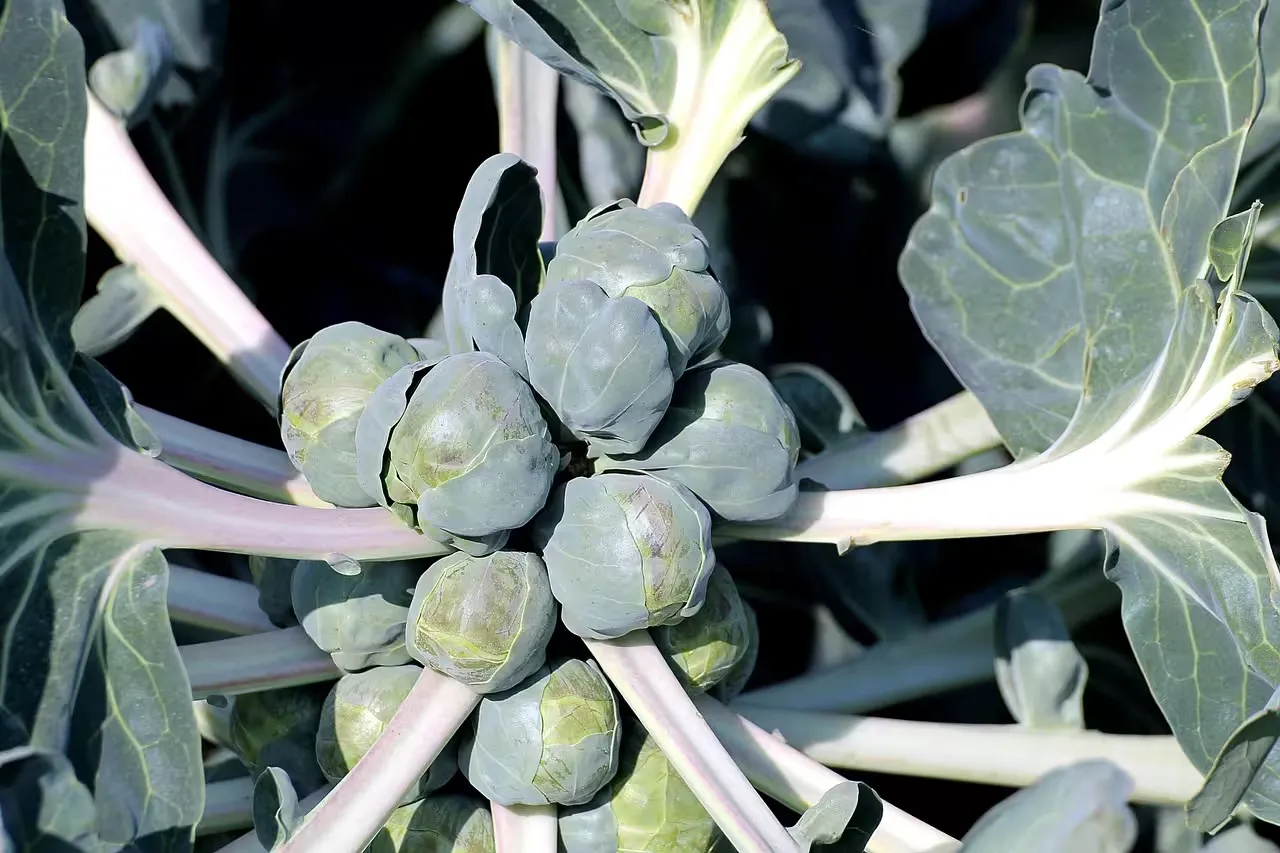
Sow indoors March to April, plant out May to June, harvest September to February. Typical frost risk October to May.
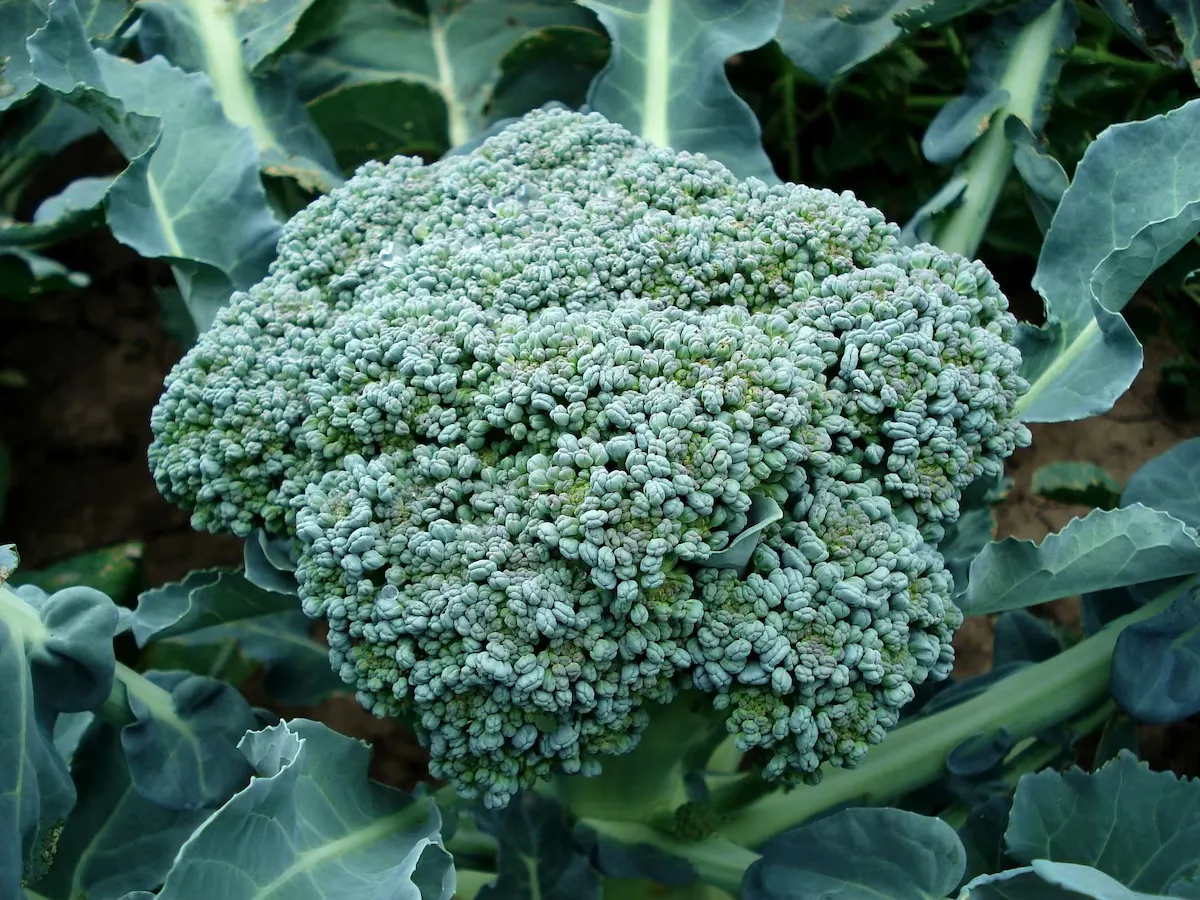
Sow indoors March to April, plant out May to June, harvest July to October. Typical frost risk October to May.