Miyashige
A reliable white-rooted mooli with long, crisp roots and good flavour in cool UK late-summer conditions.
Raphanus sativus var. longipinnatus
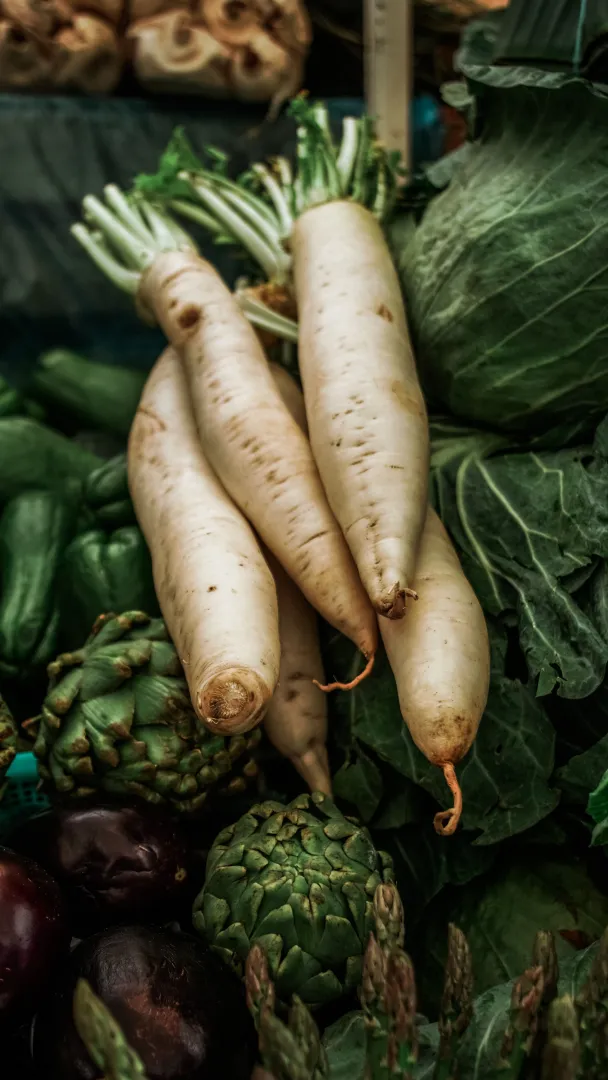
A fast-growing Japanese radish for the UK veg patch. Sow direct into a fine, stone-free soil in summer, keep it well watered, and lift roots once they reach a good size and before they get woody.
40 cm · Full Sun · Moderate Water
Calibrated to Perth · average last frost around 9 May
| Activity | January | February | March | April | May | June | July | August | September | October | November | December |
|---|---|---|---|---|---|---|---|---|---|---|---|---|
| Sow outdoors | No | No | No | No | No | No | Yes | Yes | No | No | No | No |
| Harvest | No | No | No | No | No | No | No | No | No | Yes | No | No |
What to do through the growing season
01
Fork the bed around 11th July - 25th July. Pick out stones and rake to a fine tilth so roots grow straight. Do not add fresh manure. It makes roots fork and split.
02
Sow where the plants are to grow, about deep. Water the drill. Sow a fresh batch every 21 days through 25th July - 15th August. One sowing is enough if the window is short.
03
Cover each sowing with fine insect mesh straight after sowing and seal the edges. Keep it on from 25th July through 9th October so cabbage root fly cannot lay eggs.
04
After each sowing, thin to apart once seedlings are up. Thin in stages if the row is crowded, so you do not disturb nearby roots.
05
After each sowing, water evenly from 25th July through 9th October. Uneven moisture makes roots split or go pithy. Keep the bed weed-free. Flea beetle holes look worse than they are.
06
Lift roots from 3rd October, about 8 to 10 weeks after sowing. Pull them before they go woody, and keep lifting through 9th October.
Tap a plant to see why it works (or doesn't) with Mooli.
Companion planting can deter pests, improve pollination, and make better use of space. Some plants confuse pests or attract beneficial insects; others improve soil or offer shade to neighbours that need it.
Popular varieties of Mooli to consider
A reliable white-rooted mooli with long, crisp roots and good flavour in cool UK late-summer conditions.
A common fast-maturing daikon type that gives straight roots and is useful where the season is short.
A large Japanese radish type grown for bigger roots, best given deep, fine soil and enough moisture.
Explore similar plants you might like
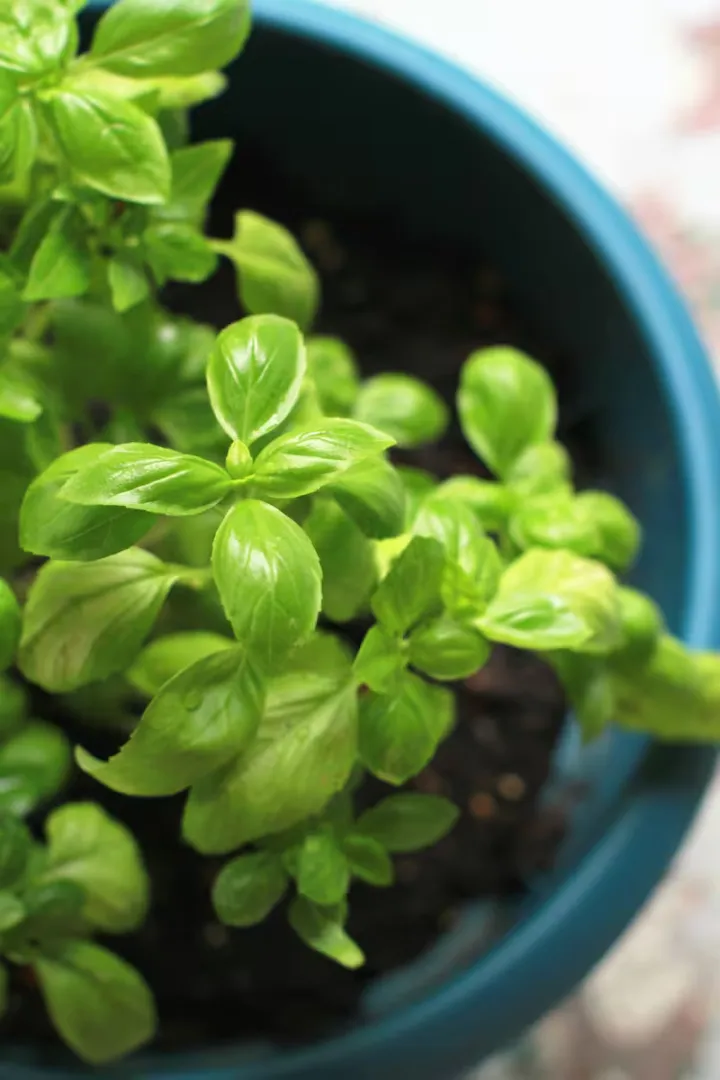
Sow indoors March to April, plant out May to June, harvest July to October. Typical frost risk October to May.
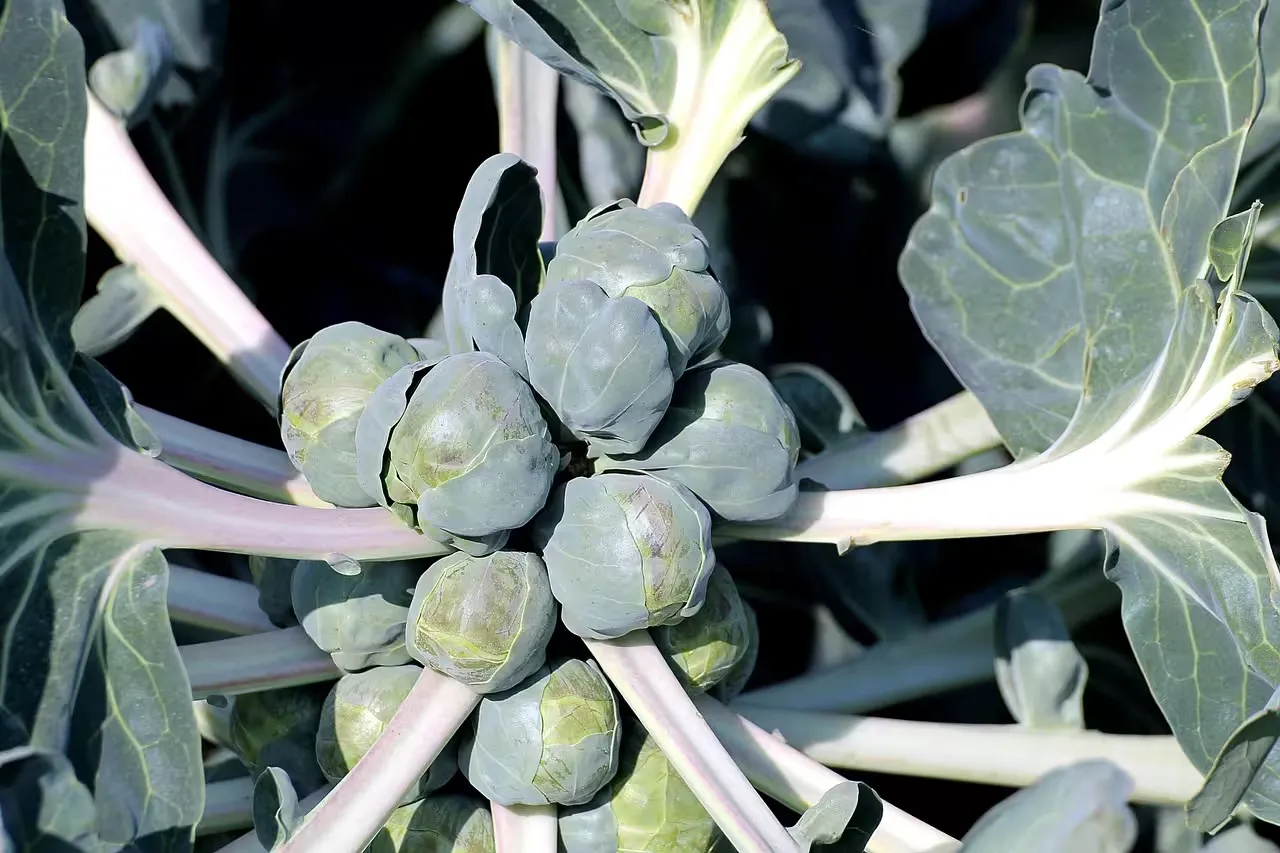
Sow indoors March to April, plant out May to June, harvest September to February. Typical frost risk October to May.
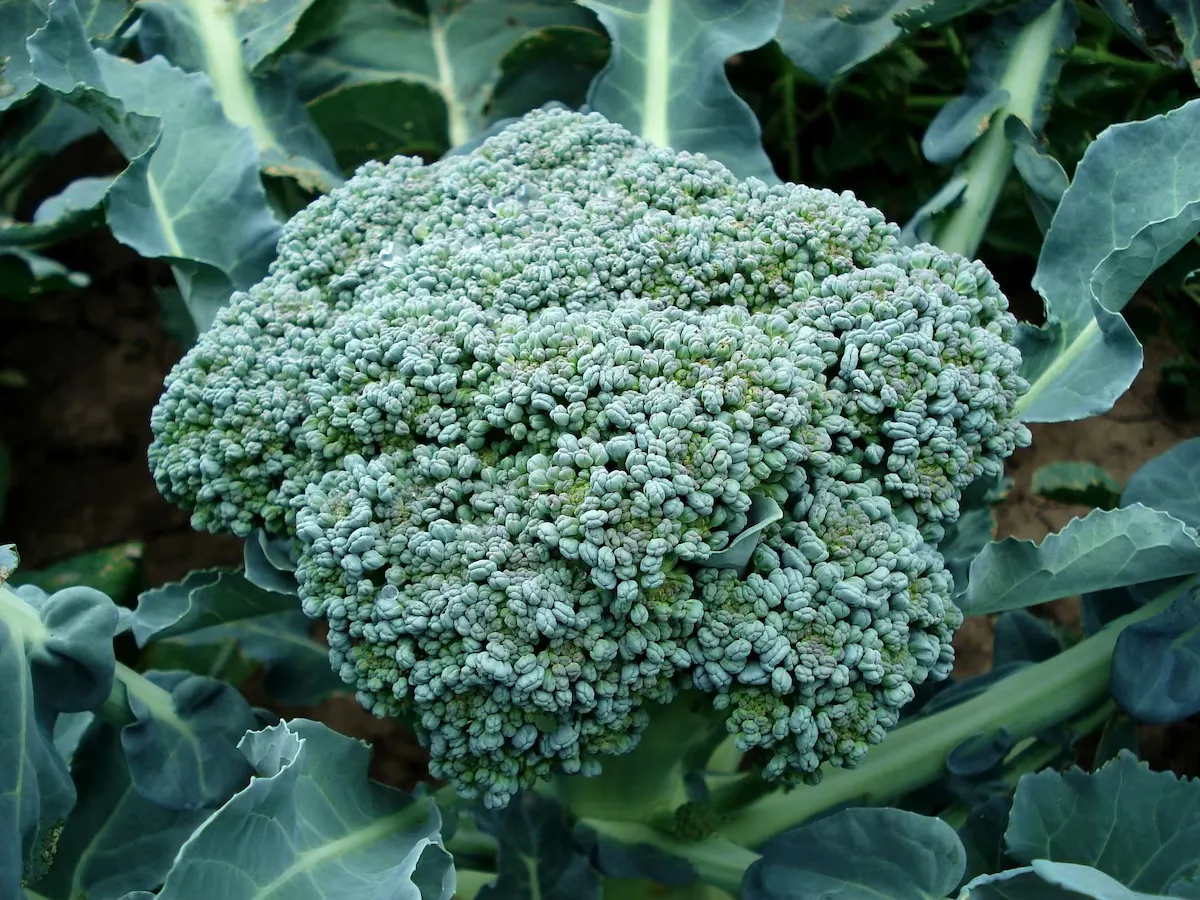
Sow indoors March to April, plant out May to June, harvest July to October. Typical frost risk October to May.