Excelsior Hybrids
Mixed-colour foxgloves with tall, dependable flower spikes for cottage gardens.
Digitalis purpurea
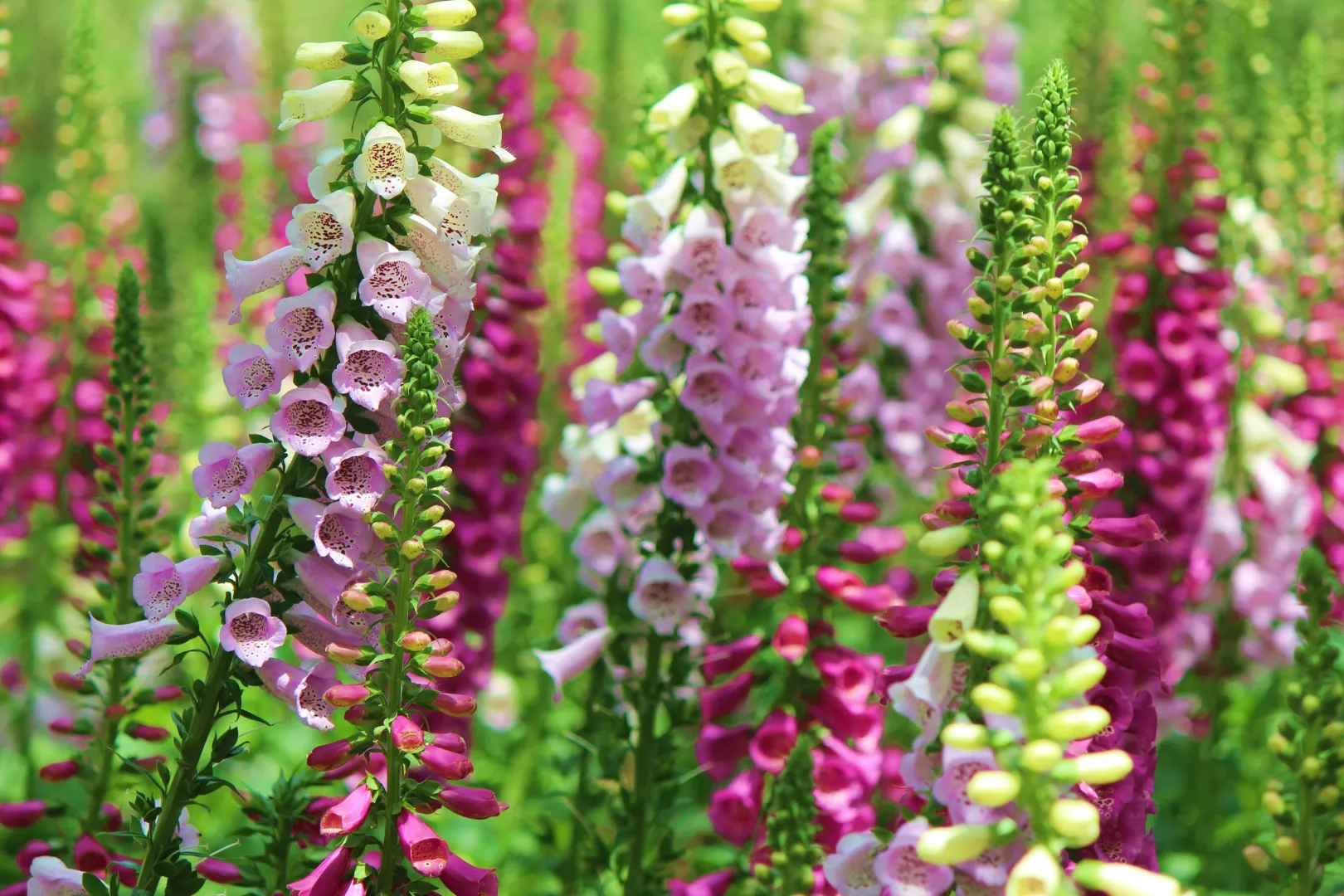
A hardy biennial for UK gardens. Sow this year, move sturdy plants into place, and they flower the next year. They often self-seed if you leave a few spikes. All parts are toxic. Wear gloves and wash your hands after handling.
150 cm · Partial Shade · Moderate Water
Calibrated to Perth · average last frost around 9 May
| Activity | January | February | March | April | May | June | July | August | September | October | November | December |
|---|---|---|---|---|---|---|---|---|---|---|---|---|
| Sow indoors | No | No | No | No | Yes | Yes | Yes | No | No | No | No | No |
| Plant out | No | No | No | No | No | No | Yes | Yes | Yes | No | No | No |
| Harvest | No | No | No | No | Yes | Yes | Yes | Yes | Yes | No | No | No |
What to do through the growing season
01
Sow in trays around 23rd May - 11th July. Press seed onto the surface and leave it uncovered. Keep just moist. Wear gloves. Wash your hands. All parts are toxic if eaten, including for pets.
02
When seedlings are large enough to handle, from 13th June - 22nd August, prick them into pots, or thin a seedbed so the strongest have room.
03
Move sturdy rosettes around 26th July - 29th September. Space apart in moist, free-draining soil with some shade. Water in. Wear gloves.
04
From 26th July, protect seedlings and new rosettes from slugs. Water in dry spells.
05
Spikes open next summer, from 23rd May 2028 through 9th September 2028. They will not flower in the year you sow. Deadhead spent spikes to keep the display going. Leave a few if you want self-sown plants later.
Tap a plant to see why it works (or doesn't) with Foxglove.
Companion planting can deter pests, improve pollination, and make better use of space. Some plants confuse pests or attract beneficial insects; others improve soil or offer shade to neighbours that need it.
Popular varieties of Foxglove to consider
Mixed-colour foxgloves with tall, dependable flower spikes for cottage gardens.
A softer apricot-pink form that works well in partial shade.
A white foxglove with clean-looking spikes that brightens darker corners.
Cream flowers with rich maroon markings inside each bloom.
Explore similar plants you might like
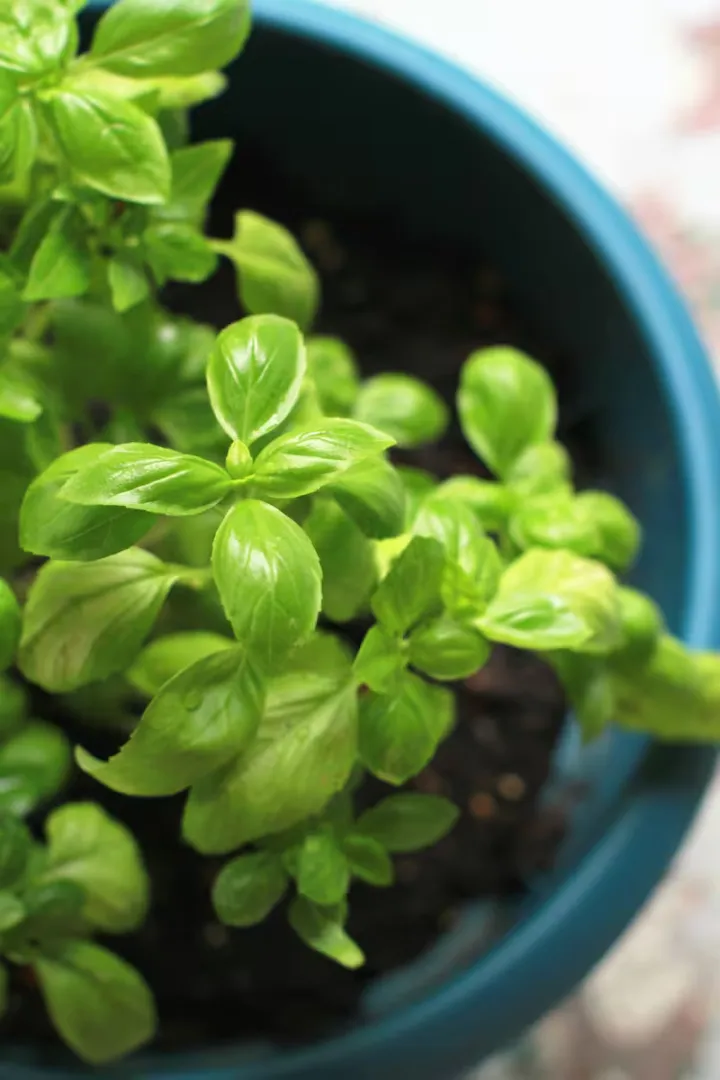
Sow indoors March to April, plant out May to June, harvest July to October. Typical frost risk October to May.
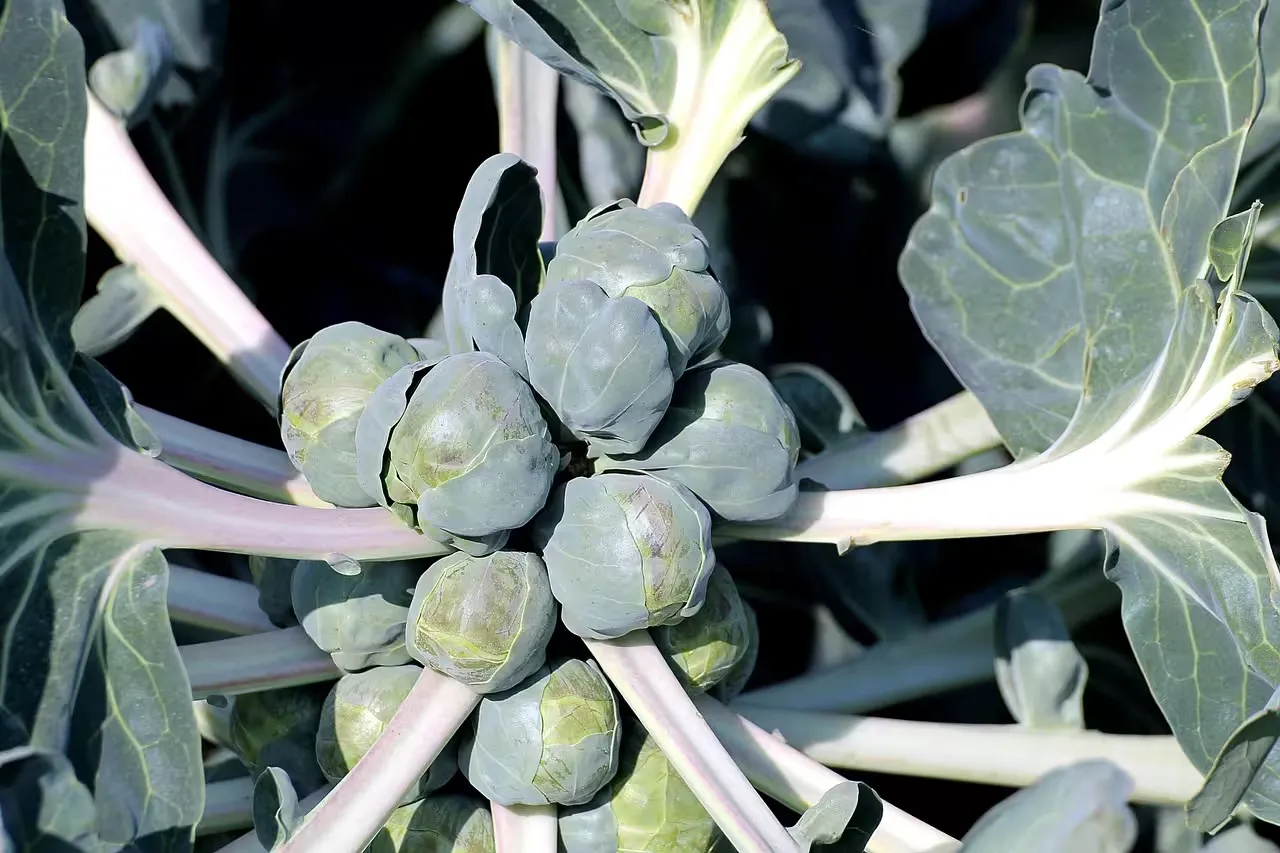
Sow indoors March to April, plant out May to June, harvest September to February. Typical frost risk October to May.

Sow indoors March to April, plant out May to June, harvest July to October. Typical frost risk October to May.