Matsumoto
A reliable group with large, single flowers on strong stems, good for cutting and borders.
Callistephus chinensis
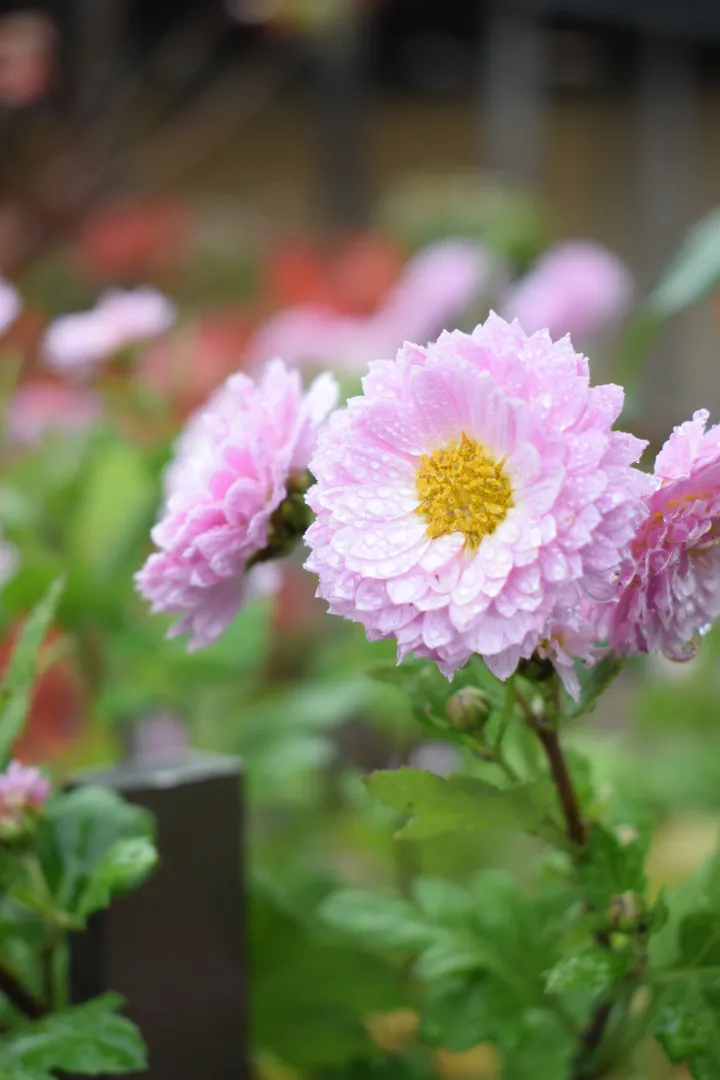
A half-hardy annual grown for long-lasting late summer colour. Sow under cover in the UK, harden off carefully, then plant out once frost risk has passed in a sheltered, sunny spot with free-draining soil.
60 cm · Full Sun · Moderate Water
Calibrated to Penrhosfeilw · last frost ≈ 30 Mar
| Activity | January | February | March | April | May | June | July | August | September | October | November | December |
|---|---|---|---|---|---|---|---|---|---|---|---|---|
| Sow indoors | No | Yes | Yes | No | No | No | No | No | No | No | No | No |
| Plant out | No | No | No | Yes | No | No | No | No | No | No | No | No |
Step-by-step instructions for growing China Aster
01
Sow seeds in trays or modules around 13th February - 9th March in a light seed compost. Cover with a shallow layer of compost and keep at until they germinate. Keep the compost just moist, not wet.
02
When seedlings are large enough to handle, prick them out from 11th March into small pots. Handle them by the leaves and keep them growing on in bright light so they do not go leggy.
03
Start hardening off from 16th March and give them around 10 days to adjust. Put plants outside during the day at first, then leave them out for longer so they settle before planting.
04
Plant out from 13th April into fertile, well-drained soil once all frost risk has passed. Space plants apart, water in thoroughly straight after planting, and keep them sheltered from strong wind.
05
Start deadheading from 20th May and keep going until 29th November. Remove fading flowers regularly so the plant does not set seed, which keeps it producing more blooms right through to the autumn frosts. Keep the soil evenly moist in dry spells and pinch out any weak or floppy growth.
Tap a plant to see why it works (or doesn't) with China Aster.
Companion planting can deter pests, improve pollination, and make better use of space. Some plants confuse pests or attract beneficial insects; others improve soil or offer shade to neighbours that need it.
Popular varieties of China Aster to consider
A reliable group with large, single flowers on strong stems, good for cutting and borders.
Compact plants with double flowers, useful in pots and at the front of a border.
Tall, cutting-type plants with full flowers and good stem length.
Explore similar plants you might like
See how China Aster timing shifts in other towns with different frost dates.