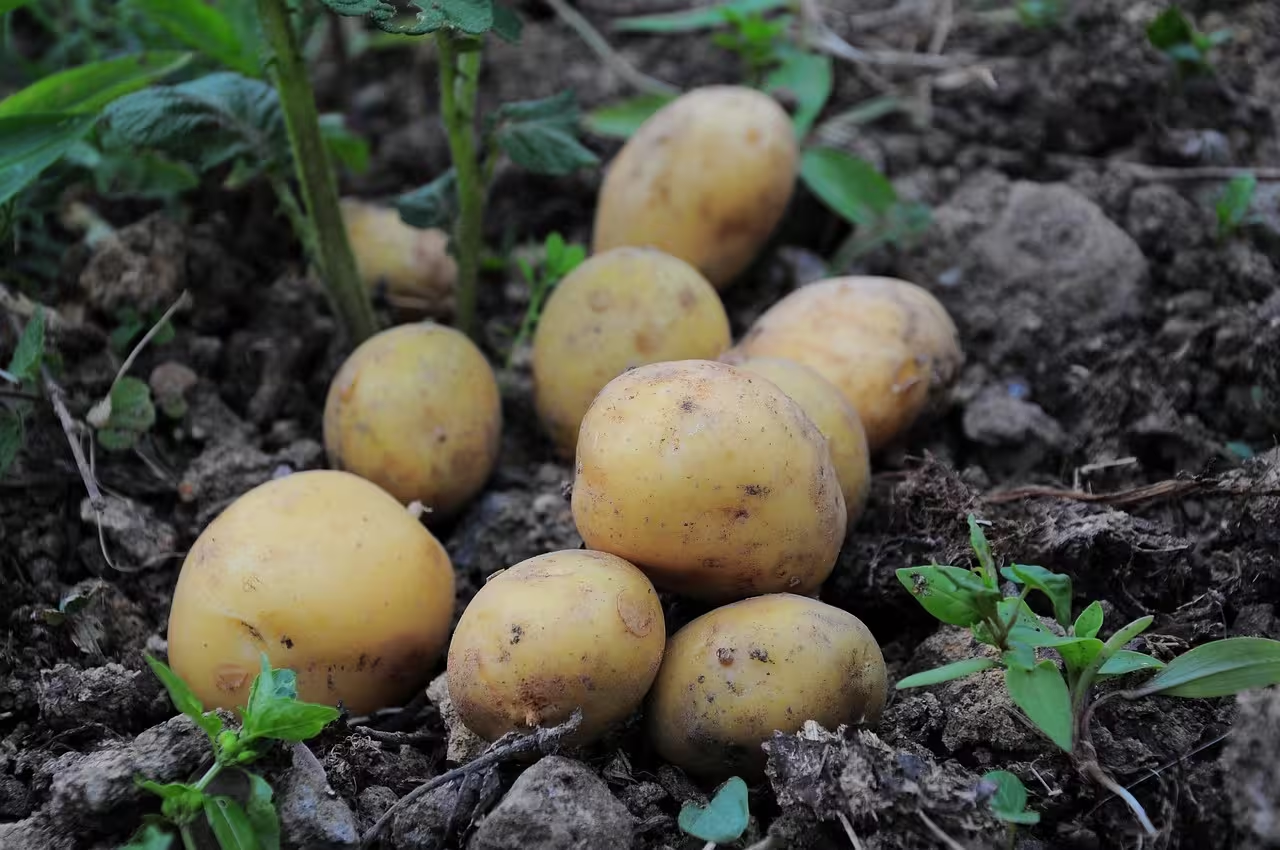
Potatoes in Newcastle
Solanum tuberosum
A staple root vegetable grown from seed potatoes, producing tubers underground. In the UK, potatoes are classified as first earlies, second earlies, or maincrop, each with different planting and harvesting times. They thrive in well-drained soil and full sun, and require earthing up to protect tubers from light.
Growing Guide
Step-by-step instructions for growing Potato
Planting Calendar
Growing Guide for
Change the guide to see different planting timelines and tips.
Grow potatoes in bags for a festive harvest in December. Plant in late summer and move indoors before frost.
1 Chit Seed Potatoes
Place seed potatoes eyes-up in egg boxes in a cool, light place from 28th June - 18th July. This encourages sturdy shoots over 4–6 weeks before planting.
2 Plant in Bags
Plant chitted potatoes in large bags or containers from 18th July - 7th August. Use compost and plant deep. Space bags in a sunny spot outdoors.
3 Earth Up and Water
Add compost to earth up the stems as they grow from 18th August - 20th October. Water regularly to keep the compost moist, but avoid overwatering to prevent rot.
4 Move Indoors
Move the bags into a frost-free greenhouse or shed from 22nd September - 6th October before the first autumn frost. This protects the plants and allows continued growth.
5 Harvest for Christmas
Harvest potatoes as needed from 25th November - 25th December. Gently rummage in the bags to lift fresh tubers for festive meals. They won't store long, so use promptly.
Companion Plants
Plants that grow well (or poorly) with Potato
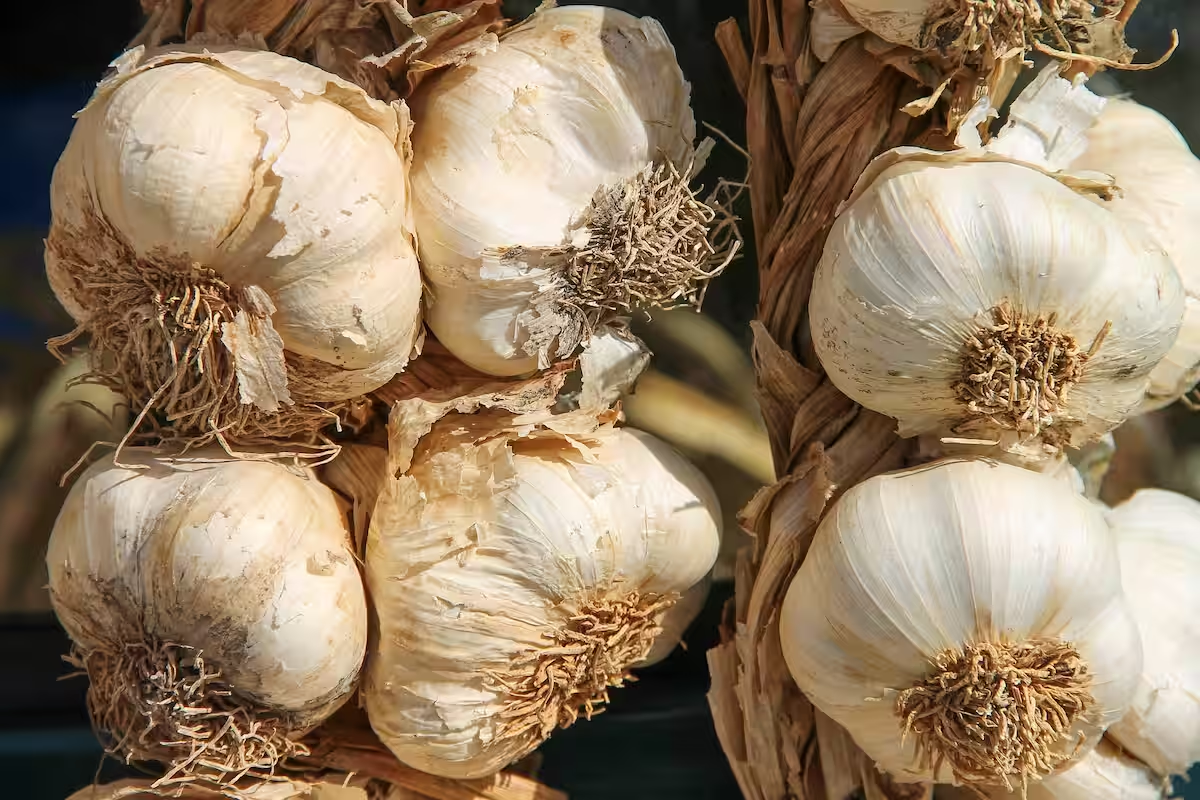
Plants to Avoid
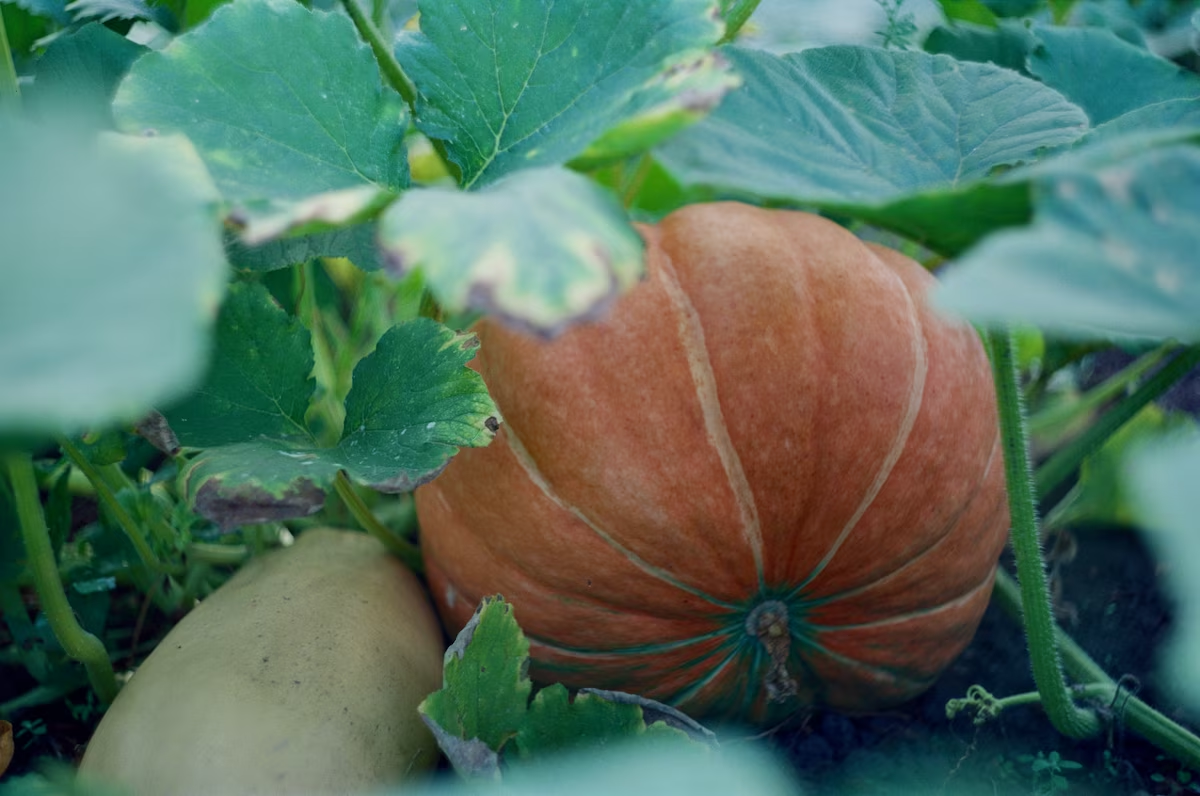
Pumpkin
Pumpkins have vigorous growth that can smother potato plants and compete for space and nutrients.
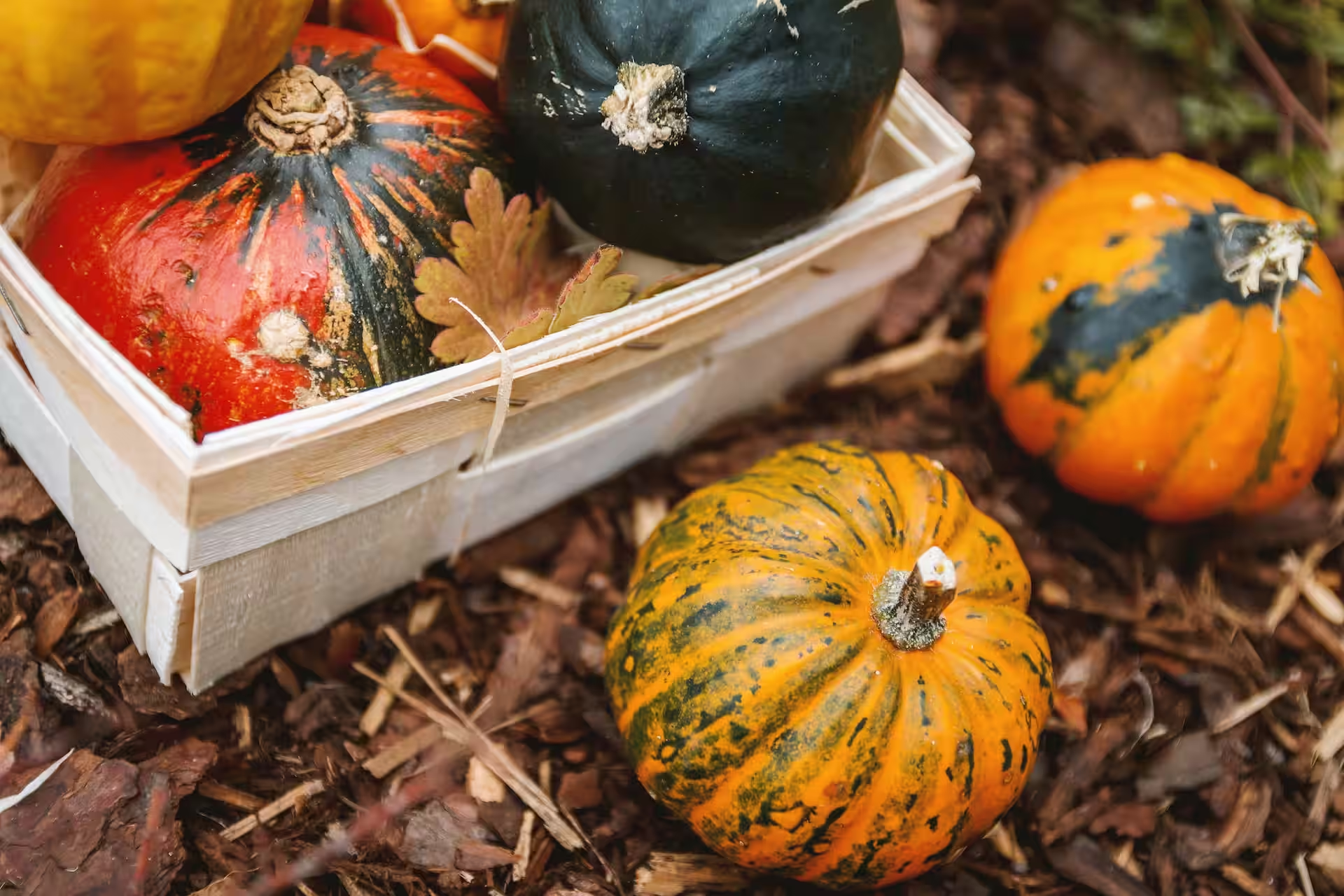
Squash
Squash plants spread widely and can overshadow potatoes, reducing their sunlight and growth.
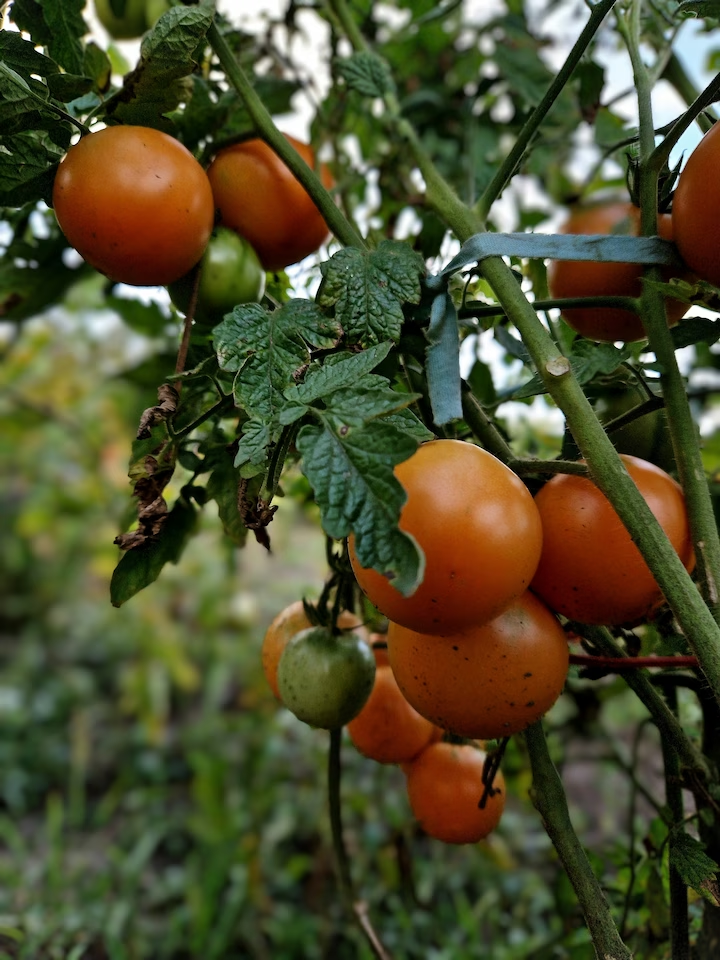
Tomato
Tomatoes and potatoes are both susceptible to blight and can spread the disease to each other.
Why Companion Planting Matters
Companion planting can help deter pests, improve pollination, enhance growth, and maximize garden space. Some plants release chemicals that repel pests or attract beneficial insects, while others can improve soil quality or provide shade for sensitive plants.
Suggested Varieties
Popular varieties of Potato to consider
Charlotte
A popular salad potato with waxy, yellow flesh that holds its shape well when boiled. It's reliable in UK conditions and produces a good crop of uniform tubers.
Maris Piper
A classic maincrop variety that's widely grown for its versatility and good blight resistance. It's excellent for roasting, chipping and mashing.
Rocket
An early variety that produces quick crops of white-fleshed potatoes, often ready by June. It's a good choice for gardeners wanting new potatoes early in the season.
King Edward
A heritage maincrop with distinctive pink eyes and floury white flesh that's ideal for baking and roasting. It stores well and performs reliably across the UK.
Pink Fir Apple
An unusual heritage variety with long, knobbly tubers and waxy, flavoursome flesh. It's prized for salads and holds up well in cooler UK summers.
Cara
A red-skinned maincrop with good resistance to common scab and drought tolerance. It produces large, floury tubers that are good for baking and mashing.
Related Plants
Explore similar plants you might like
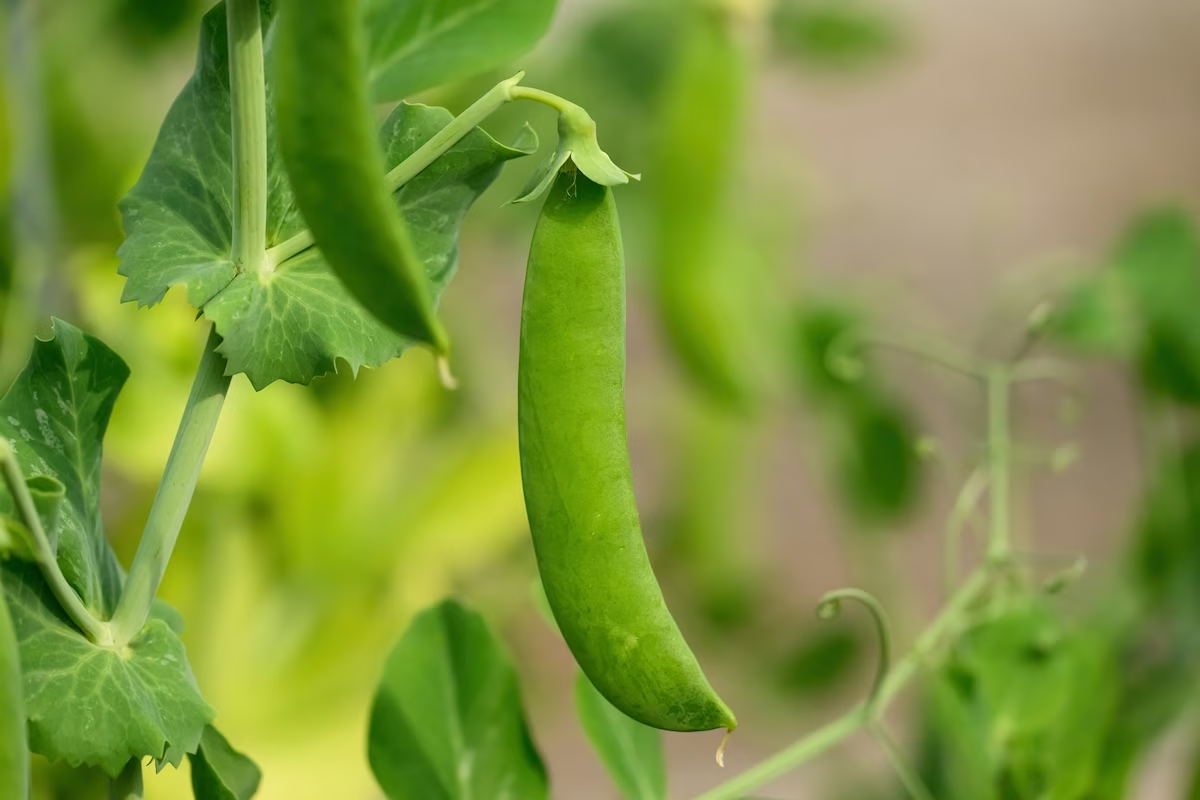
Peas
A cool-season legume grown for its sweet pods or shelling peas. In the UK, peas thrive in early spring and autumn, needing support and protection from pests like mice and pigeons.
Pumpkin
Pumpkins are vigorous annual vines grown for their large, colourful autumn fruits. They thrive in warm, sunny conditions and produce long, sprawling stems that can easily run several metres. Pumpkins are frost-tender and need a good, rich soil and consistent watering through summer. With enough warmth and space, they reward you with hard-skinned fruits that store well and are ideal for both cooking and seasonal decoration.
Squash
Squash come in summer and winter types, offering versatile fruits from tender courgette-like harvests to hard-skinned varieties that store through winter. They're vigorous plants that love sun and rich soil, producing colourful, flavourful crops perfect for roasting, soups, or stuffing. With trailing or compact options, there's a squash for every garden size.