Bishop of Llandaff
A classic variety with dark foliage and bright red flowers, ideal for borders and excellent for pollinators.
Dahlia pinnata
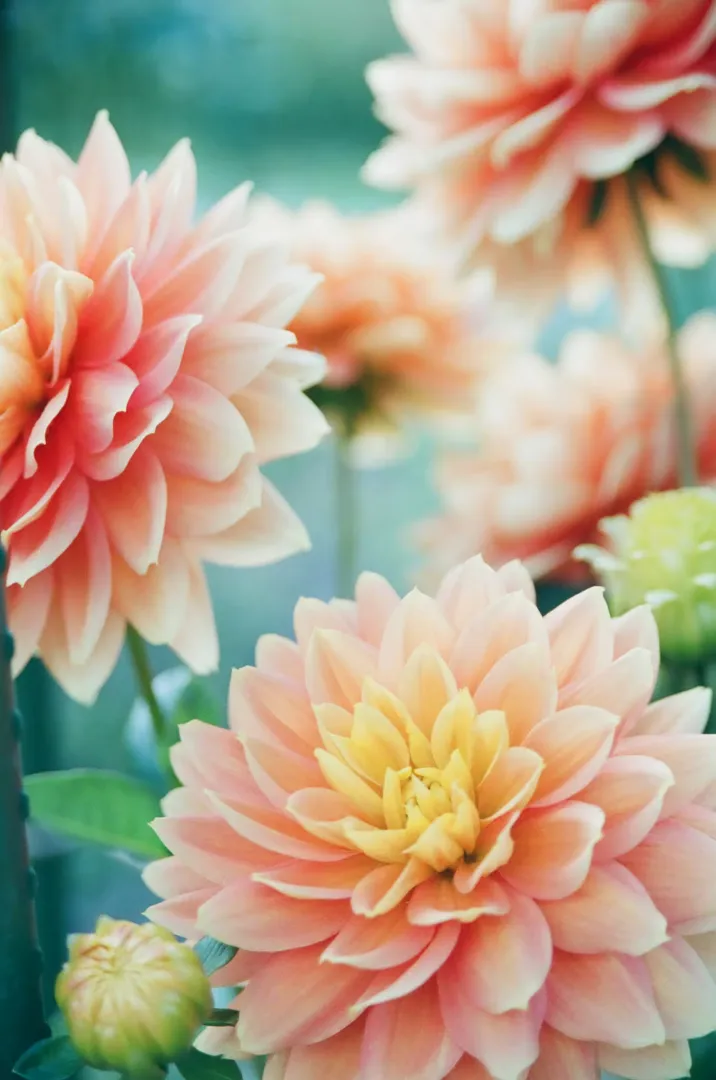
Show-stopping tuberous perennials that provide a spectacular display of colour from mid-summer right up until the first frosts. Ranging from enormous 'dinner plate' blooms to intricate pompoms and open-centred varieties that bees adore, they are a staple of the late summer UK garden.
100 cm · Full Shade · High Water
Calibrated to Little Lyde · last frost ≈ 4 May
| Activity | January | February | March | April | May | June | July | August | September | October | November | December |
|---|---|---|---|---|---|---|---|---|---|---|---|---|
| Sow indoors | No | No | Yes | Yes | No | No | No | No | No | No | No | No |
| Plant out | No | No | No | Yes | Yes | Yes | No | No | No | No | No | No |
Step-by-step instructions for growing Dahlia
Change the guide to see different planting timelines and tips.
The most common UK method, starting tubers indoors in spring and planting out after frosts for summer blooms.
01
Place tubers in trays with moist compost, eye-side up, and cover lightly. Keep at in a bright spot indoors from 23rd March - 6th April. Water sparingly until shoots appear.
02
Once shoots are tall, pot each tuber into individual containers with multi-purpose compost from 20th April - 27th April. Grow on in a bright, frost-free place.
03
Gradually acclimatise plants to outdoor conditions over 10-14 days from 11th May - 18th May. Place outside during the day and bring in at night, avoiding frost.
04
Transplant into well-drained, fertile soil in full sun after frosts from 18th May - 1st June. Space plants apart and water in well. Use fleece if cold nights are forecast.
05
Insert stakes at planting to support tall stems. Pinch out the growing tip when plants reach to encourage bushiness from 1st June - 8th June.
06
Water regularly to keep soil moist, especially in dry spells. Feed every 14 days with a high-potash fertiliser from 8th June to boost flowering. Stop feeding by 30th September.
07
Remove spent flowers weekly from 20th July to encourage continuous blooms. Cut back to a leaf joint to promote new buds.
08
After the first frost blackens foliage, cut stems back and carefully lift tubers from 21st October - 4th November. Dry, label, and store in frost-free conditions in dry compost or sand over winter.
Tap a plant to see why it works (or doesn't) with Dahlia.
Companion planting can deter pests, improve pollination, and make better use of space. Some plants confuse pests or attract beneficial insects; others improve soil or offer shade to neighbours that need it.
Popular varieties of Dahlia to consider
A classic variety with dark foliage and bright red flowers, ideal for borders and excellent for pollinators.
Popular for weddings, with large, creamy-pink blooms that can reach up to 25cm across.
A compact bedding type, perfect for containers, with prolific flowering in mixed colours.
Explore similar plants you might like
See how Dahlia timing shifts in other towns with different frost dates.