Black Star
Deep burgundy-red flowers with good stem length for cutting.
Gladiolus spp.
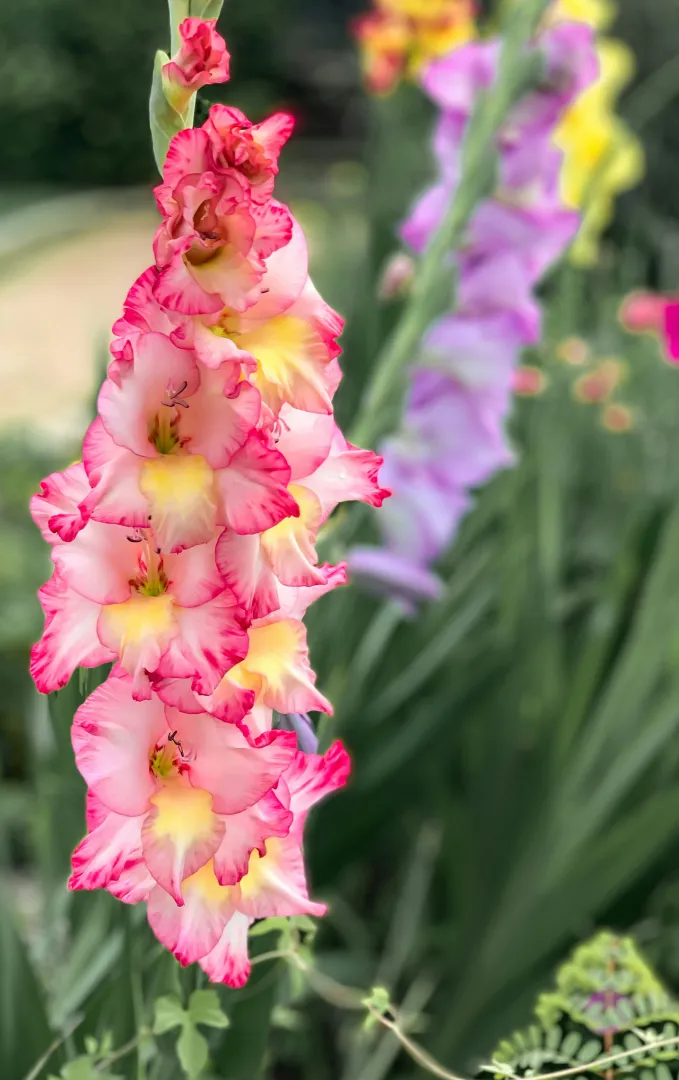
Half-hardy corms grown for tall summer flower spikes. Plant corms in a sunny, sheltered spot after frost risk has passed, or start them in pots under cover for an earlier display.
120 cm · Full Sun · Moderate Water
Calibrated to Glasgow · average last frost around 25 Apr
| Activity | January | February | March | April | May | June | July | August | September | October | November | December |
|---|---|---|---|---|---|---|---|---|---|---|---|---|
| Plant out | No | No | Yes | Yes | Yes | No | No | No | No | No | No | No |
| Harvest | No | No | No | No | No | No | Yes | Yes | Yes | Yes | No | No |
What to do through the growing season
01
Plant corms around 14th March - 23rd May. Set them with the pointed end up, at a depth of , and space them apart. Keep the earliest plantings under cover in pots if frost is still a risk, then stagger further plantings every 14 days for a longer display.
02
Move pot-grown corms into their final position from 9th May, once the soil has warmed and frost risk has passed. Water them in thoroughly straight after planting, then put in canes or discreet supports before the stems get tall so wind does not rock the corms loose.
03
From 18th July to 25th October, cut spikes for the house when the lowest florets begin to open. Remove spent flowers so the plant doesn't waste energy on seed, and keep the corms watered and fed during dry spells to build them up for next year's display.
04
After 25th October - 8th November, once frost has blackened the foliage, cut the stems down, lift the corms and dry them for a few days in a warm airy place. Store them frost-free in dry compost or peat-free dry material. In mild areas with free-draining soil, a thick dry mulch can sometimes be enough to keep them in place.
Popular varieties of Gladiolus to consider
Deep burgundy-red flowers with good stem length for cutting.
Classic bright red spikes, widely grown in UK gardens.
White flowers with a red edge, useful for a lighter colour scheme.
Large pink-and-white blooms on strong stems.
Explore similar plants you might like
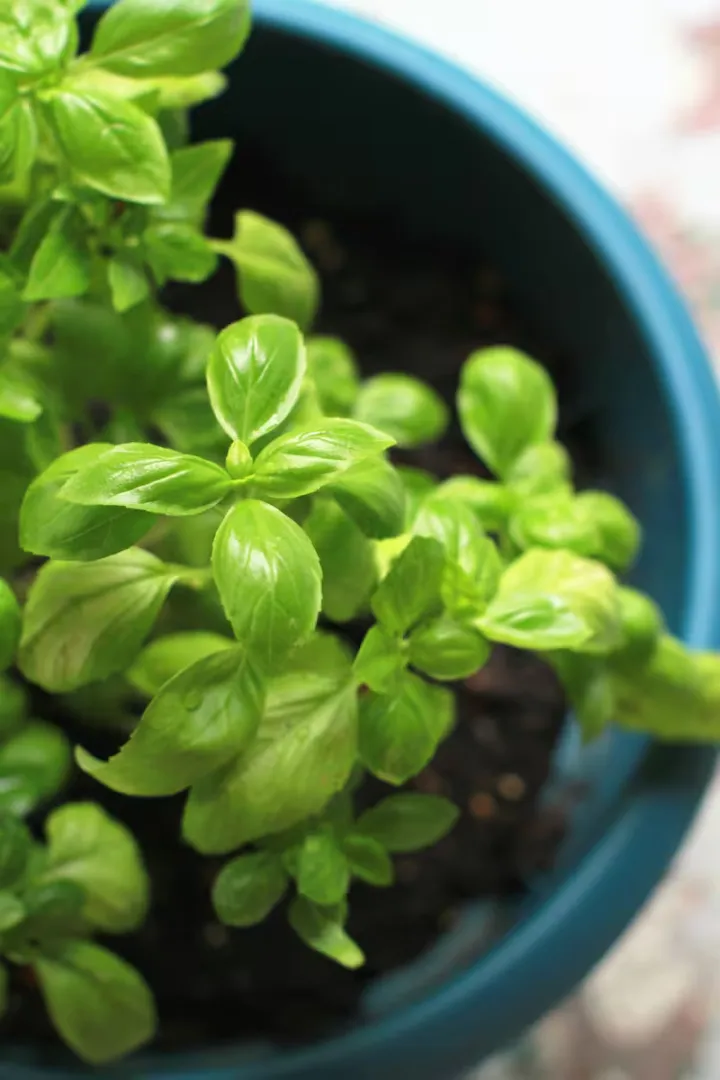
Sow indoors March, plant out May, harvest June to September. Typical frost risk October to April.
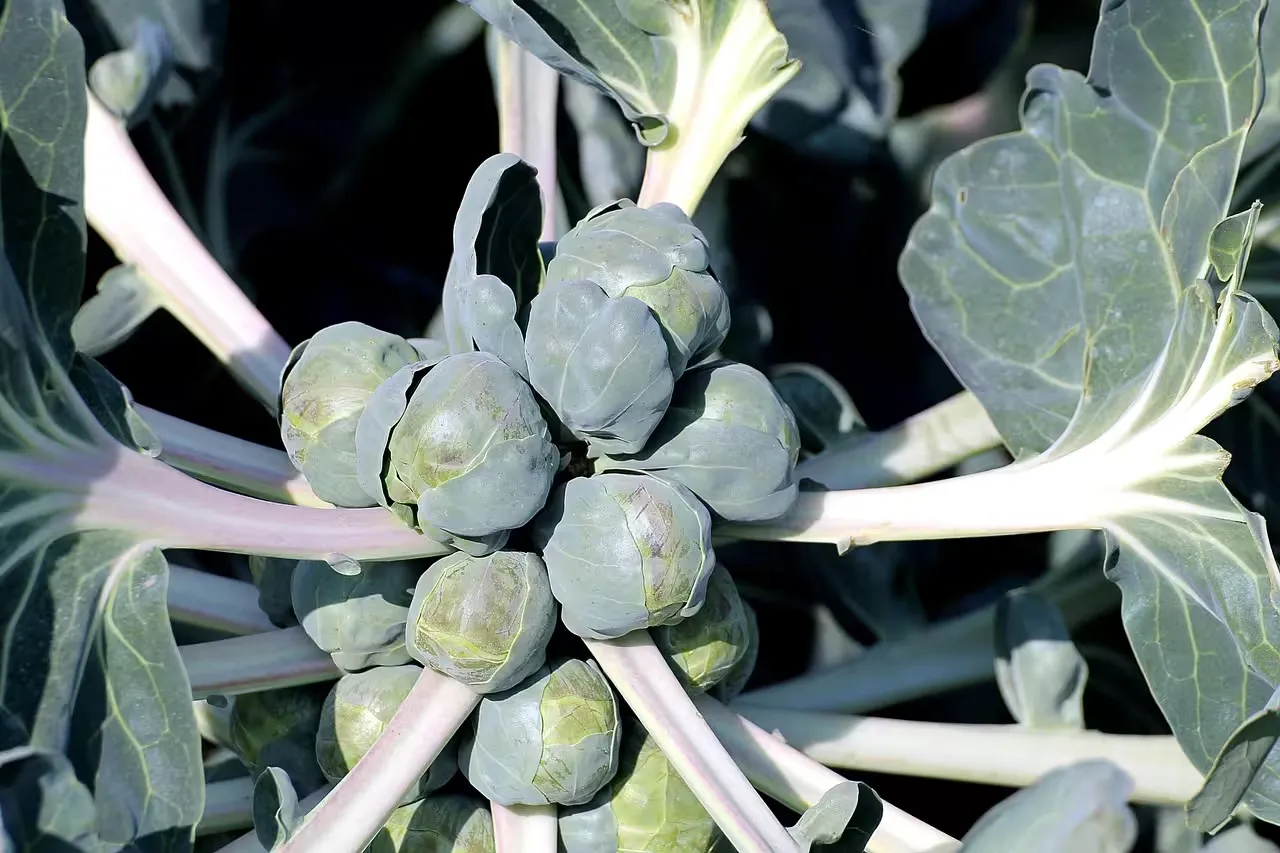
Sow indoors March, plant out May, harvest September to February. Typical frost risk October to April.
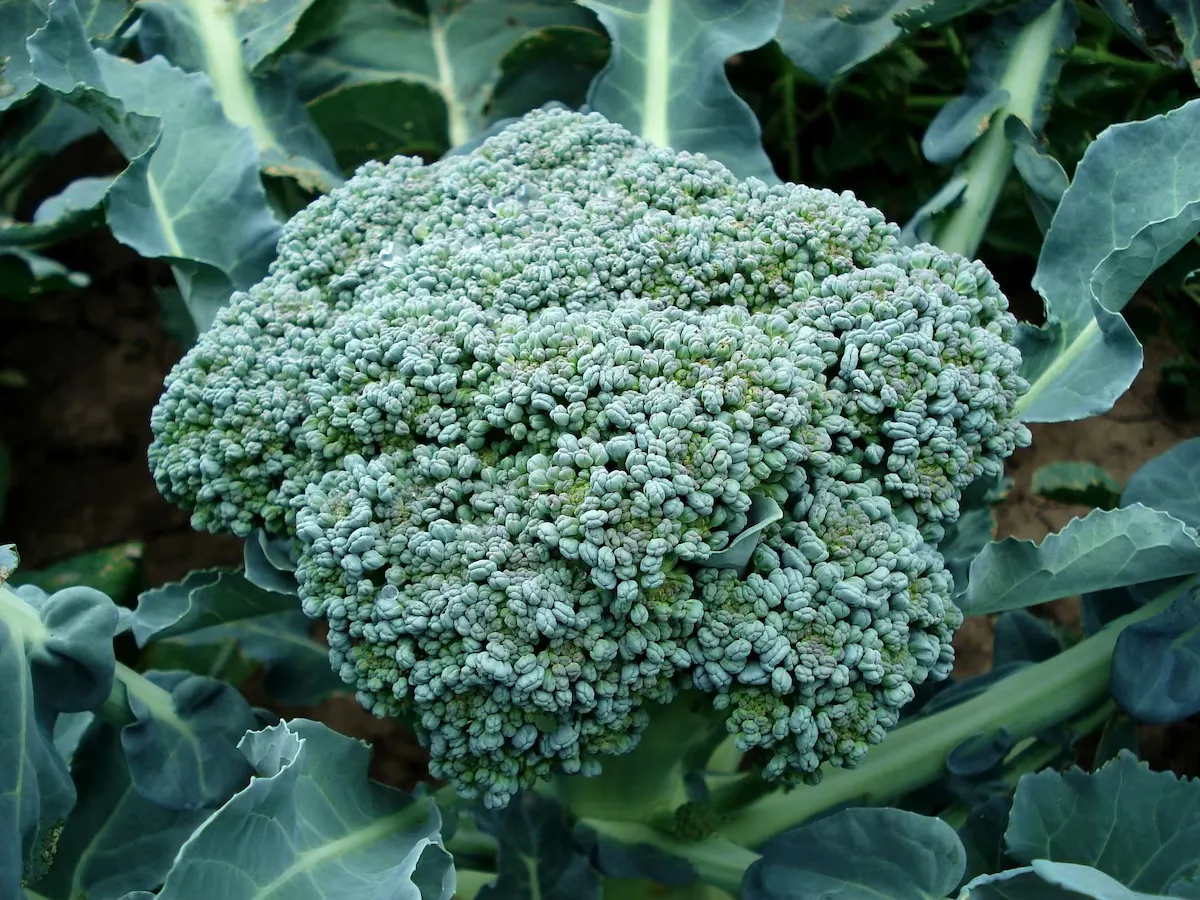
Sow indoors March, plant out May, harvest July to September. Typical frost risk October to April.