Mammoth
A tall, leafy dill with good flavour for salads, fish and pickling.
Anethum graveolens
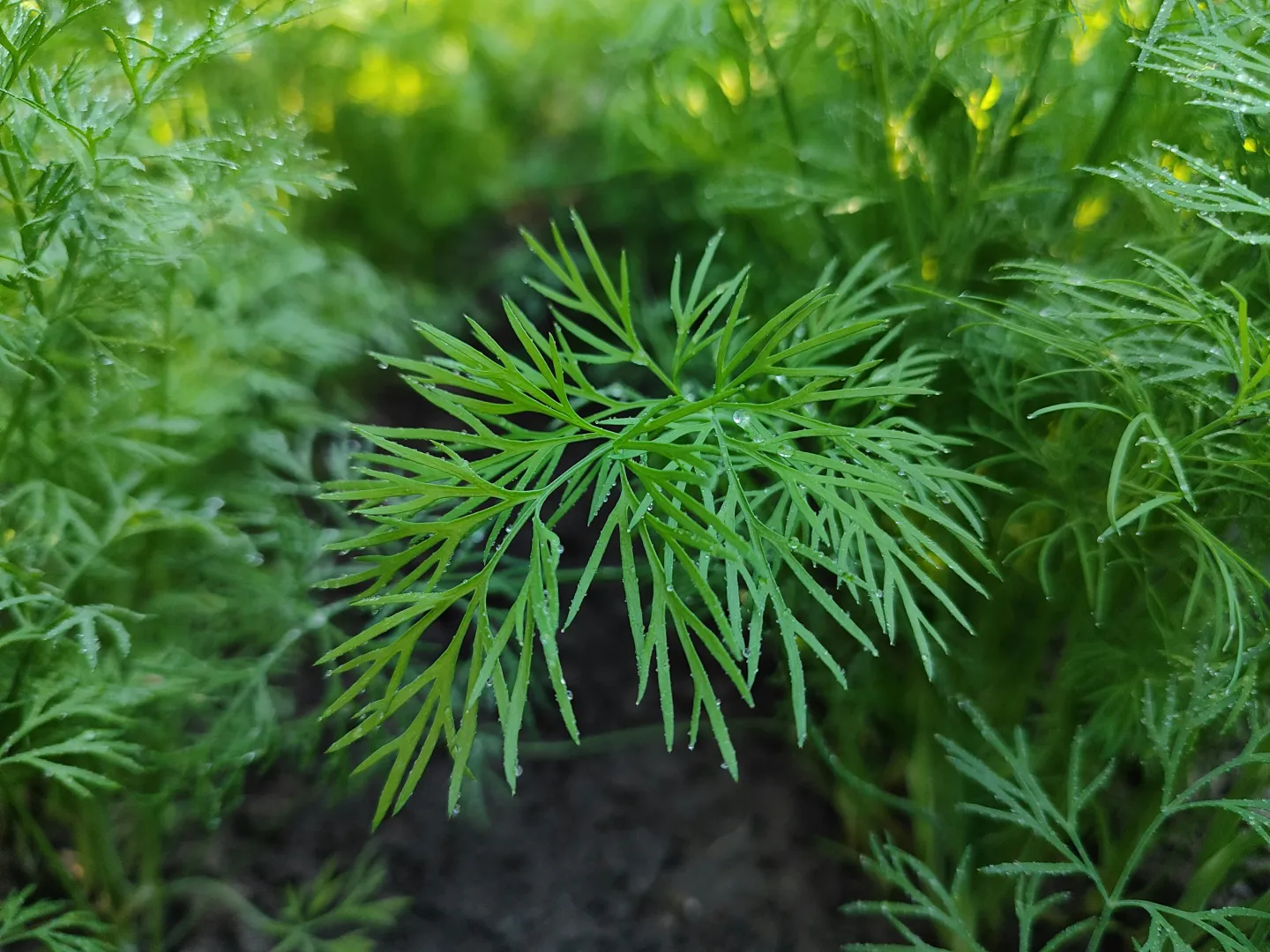
A quick annual herb for light, feathery leaves. It grows best from spring to mid-summer in a sunny, sheltered spot with free-draining soil. It dislikes root disturbance.
80 cm · Full Sun · Moderate Water
Calibrated to Glasgow · average last frost around 25 Apr
| Activity | January | February | March | April | May | June | July | August | September | October | November | December |
|---|---|---|---|---|---|---|---|---|---|---|---|---|
| Sow outdoors | No | No | No | Yes | Yes | Yes | Yes | No | No | No | No | No |
| Harvest | No | No | No | No | Yes | Yes | Yes | Yes | Yes | Yes | No | No |
What to do through the growing season
01
Sow thinly around 4th April - 27th July, cover . Sow a fresh batch every 21 days.
02
After each sowing, thin to . Snip extras at soil level. Do not transplant.
03
After each sowing, water in dry spells from 4th April through 25th October. Dry spells can encourage bolting.
04
After each sowing, pinch tips from 2nd May if you want leaves. Take flower stems as they appear.
05
After each sowing, start cutting from 16th May. Leave about one-third of the plant. Keep picking through 25th October.
Tap a plant to see why it works (or doesn't) with Dill.
Companion planting can deter pests, improve pollination, and make better use of space. Some plants confuse pests or attract beneficial insects; others improve soil or offer shade to neighbours that need it.
Popular varieties of Dill to consider
A tall, leafy dill with good flavour for salads, fish and pickling.
A compact, slow-bolting type that suits pots and small gardens.
A reliable, later-flowering cultivar with plenty of foliage.
Explore similar plants you might like
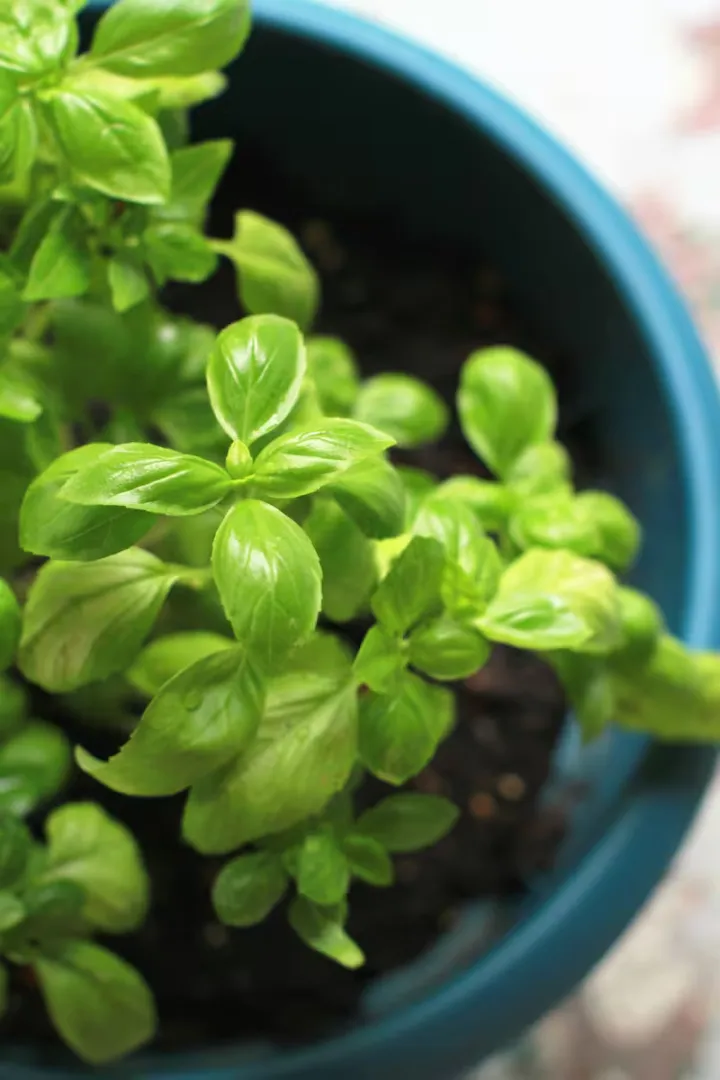
Sow indoors March, plant out May, harvest June to September. Typical frost risk October to April.
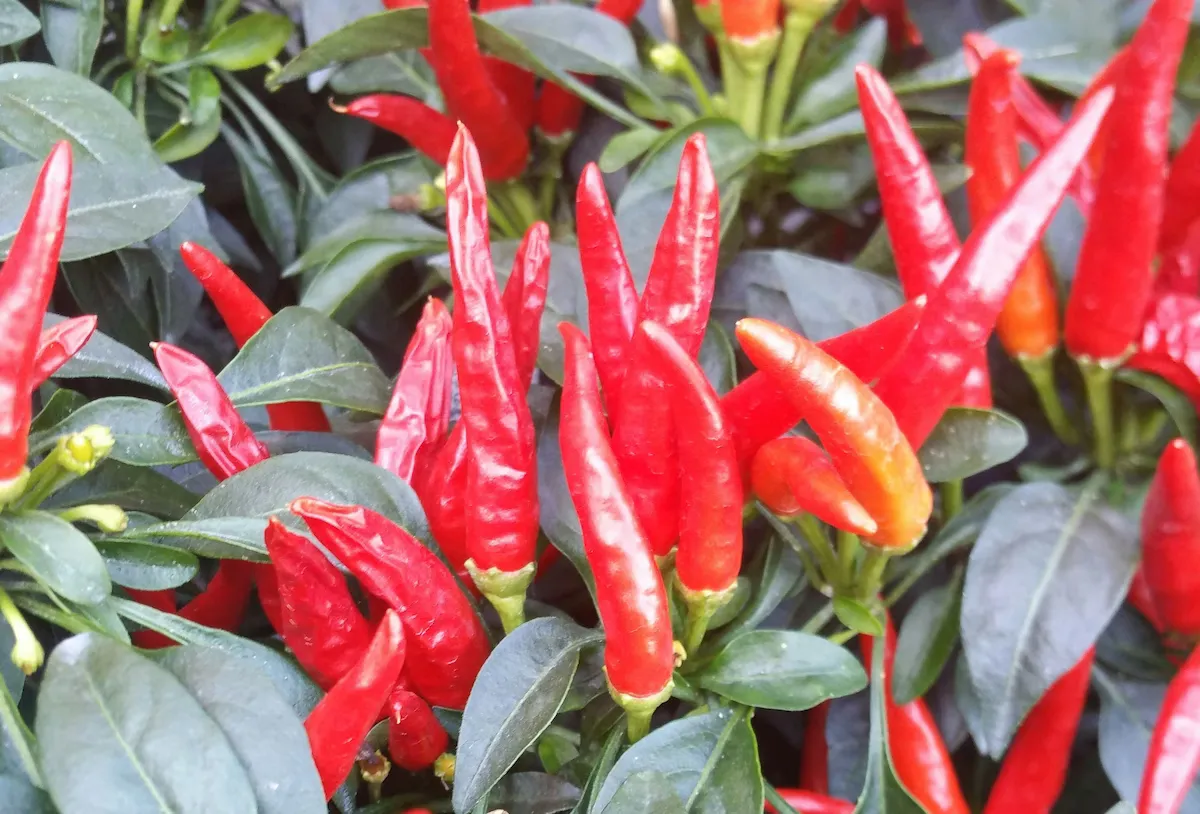
Sow indoors February, plant out May, harvest July to October. Typical frost risk October to April.
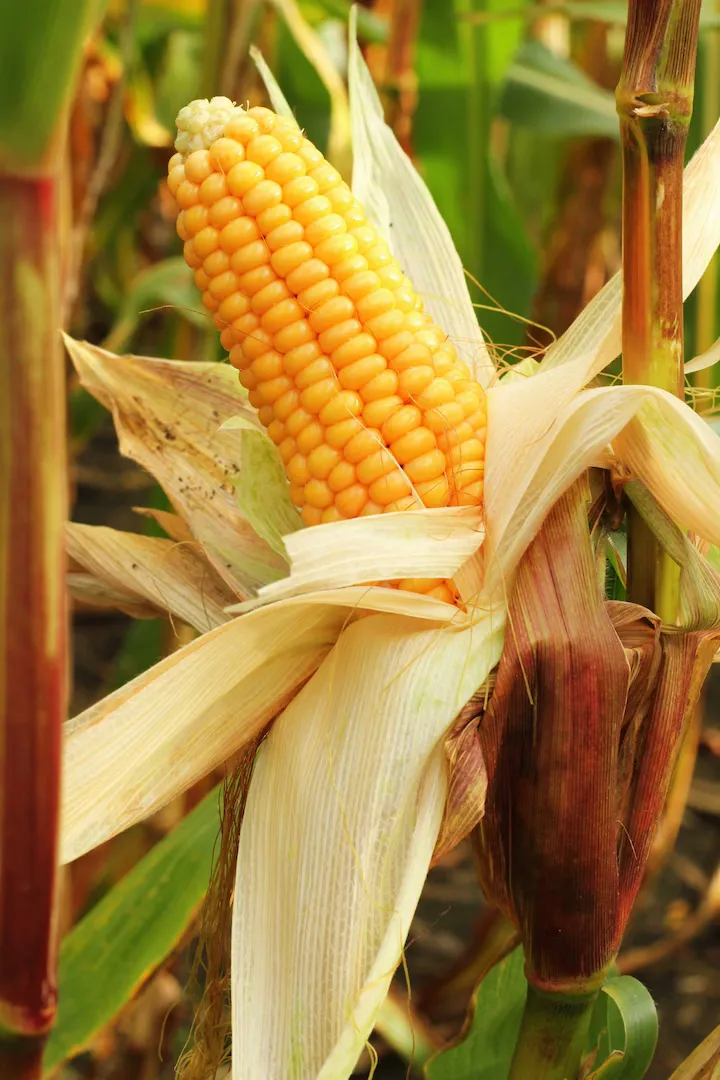
Sow indoors March to April, plant out May, harvest July to August. Typical frost risk October to April.