Elephant Garlics in Frome Whitfield
Allium ampeloprasum var. ampeloprasum
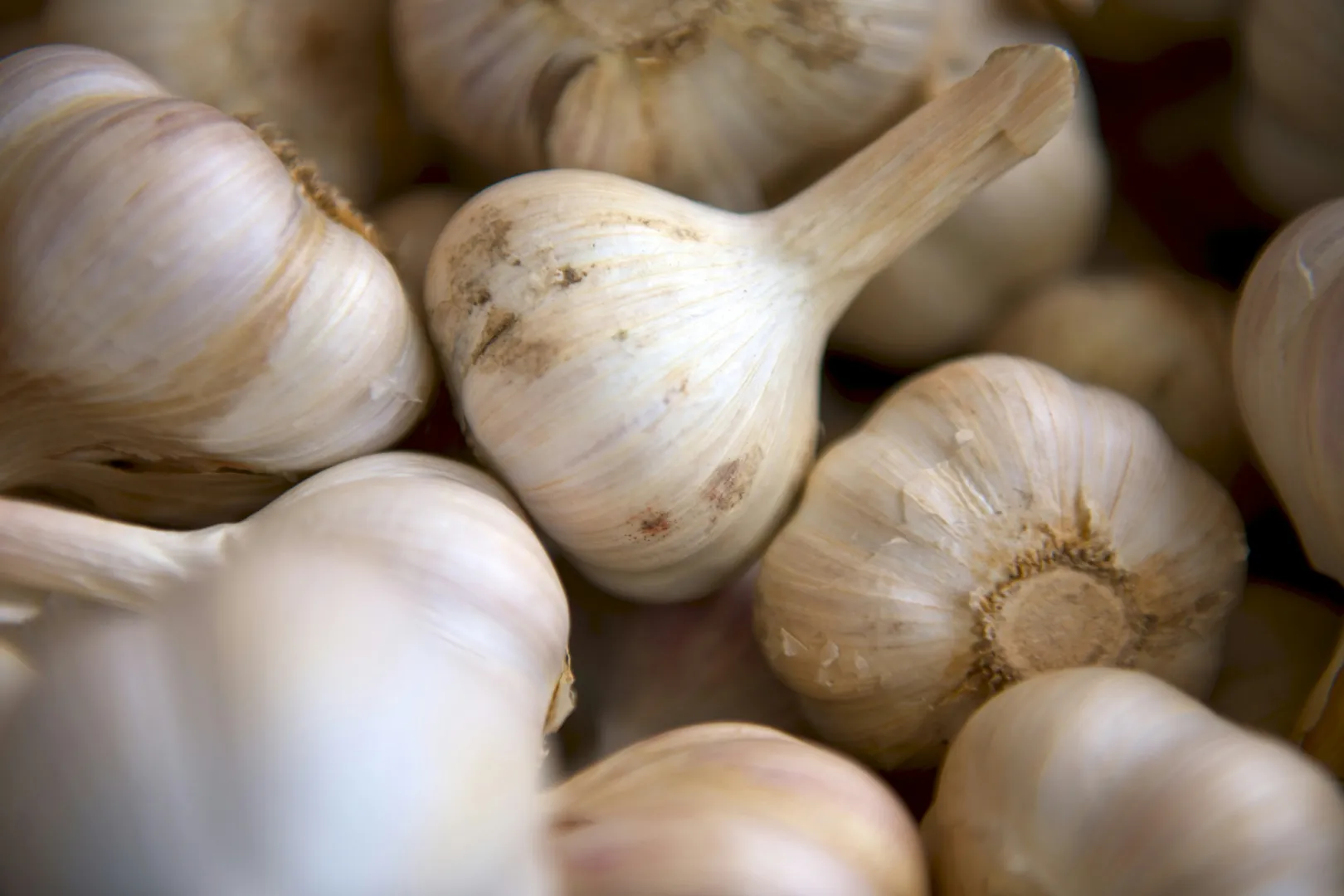
A hardy allium grown from planting cloves rather than true seed, with large bulbs and a milder flavour than garlic. In the UK it does best in a sunny, free-draining bed, planted in autumn and lifted the following summer.
120 cm · Full Sun · Moderate Water
Calibrated to Frome Whitfield · last frost ≈ 1 May
| Activity | January | February | March | April | May | June | July | August | September | October | November | December |
|---|---|---|---|---|---|---|---|---|---|---|---|---|
| Sow | No | No | No | No | No | No | No | No | No | No | Yes | No |
| Harvest | No | No | No | No | No | Yes | Yes | No | No | No | No | No |
Growing guide
Step-by-step instructions for growing Elephant Garlic
Growing guide for
Change the guide to see different planting timelines and tips.
Plant cloves straight into a prepared bed for the most reliable UK crop. They sit through winter and bulk up for harvest the following summer.
01
Prepare the Bed
25 Oct to 8 NovDig the bed over well around 25th October - 8th November, then work in garden compost or well-rotted manure. Make sure the soil drains freely, because cloves can rot if the bed stays wet in winter.
02
Plant Cloves
8 Nov to 24 NovPlant the cloves during 8th November - 24th November, with the pointed end up and the cloves deep. Space them apart and water in thoroughly straight after planting.
03
Keep Weed Free
16 Dec to 15 MayFrom 16th December onwards, keep the row clear of weeds so the bulbs are not robbed of light and moisture. Water only in dry spells, and mulch lightly if the soil is prone to drying out at the surface.
04
Harvest Bulbs
14 Jun to 19 JulLift the bulbs when the foliage starts to yellow and collapse, usually from 14th June to 19th July. Ease them up carefully with a fork, then dry them in a warm, airy place for two to three weeks before storing.
Companion plants
Tap a plant to see why it works (or doesn't) with Elephant Garlic.
Good companions
Plants to avoid
Why companion planting matters
Companion planting can deter pests, improve pollination, and make better use of space. Some plants confuse pests or attract beneficial insects; others improve soil or offer shade to neighbours that need it.
Related plants
Explore similar plants you might like
Elephant Garlic guides by town
See how Elephant Garlic timing shifts in other towns with different frost dates.