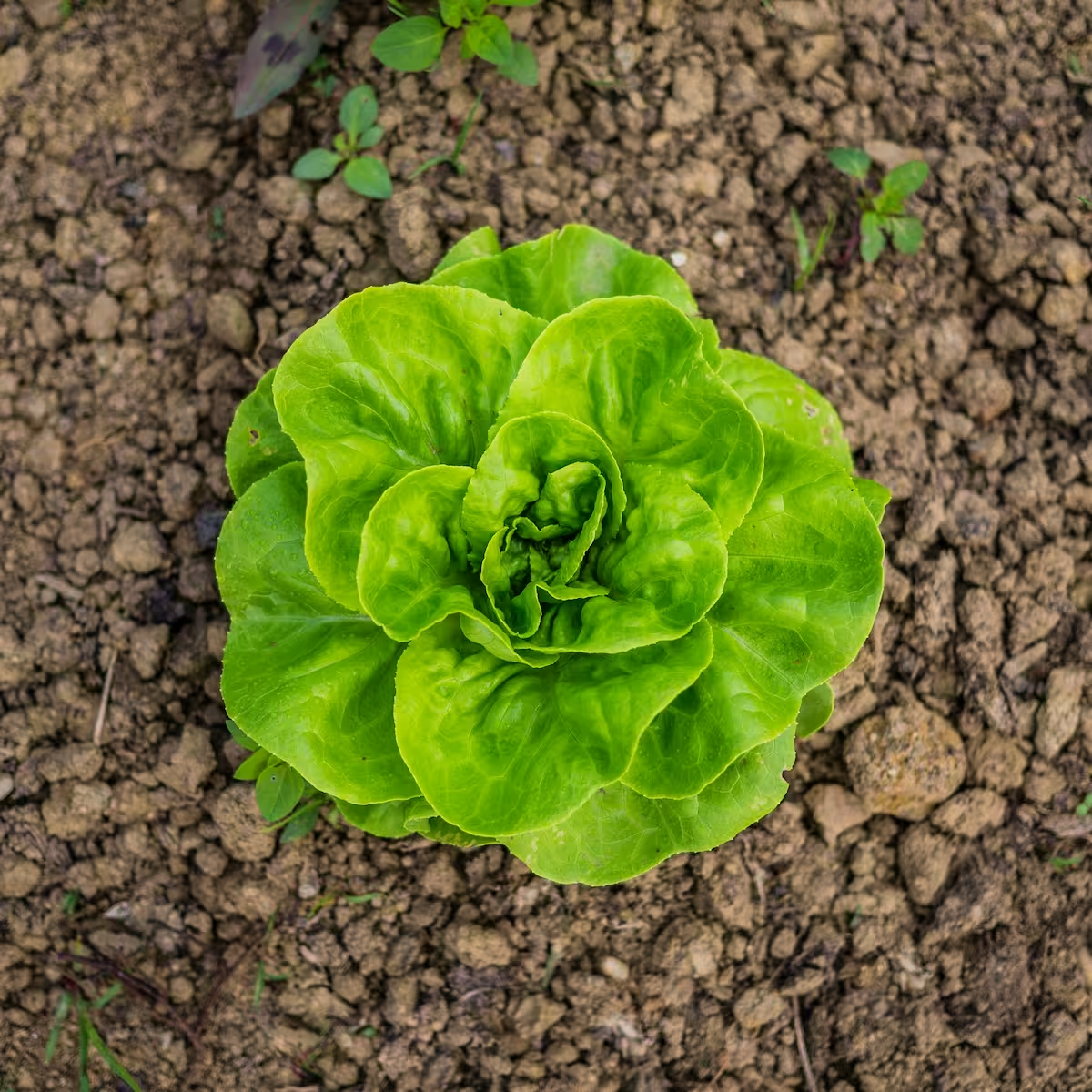
Lettuces in Cardiff
Lactuca sativa
A fast-growing leafy green vegetable with crisp, tender leaves. Lettuce comes in many varieties including butterhead, romaine, leaf, and iceberg types. It's a cool-season crop that thrives in spring and fall, offering mild to slightly bitter flavors depending on the variety.
Growing Guide
Step-by-step instructions for growing Lettuce
Planting Calendar
Growing Guide for
Change the guide to see different planting timelines and tips.
Grow hearting varieties like Iceberg or Cos for harvesting whole heads.
1 Sow Seeds Indoors
Sow seeds in modules or trays from 14th February - 28th February. Cover lightly with of compost and keep at for germination. Provide bright light to prevent leggy seedlings.
2 Prick Out Seedlings
Prick out seedlings into individual pots when they have two true leaves, around 7th March - 14th March. Handle them by the leaves to avoid damaging the stems. Grow them on in a cool, bright spot.
3 Harden Off Plants
Harden off plants over 7-10 days before transplanting, from 21st March - 28th March. Gradually expose them to outdoor conditions by placing them outside during the day and bringing them in at night.
4 Transplant Outdoors
Transplant seedlings outdoors from 28th March - 11th April. Space them apart in well-drained soil. Water in well and protect from slugs with organic deterrents.
5 Water and Feed
Water regularly to keep soil moist and apply a balanced liquid feed every two weeks from 15th November - 18th April. Consistent moisture prevents bolting and encourages firm heart formation.
6 Harvest Whole Heads
Harvest heads when they feel firm and full, from 15th November - 24th May. Cut the entire head at the base with a sharp knife. Harvest in the morning for the crispest leaves.
Suggested Varieties
Popular varieties of Lettuce to consider
Little Gem
A compact Cos variety with sweet, crisp hearts. Ideal for small spaces and containers, maturing quickly.
Tom Thumb
A heritage butterhead lettuce dating back to the 1850s. Produces tennis-ball sized heads with soft, buttery leaves and sweet flavour. Perfect for small gardens, raised beds, and containers. Matures quickly in 6-7 weeks. Cold-hardy and excels in spring and autumn plantings.
Lollo Rosso
A loose-leaf lettuce with frilly, red-edged leaves. Excellent for cut-and-come-again harvesting and adds colour to salads.
Iceberg
A crisphead lettuce forming tight, crunchy heads. Requires a longer growing season but stores well after harvesting.
Related Plants
Explore similar plants you might like
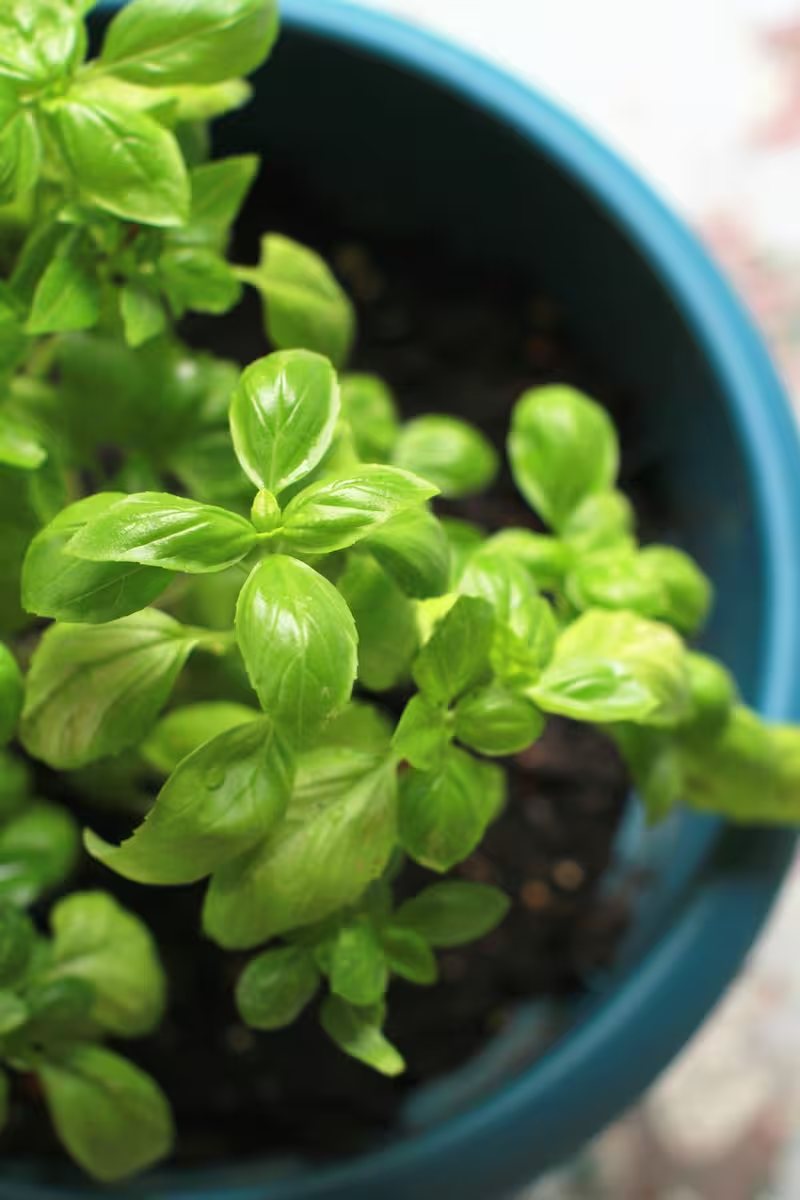
Basil
Basil is a fragrant, tender herb whose leaves are a staple of summer cooking. Native to tropical regions, basil is treated as an annual in temperate climates like the UK because it cannot tolerate frost. It thrives in warm, sunny conditions and can be grown in garden beds or pots for a steady supply of fresh, flavourful leaves throughout the summer.
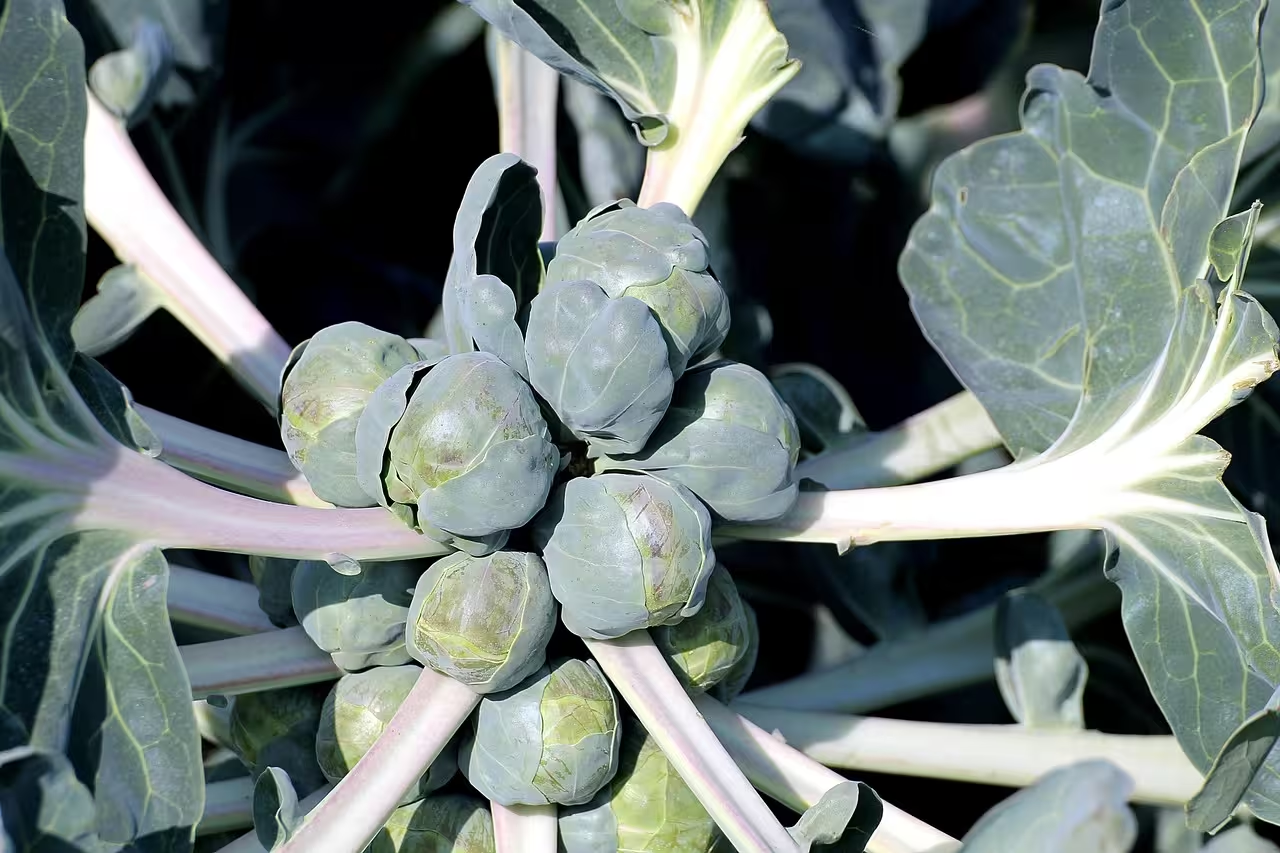
Brussels Sprouts
Brussels sprouts are a hardy winter brassica (cabbage family) that form sturdy, leafy stems often around 60–90cm tall. They produce edible mini-cabbage buds along the stem from autumn through winter. Thanks to their cold tolerance, sprouts remain productive into late winter, and frost actually improves their sweetness.
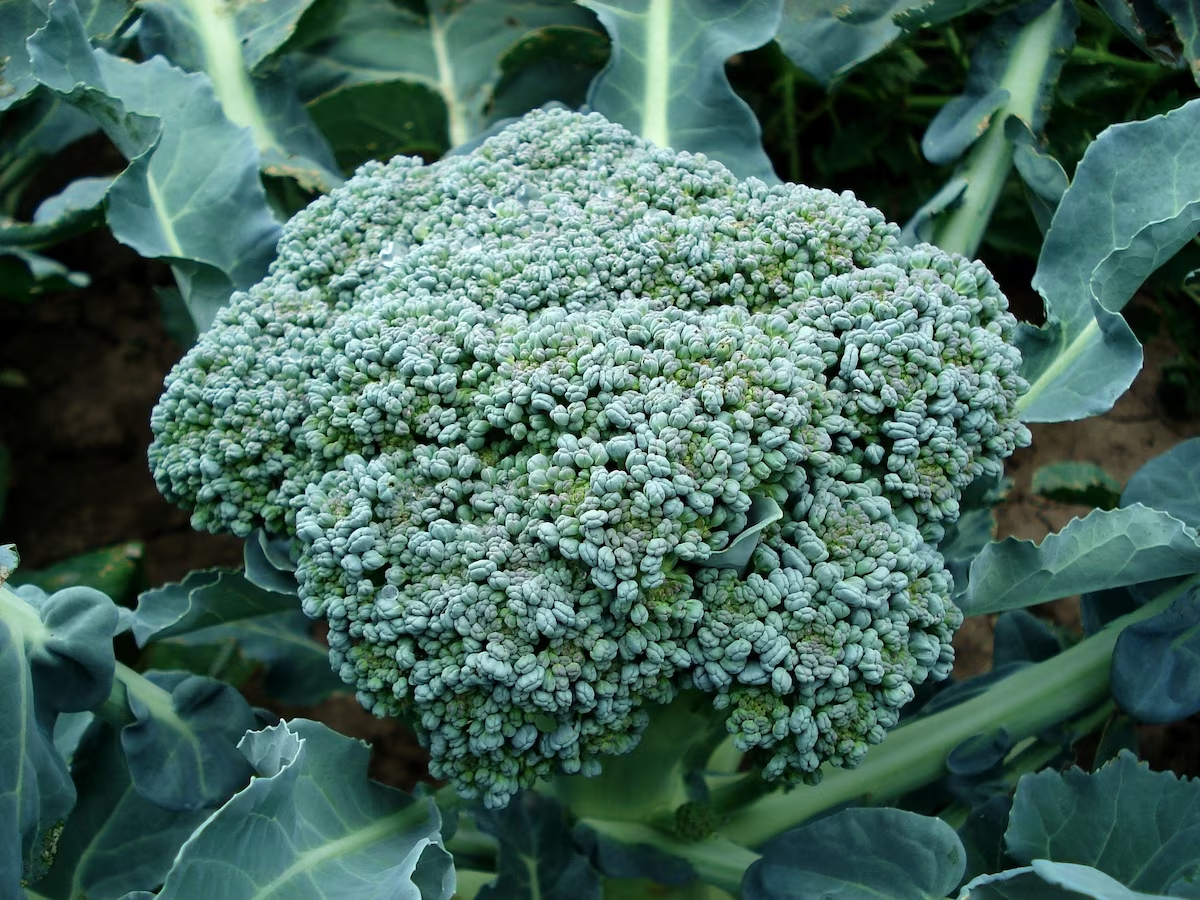
Calabrese
Calabrese (broccoli) produces a large central head of tightly-packed green buds, followed by smaller side-shoots after the main head is cut. It’s a cool-season brassica crop. Grow it in full sun with fertile, well-drained soil and keep plants watered during dry spells. Harvest the heads while firm, then leave the stem in the ground to allow side-shoots to develop.