Rovada
A widely grown late redcurrant with long trusses and good flavour. It is a dependable choice for home gardens and crops well in a sunny, sheltered spot.
Ribes rubrum
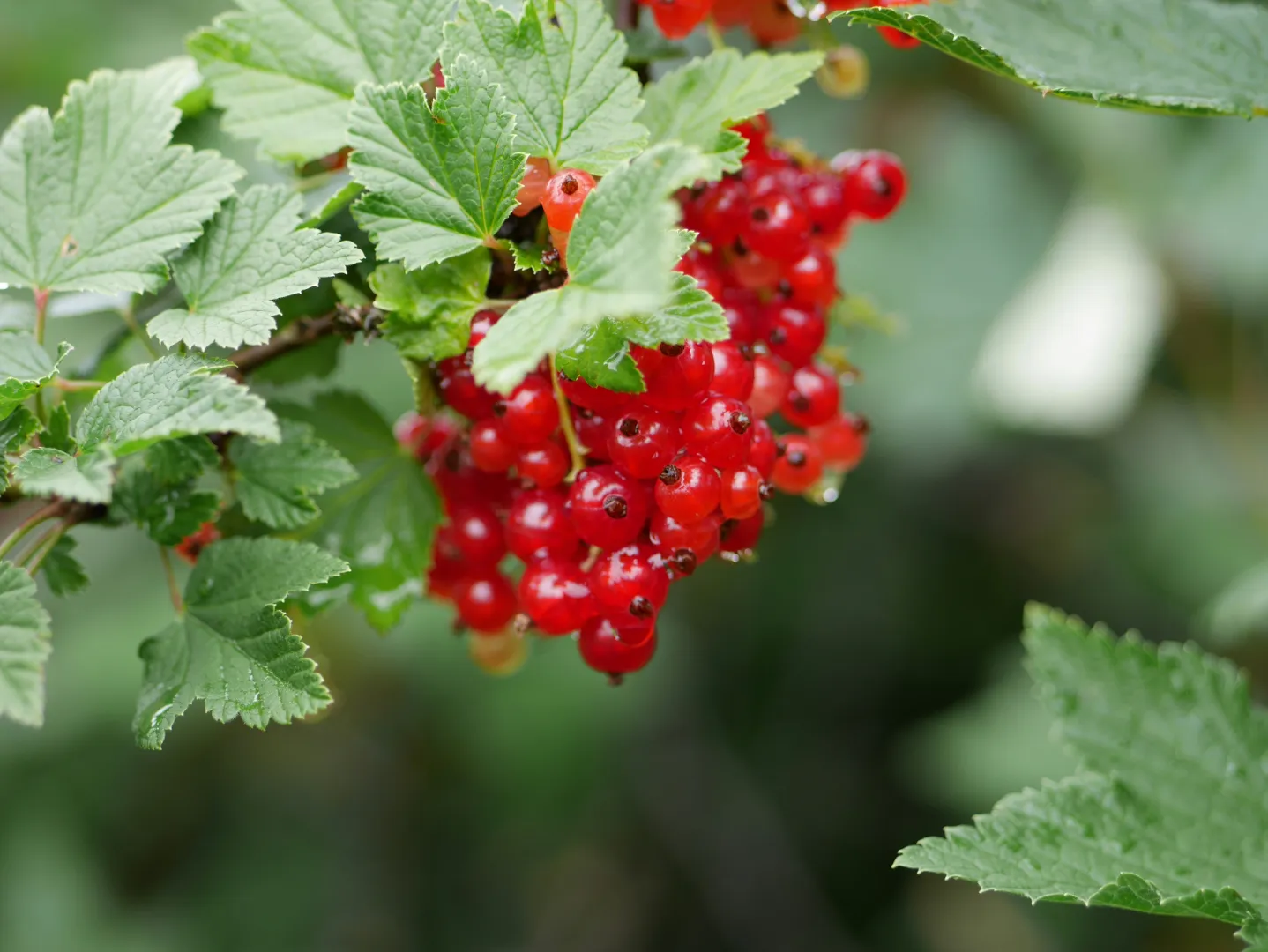
A hardy fruit bush for a sunny or lightly shaded spot in the UK. Plant bare-root bushes while dormant. Keep the soil evenly moist. Mulch each year. The first crop comes after they settle.
150 cm · Full Sun · Moderate Water
Calibrated to Cambridge · average last frost around 7 May
| Activity | January | February | March | April | May | June | July | August | September | October | November | December |
|---|---|---|---|---|---|---|---|---|---|---|---|---|
| Plant out | Yes | Yes | No | No | No | No | No | No | No | No | Yes | Yes |
| Harvest | No | No | No | No | No | No | Yes | Yes | No | No | No | No |
What to do through the growing season
01
Plant bare-root bushes around 9th November - 1st February 2027 in well-prepared soil. Only plant if the ground is open, not frozen or wet. Set the bush at the same depth it was growing before. After planting, start the goblet. Shorten the stems to about . Firm in. Water in well.
02
From 22nd May 2027 to 25th August 2027, water well for the first two years, then in dry spells while the fruit swells. Do this each year. Do not leave the ground sodden.
03
Around 8th March - 7th April 2027, mulch with well-rotted manure or compost. Leave a gap around the stems. Do this once a year. Feed only if growth is weak.
04
Put netting over from 16th June 2027, when the fruit starts to colour. Keep it on through last pick, to 25th August 2027. Keep it taut and clear of the branches.
05
Pick whole strigs from 1st July 2027 to 25th August 2027 once the berries are fully coloured, firm, and juicy. Use a shallow container.
06
Prune around 6th February - 8th March 2027, while the bush is dormant. Keep an open goblet of up to ten branches. Shorten laterals to one or two buds. Take out a couple of the oldest stems at the base.
Popular varieties of Redcurrant to consider
A widely grown late redcurrant with long trusses and good flavour. It is a dependable choice for home gardens and crops well in a sunny, sheltered spot.
An early redcurrant with long, bright red trusses. It is a good garden variety where you want an earlier harvest.
A strong-growing redcurrant with reliable crops and good-sized berries. It suits the UK climate well and is often grown in gardens as a general-purpose variety.
Explore similar plants you might like
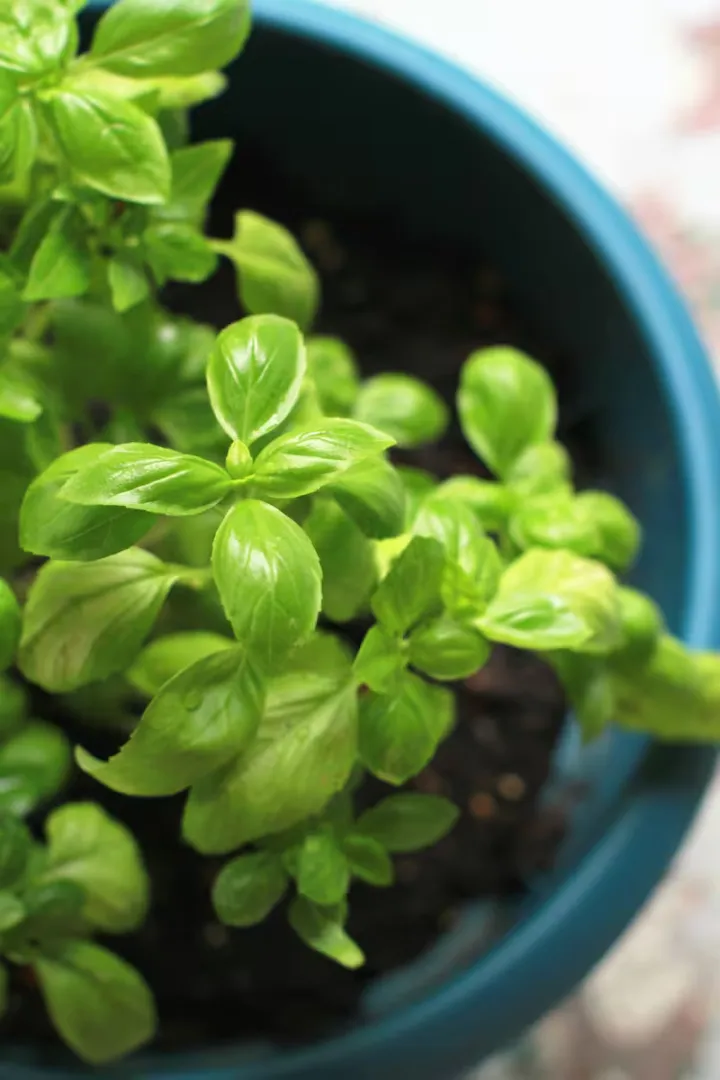
Sow indoors March to April, plant out May to June, harvest July to October. Typical frost risk October to May.
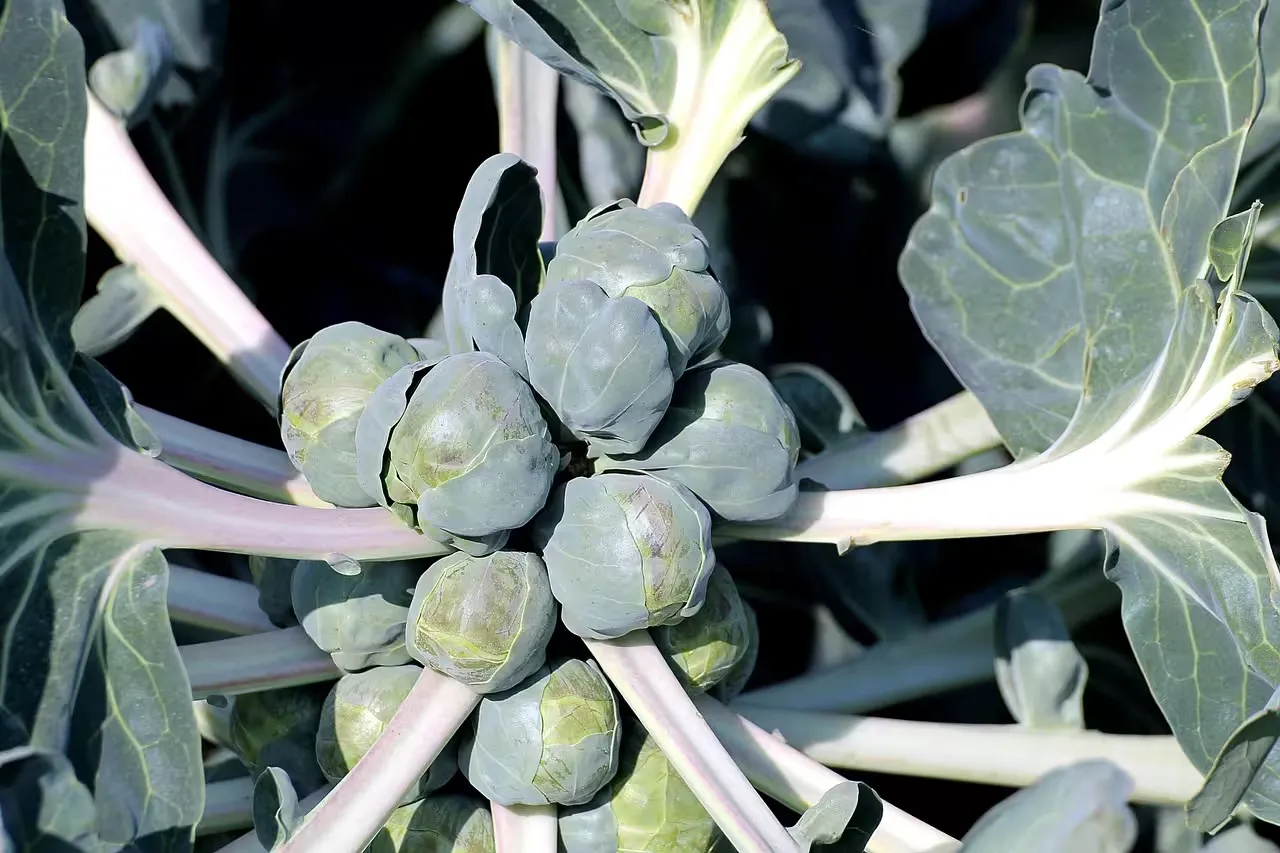
Sow indoors March to April, plant out May to June, harvest September to February. Typical frost risk October to May.
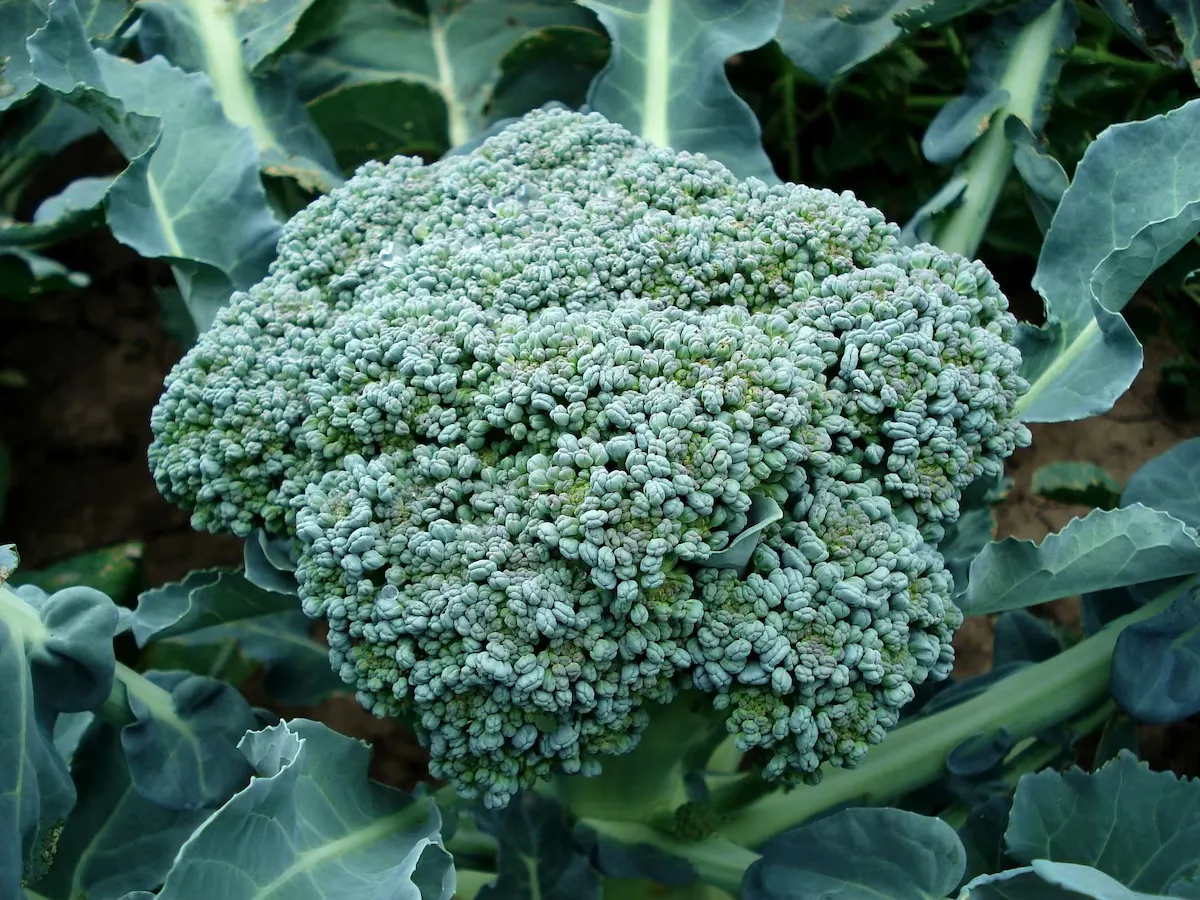
Sow indoors March to April, plant out May to June, harvest July to October. Typical frost risk October to May.
See how Redcurrant timing shifts in other towns with different frost dates.