Gallery Blue
Compact lupin with neat flower spikes, useful for smaller gardens and containers.
Lupinus spp.

Hardy perennial with tall flower spikes that suits borders in most parts of the UK. Give it full sun and well-drained soil, and avoid heavy, waterlogged ground.
90 cm · Full Sun · Moderate Water
Calibrated to Bristol · average last frost around 19 Apr
| Activity | January | February | March | April | May | June | July | August | September | October | November | December |
|---|---|---|---|---|---|---|---|---|---|---|---|---|
| Plant out | No | No | Yes | Yes | No | No | No | No | No | No | No | No |
What to do through the growing season
01
Plant into prepared soil around 5th March - 19th April, setting the crown at the same level it was growing before. Water in thoroughly straight away, then keep the soil just moist while the roots settle.
02
From 5th March, water newly planted lupins during dry spells in their first season. Aim for a deep soak rather than frequent light watering, and avoid leaving the soil sodden.
03
Remove faded flower spikes from 3rd June to keep the display going and stop the plant putting energy into seed. If you leave some spikes to ripen, collect seed from the most reliable plants only.
04
After the main flowering flush, cut the flowered stems down to the basal growth from 18th July. Leave the new leafy shoots at the base, because that keeps the plant strong for next year.
05
From 19th October, remove any dead foliage and clear away fallen debris around the crown. Leave the crown intact and do not cut hard into the base, as established plants need that growing point protected.
Popular varieties of Lupin to consider
Compact lupin with neat flower spikes, useful for smaller gardens and containers.
Classic pink and white flower spikes on a tall, sturdy plant.
Traditional mixed colours with good border presence and reliable flowering.
Pure white flower spikes that work well in mixed perennial borders.
Explore similar plants you might like
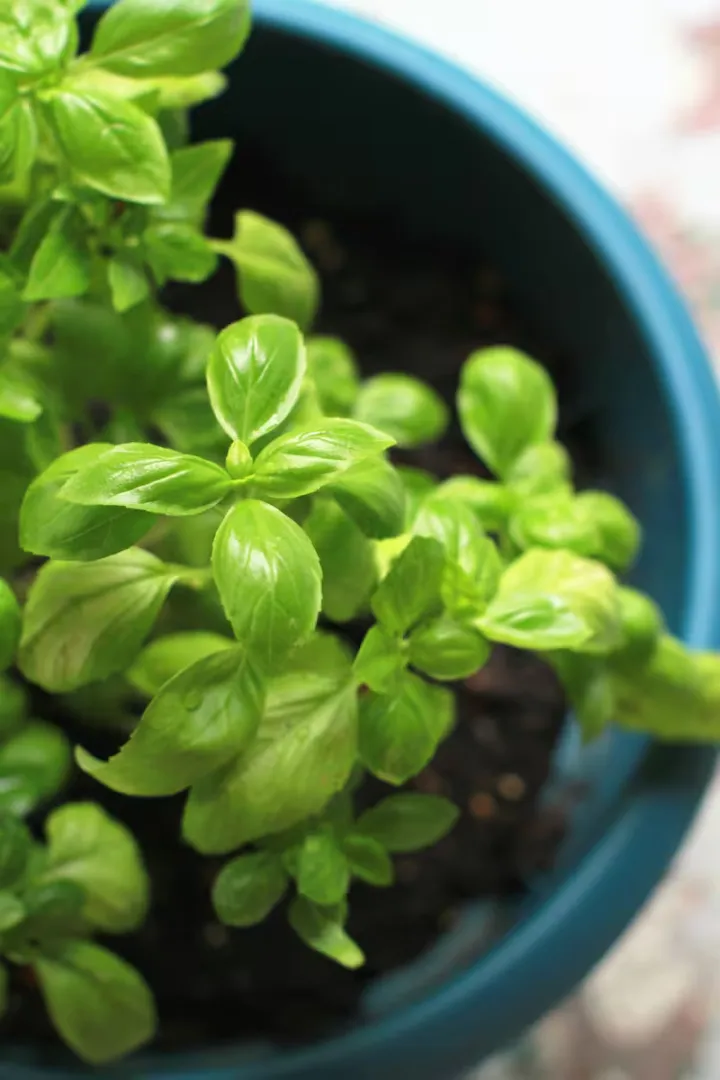
Sow indoors March, plant out May, harvest June to September. Typical frost risk November to April.
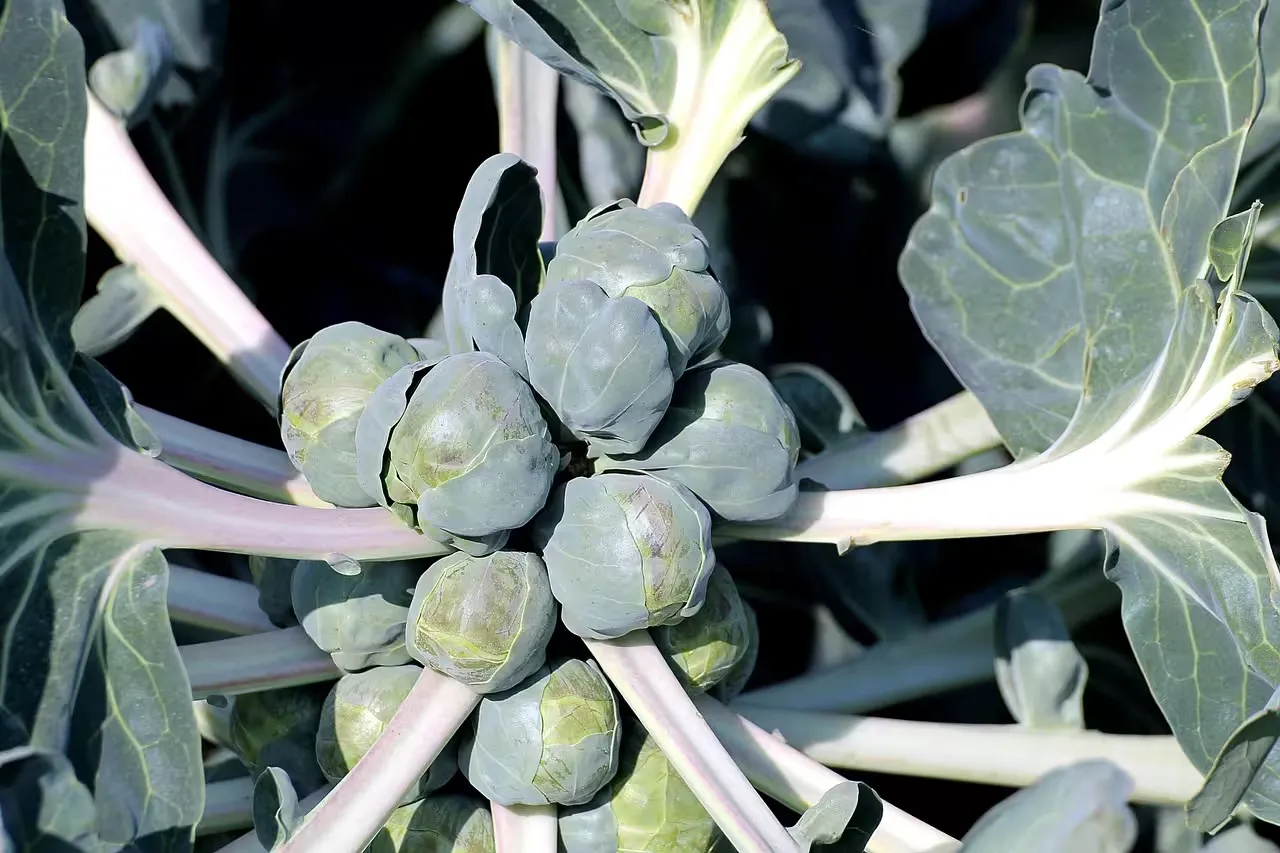
Sow indoors March, plant out May, harvest October to March. Typical frost risk November to April.
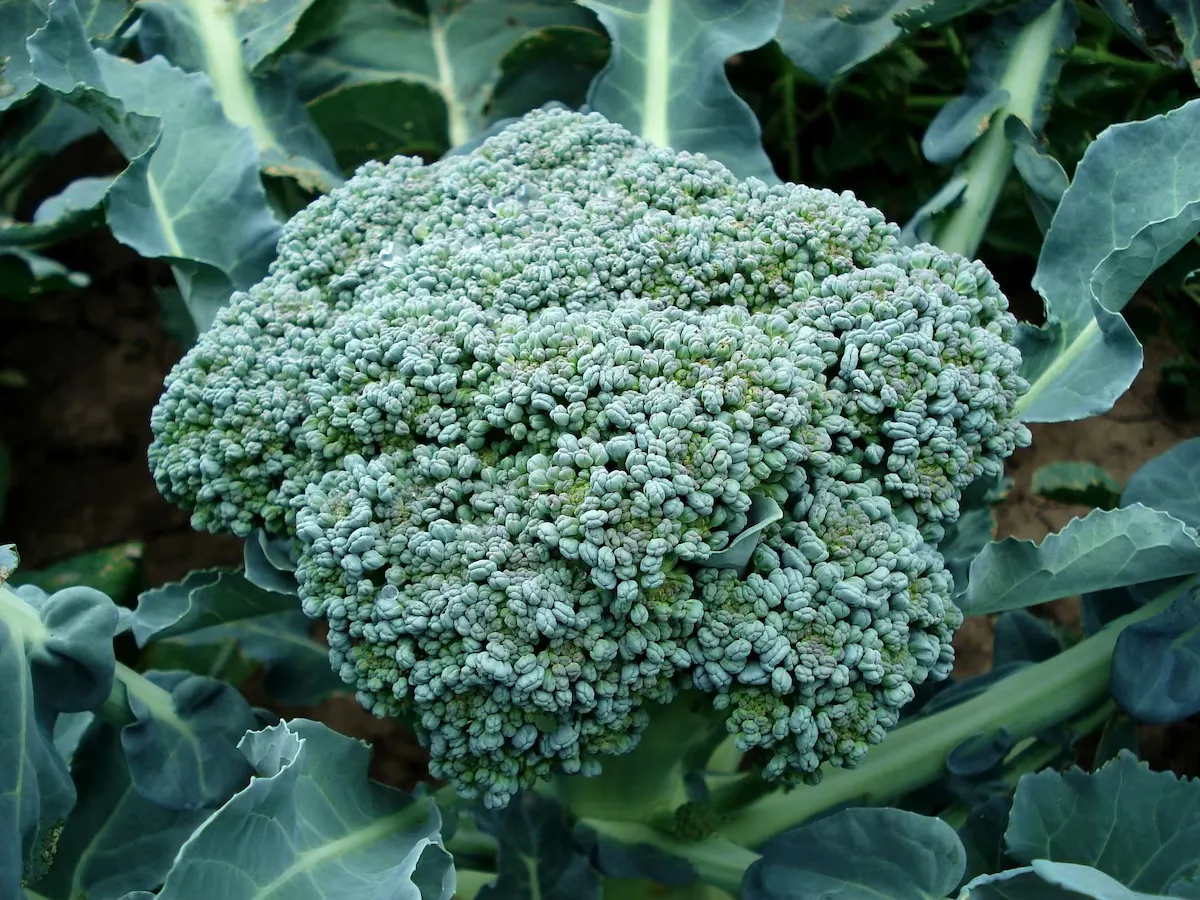
Sow indoors March, plant out May, harvest July to September. Typical frost risk November to April.
See how Lupin timing shifts in other towns with different frost dates.