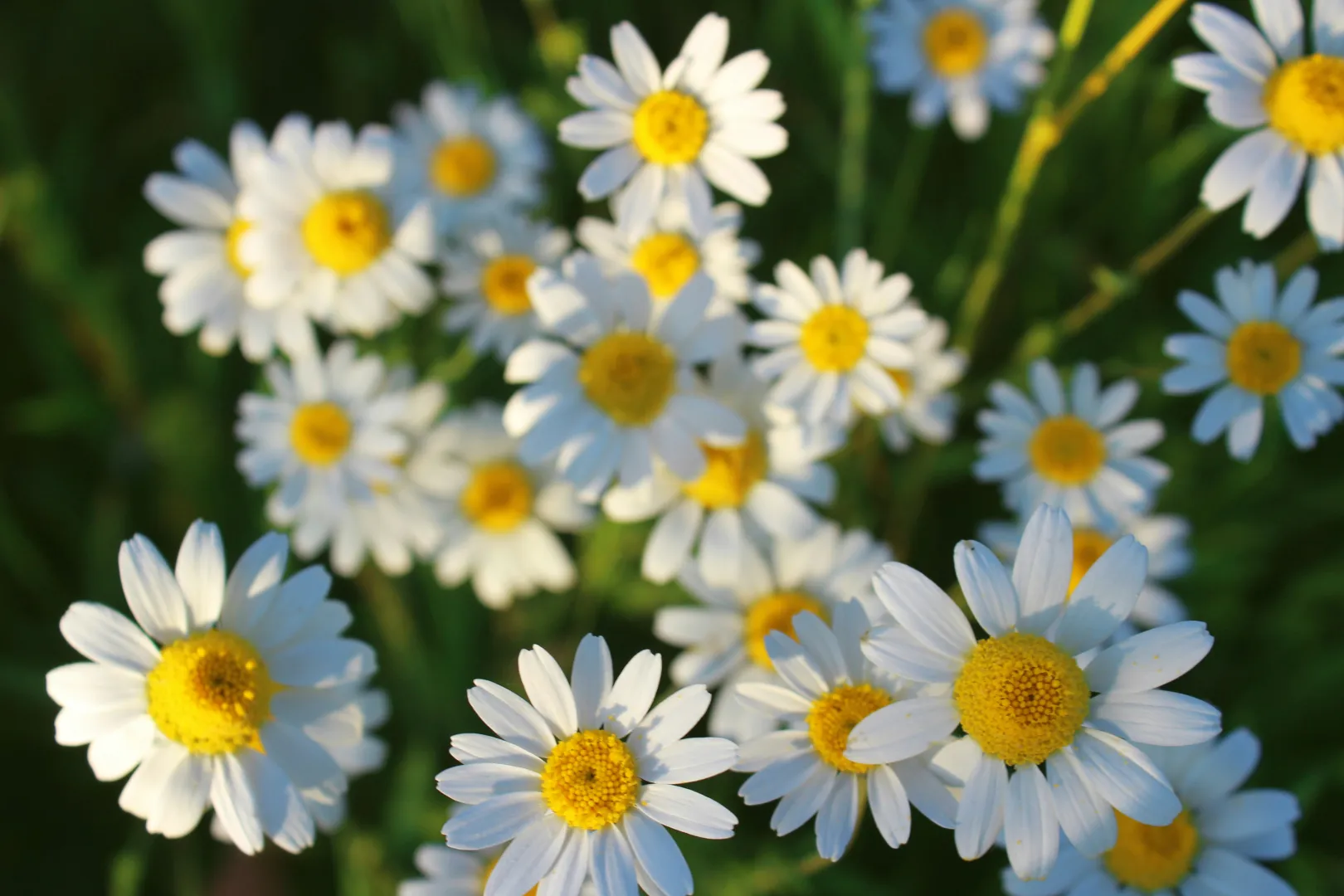
Chamomiles in Beauly
Matricaria chamomilla
A hardy annual herb grown for its small daisy-like flowers, usually sown in spring in the UK. It grows best in a sunny, well-drained spot and flowers well if picked regularly.
Growing Guide
Step-by-step instructions for growing Chamomile
Planting Calendar
Sow Seeds
11 Apr – 6 Junevery 3 weeksSow seeds thinly on the surface of fine compost around 11th April - 6th June. Press them in lightly or cover with only a dusting of compost, then keep the surface just moist until they germinate.
Thin Seedlings
23 May – 6 JunWhen seedlings are large enough to handle from 23rd May to 6th June, thin them so the strongest plants have room to grow. Keep the compost lightly moist and avoid disturbing the roots more than needed.
Water Sparingly
9 May – 29 DecFrom 9th May to 29th December, water only enough to stop the plants drying out while they establish. Once rooted, chamomile prefers the soil to dry a little between waterings, especially in containers.
Harvest Flowers
23 Jul – 30 Septevery weekPick the flower heads from 23rd July to 30th September when they are fully open and the centres are still fresh. Harvest every few days to keep the plants flowering, then dry the flowers quickly in a warm, airy place.
Companion Plants
Tap a plant to see why it works (or doesn't) with Chamomile.
Good companions
Plants to avoid
Why companion planting matters
Companion planting can deter pests, improve pollination, and make better use of space. Some plants confuse pests or attract beneficial insects; others improve soil or offer shade to neighbours that need it.
Suggested Varieties
Popular varieties of Chamomile to consider
German Chamomile
The standard annual chamomile grown for tea and drying, with small scented flowers and a loose habit.
Bodegold
A named German chamomile selection grown for reliable flowering and good drying quality.
Related Plants
Explore similar plants you might like
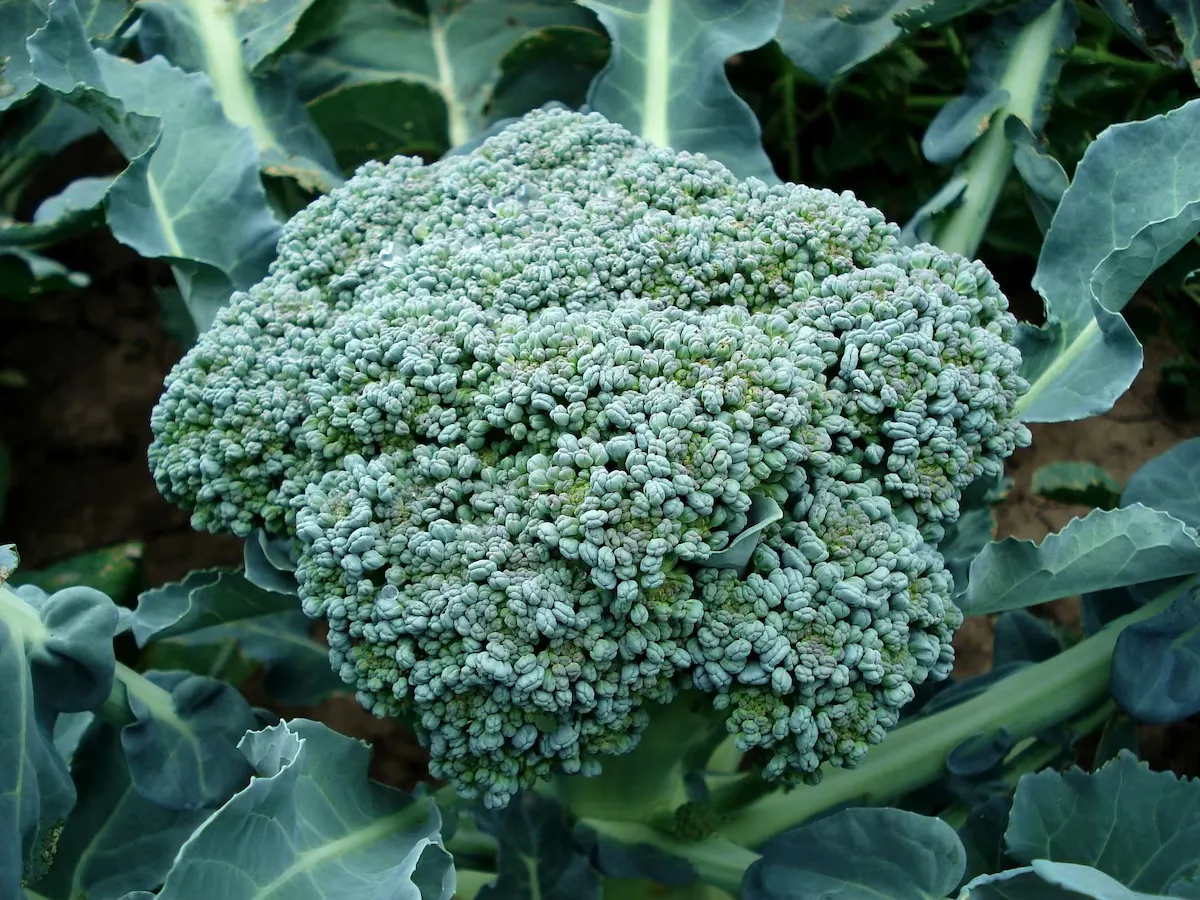
Calabrese
Calabrese (broccoli) produces a large central head of tightly-packed green buds, followed by smaller side-shoots after the main head is cut. It’s a cool-season brassica crop. Grow it in full sun with fertile, well-drained soil and keep plants watered during dry spells. Harvest the heads while firm, then leave the stem in the ground to allow side-shoots to develop.
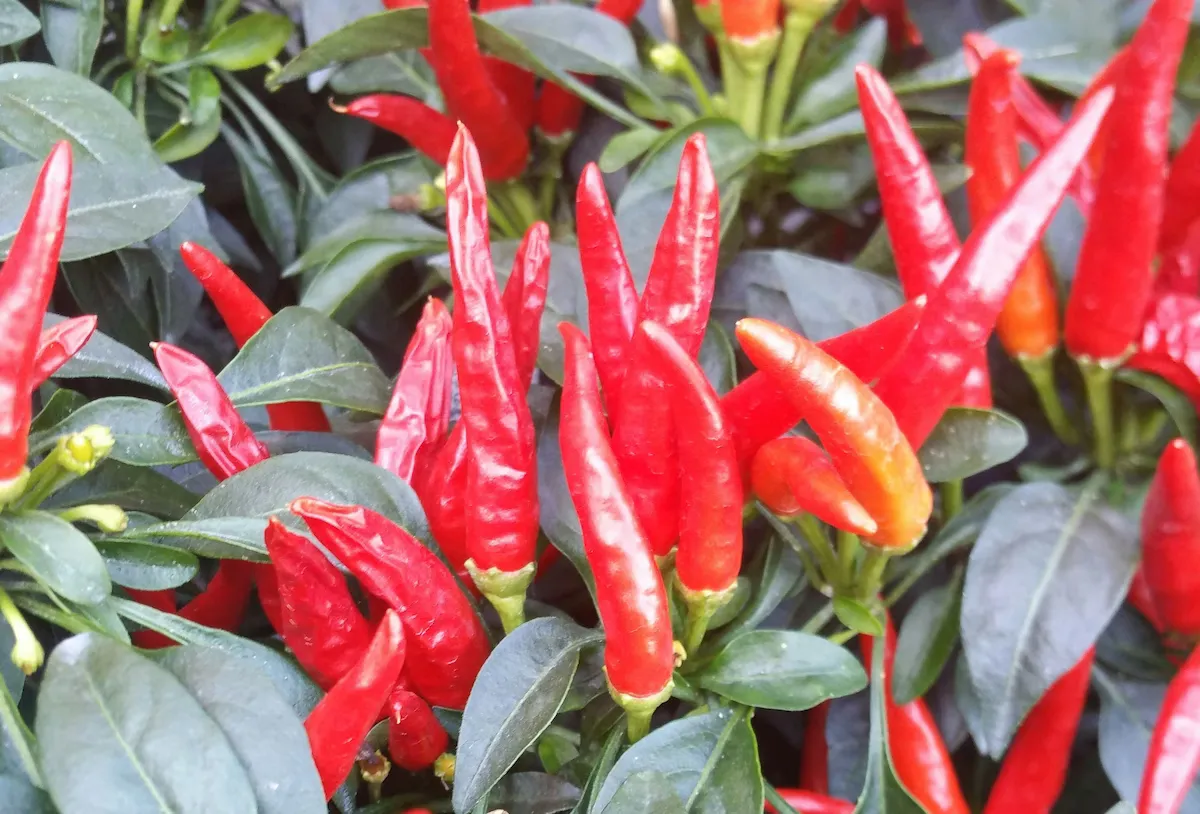
Chilli Pepper
Chilli peppers are tender perennials grown as annuals in the UK, requiring a long, warm season. They thrive in a greenhouse or a sunny, sheltered outdoor spot, producing fruits that range from mild to intensely hot depending on variety and growing conditions.
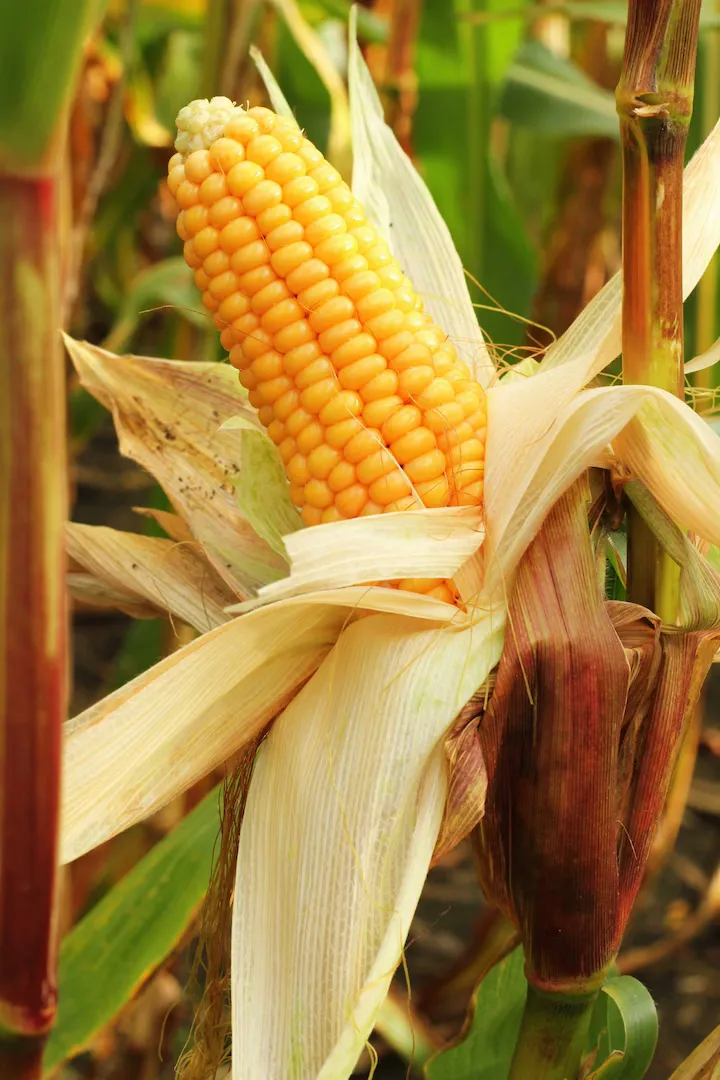
Sweetcorn
Sweetcorn is a tall annual plant grown for its sweet, juicy cobs. It thrives in warm, sunny conditions and must be planted after the last frost. Plants are wind-pollinated, so for best results grow them in blocks rather than single rows, ensuring well-filled cobs. With good care and warm weather, sweetcorn will reward you with delicious fresh corn-on-the-cob in late summer.