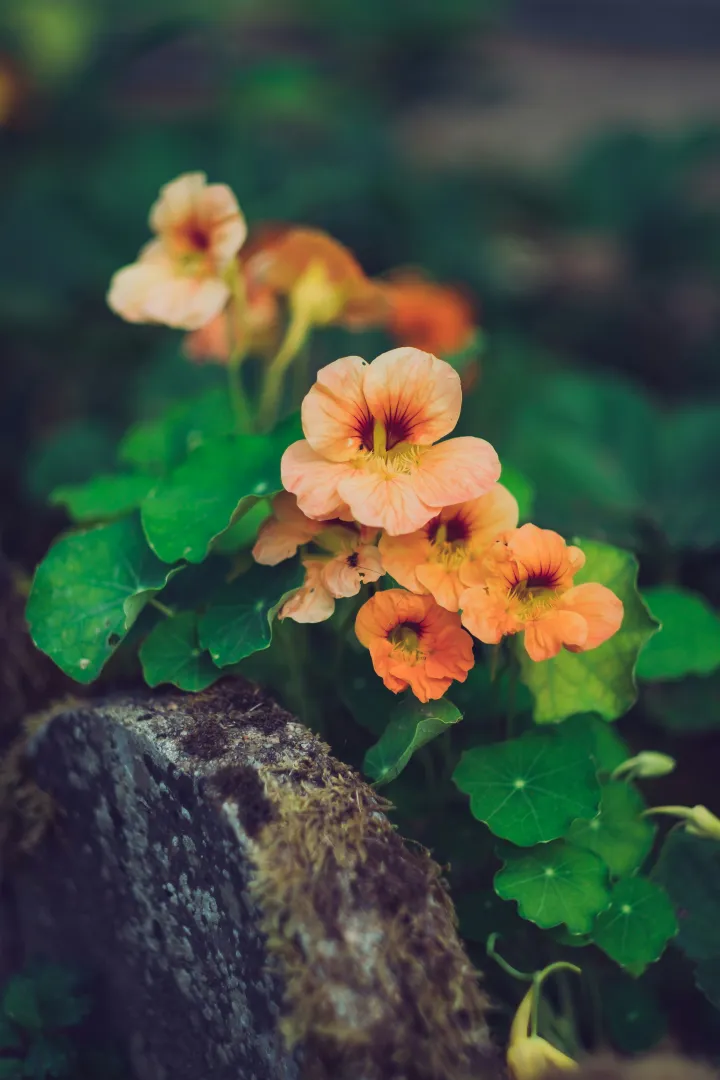
Nasturtia in Beadlam
Tropaeolum majus
A fast-growing half-hardy annual with bright edible flowers and round leaves. In the UK it’s easy from seed, flowers well in poor soil, and suits beds, edging, hanging baskets, or larger containers.
Growing Guide
Step-by-step instructions for growing Nasturtium
Planting Calendar
Sow Seeds
15 Apr – 27 MaySow seeds around 15th April - 27th May in modules or direct where they are to flower. Cover with of compost and keep the compost just moist while seedlings emerge.
Thin Or Prick Out
20 May – 3 JunWhen seedlings have a couple of true leaves, from 20th May to 3rd June, thin direct-sown seedlings or prick out module-sown plants into individual cells. Handle them by the leaves, not the stems, and keep them moving steadily so they do not become leggy.
Harden Off
20 May – 3 JunFrom 20th May to 3rd June, move plants outside for longer each day before planting them out. Protect them from cold nights and strong wind, and keep them in a sheltered spot at first.
Plant Out Or Sow Direct
20 May – 3 JunPlant out or sow direct around 20th May - 3rd June, once the soil has started to warm. Space plants apart, water in thoroughly straight after planting, and give them a sunny spot with free-draining soil.
Deadheading & Maintenance
26 Jun – 30 SeptFrom 26th June to 30th September, remove fading flowers regularly so the plant keeps producing new blooms instead of setting seed. Water only in dry spells, because rich soil and heavy feeding usually mean more leaves and fewer flowers.
Harvest Flowers And Leaves
26 Jun – 30 SeptPick flowers and young leaves from 26th June until 30th September. Harvest in the morning for the best flavour, and take only a few leaves from each plant so it keeps flowering well.
Companion Plants
Tap a plant to see why it works (or doesn't) with Nasturtium.
Good companions
Plants to avoid
Why companion planting matters
Companion planting can deter pests, improve pollination, and make better use of space. Some plants confuse pests or attract beneficial insects; others improve soil or offer shade to neighbours that need it.
Suggested Varieties
Popular varieties of Nasturtium to consider
Alaska
A compact, variegated nasturtium with cream-mottled foliage and bright flowers. Good for edging and containers.
Empress of India
A dwarf, deep red-flowered type with neat growth. Useful for smaller beds and pots.
Jewel Mix
A mixed dwarf strain that flowers freely from summer into autumn. Handy for quick colour in beds and containers.
Whirlybird Mix
A semi-trailing mix with double flowers and a tidy habit. Suits baskets, tubs, and spilling over raised edges.
Related Plants
Explore similar plants you might like
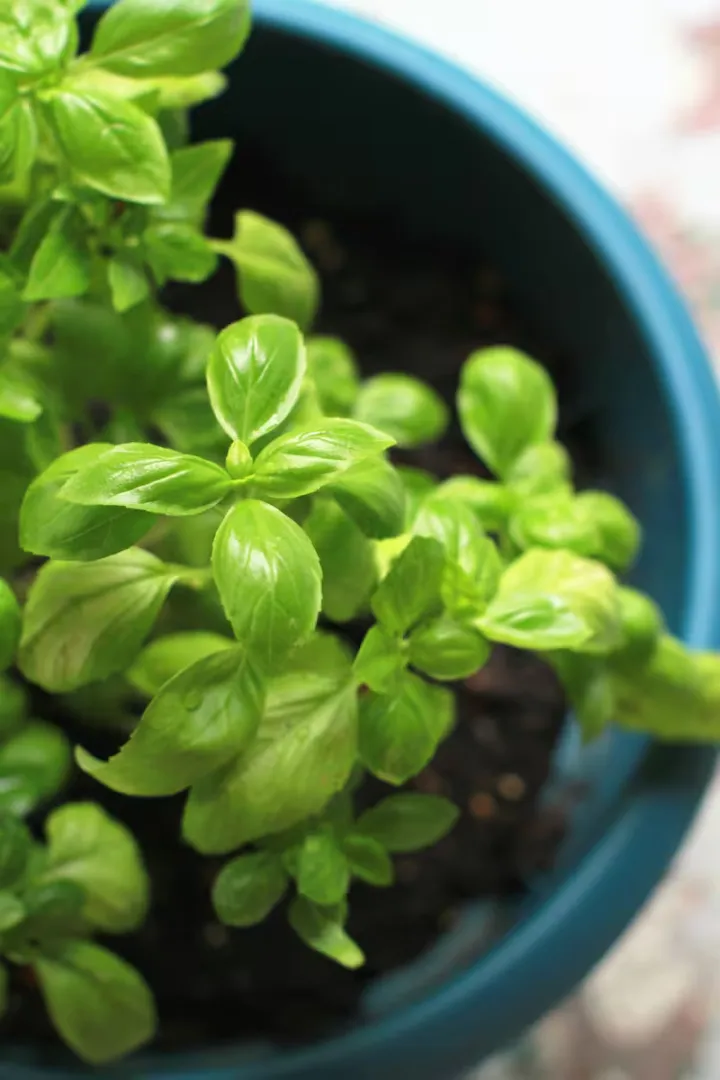
Basil
Basil is a fragrant, tender herb whose leaves are a staple of summer cooking. Native to tropical regions, basil is treated as an annual in temperate climates like the UK because it cannot tolerate frost. It thrives in warm, sunny conditions and can be grown in garden beds or pots for a steady supply of fresh, flavourful leaves throughout the summer.
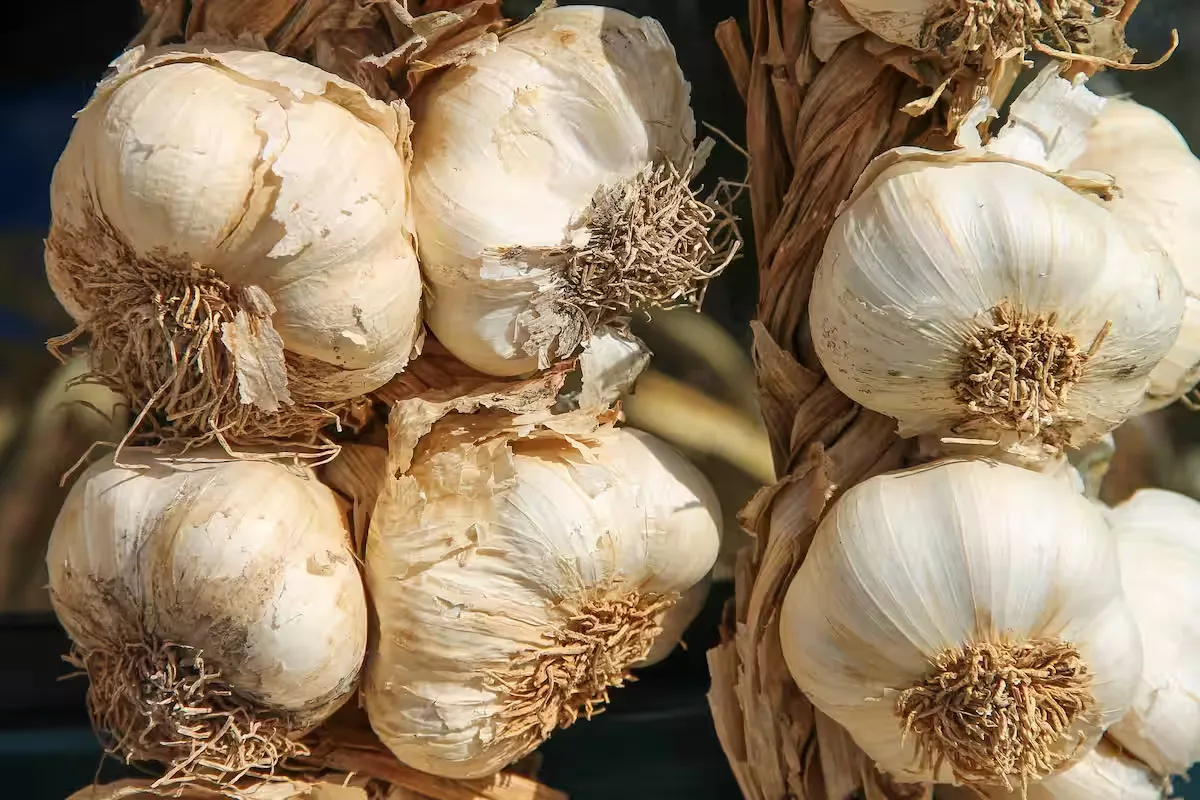
Garlic
Garlic is a hardy, sun-loving bulbous vegetable from the onion family, grown for its pungent cloves used in cooking. It’s easy to grow in a warm, well-drained spot and needs minimal fuss – plant individual cloves and they will develop into full bulbs by the following summer. Most garlic varieties require a cold spell over winter to form good bulbs, so in the UK they are generally planted in autumn. There are two main types of garlic: hardneck and softneck. Hardneck types produce flower stalks (scapes) which should be removed, and their bulbs have fewer but larger cloves (they store for around 4–6 months). Softneck types have more, smaller cloves and rarely bolt; they also store for longer, often up to a year.
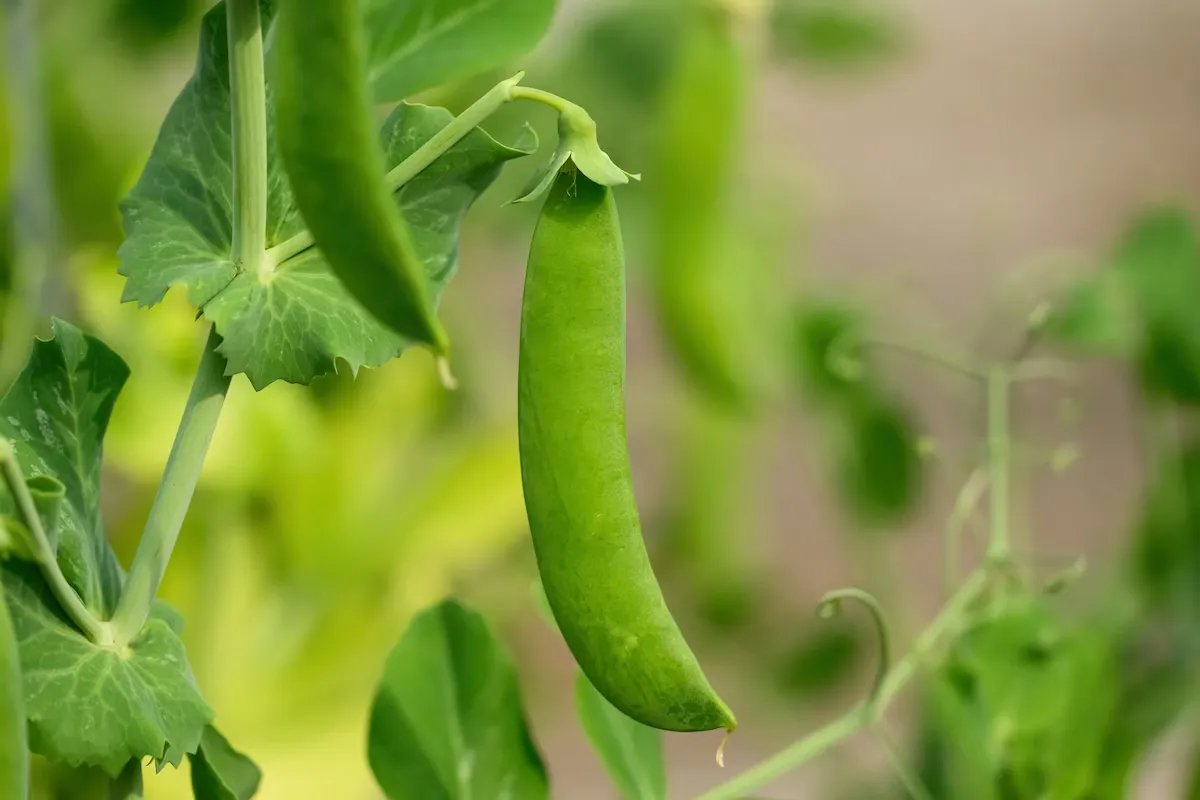
Peas
A cool-season legume grown for its sweet pods or shelling peas. In the UK, peas thrive in early spring and autumn, needing support and protection from pests like mice and pigeons.