Salvia nemorosa 'Caradonna'
A popular upright perennial salvia with deep violet flowers and dark stems, good for borders and pollinators.
Salvia spp.
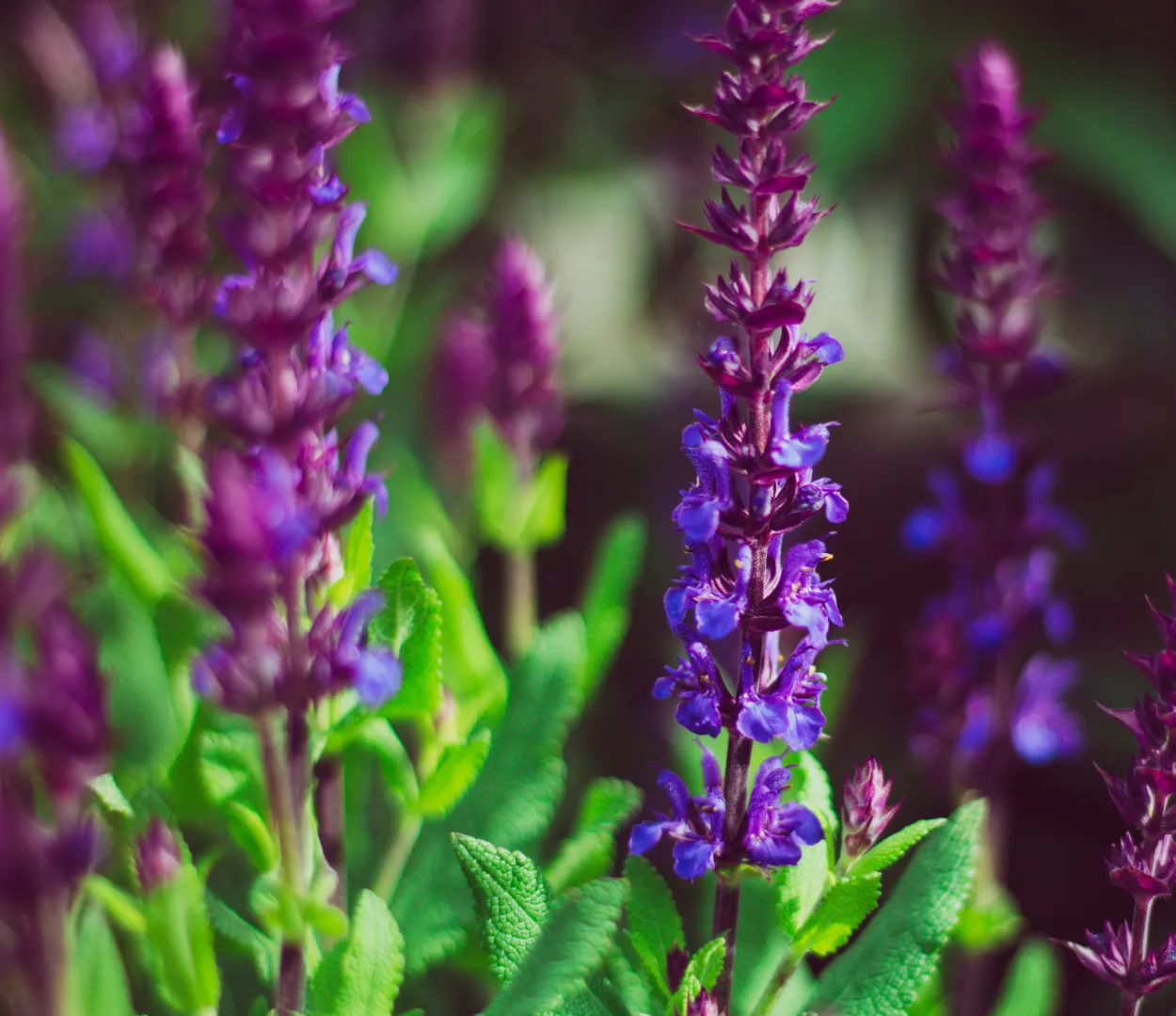
Salvias range from hardy border perennials to frost-tender bedding and tender perennial plants. Most prefer a sunny position and free-draining soil; check the cultivar label for hardiness, plant tender types out after frost, and protect or bring them under cover before winter.
90 cm · Full Sun · Moderate Water
Calibrated to Bath · average last frost around 24 Apr
| Activity | January | February | March | April | May | June | July | August | September | October | November | December |
|---|---|---|---|---|---|---|---|---|---|---|---|---|
| Plant out | No | No | No | No | Yes | Yes | No | No | No | No | No | No |
What to do through the growing season
01
Plant young salvias into well-drained soil or a roomy pot around 15th May - 5th June. Set them at the same depth they were growing before and space them apart. Water in thoroughly straight after planting so the roots settle quickly.
02
Keep the compost or soil evenly moist from 15th May through the first dry spells after planting. Water at the base, not over the leaves, and let the surface dry slightly between waterings so the roots are encouraged to run deep.
03
From 8th June, pinch out the tips on young plants to make them bushier, then remove faded flower spikes as they finish. Keep going through 2nd November to extend flowering and stop the plant wasting energy on seed.
04
Tidy the plants after the main flush of flowers around 23rd July - 22nd August. Cut back the stems by about a third, just above fresh growth, and do not cut into old, leafless wood on shrubby types.
05
Prepare tender or half-hardy salvias for winter during 19th October - 2nd November. Move containers to a bright, frost-free place or lift and pot border plants before frost. Leave hardy types standing in cold or exposed gardens, where the top growth helps protect the crown.
Popular varieties of Salvia to consider
A popular upright perennial salvia with deep violet flowers and dark stems, good for borders and pollinators.
A reliable border salvia with rich purple flower spikes and a neat habit.
A shrubby salvia with red and white flowers over a long season in a sheltered, sunny spot.
A tall, striking salvia for a warm border or large container, with dark calyces and blue flowers.
Explore similar plants you might like
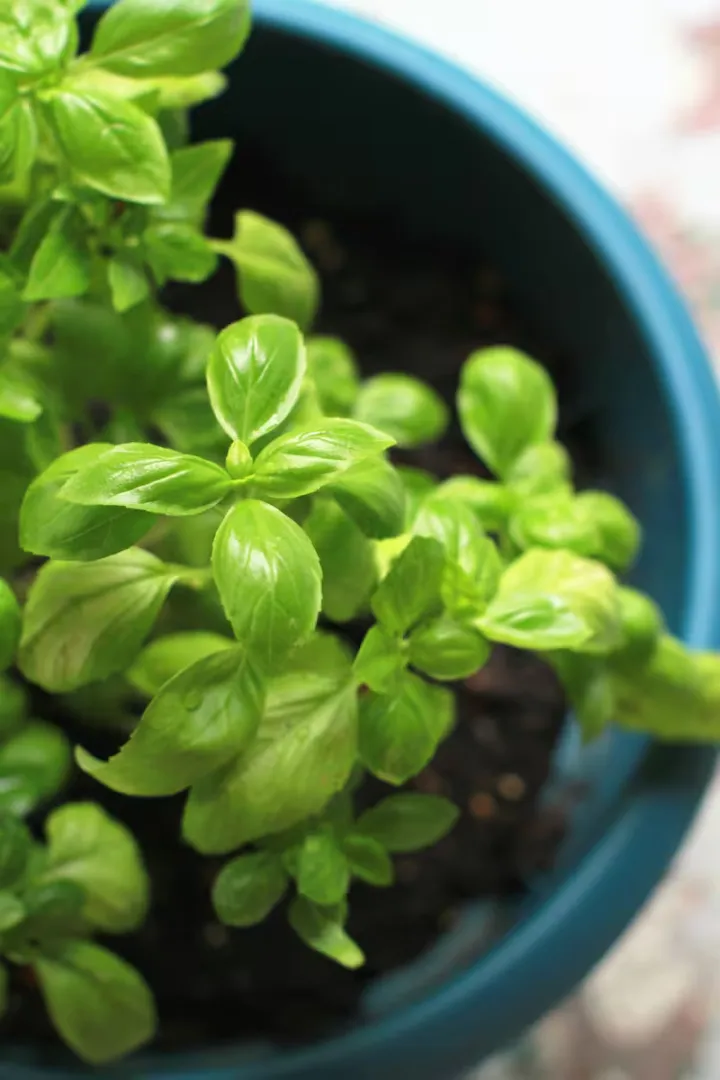
Sow indoors March, plant out May, harvest June to September. Typical frost risk November to April.
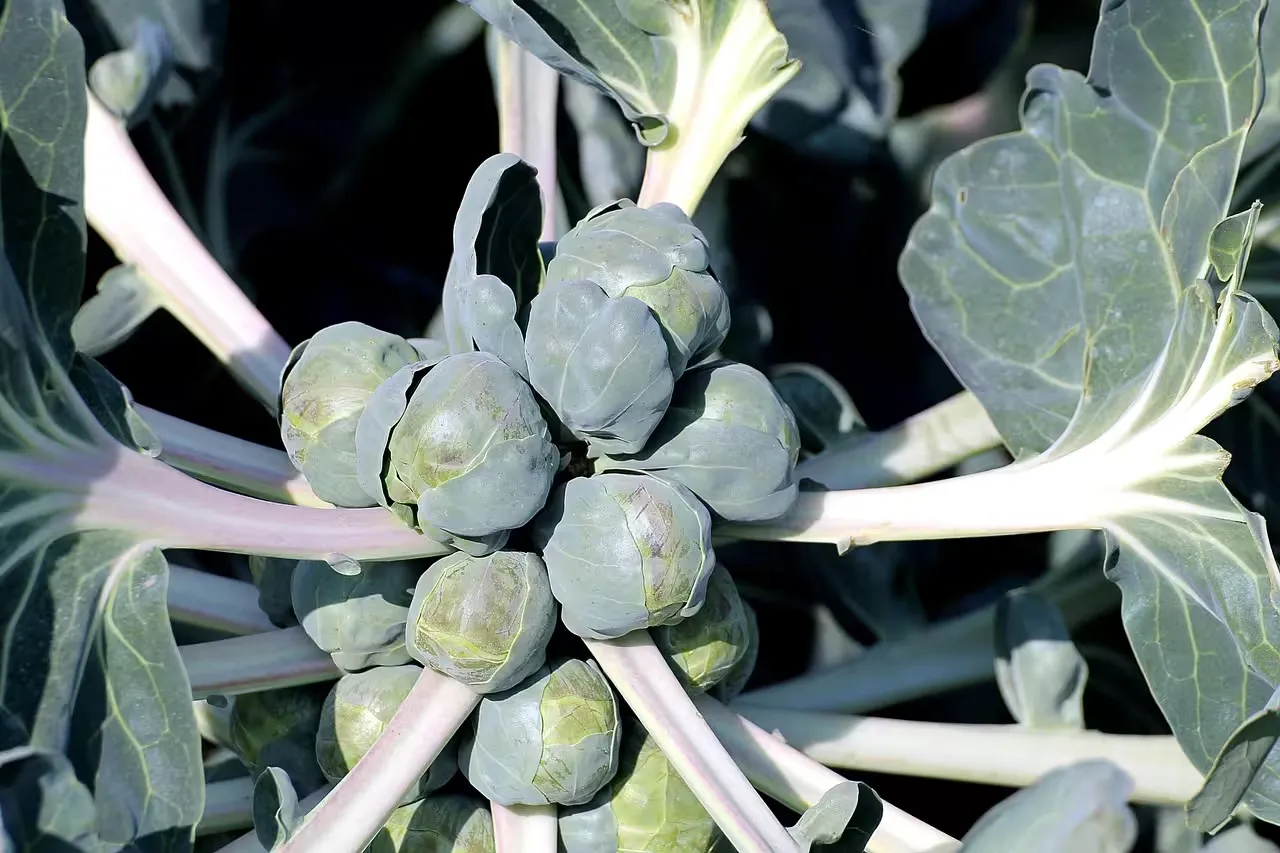
Sow indoors March, plant out May, harvest October to March. Typical frost risk November to April.
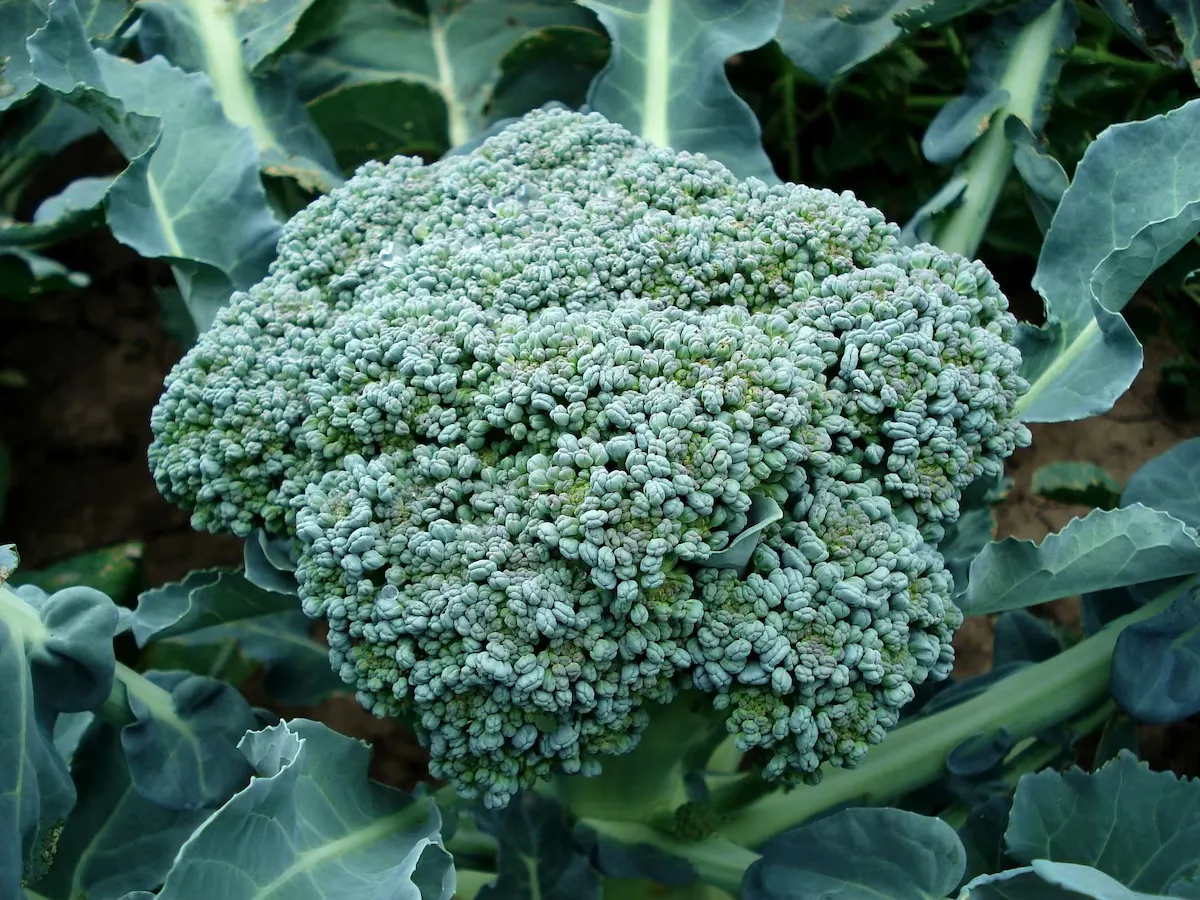
Sow indoors March, plant out May, harvest July to September. Typical frost risk November to April.
See how Salvia timing shifts in other towns with different frost dates.